
Plastics manufacturing is a brutal, high-stakes industrial sector. From our experience, the visual appeal, brand identity, and structural performance of a final plastic product depend almost entirely on one critical ingredient: color masterbatch. We routinely see manufacturers hemorrhage operational capital because they opt for cheap, poorly formulated pigments that result in severe color streaking, mechanical weakness, and catastrophic product rejection rates. You simply cannot afford to treat polymer coloration as an afterthought.

What exactly is color masterbatch? It is emphatically not just raw pigment powder thrown carelessly into a molding hopper. It is a highly engineered, concentrated mixture of pigments, dyes, and functional additives meticulously encapsulated within a compatible polymer carrier resin. When subjected to immense heat and aggressive shear forces during the injection molding or extrusion process, this solid concentrate melts and distributes the coloring agents perfectly throughout the raw base polymer. Understanding the precise mechanics of how a color masterbatch works is the only definitive way to guarantee batch-to-batch visual consistency and flawless structural integrity in your production lines.
In this relentlessly practical, expert-led guide, we are tearing down the complex chemistry and mechanical engineering behind polymer coloration. We will explain exactly how color masterbatch works from the molecular level up, expose the dangerous manufacturing flaws of inferior suppliers, and provide an authoritative roadmap to sourcing, dosing, and processing the perfect colorant for your heavy industrial applications.
Table of Contents
- The Anatomy of Color Masterbatch: Three Core Components
- The Manufacturing Process: Extreme Shear and Thermodynamic Control
- The Dispersion Dilemma: Why Cheap Masterbatch Destroys Products
- Calculating the Let-Down Ratio: The Economics of Dosing
- The Global Supply Chain: Identifying Elite Manufacturers
- The Charming Masterbatch Advantage
- Summary Comparison Table: Masterbatch Mechanics
- Frequently Asked Questions (FAQs)
- Industry References
The Anatomy of Color Masterbatch: Three Core Components
To fundamentally grasp how a color masterbatch works, you must first dissect its formulation. We absolutely refuse to accept generic blends. A premium masterbatch relies on a perfectly calibrated trinity of chemical ingredients.
1. The Carrier Resin
The carrier is the polymeric backbone of the masterbatch. It encapsulates the raw pigment powder, preventing it from becoming an airborne respiratory hazard on your factory floor, and ensuring it melts seamlessly into the primary base resin of your final product. From our experience, the carrier must possess a higher melt flow index (MFI) than the target polymer. If the carrier does not melt quickly and flow easily, the pigment will not distribute. Common carriers include Polyethylene (PE), Polypropylene (PP), and Polystyrene (PS). If you are exploring broader material modifications, such as those utilizing a filler masterbatch HS code 2025, the compatibility of the carrier remains the most critical engineering factor. An incompatible carrier will lead to delamination and structural peeling of the final plastic part.
2. Pigments and Dyes
This is the active coloring agent. The industry utilizes both organic and inorganic pigments. Organic pigments offer brilliant, vivid hues and high tinting strength, making them ideal for vibrant consumer packaging. Inorganic pigments, such as titanium dioxide (for brilliant whites) or iron oxides, deliver exceptional opacity, UV resistance, and thermal stability. In the realm of dark coloration, seeking out reputable black masterbatch manufacturers 2025 is vital because high-grade carbon black is notoriously difficult to disperse without aggressive agglomeration.
3. Dispersing Agents and Processing Aids
Pigment particles possess massive surface energy and van der Waals forces, meaning they naturally want to clump together into hard aggregates. Dispersants, such as low-molecular-weight polyethylene waxes, metallic soaps, or specialized silicone hyperdispersants, coat the individual pigment particles. This microscopic coating lowers the interfacial tension and prevents the particles from re-agglomerating during the cooling phase. Without high-grade dispersants, your color masterbatch will fail spectacularly, resulting in clogged extruder screens and splotchy products.
The Manufacturing Process: Extreme Shear and Thermodynamic Control
How does raw pigment transform into a uniform, dust-free pellet? The manufacturing process of color masterbatch is an exercise in extreme mechanical force and strict thermodynamic regulation. It is a science that separates the elite manufacturers from the amateur mixing shops.
Phase 1: High-Speed Premixing. The raw ingredients are aggressively dry-blended in a high-speed mixer. This initial friction breaks apart the largest pigment clumps and coats them with the wax dispersants and carrier resin powder, creating a homogeneous pre-mix.
Phase 2: Twin-Screw Extrusion. This is the absolute heart of the operation. We strongly recommend twin-screw extruders over single-screw machines for color masterbatch production. The co-rotating twin-screw design provides intense shear force. As the carrier resin melts, the mechanical shearing violently rips apart the microscopic pigment agglomerates, forcing the dispersants to wet out the pigment surfaces completely. If the processing temperature is too low, the resin will not melt efficiently; if it is too high, the organic pigments will suffer thermal degradation and shift in color permanently.
Phase 3: Cooling and Pelletizing. The molten, highly concentrated polymer strand exits the extruder die and is immediately quenched in a chilled water bath or on an air-cooling belt. Once solidified, a rotary cutter rapidly chops the strands into uniform, cylindrical or spherical pellets. These pellets are now your finished color masterbatch, stabilized and ready to be dosed into natural polymers.
The Dispersion Dilemma: Why Cheap Masterbatch Destroys Products
We cannot state this strongly enough: poor dispersion is the ultimate enemy of plastic manufacturing. When you buy cheap color masterbatch from unverified suppliers, you are essentially buying densely agglomerated pigments hidden inside a plastic pellet.
When these pigment clumps fail to break apart during your injection molding or blown film process, the results are commercially disastrous. Visually, you will immediately notice dark streaks, pinholes, color trailing, and uneven color gradients across the surface of the plastic part. Mechanically, the situation is even worse. These undispersed pigment clumps act as severe stress concentrators within the polymer matrix. If you are manufacturing load-bearing components, automotive parts, or pressurized pipes, a clump of undispersed pigment will cause the plastic to shatter or tear under stress.
Furthermore, poor dispersion drastically increases the torque and die pressure on your own valuable extrusion equipment. Un-wetted pigments drag abrasively against the metal screws, causing premature wear and tear, spiking your facility’s energy consumption, and destroying your profit margins. To prevent this equipment fatigue, you must rely on elite plastic masterbatch suppliers worldwide who utilize advanced rheological testing and premium processing aids to ensure absolute particle homogenization.
Calculating the Let-Down Ratio: The Economics of Dosing
Understanding the let-down ratio (LDR) is critical to mastering your operational economics. The LDR dictates exactly how much color masterbatch you must add to your natural, uncolored resin to achieve the target opacity and specific hue required by your design specifications.
Typically, let-down ratios range from 1% to 5%. If your chosen masterbatch has a very high pigment loading (for example, 40% to 60% active pigment concentration), you can use a significantly lower let-down ratio, which saves you considerable money and storage space in the long run. Conversely, if you purchase a cheap masterbatch with only 10% to 15% pigment loading, you will be forced to dose at 8% or 10%. This high addition rate not only drives up your overall material costs but heavily alters the physical properties of your base polymer. We highly advise engineering and procurement teams to consult a comprehensive masterbatch percentage guide to ensure they are calibrating their volumetric or gravimetric dosers accurately for the specific wall thickness of their molded products.
The Global Supply Chain: Identifying Elite Manufacturers
The geographical landscape of masterbatch production is shifting rapidly. While European and North American chemical conglomerates historically dominated the sector, the rise of advanced manufacturing hubs in Asia and the Middle East has completely rewritten the global supply chain rules, offering unprecedented quality at highly competitive price points.
When evaluating the top masterbatch manufacturers worldwide, we look strictly for companies that integrate vertical supply chains and possess in-house spectrophotometric color-matching laboratories. In South Asia, the industrial growth is staggering. Examining the colour masterbatch manufacturers India reveals a massive push toward high-volume, cost-effective packaging solutions and masterbatches for the textile industry. Similarly, the top masterbatch manufacturers Pakistan are making significant, recognized strides in agricultural films and UV-stabilized masterbatches.
However, navigating these international markets requires a stringent auditing protocol. You must demand technical data sheets (TDS) proving the thermal stability, melt flow index, and lightfastness of their specific pigment formulations before authorizing a bulk purchase.
The Charming Masterbatch Advantage
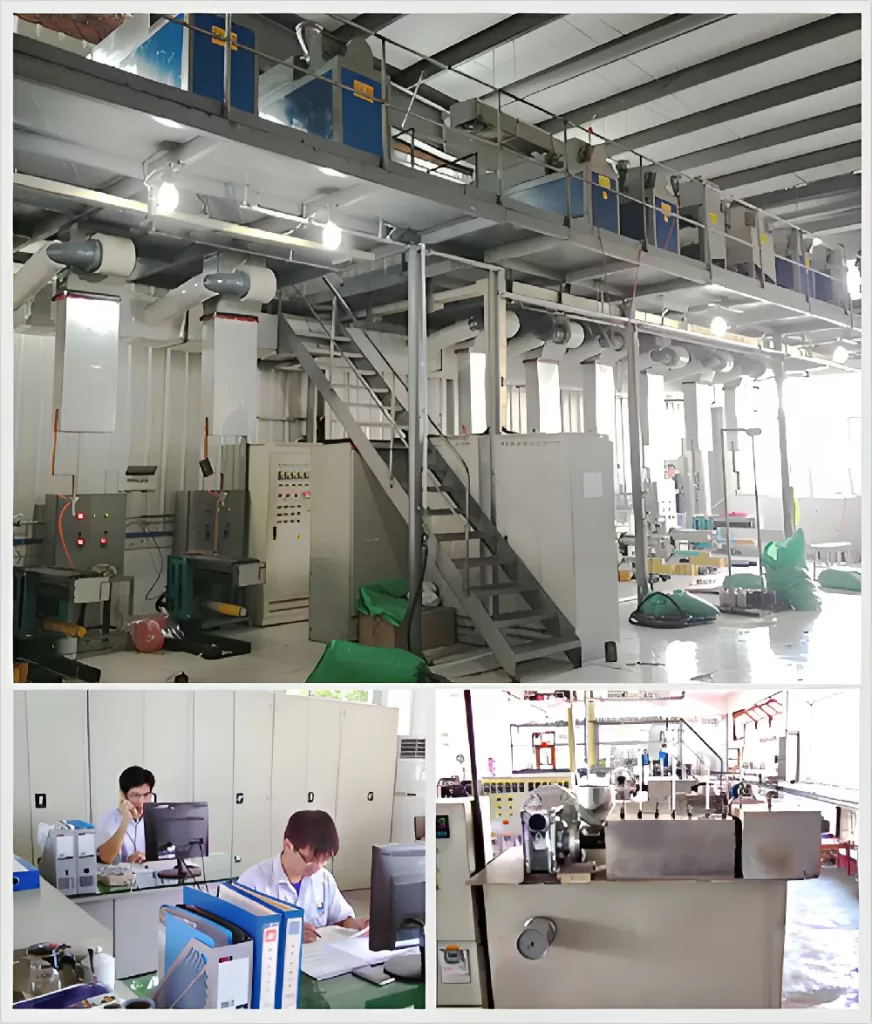
We do not just analyze the industry; we actively define its high-performance standards.
Charming Masterbatch is well known in the China market, and exports to Europe, South America, Southeast Asia, the Middle East, North Africa, and roughly 18 countries and markets worldwide.
Not only providing premium products, Charming provides complete technical support services and individual development cooperation. This helps our customers solve practical processing problems and develop new projects with creative, highly dispersed coloration solutions. From our experience, partnering with a manufacturer that understands both advanced polymer chemistry and heavy industrial processing dynamics is the only way to secure long-term operational success.
Summary Comparison Table: Masterbatch Mechanics
To crystallize this technical breakdown, we have organized the core mechanics and components of how color masterbatch works into this rapid-reference matrix.
| Component / Process Phase | Primary Function | What Happens If It Fails? |
|---|---|---|
| Carrier Resin | Encapsulates pigment and ensures compatibility with base polymer. | Delamination, peeling, and failure to melt during molding. |
| Pigments & Dyes | Provides desired hue, opacity, and UV resistance. | Fading under sunlight, poor tinting strength, color shifting. |
| Dispersing Agents (Waxes) | Lowers surface tension to prevent pigment clumps (agglomeration). | Color streaks, pinholes, clogged extruder screens, weak plastics. |
| Twin-Screw Extrusion | Applies extreme thermal and mechanical shear to wet pigments. | Incomplete mixing, resulting in abrasive granules that destroy equipment. |
| Let-Down Ratio (LDR) | The calculated percentage of masterbatch added to raw resin. | Wasted money from over-dosing, or translucent/weak colors from under-dosing. |
Frequently Asked Questions (FAQs)
1. Why is color masterbatch preferred over using raw pigment powder?
From our experience, utilizing raw pigment powder in a standard manufacturing facility is a logistical nightmare. It becomes airborne instantly, contaminating your entire factory floor, adjoining machinery, and posing severe respiratory hazards to your workers. Furthermore, without the intensive shear force provided during the masterbatch compounding process, raw powder will not disperse evenly in your standard molding machines, resulting in ruined, streaky products.
2. Can I use the exact same color masterbatch for different types of plastics?
We strongly recommend against this practice. The carrier resin of the masterbatch must be physically and chemically compatible with your base polymer. If you attempt to use a Polyethylene (PE) based masterbatch to color a Polycarbonate (PC) or Nylon (PA) component, the incompatible resins will reject each other, causing the part to flake, peel, and lose all structural integrity. Always match the carrier to the base material.
3. How does heat stability affect the performance of a color masterbatch?
Every organic and inorganic pigment has a specific maximum degradation temperature. If your specialized injection molding process requires barrel temperatures of 280°C, but your masterbatch utilizes cheap pigments that burn and degrade at 220°C, the color will shift dramatically, darken, or completely disappear during processing. You must strictly specify your required thermal stability parameters when ordering your masterbatch to prevent chemical burnout.
Industry References
To ensure your polymer processing methodologies remain aligned with global chemical engineering standards, we highly recommend consulting the following authoritative resources for further technical reading:
- Plastics Technology Magazine: Advances in Masterbatch Compounding and Extrusion – Comprehensive analyses of twin-screw extrusion technologies and rheological testing.
- Society of Plastics Engineers (SPE): Polymer Coloration and Additive Dispersion Guidelines – Industry-standard research regarding pigment agglomeration, carrier resin compatibility, and processing aids.