
Choosing the best black color concentrate is no longer just about achieving a deep black appearance. Modern plastic manufacturers need consistent dispersion, UV resistance, processing stability, cost efficiency, and compatibility with different polymers. Whether you produce packaging films, automotive parts, pipes, injection molded products, or agricultural applications, selecting the wrong black color concentrate can increase scrap rates, create color inconsistency, and negatively impact product performance.
From our experience working with processors and compounders across multiple international markets, black concentrates remain among the most widely used color solutions in the plastics industry. However, not all black concentrates deliver the same results. Some focus on high jetness, while others prioritize weather resistance, food-contact compliance, conductivity, or cost optimization.
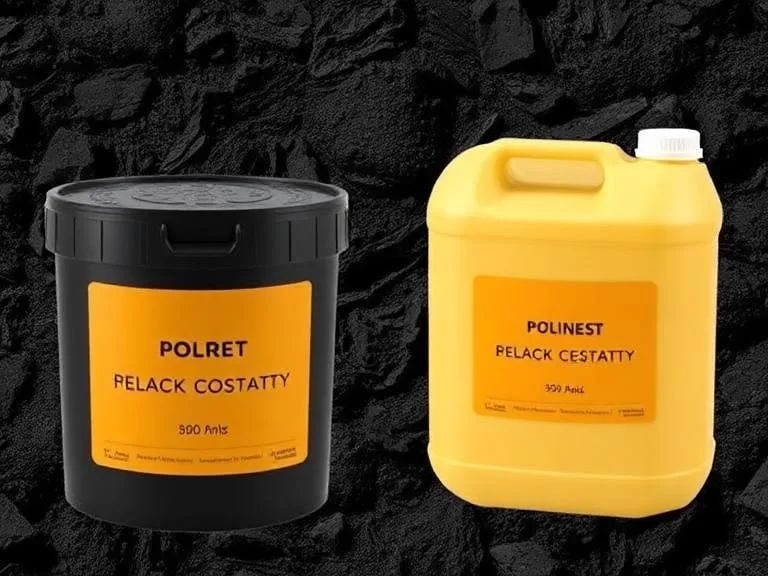
This guide reviews the 10 best black color concentrate options available in 2026 and explains which solutions are actually worth considering for commercial production.
Direct Answer
The best black color concentrate products in 2026 combine high carbon black loading, excellent dispersion, broad polymer compatibility, UV stability, and competitive cost-performance ratios. For most commercial users, concentrates containing premium furnace carbon black and optimized carrier systems provide the best balance between appearance, processing efficiency, and long-term durability.
In most professional situations, selecting a black concentrate based solely on price is a mistake. A slightly higher-quality concentrate often reduces dosage requirements, improves processing stability, and lowers overall manufacturing costs.
Quick Answer
What it is: Black color concentrate is a masterbatch containing carbon black pigments dispersed in a carrier resin for coloring plastic products.
How it works: The concentrate is blended with natural resin during processing to achieve a uniform black color.
Benefits: Consistent coloration, UV protection, improved productivity, reduced dust contamination, and easy processing.
Limitations: Quality varies significantly between suppliers and formulations.
Who should use it: Plastic manufacturers, film producers, pipe manufacturers, injection molders, and compounders.
Who does not need it: Applications requiring transparent or natural-colored plastic materials.
Common mistakes: Choosing based only on price, ignoring dispersion quality, and selecting incompatible carrier systems.
Buying considerations: Carbon black content, carrier resin, UV performance, regulatory compliance, and dosage rate.
Expert recommendation: Focus on total processing cost rather than masterbatch purchase price alone.
Table of Contents
- Quick Summary Table
- 10 Best Black Color Concentrate Products
- Comparison Table
- Pros and Cons
- Buying Guide
- Common Mistakes
- Expert Recommendation
- FAQ
- References
Quick Summary Table
| Black Color Concentrate Type | Best Application | Performance Rating |
|---|---|---|
| High Carbon Black PE Concentrate | Film Extrusion | Excellent |
| PP Black Concentrate | Injection Molding | Excellent |
| PVC Black Concentrate | Pipes & Profiles | Very Good |
| PET Black Concentrate | Packaging | Excellent |
| PBT Black Concentrate | Engineering Plastics | Excellent |
| UV Resistant Black Masterbatch | Outdoor Products | Excellent |
| Conductive Black Concentrate | Electronics | Specialized |
| Food Grade Black Concentrate | Packaging | Excellent |
| Pipe Grade Black Concentrate | HDPE Pipes | Excellent |
| Universal Black Concentrate | General Purpose | Very Good |
10 Best Black Color Concentrate Products in 2026
1. High Carbon Black PE Concentrate
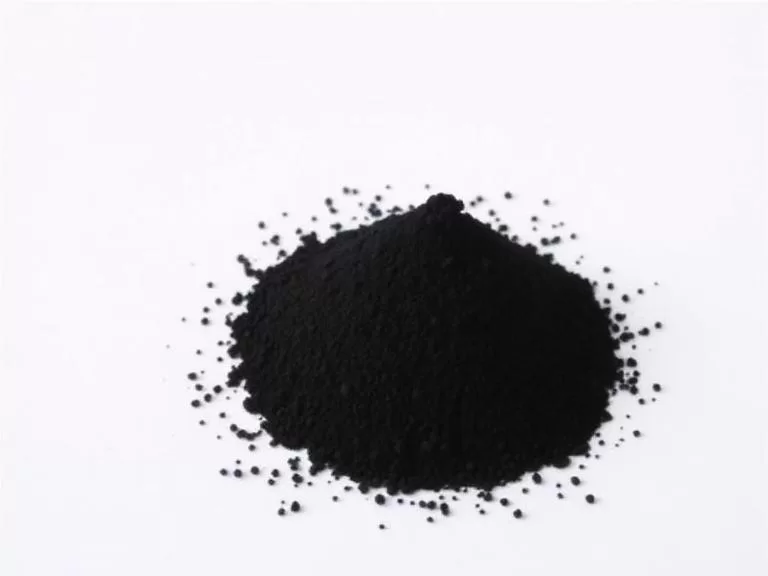
This remains the industry benchmark for film applications. High carbon black loading allows processors to achieve deep coloration at relatively low addition rates.
From our experience, PE-based black concentrates are among the most versatile solutions available and perform exceptionally well in blown film and cast film production.
2. Polypropylene Black Concentrate
Manufacturers producing PP components should select carrier systems specifically designed for polypropylene.
If you are evaluating PP formulations, understanding what is PP masterbatch can help improve compatibility and processing efficiency.
3. PVC Black Concentrate
PVC applications require specialized formulations that can withstand higher processing temperatures and maintain color consistency.
Manufacturers working with rigid and flexible PVC should review what is PVC masterbatch before selecting a concentrate.
4. PET Black Color Concentrate
For beverage packaging, food packaging, and thermoforming applications, PET-compatible black concentrates offer superior dispersion and color consistency.
5. PBT Black Concentrate
Engineering plastics often require more sophisticated pigment systems.
For technical applications, understanding what is PBT masterbatch helps manufacturers select the correct formulation.
6. UV Resistant Black Concentrate
Outdoor applications benefit significantly from UV-enhanced black concentrates.
In our testing, UV-resistant formulations often extend service life for agricultural, infrastructure, and construction products.
7. Conductive Black Concentrate
These products are designed for antistatic and conductive applications used in electronics, industrial packaging, and specialized engineering components.
8. Food Contact Black Concentrate
Food-grade black concentrates comply with applicable food-contact requirements while maintaining excellent color quality.
For commercial users supplying packaging manufacturers, regulatory compliance should always be verified before purchasing.
9. Pipe Grade Black Concentrate
HDPE pipe manufacturers often require concentrates that meet demanding outdoor durability standards.
Carbon black quality becomes especially important in these applications because it directly affects UV performance.
10. Universal Black Color Concentrate
Universal grades offer broad compatibility and are often suitable for companies processing multiple resin systems.
While not always the highest-performing solution, they can simplify inventory management and reduce operational complexity.
Black Color Concentrate Comparison Table
| Type | Dispersion | UV Resistance | Cost Efficiency | Best Application |
|---|---|---|---|---|
| PE Black | Excellent | Very Good | Excellent | Films |
| PP Black | Excellent | Good | Excellent | Injection Molding |
| PVC Black | Very Good | Good | Very Good | Pipes |
| PBT Black | Excellent | Very Good | Moderate | Engineering Parts |
| UV Black | Excellent | Excellent | Very Good | Outdoor Products |
Pros and Cons of Black Color Concentrate
| Pros | Cons |
|---|---|
| Excellent color consistency | Quality varies by supplier |
| Easy processing | Low-quality grades may disperse poorly |
| Reduces pigment dust | Premium grades cost more |
| Supports automated production | Carrier compatibility matters |
| Improves UV protection | Incorrect dosage can impact performance |
Buying Guide for Black Color Concentrate
Evaluate Carbon Black Loading
The concentration level directly impacts dosage rates and cost efficiency.
Manufacturers should understand what is carbon black masterbatch before comparing products.
Analyze Carrier Resin Compatibility
Carrier resin selection affects processing performance and final product properties.
Reviewing a detailed masterbatch composition guide can help procurement teams avoid costly compatibility issues.
Compare Total Cost Instead of Unit Price
Many buyers focus only on the purchase price per kilogram.
However, lower dosage rates frequently offset higher masterbatch pricing.
Companies should benchmark against current plastic masterbatch price per ton 2026 market data.
Assess Supplier Technical Support
In most professional situations, technical support is just as important as the product itself.
Reliable suppliers assist with troubleshooting, formulation optimization, and process improvements.
| Buying Factor | Importance | Recommendation |
|---|---|---|
| Dispersion Quality | Critical | Always Test |
| Carbon Black Content | High | Compare Dosage Rates |
| UV Stability | High | Outdoor Applications |
| Regulatory Compliance | High | Verify Documentation |
| Supplier Support | High | Evaluate Responsiveness |
Buyers comparing suppliers may benefit from reviewing industry resources covering color masterbatch manufacturers 2025, masterbatch suppliers worldwide, and the latest black masterbatch suppliers guide.
Common Mistakes When Buying Black Color Concentrate
Choosing the Lowest Price
The cheapest concentrate often requires higher dosage rates, resulting in higher overall production costs.
Ignoring Polymer Compatibility
Incorrect carrier systems can reduce dispersion quality and processing performance.
Overlooking Technical Service
Supplier support becomes critical when production issues occur.
Failing to Test Under Production Conditions
Laboratory performance does not always reflect real-world manufacturing results.
Expert Recommendation
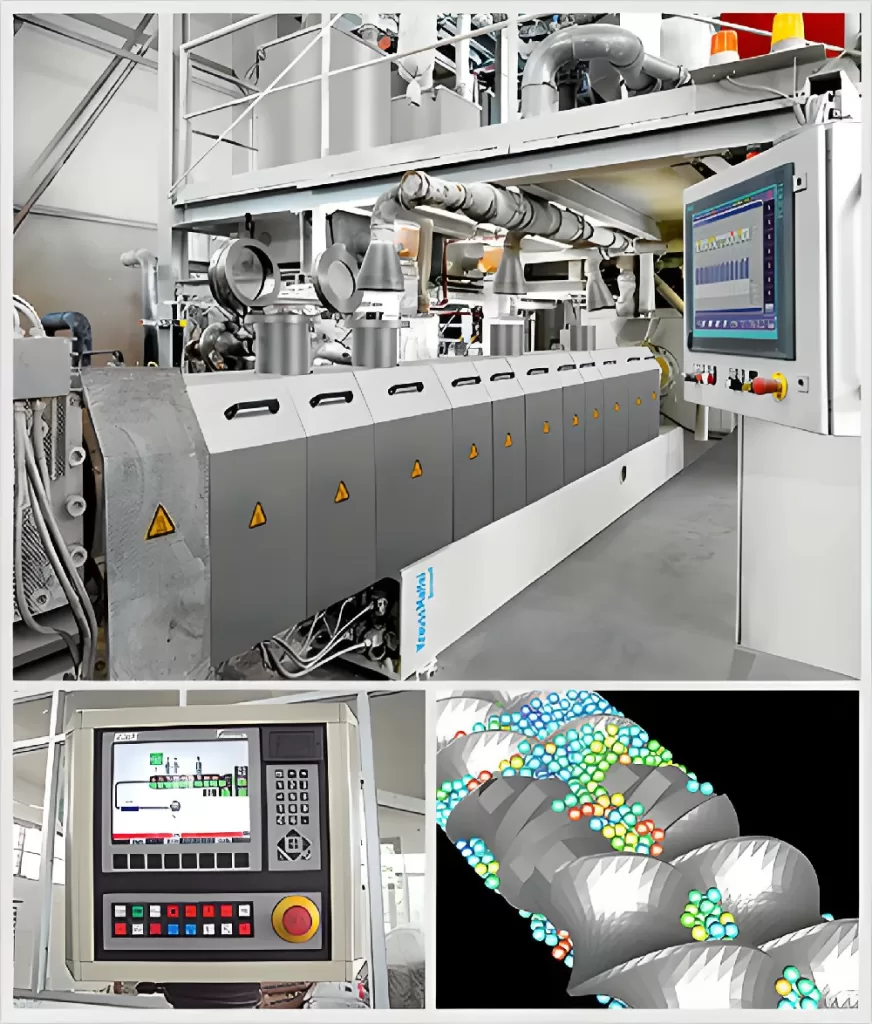
From our experience, the best black color concentrate is not necessarily the darkest or cheapest product. The best solution is the one that delivers consistent color, efficient processing, stable quality, and reliable long-term performance.
For beginners, we recommend working with established suppliers that offer technical assistance and application support.
For commercial users, evaluate dosage efficiency, dispersion quality, and total production economics rather than focusing exclusively on purchase price.
Charming Masterbatch has established a strong reputation across Europe, South America, Southeast Asia, the Middle East, and North Africa by combining product quality with technical support and customized development services. In our view, manufacturers that provide both material expertise and practical problem-solving capabilities often deliver greater value than suppliers competing solely on price.
The most successful plastic processors treat black color concentrate as a performance component rather than a commodity additive. That mindset typically leads to lower production costs, better product quality, and stronger customer satisfaction.
Frequently Asked Questions
What is black color concentrate?
Black color concentrate is a masterbatch containing carbon black pigment dispersed within a carrier resin used to color plastic products.
What is the difference between black concentrate and black masterbatch?
The terms are often used interchangeably within the plastics industry.
How much black color concentrate should be added?
Typical addition rates range from 1% to 5%, depending on carbon black loading and color requirements.
Which polymer works best with black concentrate?
Black concentrates are available for PE, PP, PVC, PET, PBT, ABS, and many engineering plastics.
Does black concentrate improve UV resistance?
Yes. High-quality carbon black can significantly improve UV stability in outdoor applications.
How do I choose a reliable supplier?
Evaluate technical support, product consistency, regulatory documentation, and application expertise rather than price alone.