
In the highly competitive world of plastics manufacturing, aesthetic longevity is no longer just a premium feature; it is an absolute baseline requirement. Whether you are producing high-gloss automotive interior trims, sleek consumer electronics, or premium cosmetic packaging, the moment a plastic surface is scratched, its perceived value drops to zero. From our experience, one of the most frustrating challenges engineers face is balancing a polymer’s mechanical rigidity with its surface durability. Traditional plastics, particularly polyolefins like polypropylene (PP) and polyethylene (PE), are notoriously susceptible to surface marring, scuffing, and deep scratching.
This is precisely where the intervention of advanced chemical additives becomes non-negotiable. If you are asking, what is anti scratch masterbatch and how can it save my production yields, you have come to the right place. An anti scratch masterbatch is a highly concentrated additive formulation encapsulated within a carrier resin, designed to dramatically lower the coefficient of friction on the surface of a molded plastic part. We recommend abandoning outdated topical coatings and migrating to these internal additives for permanent, cost-effective surface protection.
In this authoritative guide, we will dissect the tribological science behind polymer scratching, outline the distinct advantages of modern siloxane-based masterbatches over legacy amide slips, and explain how partnering with elite manufacturers can transform your product’s lifecycle.
Summary Overview: Anti Scratch Masterbatch Specifications
| Specification Category | Technical Details |
|---|---|
| Active Ingredients | Ultra-High Molecular Weight (UHMW) Siloxanes, Speciality Amides |
| Base Carrier Resins | PP, PE, ABS, PC, PA, and custom alloys |
| Typical Dosage Rate | 1.5% to 4.0% (depending on application and base polymer) |
| Primary Mechanism | Migrates to the surface, reducing friction and resisting sheer stress |
| Key Industries | Automotive interiors, home appliances, luggage, premium packaging |
| Secondary Benefits | Improved mold release, enhanced surface gloss, reduced flow marks |
Table of Contents
- Understanding the Science: How Does Anti Scratch Masterbatch Work?
- Siloxane vs. Amide: Why We Recommend UHMW Siloxanes
- Key Industrial Applications and Uses
- Formulation Challenges: Paintability and Adhesion
- The Charming Masterbatch Advantage
- Navigating Global Sourcing and Supply Chains
- Frequently Asked Questions (FAQs)
- Authoritative References
Understanding the Science: How Does Anti Scratch Masterbatch Work?
To truly grasp the value of an anti scratch masterbatch, one must understand the tribology—the science of friction, wear, and lubrication—of plastic surfaces. When a sharp or blunt object is dragged across a polymer surface, it induces shear stress. In unprotected plastics, this stress causes the polymer chains to yield, resulting in physical deformation. This deformation manifests as either a deep gouge (a physical scratch) or micro-crazing that alters how light reflects off the surface, creating an ugly white streak commonly known as “marring” or “stress whitening.”
From our experience, preventing this requires altering the surface energy of the part. When you introduce an anti scratch masterbatch into the extruder during injection molding or extrusion, the active molecules are dispersed uniformly throughout the polymer melt. However, these active molecules—often ultra-high molecular weight silicones—are thermodynamically incompatible with the base resin. As the plastic cools and solidifies, the additive slowly and continuously migrates to the surface. It forms a microscopic, highly lubricated boundary layer. Consequently, when a physical object strikes the surface, it simply glides off rather than digging into the polymer matrix.
This internal migration ensures that the scratch resistance is not merely a temporary surface coating that can be washed or worn away. It is an intrinsic, long-lasting property of the plastic itself. Understanding this mechanism is vital, especially when comparing it to other functional additives. For instance, if you want to know what is PP masterbatch, you will find that the carrier resin must perfectly match the base polymer to ensure this migration happens at the correct rate without compromising the mechanical strength of the final product.
Siloxane vs. Amide: Why We Recommend UHMW Siloxanes
We are highly opinionated on the chemistry used in these formulations. Historically, the plastics industry relied heavily on fatty acid amides (like erucamide and oleamide) to provide slip and scratch resistance. While cheap, amides are fundamentally flawed for long-term, high-end applications. They migrate to the surface too quickly, causing a greasy buildup known as “blooming.” Furthermore, they degrade under high processing temperatures and evaporate over time, leaving the plastic unprotected after a few months.
We strongly recommend utilizing anti scratch masterbatches formulated with Ultra-High Molecular Weight (UHMW) Siloxanes. Unlike volatile amides, UHMW siloxanes do not bloom or leave a sticky residue. They provide permanent, long-lasting scratch and mar resistance. They are highly thermally stable, meaning they survive the intense shear and heat of modern injection molding machines without breaking down. The result is a dry, clean, highly scratch-resistant surface that retains its factory-fresh appearance for years.
Key Industrial Applications and Uses
The implementation of anti scratch masterbatch has revolutionized several key manufacturing sectors. Let us break down the primary uses where this additive is not just an option, but a strict requirement.
Automotive Interiors
The automotive industry is the largest consumer of anti scratch additives. Modern vehicles utilize vast amounts of textured polypropylene for dashboards, door panels, center consoles, and seat backs. These areas are subjected to constant abuse from keys, fingernails, shoes, and bags. Automakers impose incredibly strict OEM scratch testing standards (such as the five-finger scratch test). Without a high-quality anti scratch masterbatch, achieving compliance with these aesthetic longevity tests is impossible.
Consumer Electronics and Home Appliances
Think about the glossy bezel of a smart TV, the casing of a premium laptop, or the exterior of a high-end coffee maker. These items are handled daily. A single visible scratch can lead a consumer to return the product, perceiving it as low quality. Incorporating these additives ensures that electronics maintain their sleek, pristine appearance even after prolonged daily handling.
Premium Packaging
In the cosmetics and luxury goods sectors, the packaging is an integral part of the product’s value proposition. High-gloss cosmetic jars, mascara tubes, and perfume caps must survive the friction of global shipping and rattling inside a consumer’s purse. Using an anti scratch masterbatch guarantees that the packaging looks flawless when the customer finally holds it.
Formulation Challenges: Paintability and Adhesion
We must be candid about the potential side effects of using anti scratch additives. Because these masterbatches dramatically lower the surface energy of the plastic (making it slippery), they can interfere with secondary operations. If your final product requires painting, printing, hot stamping, or adhesive bonding, standard siloxane additives will repel the ink or glue, resulting in catastrophic adhesion failures.
However, expert formulation solves this. We recommend working closely with your masterbatch supplier to specify “paintable” or “printable” anti scratch grades. These specialized formulations utilize functionally modified siloxanes that anchor themselves into the polymer matrix, providing excellent scratch resistance without migrating entirely to the top molecular layer and ruining printability. This is where the technical expertise of your supplier becomes your greatest asset.
The Charming Masterbatch Advantage
Finding a reliable supplier who understands the intricate balance of polymer tribology, pigment dispersion, and functional additives is incredibly difficult. This is exactly why we champion our in-house manufacturing capabilities.
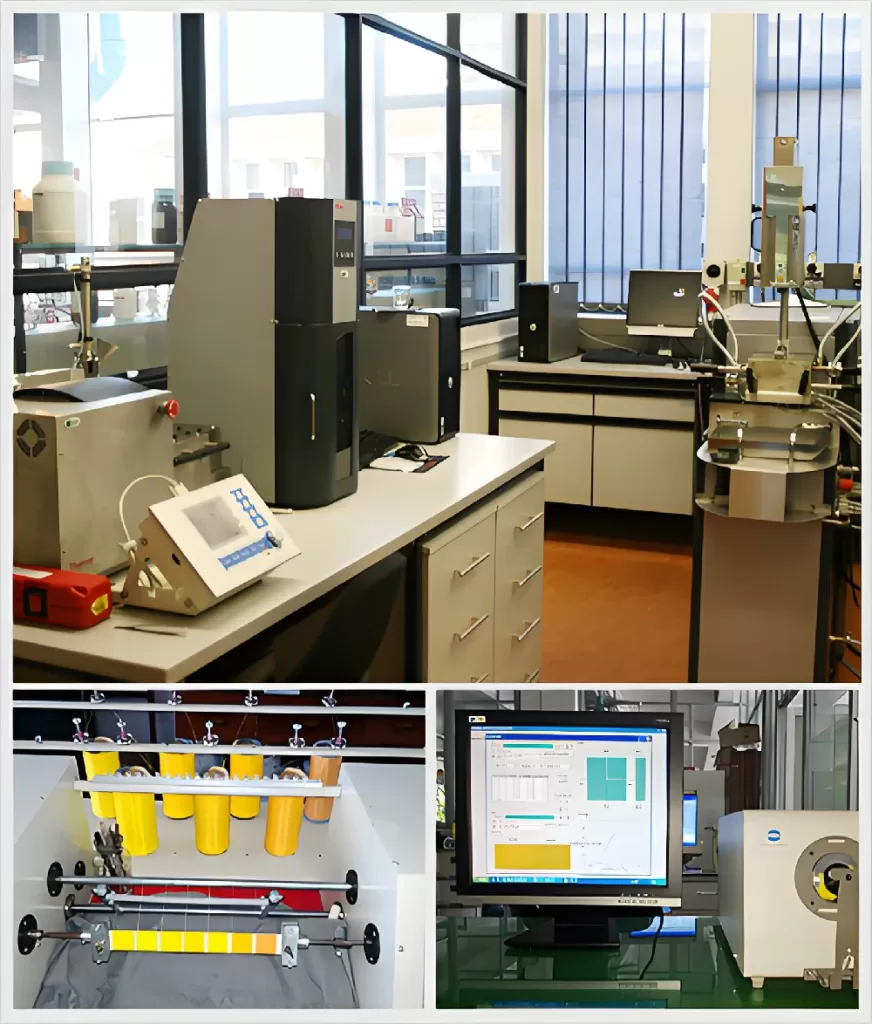
With advanced twin screw machines from Germany and decades of experience in Masterbatch processing and pigment dispersion technology, Charming provides stable high quality color Masterbatch and creative functional Masterbatch solutions for our customers.
Charming Masterbatch is well known in China market, and exports to Europe, South America, Southeast Asia, Middle East, North Africa etc about 18 countries and markets worldwide.
Not only products, Charming provides complete technical support service and individual development cooperation, which can help our customers solve practical problems and develop new projects with creative solutions.
When you are blending functional additives with pigments, consistency is king. If you are curious about the complexities of dark pigmentation, reviewing what is carbon black masterbatch will reveal how easily poor dispersion can ruin physical properties. At Charming Masterbatch, our German-engineered twin-screw extruders guarantee perfect dispersion, meaning your anti scratch properties are uniform across every single molded part, with zero weak spots.
Navigating Global Sourcing and Supply Chains
The global supply chain for plastic additives is shifting rapidly. Many procurement officers spend months evaluating the color masterbatch manufacturers 2025 landscape to secure reliable suppliers. While regional suppliers are important, restricting your search geographically often limits your access to advanced chemical technologies.
For example, while there are highly capable plastic masterbatch manufacturers USA based, and rapidly growing plastic masterbatch manufacturers India based, an internationally exporting powerhouse like Charming Masterbatch bridges the gap between premium European machinery standards and aggressive, globally competitive pricing. We recommend partnering with suppliers who do not just sell pellets, but who offer the bespoke engineering support required to tailor the anti scratch formulation to your exact base resin and molding parameters.
Frequently Asked Questions (FAQs)
What is the optimal dosage rate for an anti scratch masterbatch?
From our experience, the optimal dosage typically ranges from 1.5% to 4.0% by weight, depending heavily on the active ingredient concentration in the masterbatch and the severity of the scratching environment. We strongly recommend starting trials at 2.0% and adjusting based on physical scratch testing results (like the Erichsen cross-hatch test).
Does anti scratch masterbatch affect the mechanical properties of the plastic?
If dosed correctly, high-quality UHMW siloxane masterbatches have a negligible impact on the tensile strength, impact resistance, and flexural modulus of the base polymer. In fact, because they act as internal lubricants, they often improve the melt flow index and assist in mold release during injection molding.
Can I use anti scratch masterbatch in transparent plastics like Polycarbonate (PC) or PMMA?
Yes, but you must be incredibly cautious. Standard anti scratch additives can cause haze or cloudiness in optically clear plastics due to refractive index mismatches. You must request a specifically formulated, optically clear anti scratch grade from your supplier if transparency is a critical requirement for your product.
Are these masterbatches safe for food contact packaging?
Many siloxane-based and amide-based additives do hold FDA and European Food Safety Authority (EFSA) approvals for food contact. However, compliance is formulation-specific. Always demand a formal Declaration of Compliance (DoC) from your masterbatch manufacturer before using any additive in food or beverage packaging applications.
Authoritative References and Industry Resources
To further your understanding of polymer tribology, mechanical testing standards, and the broader plastics manufacturing industry, we highly recommend consulting the following authoritative sources:
- ScienceDirect: Scratch Resistance Mechanisms in Polymers – Academic research detailing the physical and chemical responses of polymer matrices to shear stress and surface deformation.
- ISO 19252:2008 Plastics — Determination of scratch properties – The official international testing standard utilized by global automotive and consumer goods manufacturers to quantify surface durability.
- NIST: Scratch and Mar Resistance of Polymeric Materials – Authoritative governmental publication exploring advanced methodologies for measuring and improving the mar resistance of industrial plastics.
- SpecialChem Guide on Scratch Resistance – A comprehensive industry portal for formulators seeking technical data sheets and chemical structures of modern polymer additives.
- Plastics News Industry Reports – Leading global trade publication providing real-time data on supply chain shifts, polymer pricing, and advancements in compounding technology.