
The global polymer processing industry is undergoing a period of rapid technological advancement and supply chain restructuring as we navigate through 2026. For procurement managers, operational directors, and polymer engineers, securing high-quality colorants and additives is a critical operational mandate. However, formulating an accurate budget requires a deep understanding of current market economics. One of the most frequent and complex questions we encounter from global manufacturers is: exactly how much does plastic masterbatch cost per ton in the current economic landscape?
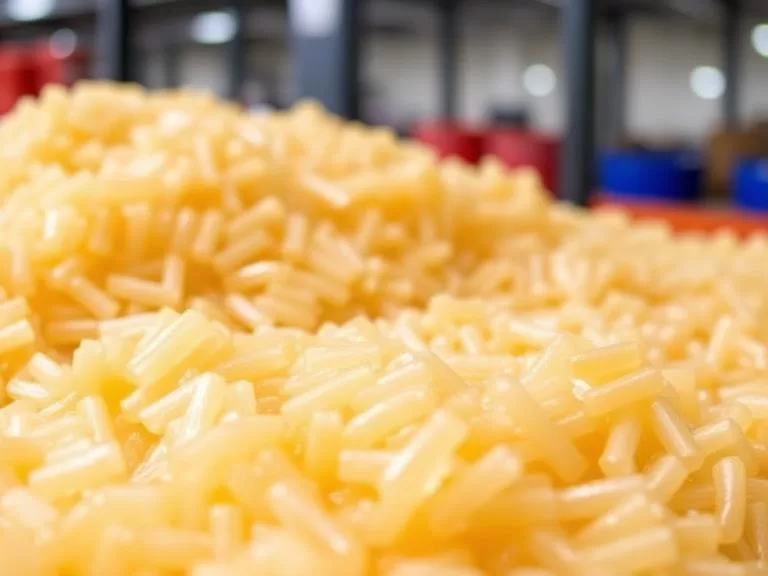
At Charming Masterbatch, we approach this question with decades of experience in Masterbatch processing and pigment dispersion technology. We understand that the plastic masterbatch cost per ton is not a monolithic figure. It is a highly variable metric dictated by pigment concentration, carrier resin compatibility, regulatory compliance, and the sophistication of the manufacturing equipment utilized. With advanced twin screw machines from Germany driving our production lines, we provide stable high-quality color masterbatch and creative functional masterbatch solutions that deliver measurable return on investment for our global clientele.
In this authoritative industry guide, we will dissect the pricing structures of various masterbatch categories, explore the technical variables that influence these costs, and provide actionable insights into how your facility can optimize its let-down ratios to achieve superior end-product quality while managing the overall plastic masterbatch cost per ton.
Table of Contents
- 1. Summary Table: Average Plastic Masterbatch Cost Per Ton
- 2. Core Variables Influencing Masterbatch Pricing
- 3. Analyzing the Color Masterbatch Market
- 4. The Premium Economics of Functional Masterbatch
- 5. How Dispersion Technology Impacts Your Bottom Line
- 6. The Charming Masterbatch Advantage
- 7. Frequently Asked Questions (FAQs)
- 8. Industry References
1. Summary Table: Average Plastic Masterbatch Cost Per Ton
To provide immediate clarity for procurement and supply chain professionals, we have compiled a summary table reflecting the estimated global market rates for 2026. Please note that the plastic masterbatch cost per ton fluctuates based on the specific carrier resin (e.g., PE, PP, PET) and the complexity of the custom formulation required for your specific end-use application.
| Masterbatch Category | Typical End-Use Application | Estimated Plastic Masterbatch Cost Per Ton (USD) | Key Cost Drivers |
|---|---|---|---|
| Standard White (TiO2) | Film / Plastic, Packaging, Injection Molding | $1,500 – $2,800 | Titanium dioxide concentration (40% to 75%), Rutile vs. Anatase grade. |
| Standard Black (Carbon Black) | Pipes, Agricultural Films, Automotive | $1,200 – $2,200 | Carbon black particle size, tinting strength, UV protection requirements. |
| Custom Color Masterbatch | Fiber / Filament / BCF / Nonwoven, Consumer Goods | $2,500 – $6,000+ | Pigment purity, heat resistance, light fastness, FDA/REACH compliance. |
| Antimicrobial Masterbatch | Medical Devices, Food Packaging, Textiles | $6,000 – $15,000+ | Active ingredients (Silver-ion, Zinc), regulatory testing certifications. |
| Flame Retardant Masterbatch | Construction Materials, Electronics, Wire & Cable | $3,500 – $8,500 | Halogenated vs. Non-halogenated, UL 94 V-0 compliance ratings. |
| UV Stabilizer Masterbatch | Agricultural Films, Outdoor Furniture, Automotive | $4,000 – $9,000 | HALS (Hindered Amine Light Stabilizers) concentration, longevity specs. |
| Antistatic Masterbatch | Electronic Packaging, Cleanroom Films | $3,000 – $7,000 | Duration of antistatic effect, migratory vs. permanent active agents. |
2. Core Variables Influencing Masterbatch Pricing
When an operational director asks us about the plastic masterbatch cost per ton, we must first conduct a comprehensive technical review of their specific manufacturing environment. From our experience, comparing prices on a purely per-ton basis without analyzing the technical specifications is a critical error that leads to elevated scrap rates and machinery downtime.
The primary variable dictating the plastic masterbatch cost per ton is the pigment or active additive loading percentage. A masterbatch with a 60% active pigment concentration will carry a significantly higher cost per ton than a masterbatch with a 30% concentration. However, we recommend calculating the cost-in-use rather than the cost per ton. A highly concentrated, premium masterbatch allows the manufacturer to utilize a much lower let-down ratio (LDR), meaning you introduce less masterbatch into your virgin resin to achieve the desired opacity or functionality. Ultimately, this lowers your total manufacturing cost.
Another crucial variable is the carrier resin. The carrier must be rheologically compatible with the base polymer of your end product. Utilizing specialized engineering polymers (such as PET, PA, or PC) as a carrier will invariably increase the plastic masterbatch cost per ton compared to standard commodity resins like LDPE or PP.
3. Analyzing the Color Masterbatch Market
The production of a high-fidelity Color Masterbatch requires immense precision. At Charming Masterbatch, we formulate our colorants to meet the exacting demands of two primary, highly sensitive sectors.
Fiber / Filament / BCF / Nonwoven
In the textile and carpet industries, the plastic masterbatch cost per ton is often secondary to the necessity for absolute dispersion perfection. When extruding ultra-fine fibers, filaments, Bulked Continuous Filament (BCF), or nonwoven fabrics, even microscopic pigment agglomerations will cause spin breaks. Spin breaks halt the entire production line, destroying profitability. To prevent this, we utilize advanced twin screw machines from Germany and proprietary wetting agents to ensure every pigment particle is isolated and encapsulated. While this rigorous processing elevates the initial plastic masterbatch cost per ton, it guarantees continuous, flawless extrusion, thereby maximizing your plant’s operational efficiency.
Film / Plastic
For the blown film, cast film, and rigid plastic packaging sectors, opacity, gloss, and color consistency are paramount. Whether matching a specific Pantone for a global brand’s packaging or ensuring zero gel formation in ultra-thin agricultural films, our Color Masterbatch provides unparalleled stability. We recommend engaging in our individual development cooperation program to engineer a colorant that perfectly matches your melt flow index (MFI) and processing temperatures.
4. The Premium Economics of Functional Masterbatch
Beyond aesthetics, the modern polymer industry relies on a Functional Masterbatch to impart critical physical and chemical properties to plastics. Because these additives involve highly specialized, complex chemistries, the plastic masterbatch cost per ton in this category represents the upper echelon of market pricing.
Antimicrobial Solutions
The demand for Antimicrobial masterbatch has surged exponentially, particularly in the medical device, food packaging, and consumer appliance sectors. Utilizing silver-ion or zinc-based technologies, these masterbatches disrupt the cellular walls of bacteria and fungi, preventing colonization on plastic surfaces. The high plastic masterbatch cost per ton here is justified by the expensive nature of the active metallic ions and the rigorous laboratory validation required to ensure sustained, multi-year efficacy without leaching.
Antistatic and Flame Retardant Additives
Plastics are inherent insulators, making them prone to static charge accumulation. This causes dust attraction on retail packaging and poses severe discharge risks in electronic component manufacturing. Our Antistatic masterbatch provides a controlled migratory or permanent conductive network within the polymer matrix. Similarly, our Flame Retardant solutions are critical for meeting strict global building and automotive safety codes (such as UL 94). Engineering non-halogenated flame retardants that do not compromise the mechanical tensile strength of the base polymer is a complex science, which is accurately reflected in the plastic masterbatch cost per ton.
UV Stabilizer Protection
Polymers exposed to sunlight undergo rapid photo-oxidative degradation, leading to chalking, embrittlement, and structural failure. By incorporating a highly concentrated UV stabilizer masterbatch, manufacturers can extend the lifespan of outdoor assets—such as stadium seating, automotive trims, and agricultural greenhouse films—by decades. We recommend utilizing our advanced Hindered Amine Light Stabilizers (HALS) to ensure long-term molecular integrity.
5. How Dispersion Technology Impacts Your Bottom Line
From our experience, the hidden cost of cheap masterbatch is poor dispersion. If a supplier offers a remarkably low plastic masterbatch cost per ton, they are likely utilizing outdated, single-screw extrusion equipment that fails to apply adequate shear force to the pigment agglomerates.
When poor dispersion occurs, the manufacturer must increase the let-down ratio to achieve the target color, consuming more material and wiping out any initial savings. Furthermore, poorly dispersed pigments act as stress concentrators within the plastic part, severely reducing its impact resistance and tensile strength. Charming Masterbatch utilizes advanced twin screw machines from Germany, which provide intense, controlled mechanical shear. This ensures complete pigment wet-out and uniform distribution, allowing you to use less masterbatch while achieving superior color strength and physical part integrity.
6. The Charming Masterbatch Advantage
Evaluating the plastic masterbatch cost per ton requires partnering with a supplier who views the relationship as a technical collaboration rather than a mere transactional exchange. Charming Masterbatch is well known in the China market, and successfully exports to Europe, South America, Southeast Asia, the Middle East, North Africa, and approximately 18 countries and markets worldwide.
Not only do we provide premium products, but Charming provides complete technical support service and individual development cooperation. This dedicated approach can help our customers solve practical manufacturing problems and develop new projects with creative, bespoke solutions. By optimizing your specific formulations, we actively work to lower your effective plastic masterbatch cost per ton while elevating your product quality. We are so proud that we can share our decades of experience and pigment dispersion technology with customers and grow up together in this dynamic industry.
7. Frequently Asked Questions (FAQs)
Why does the plastic masterbatch cost per ton vary so wildly for white masterbatch?
The primary driver is the quality and concentration of Titanium Dioxide (TiO2). A masterbatch utilizing 70% premium rutile TiO2 will have a higher plastic masterbatch cost per ton than one using 40% anatase TiO2 with heavy calcium carbonate fillers. From our experience, the premium 70% option is ultimately more cost-effective due to the drastically lower let-down ratio required to achieve full opacity.
“`
How does the carrier resin affect the plastic masterbatch cost per ton?
The masterbatch carrier resin must melt seamlessly with your base polymer. Commodity carriers like Polyethylene (PE) are inexpensive. However, if your application requires an engineering plastic like Polycarbonate (PC) or Nylon (PA) as the carrier to ensure mechanical compatibility and prevent delamination, the raw material costs increase, subsequently raising the plastic masterbatch cost per ton.
What does “individual development cooperation” mean at Charming Masterbatch?
It means we do not just sell off-the-shelf products. We recommend custom engineering formulations tailored to your specific extrusion or injection molding equipment, your base resin, and your end-use environmental requirements. This ensures you receive the optimal balance of performance and competitive plastic masterbatch cost per ton.
Are functional masterbatches combined with color, or sold separately?
We can engineer combi-batches that include both precise color matching and functional additives (e.g., a blue UV stabilizer masterbatch). While a combi-batch has a higher initial plastic masterbatch cost per ton, it drastically simplifies your inventory management and reduces dosing errors on the factory floor.