
Orange Masterbatch is a highly concentrated solid additive utilized in the plastics manufacturing industry to impart vibrant orange coloring to raw polymer resins. It is manufactured by encapsulating intense organic or inorganic orange pigments into a compatible carrier resin, which is then cooled and cut into granular pellets. This process guarantees flawless pigment dispersion, thermal stability, and exact color matching in extrusion, blow molding, and injection molding applications, making it far superior to using raw powder pigments or messy liquid colorants.
Quick Answer: Should You Buy Orange Masterbatch?
If you are manufacturing high-visibility plastics—such as construction safety netting, underground hazard pipes, warning cones, or distinct consumer packaging—Orange Masterbatch is absolutely essential. It provides unmatched UV resistance, prevents color streaking, and eliminates airborne pigment contamination in your factory. For commercial scale production, the operational efficiency and reduction in scrap rates make purchasing high-grade Orange Masterbatch a highly profitable and necessary decision.
Table of Contents
- What is Orange Masterbatch?
- Quick Summary Table: Core Specifications
- How It Works in Polymer Processing
- Commercial Benefits of Using Orange Masterbatch
- Limitations to Consider
- Who Should Use It & Who Does Not Need It
- Comparison Table: Masterbatch vs Alternatives
- Pros and Cons Table
- Common Mistakes in Sourcing and Extrusion
- Buying Considerations
- Buying Guide Table
- Expert Recommendation
- Frequently Asked Questions
- Authoritative References
What is Orange Masterbatch?
To understand the industry, we must clarify the fundamental chemistry. Orange Masterbatch is not just “orange plastic.” It is a meticulously engineered delivery system. At its core, it consists of a carrier resin (such as PE, PP, PET, or EVA), a high loading of orange pigments (which can range from 20% to 60% concentration), and specialized dispersion agents and lubricants. The purpose of this formulation is to lock the pigment inside a pellet so that it can be safely and cleanly introduced to uncolored raw plastic during the manufacturing phase.
In most professional situations, dealing with raw orange powder pigment is a logistical nightmare. The powder becomes airborne, contaminates other production lines, and refuses to disperse evenly in the extruder, leading to rejected parts with visible color streaks. Orange Masterbatch solves this by pre-dispersing the pigment under immense shear force inside a twin-screw extruder during its own manufacturing process. When you seek out color masterbatch manufacturers 2025, you are paying for this flawless pre-dispersion technology.
Quick Summary Table: Core Specifications
| Specification | Standard Range | Industry Relevance |
|---|---|---|
| Pigment Loading | 20% – 60% | Determines color intensity and necessary let-down ratio. |
| Carrier Resin | PE, PP, PS, ABS, EVA | Must perfectly match the base polymer of the final product. |
| Let-Down Ratio (LDR) | 1% – 5% | The percentage of masterbatch added to raw resin to achieve target color. |
| Heat Resistance | 200°C – 300°C | Crucial for high-temperature extrusion to prevent color degradation. |
| Lightfastness | Grade 6 – 8 (Blue Wool Scale) | Dictates outdoor weatherability and UV resistance. |
How It Works in Polymer Processing
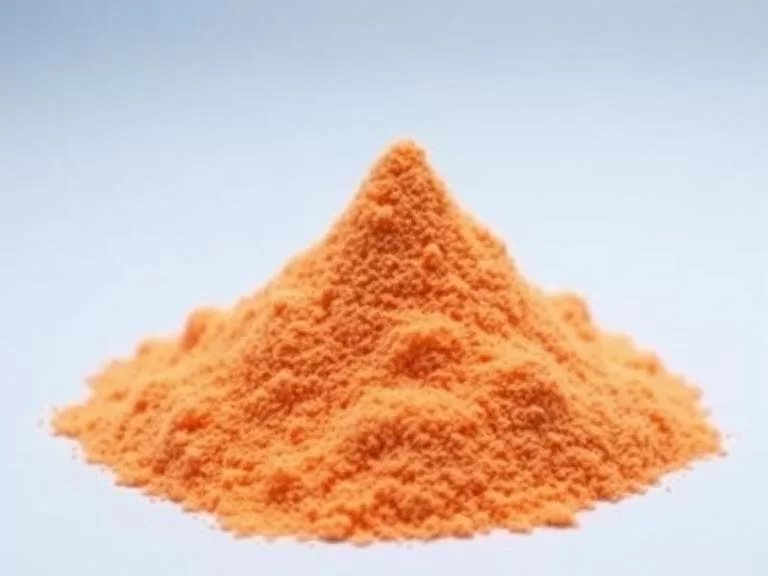
The mechanics of utilizing Orange Masterbatch are rooted in thermodynamics and fluid dynamics. When you introduce the orange pellets into the hopper of an injection molding machine alongside raw polymer (like Polypropylene), both materials travel down the heated barrel. Because a premium supplier formulates the masterbatch with a lower melt-flow index than the raw resin, the orange carrier resin melts slightly faster.
This early melting phase, combined with the mechanical shearing action of the extruder screw, allows the highly concentrated orange pigment to unfold and mix uniformly throughout the molten plastic matrix. By the time the plastic is injected into the mold or extruded through a die, the color is perfectly homogenous. Understanding what is PP masterbatch helps clarify why matching the carrier resin to your base polymer is the only way to prevent delamination and mechanical failure in the final part.
Commercial Benefits of Using Orange Masterbatch
From our experience, upgrading to a premium masterbatch drastically impacts a manufacturer’s bottom line. The primary benefit is absolute color consistency. When producing components for global brands, visual uniformity across different production batches is strictly enforced. High-quality masterbatch eliminates human error in pigment measuring.
Furthermore, elite plastic masterbatch suppliers worldwide embed functional additives directly into the orange pellets. This means you can procure an Orange Masterbatch that also features UV stabilizers, anti-static agents, and antioxidants. For heavy-duty applications like outdoor hazard cones, this dual-functionality prevents the plastic from becoming brittle and bleaching under intense sunlight.
Limitations to Consider
We do not peddle miracles; there are strict limitations in polymer chemistry. The main limitation of Orange Masterbatch revolves around the specific pigments used. Organic orange pigments offer brilliant, bright colors but suffer from poor heat resistance and can degrade if processed above 240°C. Inorganic orange pigments can handle extreme heat but lack the vibrant chroma of organic alternatives.
If you are attempting to process high-temperature engineering plastics like Polycarbonate (PC) or Nylon (PA), cheap Orange Masterbatch will scorch, turning brown or black in the barrel. You must use a specialized formulation, similar to the rigors required when sourcing from black masterbatch manufacturers 2025.
Who Should Use It & Who Does Not Need It
Who should use it: Industrial manufacturers producing safety gear, high-voltage underground cable conduits, agricultural netting, automotive components, and vibrant consumer packaging. If your business relies on continuous, high-volume plastic extrusion or molding, pelletized masterbatch is the only commercially viable coloring method.
Who does not need it: For beginners operating desktop 3D printers, hobbyist resin casters, or ultra-low volume boutique manufacturers, buying 25kg bags of commercial Orange Masterbatch is unnecessary. Liquid colorants or pre-colored filament/resin are far more practical for micro-scale production.
Comparison Table: Masterbatch vs Alternatives
| Coloring Method | Dispersion Quality | Handling & Cleanliness | Cost at Scale | Best Application |
|---|---|---|---|---|
| Orange Masterbatch | Excellent | Very Clean (Pellets) | Highly Cost-Effective | High-volume extrusion and injection molding. |
| Raw Powder Pigment | Poor to Fair | Extremely Messy (Airborne dust) | Cheapest Upfront | Only viable for manufacturers with dedicated compounding facilities. |
| Liquid Colorant | Good | Messy (Spills, pump calibration) | Expensive | Transparent plastics like PET bottles where absolute clarity is required. |
Pros and Cons Table
| Pros (Advantages) | Cons (Disadvantages) |
|---|---|
| Guarantees zero airborne pigment contamination in your factory. | Requires precise calculation of Let-Down Ratios (LDR). |
| Provides excellent color consistency from batch to batch. | Must strictly match the carrier resin to avoid part weakness. |
| Can be combined with UV stabilizers and anti-oxidants in one pellet. | Cheap formulations will scorch or migrate at high temperatures. |
| Extends the lifespan and reduces wear on extruder screws. | Higher initial purchasing cost compared to raw powder pigment. |
Common Mistakes in Sourcing and Extrusion
In our testing and consulting with injection molders, the most frequent catastrophic error is carrier resin mismatch. Buying a cheap PE-based Orange Masterbatch and trying to run it in a high-grade ABS or Polycarbonate product will cause severe delamination. The plastic will literally peel apart in layers because the polymers are entirely incompatible.
Another major mistake is ignoring “pigment migration.” Certain cheap orange dyes will bleed out of the finished plastic over time, staining whatever they touch. If you are manufacturing food packaging or medical devices, you must demand migration-free, FDA-compliant formulations from the best plastic masterbatch manufacturers.
Buying Considerations
When you sit at the negotiating table, use commercial judgment. Do not buy on price alone; buy on technical specification. You must demand the Technical Data Sheet (TDS) and verify the heat resistance limit. If your process requires 260°C, but the masterbatch breaks down at 220°C, it is worthless to you.
Furthermore, evaluate the dispersion index. A high-quality Orange Masterbatch will show zero specking or swirling when extruded into a 1mm thin film. If you are looking to secure a robust supply chain, reviewing the top masterbatch manufacturers worldwide is a mandatory first step in commercial procurement.
Buying Guide Checklist
| Criteria | What You Should Demand | Why It Matters |
|---|---|---|
| Carrier Resin Compatibility | Exact match (e.g., PP carrier for PP resin). | Prevents mechanical failure, delamination, and flow issues. |
| Heat Resistance (°C) | Must exceed your extruder’s maximum barrel temperature by 20°C. | Prevents the orange pigment from burning, darkening, or outgassing. |
| Lightfastness Rating | Minimum Grade 7 (on a scale of 1-8) for outdoor use. | Ensures the orange color will not fade or chalk rapidly under UV sunlight. |
| Let-Down Ratio (LDR) | Clear manufacturer recommendation (usually 2% to 4%). | Allows accurate cost-per-part calculation and prevents under-dosing. |
Expert Recommendation from Charming Masterbatch
In most professional situations, securing a reliable colorant supply is the difference between profitability and bankruptcy. The global market is fraught with inconsistent suppliers cutting costs with heavy calcium carbonate fillers.
We recommend partnering directly with proven industry leaders. Charming Masterbatch is well known in the China market, and exports to Europe, South America, Southeast Asia, the Middle East, and North Africa across 18 countries and markets worldwide. Not only products, Charming provides complete technical support service and individual development cooperation. This capability can help our customers solve practical problems and develop new projects with creative, high-performance solutions. If you want unmatched color consistency and robust thermal stability in your Orange Masterbatch, engaging with a supplier that offers dedicated engineering support is a non-negotiable commercial strategy.
Frequently Asked Questions
What is the standard let-down ratio for Orange Masterbatch?
For commercial users, the standard let-down ratio (LDR) typically ranges from 1% to 4%, depending on the opacity required and the thickness of the final plastic part. A highly concentrated masterbatch allows for a lower LDR, saving money in high-volume production runs.
Can Orange Masterbatch be used in food packaging?
Yes, provided the manufacturer formulates the masterbatch using FDA or EFSA-approved heavy-metal-free pigments and food-safe carrier resins. You must explicitly request food-contact certifications from your supplier before using any colorant in packaging applications.
Why did my orange plastic turn brown during extrusion?
This is caused by thermal degradation. Either your extruder barrel temperature exceeded the heat resistance limit of the specific orange pigment used in the masterbatch, or the material experienced excessive residence time in the barrel, causing the organic pigments to scorch.
Authoritative References
To ensure our recommendations meet the highest industrial standards, we rely on data and guidelines from the following global authorities: