
In the highly competitive world of commercial plastic manufacturing, raw material costs dictate profitability. If your factory is relying exclusively on virgin polyethylene resins to produce commodity plastic goods, you are systematically destroying your own profit margins. The modern plastics industry has evolved, and achieving market dominance requires sophisticated material science. This is where the strategic application of PE Filler Masterbatch becomes not just an option, but an absolute necessity for survival.
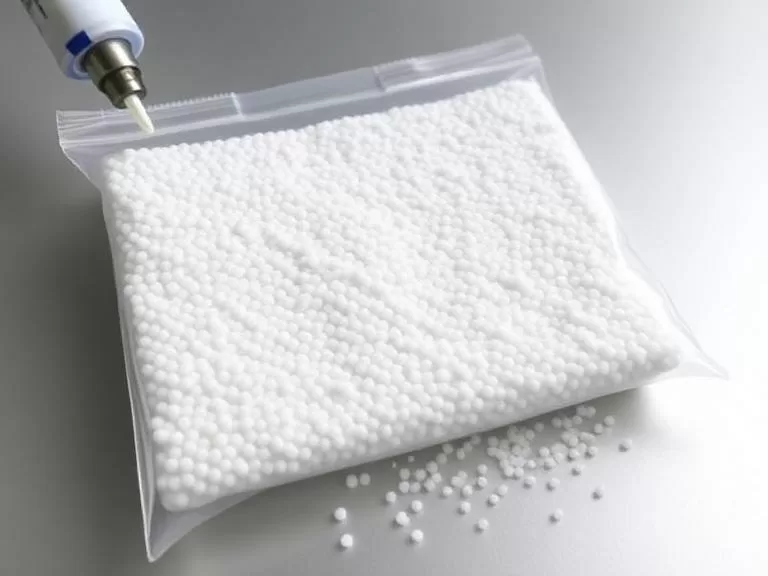
From our experience engineering advanced polymer solutions, we see countless manufacturers struggling with excessive cycle times, poor printability, and soaring resin costs simply because they misunderstand how to leverage calcium carbonate fillers. It is not merely a “cheap filler” to cut costs; it is an active performance modifier. In this uncompromising guide, we will break down exactly what PE Filler Masterbatch is, the chemistry behind how it works, and its five most profitable applications in the plastics industry today. We will provide commercial and practical judgment to help you decide whether integrating this material into your production lines is actually worth the investment.
Quick Answer: What You Need to Know
PE Filler Masterbatch is a highly concentrated compounding material consisting of fine Calcium Carbonate (CaCO3) powder blended into a Polyethylene (PE) carrier resin. It is primarily used to replace expensive virgin plastic resins, directly reducing raw material costs by up to 30%. Beyond cost savings, it actively improves the stiffness, opacity, and thermal conductivity of the final plastic product. In most professional situations, we recommend using PE Filler Masterbatch for blown film extrusion (shopping bags, trash bags), injection molding (crates, buckets), blow molding (bottles), pipe extrusion, and woven raffia sacks. However, it should never be used in applications requiring high transparency or extreme flexibility.
Table of Contents
- What is PE Filler Masterbatch?
- How It Works: The Chemistry of Calcium Carbonate
- The 5 Core Uses of PE Filler Masterbatch
- Commercial and Mechanical Benefits
- Limitations and Hidden Risks
- Comparison Table: PE Filler vs. Virgin PE
- Who Should Use It & Who Does Not Need It
- Common Manufacturing Mistakes
- Crucial Buying Considerations
- Pros and Cons Table
- Expert Recommendation
- Frequently Asked Questions (FAQ)
What is PE Filler Masterbatch?
To understand its value, you must first understand the fundamental formulation. If you are asking what is filler masterbatch, it is essentially a delivery system for inorganic minerals. The highest quality PE Filler Masterbatches consist of 70% to 85% ultra-fine micro-sized Calcium Carbonate (CaCO3) powder. This powder is surface-treated with stearic acid to ensure uniform dispersion, and then encapsulated within a linear low-density polyethylene (LLDPE) or high-density polyethylene (HDPE) carrier resin. It is extruded into standard-sized pellets that blend flawlessly with your virgin plastic pellets inside the hopper.
How It Works: The Chemistry of Calcium Carbonate
When you introduce PE Filler Masterbatch into your extruder or injection molding barrel, the polyethylene carrier melts at the same temperature as your base resin, releasing the calcium carbonate particles evenly throughout the polymer matrix. If you look at any standard masterbatch composition guide, you will see that calcium carbonate is not just taking up space.
Because CaCO3 is an inorganic mineral, it has a significantly higher thermal conductivity than organic plastic. How it works on the factory floor is simple: the mineral transfers heat faster than the plastic itself. During injection molding or film blowing, this allows the molten plastic to cool and solidify much faster. The result? Your cycle times decrease, and your production output increases dramatically. Furthermore, the rigid mineral particles restrict the shrinkage of the plastic as it cools, resulting in perfectly flat, dimensionally stable parts that do not warp.
The 5 Core Uses of PE Filler Masterbatch
1. Blown Film Extrusion (Shopping Bags and Trash Liners)
For commercial users in the packaging sector, blown film is the most dominant application. Manufacturers of T-shirt bags, grocery sacks, and heavy-duty garbage liners routinely load 15% to 35% PE Filler Masterbatch into their extruders. The calcium carbonate adds a matte, paper-like texture to the film, which drastically improves ink adhesion for printing logos. It also prevents the plastic layers from sticking together (anti-blocking). In our testing, adding the correct ratio of filler actually increases the tear resistance of the bag, making it a superior product for holding heavy, sharp waste.
2. Injection Molding (Household Goods and Industrial Parts)
If you are manufacturing plastic chairs, crates, buckets, or automotive components, shrinkage is your worst enemy. Injecting pure polyethylene into a complex mold often leads to sink marks and severe warpage as the plastic cools. By incorporating PE Filler Masterbatch, the calcium carbonate acts as a dimensional stabilizer. We recommend a dosage of 10% to 20% for injection molded parts to guarantee exact isotropic shrinkage, ensuring that every part ejected from the mold meets strict dimensional tolerances.
3. Blow Molding (Bottles, Jerry Cans, and Drums)
Heavy-duty applications, such as the production of industrial chemical drums and detergent bottles, require high environmental stress-crack resistance (ESCR) and vertical crush strength. Incorporating PE Filler Masterbatch into the blow molding process increases the rigidity of the bottle walls. This allows manufacturers to “lightweight” their bottles—using less overall plastic while maintaining the exact same structural integrity required for stacking pallets in a warehouse.
4. Pipe and Tube Extrusion
While pressure pipes (like domestic water lines) strictly regulate the use of fillers, non-pressure applications are a perfect match. Corrugated drainage pipes, agricultural irrigation tubing, and electrical conduit casings benefit massively from PE Filler Masterbatch. The filler increases the ring stiffness of the pipe, meaning it will not crush under the weight of buried soil. It also acts as an excellent extrusion aid, smoothing out the inner walls of the pipe to increase fluid flow rates.
5. Woven Sacks and Raffia (FIBC Bags)
In the production of polypropylene (PP) or high-density polyethylene (HDPE) woven sacks—such as those used for cement, rice, and fertilizers—the plastic must first be extruded into thin tapes before weaving. PE Filler Masterbatch prevents these tapes from splitting (fibrillation) under high tension. Furthermore, the microscopic texture provided by the calcium carbonate creates an anti-slip surface. When massive FIBC (Flexible Intermediate Bulk Container) bags are stacked in a warehouse, the added friction prevents the pallets from sliding and collapsing.
Commercial and Mechanical Benefits
The primary driver for adopting PE Filler Masterbatch is undeniable economics. Calcium carbonate is significantly cheaper than petroleum-derived polymers. By replacing 20% of your virgin resin with filler, you immediately realize massive raw material cost savings. But the benefits extend beyond the balance sheet. From our experience, the mechanical improvements are equally valuable. The inclusion of filler increases the opacity of the plastic, reducing the amount of expensive white titanium dioxide (TiO2) pigment required to achieve a solid white color. Furthermore, the enhanced thermal conductivity leads to reduced heating and cooling times, maximizing your factory’s daily throughput.
Limitations and Hidden Risks
We must use commercial and practical judgment: PE Filler Masterbatch is not a magic solution for every product. The most critical limitation is clarity. Because calcium carbonate is an opaque mineral, it completely destroys the transparency of plastics. You cannot use it to manufacture clear food wrap, cosmetic packaging, or greenhouse films. If your application requires high light transmission, you must look into specialized additives, perhaps exploring UV masterbatch uses and benefits instead. Additionally, overdosing the filler (e.g., adding over 40% in a blown film process) will catastrophically degrade the dart-drop impact strength and elongation of the plastic, causing it to become brittle and snap under load.
Comparison Table: PE Filler vs. Virgin PE vs. Talc Filler
| Property / Metric | 100% Virgin Polyethylene | Virgin PE + PE Filler Masterbatch (20%) | Virgin PE + Talc Filler Masterbatch (20%) |
|---|---|---|---|
| Material Cost | High (Subject to oil prices) | Low (Significantly reduced) | Medium (Talc is more expensive than CaCO3) |
| Transparency | High (Clear/Translucent) | Opaque (Milky white) | Opaque (Slightly grey/yellow) |
| Rigidity / Stiffness | Flexible | High Stiffness | Maximum Stiffness |
| Printability | Poor (Requires corona treatment) | Excellent (Matte, paper-like surface) | Good |
| Cooling Cycle Time | Standard | Fast (Due to high thermal conductivity) | Fast |
Who Should Use It & Who Does Not Need It
For commercial users and heavy-duty applications: If you are manufacturing garbage bags, agricultural mulch films, woven sacks, industrial drums, or injection-molded outdoor furniture, you should absolutely be using PE Filler Masterbatch. It will drastically improve your profit margins and stabilize your product dimensions.
Who does not need it: Manufacturers of medical-grade IV tubing, high-clarity stretch wrap, optical lenses, or premium cosmetic bottles must avoid standard fillers entirely. The loss of transparency and the risk of mineral migration disqualify it from these high-purity sectors.
Common Manufacturing Mistakes
In our testing and consulting with factories globally, the most common mistake is buying solely on price without verifying the mesh size of the calcium carbonate. Cheap filler masterbatches use coarse, poorly ground CaCO3 particles. When run through an extruder, these large, abrasive particles act like sandpaper against the steel extruder screw and barrel, causing catastrophic machine wear. Additionally, cheap fillers lack proper stearic acid surface treatment, leading to agglomeration (clumping) which creates weak spots and “fisheyes” in your blown films. Understanding the rigorous masterbatch production process is vital to knowing what you are actually buying.
Crucial Buying Considerations
When you go to market to procure this additive, you must evaluate the technical data sheet (TDS). First, ensure the Carrier Resin matches your base polymer. You should use a PE-based filler for Polyethylene products, and a PP-based filler for Polypropylene products to ensure perfect compatibility. Second, check the Melt Flow Index (MFI). The MFI of the masterbatch must align with your virgin resin to prevent viscosity mismatches in the barrel. Finally, evaluate the total cost of ownership. If you are researching the plastic masterbatch price per ton 2026, remember that paying a slightly higher premium for ultra-fine, double-coated CaCO3 will save you thousands of dollars in machine maintenance and rejected scrap.
Pros and Cons Table: PE Filler Masterbatch
| Pros | Cons |
|---|---|
| Massive reduction in raw material polymer costs. | Increases the overall density and weight of the final product. |
| Reduces cooling time, speeding up the production cycle. | Completely removes plastic transparency (makes it opaque). |
| Improves dimensional stability, reducing warpage in molds. | Overdosing severely weakens tensile and impact strength. |
| Provides a matte surface that drastically improves ink printing. | Low-quality, coarse fillers will cause severe wear on extruder screws. |
Expert Recommendation from Charming Masterbatch
In most professional situations, treating filler masterbatch as a generic commodity is a fatal operational error. You require a partner that understands rheology, dispersion, and your specific machine architecture. If you want to know how to color plastic permanently while reducing costs, you need superior additives.
Charming Masterbatch is well known in the China market, and exports to Europe, South America, Southeast Asia, the Middle East, and North Africa across about 18 countries and markets worldwide. As one of the premier color concentrate manufacturers, we do not just supply pellets. Not only products, Charming provides complete technical support service and individual development cooperation, which can help our customers solve practical problems and develop new projects with creative solutions.
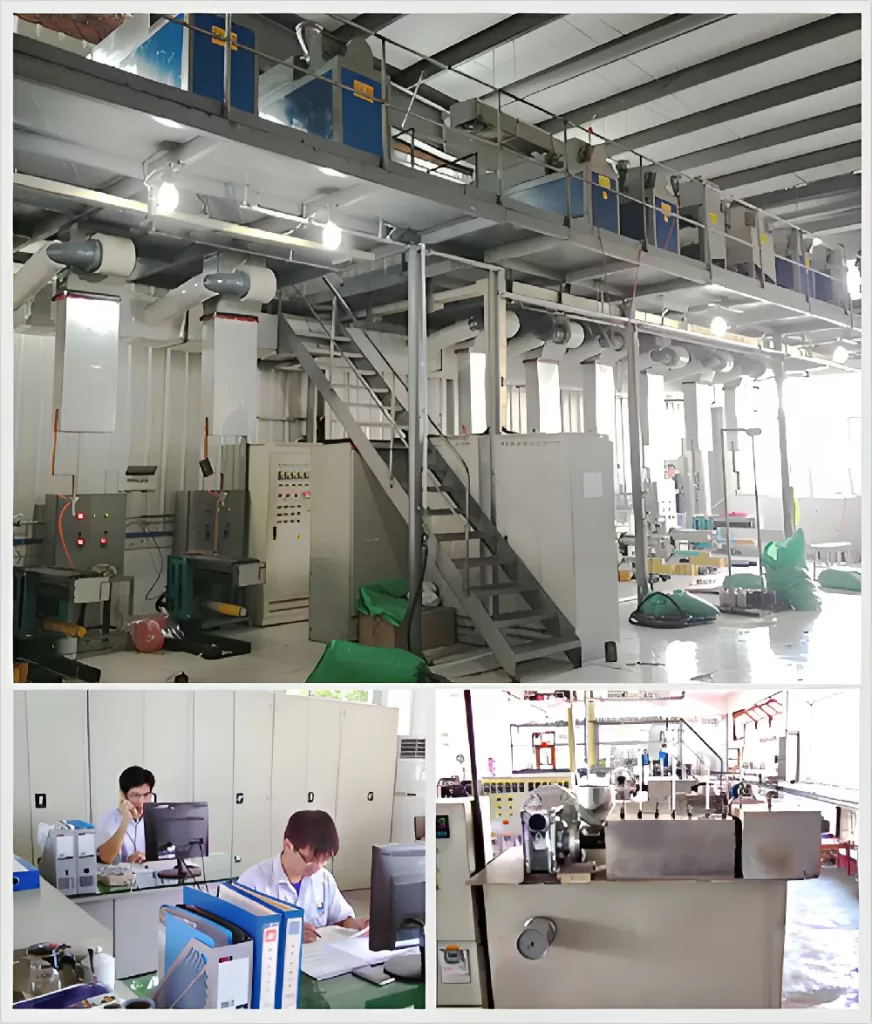
We engineer our PE Filler Masterbatches using ultra-fine, heavily coated calcium carbonate to guarantee flawless dispersion and zero machine wear. If you are looking to optimize your blown film lines or stabilize your injection molding cycles without sacrificing mechanical integrity, contact our engineering team today. We are not just a supplier; we are your technical partner in profitability.
Frequently Asked Questions (FAQ)
How much PE Filler Masterbatch can I add to blown film?
For standard blown film applications like grocery shopping bags and trash liners, the recommended safe dosage is typically between 15% and 30%. Exceeding 30% without specialized multi-layer extruders or ultra-premium metallocene resins will usually result in a catastrophic loss of dart-drop impact strength and elongation, causing the bags to tear under the weight of their contents.
Does PE Filler Masterbatch change the color of the plastic?
Yes, significantly. Calcium carbonate is naturally a bright, opaque white mineral. Adding PE Filler Masterbatch will instantly turn clear or translucent plastics into a milky, opaque white. This is highly beneficial if you intend to color the plastic white anyway, as it reduces the amount of expensive Titanium Dioxide (White Masterbatch) you need to purchase.
Will using filler masterbatch damage my extruder screw?
It will only cause damage if you buy low-quality, budget-tier masterbatch made with coarse, uncoated calcium carbonate. High-quality manufacturers use ultra-fine (micro-sized) CaCO3 particles that are heavily treated with stearic acid. This acid coating lubricates the mineral particles and ensures flawless dispersion, guaranteeing zero abrasive wear on your expensive steel extruder screws and barrels.
Authoritative References & Industry Standards
To ensure our manufacturing advice aligns with global engineering standards, we rely on data and guidelines from the following authoritative institutions:
- Plastics Industry Association (PLASTICS): The premier organization representing the plastics supply chain in the United States, providing standards on polymer compounding and machinery safety. Review Plastics Industry Standards
- ScienceDirect (Polymer Engineering & Science): Peer-reviewed academic journals detailing the rheological effects and thermal conductivity improvements of calcium carbonate nanoparticles in polyethylene matrices. Access Polymer Research
- British Plastics Federation (BPF): The leading trade association for the UK plastics industry, offering comprehensive technical guidance on masterbatch dispersion, injection molding cycle optimization, and sustainability. Explore BPF Technical Guides