
Choosing Plastic Raw Materials is the absolute foundation of polymer manufacturing. Purchasing managers who prioritize upfront resin costs over thermodynamic stability consistently bankrupt their production lines through catastrophic mold damage, massive scrap rates, and rejected shipments. In commercial extrusion and injection molding, plastic resins are not generic commodities; they are highly specific chemical compounds that dictate everything from machine cycle times to the structural survival of the final product. If you fail to evaluate the exact shear rates, shrinkage factors, and carrier resin compatibility of your materials, your manufacturing process will fail.
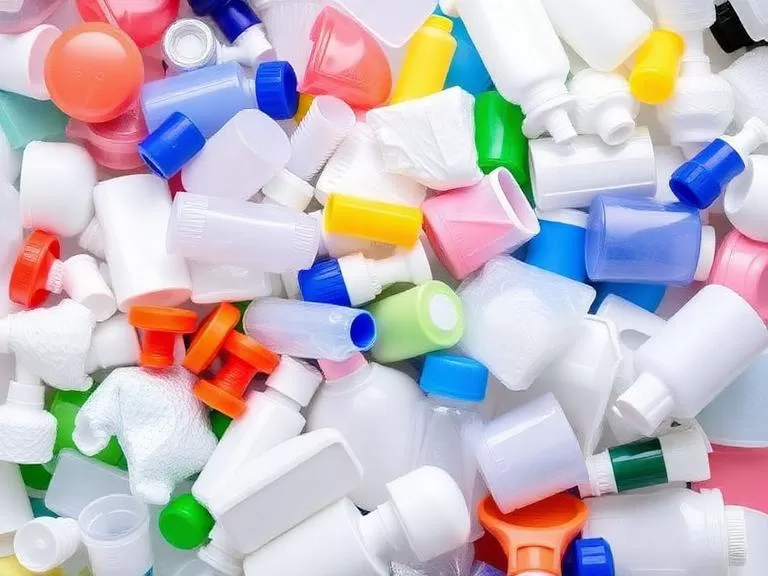
From our experience working with top-tier industrial fabricators at Charming Masterbatch, successful manufacturing requires a ruthlessly practical approach to material selection. You must treat your base polymers, color masterbatches, and functional additives as a single, interdependent chemical ecosystem. In this guide, we bypass the academic theory to deliver the uncompromising, real-world factors that dictate whether your production run will be profitable or disastrous.
Quick Answer: Choosing Plastic Raw Materials
To ensure commercial viability and structural integrity, Choosing Plastic Raw Materials requires auditing seven non-negotiable factors: 1) Melt Flow Index (MFI) to match your processing method; 2) Mechanical Properties (tensile strength, impact resistance); 3) Thermal Stability (Heat Deflection Temperature); 4) Chemical and Environmental Resistance (UV, moisture, solvents); 5) Masterbatch Compatibility (ensuring the carrier resin matches the base polymer); 6) Regulatory Compliance (FDA, RoHS, REACH); and 7) Total Cost of Ownership (balancing virgin resin costs against scrap rates and cycle times). Ignoring any of these metrics guarantees production failure.
Table of Contents
- What It Is: The Material Selection Process
- How It Works: Thermodynamics and Melt Flow
- The 7 Crucial Factors for Material Selection
- Benefits of Precise Material Selection
- Limitations and Roadblocks
- Who Should Apply Strict Selection Criteria
- Who Does Not Need It
- Common Mistakes in Polymer Selection
- Commercial Buying Considerations
- Expert Recommendation from Charming Masterbatch
- Summary and Comparison Tables
- Frequently Asked Questions
What It Is: The Material Selection Process
Choosing Plastic Raw Materials refers to the rigorous engineering process of specifying the exact base polymer (such as Polyethylene, Polypropylene, Polyvinyl Chloride, or Polycarbonate) alongside the necessary colorants and functional additives required to produce a finished plastic good. This is not simply picking a color from a catalog. It involves selecting resins that possess the precise molecular weight distribution needed for your specific manufacturing equipment.
In most professional situations, raw material consists of virgin or regrind base pellets mixed with highly concentrated masterbatches. Sourcing these components from the best plastic masterbatch manufacturers ensures that the colorants and UV stabilizers are uniformly dispersed within a carrier resin that flawlessly melts into your base material.
How It Works: Thermodynamics and Melt Flow
The core of polymer processing relies on heat and shear. When plastic raw materials enter the barrel of an injection molding machine or an extruder, a rotating screw generates intense friction (shear heat) while external heater bands bring the plastic to its specific melting point. If your chosen materials have vastly different melting temperatures, the masterbatch will burn before the base resin even begins to flow, resulting in black specks and severe color streaking.
Furthermore, the plastic must shrink predictably as it cools inside the mold. Semi-crystalline plastics (like PP and PE) shrink significantly more than amorphous plastics (like ABS or Polycarbonate). If you choose a material without calculating its volumetric shrinkage against your mold dimensions, your final parts will warp, bow, and fail tolerance inspections.
The 7 Crucial Factors for Material Selection
1. Melt Flow Index (MFI) and Processing Method
The Melt Flow Index dictates the viscosity of the molten plastic. For injection molding complex, thin-walled parts, you require a high MFI (a highly fluid melt) to ensure the plastic reaches the extremities of the mold before freezing. Conversely, for blow molding or profile extrusion, a low MFI is mandatory; if the plastic is too fluid, the extruded pipe or blown film will sag and collapse under its own weight.
2. Mechanical Properties
You must select raw materials based on the physical abuse the end product will endure. Evaluate the Tensile Strength (resistance to pulling), Impact Resistance (ability to survive drops without shattering), and Flexural Modulus (stiffness). A hard hat requires high impact resistance (often achieved with ABS or HDPE), while a living hinge on a bottle cap strictly requires the high fatigue resistance of Polypropylene (PP).
3. Thermal Stability
Operating temperature is non-negotiable. Look at the Heat Deflection Temperature (HDT) and Continuous Use Temperature (CUT). If you are manufacturing under-the-hood automotive components, standard polyethylene will melt. You must upgrade to engineering thermoplastics like Nylon (PA66) or evaluate what is PBT masterbatch to ensure the material can survive prolonged exposure to extreme engine heat.
4. Chemical and Environmental Resistance
Will the product be exposed to sunlight, saltwater, or industrial solvents? Standard ABS degrades and yellows rapidly under UV exposure. If manufacturing outdoor furniture, you must select UV-stabilized High-Density Polyethylene (HDPE) or Acrylonitrile Styrene Acrylate (ASA). For plumbing and chemical drainage, understanding what is PVC masterbatch and raw PVC resin is vital due to its unmatched resistance to corrosive acids and bases.
5. Masterbatch Compatibility and Let-Down Ratio
Choosing Plastic Raw Materials means choosing compatible carrier resins. If your base polymer is PET, your masterbatch carrier must also be PET or a highly compatible universal carrier. Using an incompatible carrier leads to delamination, peeling, and catastrophic mechanical failure of the molded part. Calculating the exact dosage is critical; we highly recommend reading our masterbatch percentage guide to avoid over-saturating your resin mix.
6. Regulatory Compliance
For medical devices, food packaging, and children’s toys, your material selection is dictated by law. You must source virgin resins and masterbatches that hold explicit FDA approval for food contact, REACH compliance in Europe, or RoHS certification for electronics. Using non-compliant, off-spec materials in these sectors will trigger massive legal liabilities and product recalls.
7. Total Cost of Ownership (Cost vs. Yield)
Base resin price per pound is a deceptive metric. A cheap, highly contaminated regrind resin might save you 10% upfront, but if it increases your scrap rate by 20% due to inconsistencies and clogs your hot runner systems, you are losing money. Commercial users must calculate the total cost, which includes cycle time efficiency, rejection rates, and machine wear and tear.
Benefits of Precise Material Selection
Executing a flawless material selection strategy drastically improves your overall equipment effectiveness (OEE). By matching your resin’s MFI to your machine’s capabilities, you minimize injection pressure, reduce energy consumption, and compress cycle times. Furthermore, utilizing high-dispersion pigments from plastic masterbatch suppliers worldwide ensures vibrant, consistent coloration across millions of units, elevating your brand’s perceived value and eliminating visual defect rejections.
Limitations and Roadblocks
The primary roadblock when Choosing Plastic Raw Materials is hygroscopy (moisture absorption). Engineering resins like Nylon, PET, and Polycarbonate greedily absorb moisture from the air. If you do not invest in expensive desiccant drying hoppers to remove this moisture prior to processing, the water will boil inside the barrel, causing splay, silver streaks, and severe hydrolytic degradation that destroys the plastic’s mechanical strength. You cannot bypass pre-drying for hygroscopic materials.
Who Should Apply Strict Selection Criteria
We recommend strict material auditing for heavy-duty applications including automotive manufacturing, aerospace components, medical device fabrication, and high-pressure pipe extrusion. If your product failure results in injury, chemical spills, or massive warranty claims, precision material selection is mandatory.
Who Does Not Need It
For beginners running desktop 3D printers with PLA filament, or hobbyists casting low-stress decorative items in silicone molds, deep thermodynamic analysis is unnecessary. Standard consumer-grade filaments and basic two-part casting resins are pre-formulated to be highly forgiving and do not require commercial-grade shear rate calculations.
Common Mistakes in Polymer Selection
In our testing, the most common mistake manufacturers make is failing to utilize a standardized plastic color chart with codes during the procurement phase. Attempting to match colors visually across different polymer bases (e.g., trying to make PP match ABS exactly) without understanding how base resin opacity alters pigment reflection leads to mismatched assembly parts.
Another fatal error is ignoring the thermal history of regrind material. Every time plastic is melted and re-processed, its polymer chains break down, lowering its mechanical strength. Blending more than 15-20% regrind into virgin material for load-bearing parts is a recipe for catastrophic field failure.
Commercial Buying Considerations
When you are ready to purchase, audit your suppliers ruthlessly. Do they provide complete Technical Data Sheets (TDS) and Material Safety Data Sheets (MSDS)? Will they provide lot-to-lot consistency guarantees? We advise partnering directly with primary manufacturers rather than secondary brokers to ensure unbroken traceability of your raw materials.
Summary and Comparison Tables
| Factor | Why It Matters | Primary Application Impact |
|---|---|---|
| Melt Flow Index (MFI) | Determines material viscosity under heat. | High MFI for Injection Molding; Low MFI for Extrusion. |
| Tensile & Impact Strength | Determines physical durability. | Prevents shattering under stress or load-bearing failure. |
| Thermal Stability | Resistance to heat deformation. | Crucial for automotive, electronics, and kitchenware. |
| Carrier Compatibility | Ensures colorant mixes with the base. | Prevents peeling, delamination, and mechanical weakness. |
| Material | Key Strengths | Common Weaknesses | Best Use Case |
|---|---|---|---|
| Polypropylene (PP) | High fatigue resistance, food safe. | Poor low-temperature impact strength. | Living hinges, food containers, automotive interiors. |
| Polycarbonate (PC) | Extreme impact resistance, optical clarity. | Highly prone to scratching, requires pre-drying. | Safety goggles, bulletproof glass, headlamp lenses. |
| PVC (Rigid) | Excellent chemical and flame resistance. | Difficult to process, toxic if burned. | Plumbing pipes, window profiles, medical tubing. |
| Material Type | Pros | Cons |
|---|---|---|
| Virgin Resin | Maximum mechanical strength; Flawless lot consistency; Clean color matching. | Highest cost per pound; Larger carbon footprint. |
| Regrind / Recycled Resin | Significantly lower material cost; Environmentally sustainable. | Degraded polymer chains (weaker parts); Prone to contamination and color shifts. |
Expert Recommendation from Charming Masterbatch

In the high-stakes world of polymer manufacturing, your end product is only as reliable as the raw materials and additives you feed into the hopper. You cannot out-engineer bad resin and poorly dispersed colorants.
With advanced twin screw machines from Germany and decades of experience in Masterbatch processing and pigment dispersion technology, Charming provides stable high quality color Masterbatch and creative functional Masterbatch solutions for our customers.
Charming Masterbatch is well known in the China market, and exports to Europe, South America, Southeast Asia, Middle East, North Africa etc., about 18 countries and markets worldwide.
Not only products, Charming provides complete technical support service and individual development cooperation, which can help our customers solve practical problems and develop new projects with creative solutions. We are so proud that we can share our experience and technology with customers and grow up together. Contact us today to secure the precise chemical formulations your production line demands.
Frequently Asked Questions
Why is my plastic part warping after it comes out of the mold?
Warping is primarily caused by differential shrinkage during the cooling phase. If you selected a semi-crystalline material like Polypropylene or High-Density Polyethylene (HDPE), it inherently possesses a high shrinkage rate. If mold temperatures are uneven or cooling times are too short, the internal stresses will force the part to warp. Choosing Plastic Raw Materials with lower shrinkage rates (like ABS) or adding glass-fiber reinforcement can resolve this.
Can I use any color masterbatch with any base plastic?
No. This is a critical engineering error. The carrier resin of the masterbatch must be chemically compatible with your base polymer. If you attempt to use a PE-carrier masterbatch in a Polycarbonate base, the materials will not mix thermodynamically. This incompatibility leads to severe delamination (peeling layers) and catastrophic structural failure of the molded part.
What does MFI mean and why is it important?
Melt Flow Index (MFI) measures how easily a plastic flows when melted under a specific weight and temperature. It is the most critical metric for machine operators. High MFI means the plastic is highly fluid, which is required for injection molding complex shapes. Low MFI means the melt is stiff and holds its shape, which is mandatory for pipe extrusion and blow molding.
Authoritative Industry Standards
To ensure engineering rigor and compliance with global manufacturing mandates, our material selection guidelines reference the structural testing protocols established by the following authorities:
- ASTM International – Defining standard test methods for the physical, mechanical, and thermal properties of unreinforced and reinforced plastics.
- International Organization for Standardization (ISO) – Governing global standards for plastics, including rheological properties and environmental testing.
- Plastics Industry Association (PLASTICS) – Providing comprehensive guidance on material safety, sustainability, and manufacturing best practices.