
Authored by Charming Masterbatch – With advanced twin screw machines from Germany and decades of experience in Masterbatch processing and pigment dispersion technology, Charming provides stable high quality color Masterbatch and creative functional Masterbatch solutions for our customers worldwide.
In the globalized manufacturing and logistics sectors, protecting ferrous and non-ferrous metals from corrosion during extended transit and storage is a multi-billion-dollar challenge. Variations in humidity, temperature, and atmospheric salinity can decimate untreated metal components before they ever reach the assembly line. To combat this, packaging engineers rely on sophisticated polymer technologies. If you are involved in industrial packaging, automotive parts supply, or aerospace logistics, understanding what a vci masterbatch is and how it functions is paramount to your operational success.
From our experience at Charming Masterbatch, many procurement specialists view packaging films merely as physical barriers against dust and moisture. We recommend shifting this perspective. By integrating a vci masterbatch into your blown film extrusion process, you transform standard polyethylene into an active, vapor-emitting shield that halts corrosion at the molecular level. In this comprehensive guide, we will dissect the chemical mechanics, manufacturing best practices, and economic advantages of utilizing premium vci masterbatch formulations in your 2026 supply chain.
Table of Contents
- What is VCI Masterbatch?
- Summary Table: VCI Masterbatch Properties
- The Chemical Mechanics: How VCI Masterbatch Works
- Formulation and Composition Expertise
- Extrusion Processing and Dispersion Technology
- Industrial Applications and Metal Compatibility
- Cost Analysis and Dosage Recommendations
- The Charming Masterbatch Advantage
- Frequently Asked Questions (FAQs)
- Industry References
What is VCI Masterbatch?
VCI stands for Volatile Corrosion Inhibitor (or Vapor Corrosion Inhibitor). A vci masterbatch is a highly concentrated pelletized additive used in the plastics manufacturing industry. It consists of active anti-corrosion chemical compounds uniformly dispersed within a carrier resin, typically low-density polyethylene (LDPE) or linear low-density polyethylene (LLDPE). When plastic manufacturers extrude films, bags, or molded parts, they blend a specific percentage of this vci masterbatch with their base polymer resins.
The resulting plastic product possesses the unique ability to release invisible, odorless, and non-toxic corrosion-inhibiting vapors into the enclosed airspace of the packaging. Unlike traditional rust prevention methods that require dipping metal parts in messy oils or thick greases, a vci masterbatch provides a clean, dry, and highly efficient protection mechanism. When the end-user opens the packaging, the metal parts are immediately ready for use, assembly, or painting, eliminating hazardous and costly cleaning processes.
Summary Table: VCI Masterbatch Properties
To assist packaging engineers and procurement managers, we have compiled a quick-reference table outlining the core properties and processing parameters of standard vci masterbatch formulations.
| Parameter | Specification / Recommendation |
|---|---|
| Carrier Resin | LDPE, LLDPE, or customized bases |
| Active VCI Content | Typically 15% to 30% by weight |
| Recommended Dosage | 2% to 6% depending on film thickness and storage duration |
| Target Film Thickness | 50 to 150 microns (2 to 6 mils) |
| Compatible Metals | Steel, Iron, Copper, Brass, Aluminum, Zinc alloys |
| Extrusion Temperature | 160°C to 190°C (Avoid exceeding 200°C to prevent VCI degradation) |
| Protection Duration | Up to 24-36 months (in a hermetically sealed environment) |
The Chemical Mechanics: How VCI Masterbatch Works
Understanding the effectiveness of a vci masterbatch requires a brief exploration of corrosion chemistry. Corrosion is an electrochemical process where metal reacts with moisture and oxygen to form metallic oxides (rust). The active ingredients in a vci masterbatch are designed to interrupt this electrochemical reaction.
Once the VCI-infused plastic film envelops the metal part, the active molecules begin to sublimate, transitioning from a solid state within the plastic matrix into a vapor. This vapor permeates the enclosed airspace, penetrating deep into blind holes, crevices, and hard-to-reach internal cavities of complex metal components. The VCI molecules are highly polar. They are magnetically drawn to the surface of the metal, where they condense to form a microscopic, monomolecular protective layer.
From our experience, this protective layer acts as an impenetrable barrier, passivating the metal surface. It repels moisture and prevents oxygen and other corrosive electrolytes from interacting with the metal substrate. If the packaging is briefly opened, the vapor barrier dissipates; however, upon resealing, the vci masterbatch will continuously replenish the vapor until its chemical payload is completely exhausted.
Formulation and Composition Expertise
The efficacy of a vci masterbatch is dictated entirely by its formulation. In the early days of VCI technology, nitrites and heavy metals were commonly used. However, anticipating the strict environmental and occupational health regulations of 2026, modern formulations must be amine-free, nitrite-free, and compliant with REACH and RoHS standards.
Today, a premium vci masterbatch utilizes advanced organic carboxylates and specialized salts that offer multi-metal protection without posing health risks to packaging operators. It is also crucial that the VCI additives do not negatively interact with the physical properties of the carrier film. To fully understand how these functional additives integrate with base polymers, we recommend reading our detailed masterbatch composition guide.
Furthermore, depending on the end-use application, the vci masterbatch can be engineered into different carrier resins. While polyethylene is standard for flexible packaging, protecting rigid components might require different base polymers. If you are exploring alternative structural plastics, reviewing resources like what is PVC masterbatch and what is PBT masterbatch can provide valuable context regarding specialized polymer compatibility.
Extrusion Processing and Dispersion Technology
Even the most chemically advanced vci masterbatch will fail if it is poorly processed. At Charming Masterbatch, we utilize advanced twin screw machines from Germany. This technology is critical because the shear forces generated by twin-screw extruders ensure flawless, homogenous dispersion of the VCI chemicals throughout the carrier resin. If dispersion is uneven, the resulting packaging film will have dead zones where no vapor is released, leaving localized areas of the metal vulnerable to flash rust.
When our clients process our vci masterbatch in their blown film lines, we recommend strict temperature control. VCI chemicals are volatile by nature; if the extruder barrel temperatures exceed 190°C to 200°C, the active ingredients may prematurely volatilize and escape into the factory atmosphere rather than remaining trapped within the polymer matrix. We provide complete technical support service and individual development cooperation to help our customers optimize their temperature profiles and screw speeds for maximum VCI retention.
Industrial Applications and Metal Compatibility
The versatility of a vci masterbatch makes it indispensable across multiple heavy industries. In the automotive sector, engine blocks, transmission gears, and stamped body panels are routinely shipped across oceans. A VCI-infused gusseted bag ensures these parts arrive at foreign assembly plants in pristine, factory-machined condition.
In the electronics and semiconductor sectors, micro-corrosion on copper contact pins can cause catastrophic circuit failures. Using a vci masterbatch formulated specifically for yellow metals (copper, brass, gold) provides critical passivation. Similarly, the aerospace and defense sectors rely on VCI films to mothball military hardware, ensuring weapons systems and aviation turbines remain functional after years of deep storage in uncontrolled climates.
Visual identification of these films is also standard practice. VCI films are traditionally tinted blue or yellow to differentiate them from standard packaging. To ensure consistency in brand and industry standards, manufacturers can reference our plastic color chart with codes to match their exact tint requirements while maintaining full VCI functionality.
Cost Analysis and Dosage Recommendations
Implementing a vci masterbatch into your packaging line introduces a marginal increase in raw material costs, but it generates an exponential return on investment. By eliminating the labor costs associated with applying and later scrubbing off heavy rust-preventative oils, facilities vastly increase their operational throughput.
From our experience, the standard addition rate for a high-concentration vci masterbatch is between 2% and 6%. The exact dosage depends on the thickness of the final film, the surface area of the metal being protected, and the expected duration of the logistical journey. For procurement officers seeking to forecast their 2026 material expenditures and understand the economic scaling of functional additives, we highly recommend consulting our guide on plastic masterbatch price per ton 2026.
The Charming Masterbatch Advantage
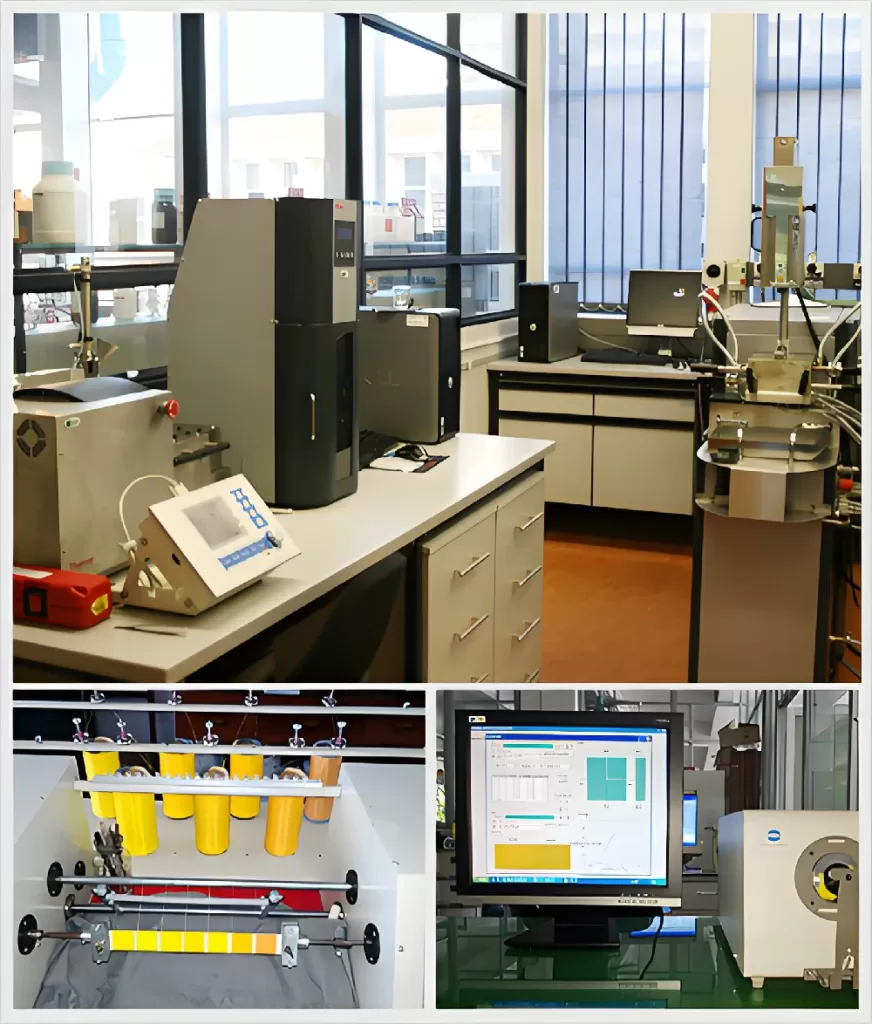
Charming Masterbatch is well known in the China market, and exports to Europe, South America, Southeast Asia, Middle East, North Africa, and roughly 18 countries and markets worldwide. We understand that global logistics require uncompromising reliability. Our vci masterbatch products are subjected to rigorous climatic chamber testing to simulate the extreme humidity of maritime shipping and the aggressive temperature fluctuations of transcontinental rail transport.
Not only products, Charming provides complete technical support service and individual development cooperation, which can help our customers solve practical problems and develop new projects with creative solutions. We are so proud that we can share our experience and technology with customers and grow up together. By choosing Charming, you are not just buying a polymer additive; you are securing a comprehensive corrosion management partnership.
Frequently Asked Questions (FAQs)
When used at the recommended let-down ratios (2% to 6%), a premium vci masterbatch does not negatively impact the tensile strength, elongation, or puncture resistance of the host LDPE or LLDPE film. The structural integrity remains equivalent to standard packaging films.
Yes. Modern vci masterbatch formulations that are free of nitrites and heavy metals are fully recyclable. VCI-infused polyethylene films can be processed through standard industrial plastic recycling streams alongside non-VCI LDPE materials.
From our experience, once the metal component is sealed inside the VCI packaging, the vapor begins to sublimate immediately. Depending on the volume of the enclosed space, it typically takes 12 to 24 hours for the vapor to reach full saturation and form the complete monomolecular protective layer on the metal surface.
VCI technology requires a semi-hermetically sealed environment to maintain vapor concentration. While a microscopic pinhole may not drastically affect short-term performance, large tears or open bags will allow the active vapor to escape into the atmosphere, leaving the metal exposed and vulnerable to corrosion.
Industry References
To ensure our clients have access to the most authoritative data regarding corrosion prevention and packaging standards, we recommend reviewing the testing methodologies and guidelines published by the following international organizations: