
In the highly competitive and technically demanding world of polymer processing, manufacturers are constantly seeking innovative methodologies to improve product performance while simultaneously optimizing production costs. At the forefront of this industrial balancing act is a specialized compound that has revolutionized plastic manufacturing. We are often asked by procurement managers and process engineers: what is calcium carbonate masterbatch, and how does it impact the final polymer matrix? As an industry-leading manufacturer, Charming Masterbatch is well known in the China market and exports to Europe, South America, Southeast Asia, the Middle East, North Africa, and about 18 countries worldwide. We have dedicated decades of experience to mastering pigment dispersion technology and functional compounding to provide you with the answers.
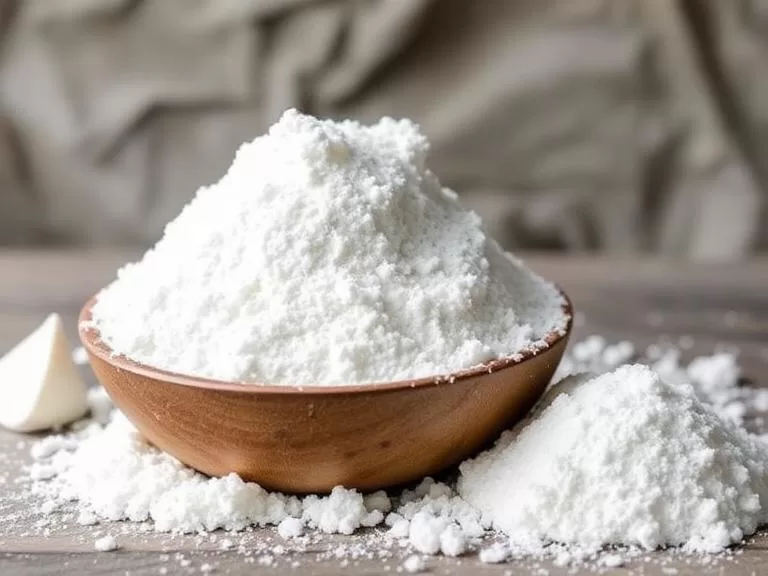
To fully understand what a calcium carbonate masterbatch is, one must look at the intersection of organic chemistry and mechanical engineering. By substituting a calculated percentage of virgin petrochemical resins with high-quality, micro-sized mineral fillers, manufacturers can achieve superior dimensional stability, enhanced thermal conductivity, and profound cost reductions. In this authoritative guide, we will explore the intricate composition, manufacturing processes, and strategic applications of calcium carbonate masterbatch across diverse industrial sectors.
Table of Contents
- Summary Table: Core Properties of Calcium Carbonate Masterbatch
- Understanding the Core: What is Calcium Carbonate Masterbatch?
- The Manufacturing Process: Precision and Dispersion
- Key Benefits of Using Calcium Carbonate Masterbatch
- Primary Industrial Applications
- Synergizing with Functional and Color Masterbatches
- The Charming Masterbatch Advantage: Partnering for Growth
- Frequently Asked Questions (FAQs)
- Industry References
Summary Table: Core Properties of Calcium Carbonate Masterbatch
| Property | Technical Description | Industrial Value |
|---|---|---|
| Composition | High-purity CaCO3 + Carrier Resin (PE/PP) + Coupling Agents. | Ensures seamless integration into existing polymer matrices without chemical degradation. |
| Thermal Conductivity | Higher thermal conductivity compared to virgin polyolefins. | Accelerates heating and cooling cycles during extrusion, increasing production throughput. |
| Mechanical Rigidity | Increases the flexural modulus and stiffness of the end product. | Prevents warping in rigid packaging and improves load-bearing capacities. |
| Cost Efficiency | Replaces a percentage of expensive petrochemical resins. | Significantly lowers raw material expenditures while maintaining or enhancing quality. |
| Printability | Creates micro-roughness on film surfaces. | Enhances ink adhesion for superior printing quality on flexible packaging. |
Understanding the Core: What is Calcium Carbonate Masterbatch?
Fundamentally, a calcium carbonate masterbatch (frequently referred to as a filler masterbatch) is a highly concentrated mixture of calcium carbonate (CaCO3) powder dispersed evenly within a specific polymer carrier resin, along with carefully selected dispersants and coupling agents. The purpose of this compound is to be added to raw polymer during the extrusion or injection molding process, acting as a volumizing agent and a mechanical property modifier.
From our experience, the secret to a high-performing calcium carbonate masterbatch lies in the quality of the raw materials and the precise particle size of the mineral. High-quality masterbatches utilize ultrafine calcium carbonate powders that have been surface-treated—often with stearic acid or similar organic coupling agents. This surface treatment alters the naturally hydrophilic (water-loving) surface of the calcium carbonate to become lipophilic (oil-loving), allowing it to bond seamlessly with hydrophobic polymer chains like polyethylene (PE) or polypropylene (PP).
The Manufacturing Process: Precision and Dispersion
Producing a premium calcium carbonate masterbatch is not merely a matter of mixing dust into plastic. It requires highly sophisticated thermodynamic and sheer-force engineering to prevent the microscopic mineral particles from agglomerating (clumping together). Poor dispersion leads to weak spots, tears in thin films, and frequent filter blockages in processing machinery.
At Charming Masterbatch, we believe that superior products originate from superior hardware. With advanced twin screw machines from Germany and decades of experience in Masterbatch processing and pigment dispersion technology, we ensure that every single particle of calcium carbonate is fully encapsulated by the carrier resin. The co-rotating twin-screw extruders apply immense dispersive and distributive mixing forces. The precise temperature profiles within the extruder barrel melt the carrier resin, while the screws knead the surface-treated calcium carbonate into the melt matrix. Finally, the homogenous mixture is extruded, cooled, and cut into uniform, dust-free pellets.
Key Benefits of Using Calcium Carbonate Masterbatch
We recommend integrating calcium carbonate masterbatch into your production lines not solely as a cost-cutting measure, but as a strategic performance enhancer. The benefits span across economic, mechanical, and environmental spectrums.
- Substantial Cost Reduction: Because calcium carbonate is a naturally abundant and highly economical mineral, using a calcium carbonate masterbatch to displace 10% to 40% of virgin polymer drastically reduces the overall raw material bill.
- Enhanced Production Efficiency: Calcium carbonate possesses a higher thermal conductivity than standard thermoplastics. This means the polymer melt heats up faster in the extruder barrel and cools down faster on the chilling rolls or molds. This accelerated thermodynamic cycle allows operators to increase line speeds and boost hourly output.
- Improved Dimensional Stability: Adding a rigid mineral filler reduces the overall shrinkage of the plastic part as it cools. This minimizes warpage in injection-molded components and provides excellent dimensional stability.
- Better Printability and Anti-Blocking: In film applications, the micro-particles of the calcium carbonate masterbatch create a slight surface roughness. This prevents layers of plastic film from sticking together (anti-blocking) and provides a superior textured surface for ink to adhere to during printing processes.
Primary Industrial Applications
The versatility of calcium carbonate masterbatch allows it to be utilized across a vast array of polymer processing methods. Charming Masterbatch categorizes its highly tailored solutions based on the specific demands of the end product.
Film / Plastic Applications
In the flexible packaging sector, blown film and cast film extrusion rely heavily on calcium carbonate masterbatch. It is extensively used in the production of shopping bags, garbage bags, heavy-duty industrial sacks, and agricultural films. From our experience, incorporating the correct dosage improves bubble stability during the blown film process. Furthermore, it acts as an excellent opacifier, reducing the amount of expensive titanium dioxide (white pigment) required to achieve a solid white color.
Fiber / Filament / BCF / Nonwoven Applications
The textile and nonwoven industries demand masterbatches with exceptionally fine dispersion. When manufacturing PP spunbond nonwovens (used in medical gowns, hygiene products, and geotextiles) or Bulk Continuous Filament (BCF) for carpets, even microscopic agglomerations can cause filament breakage or spinneret blockages. Our German-engineered twin screw extrusion process ensures that our calcium carbonate masterbatch delivers the ultra-fine dispersion required for these high-stress, high-velocity spinning applications, adding weight and improved tactile properties to the final fiber.
Synergizing with Functional and Color Masterbatches
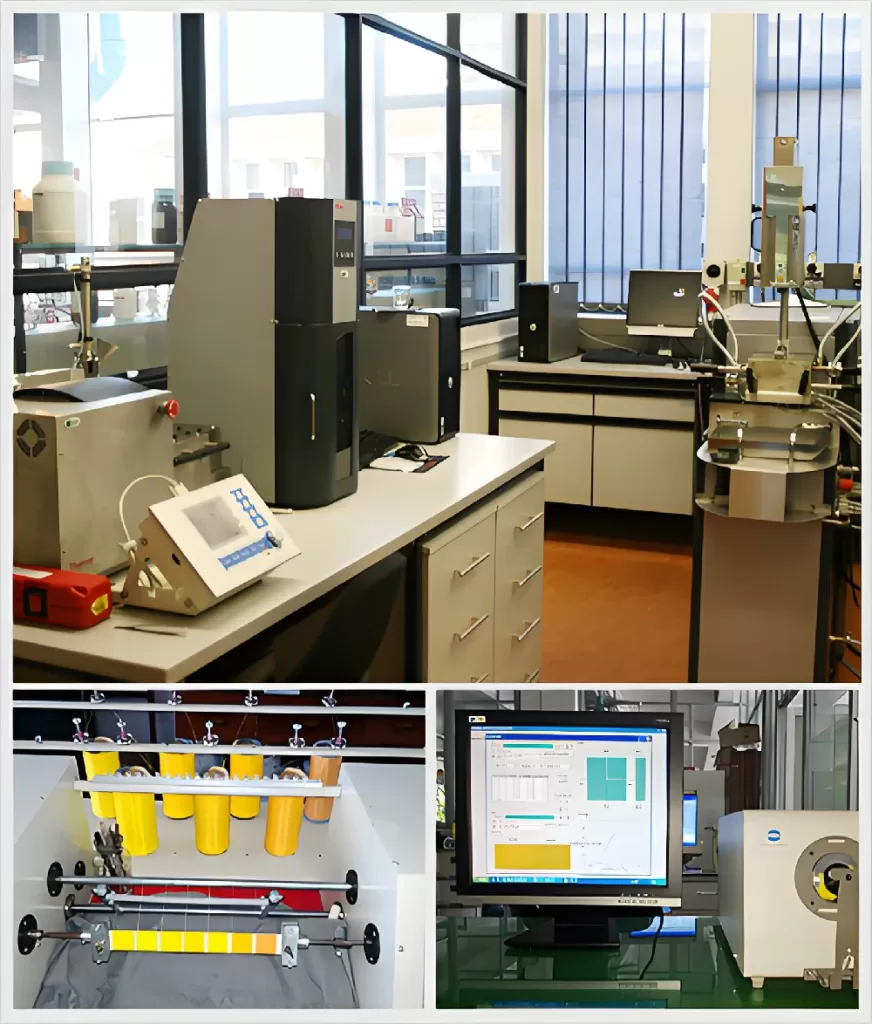
Modern plastic manufacturing rarely relies on a single additive. Calcium carbonate masterbatch serves as an excellent foundational base that synergizes flawlessly with other specialized compounds. Charming provides stable high-quality Color Masterbatch solutions that can be accurately matched and dosed alongside filler masterbatches to achieve vibrant, consistent branding.
Moreover, we offer an extensive portfolio of Functional Masterbatch products that elevate the technical specifications of your plastics. We recommend combining our calcium carbonate masterbatch with:
- Antimicrobial Masterbatch: Essential for hygiene products, medical plastics, and food packaging to prevent bacterial and fungal growth.
- Antistatic Masterbatch: Prevents the buildup of static electricity on film surfaces, crucial for electronic packaging and reducing dust attraction on consumer goods.
- Flame Retardant Masterbatch: Used in construction plastics and automotive components to meet strict fire safety regulations.
- UV Stabilizer Masterbatch: Protects outdoor agricultural films, woven sacks, and molded furniture from the degrading effects of ultraviolet solar radiation.
The Charming Masterbatch Advantage: Partnering for Growth
Not only products, Charming provides complete technical support service and individual development cooperation. We understand that every manufacturing facility operates with unique machinery, ambient conditions, and end-product specifications. A standard off-the-shelf calcium carbonate masterbatch may not always yield optimal results.
This is why our dedicated R&D team collaborates directly with your process engineers. We analyze your specific melt flow index requirements, tensile strength targets, and economic constraints to formulate a bespoke calcium carbonate masterbatch solution. We can help our customers solve practical problems and develop new projects with creative solutions. We are so proud that we can share our experience and technology with customers and grow up together, fostering long-term partnerships across the 18 countries we currently serve.
Frequently Asked Questions (FAQs)
What is the typical dosage or addition rate of calcium carbonate masterbatch?
From our experience, the addition rate varies heavily depending on the application. For thin blown films, the dosage typically ranges from 5% to 20%. For injection molding or heavy-duty extrusion, addition rates can safely range from 10% to 50% without compromising structural integrity, provided the correct coupling agents are utilized.
Does using calcium carbonate masterbatch affect the color of the final plastic product?
High-quality calcium carbonate masterbatch generally presents as a bright, opaque white. When added to natural or clear polymers, it will impart a milky white opacity. It can actually reduce your costs by acting as a partial substitute for white Color Masterbatch (Titanium Dioxide), though it is not a complete replacement for high-brightness requirements.
Why is dispersion so critical in masterbatch manufacturing?
If the calcium carbonate particles are not perfectly dispersed, they will clump together to form agglomerates. In film extrusion, these agglomerates cause ‘fish eyes’, tear the film bubble, and degrade the tear resistance of the plastic. Our advanced twin screw machines from Germany ensure maximum dispersion, eliminating these manufacturing defects.
Can calcium carbonate masterbatch be used in food-grade packaging?
Yes. Calcium carbonate is a naturally occurring, non-toxic mineral. When formulated with FDA-approved carrier resins and coupling agents, specific grades of our calcium carbonate masterbatch are completely safe for direct food contact applications.
Industry References
For further academic and technical insights into polymer engineering, filler dispersion technologies, and international plastics manufacturing standards, we recommend reviewing the following authoritative resources:
- Plastics Industry Association (PLASTICS) – Comprehensive data on polymer processing and material safety.
- Society of Plastics Engineers (SPE) – Academic research on masterbatch dispersion, rheology, and twin-screw extrusion mechanics.
- U.S. Food and Drug Administration (FDA) – Packaging & Food Contact Substances – Regulatory guidelines for fillers and additives in food-grade plastics.