
In the dynamic and highly demanding world of polymer processing and plastics manufacturing, achieving the perfect balance of physical, chemical, and aesthetic properties is paramount. Raw polymers rarely possess all the necessary characteristics required for modern end-use applications. This is precisely where the critical role of an additive masterbatch comes into play. An additive masterbatch is a solid or liquid additive for plastic used for imparting specific properties to the base polymer, or to color plastics. From our experience at Charming Masterbatch, leveraging the right additive masterbatch is the definitive factor that separates standard plastic products from high-performance, industry-leading materials.
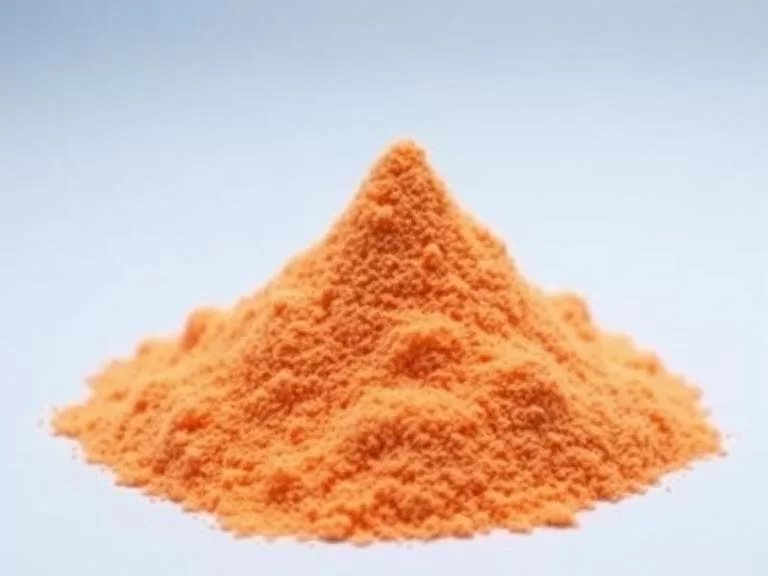
Charming Masterbatch is well known in the China market, and we proudly export to Europe, South America, Southeast Asia, the Middle East, North Africa, reaching about 18 countries and markets worldwide. With advanced twin screw machines from Germany and decades of experience in Masterbatch processing and pigment dispersion technology, Charming provides stable high quality color Masterbatch and creative functional Masterbatch solutions for our customers. In this comprehensive guide, we will provide a detailed introduction and uses of additive masterbatch, exploring how these specialized compounds revolutionize manufacturing processes across various sectors.
Table of Contents
- Summary Table: Types and Uses of Additive Masterbatch
- What is an Additive Masterbatch?
- The Core Functions and Uses of Additive Masterbatch
- Functional Masterbatch Solutions by Charming Masterbatch
- Industry Applications: From Fiber to Film
- Why Manufacturing Technology Matters
- Frequently Asked Questions (FAQs)
- Industry References
Summary Table: Types and Uses of Additive Masterbatch
To provide a clear and immediate overview of the diverse landscape of polymer modification, we have compiled a summary table detailing the primary categories of functional additive masterbatch and their direct industrial uses.
| Type of Additive Masterbatch | Primary Active Mechanism | Key Industrial Uses and Applications | Recommended Sectors |
|---|---|---|---|
| Antimicrobial | Inhibits the growth of bacteria, fungi, and microbes on polymer surfaces. | Medical devices, food packaging, sanitary fibers, and woven materials. | Healthcare, Food & Beverage, Textiles |
| Antistatic | Dissipates static electrical charges by increasing surface conductivity. | Electronic packaging, automotive interiors, and dust-repellent films. | Electronics, Automotive, Packaging |
| Flame Retardant | Interrupts the combustion process physically or chemically. | Construction materials, electrical housings, insulation, and carpets. | Construction, Electronics, Safety Gear |
| UV Stabilizer | Absorbs or scavenges harmful ultraviolet radiation to prevent degradation. | Agricultural films, outdoor furniture, synthetic turf, and automotive exteriors. | Agriculture, Outdoor Furnishings, Automotive |
What is an Additive Masterbatch?
At its core, an additive masterbatch is a highly concentrated mixture of active chemical ingredients and additives encapsulated into a carrier resin during a heating and extrusion process. The resulting compound is then cooled and cut into a granular shape. This pelletized form allows plastics manufacturers to easily feed the additive masterbatch into their own extrusion or molding machinery, where it blends seamlessly with the raw, unadulterated polymer base.
We recommend utilizing an additive masterbatch over raw powdered chemicals for several critical reasons. First, raw powders pose significant inhalation and explosion risks in a manufacturing environment. By encapsulating these powders into a pelletized additive masterbatch, workplace safety is drastically improved. Second, achieving uniform dispersion of functional chemicals throughout a polymer matrix is notoriously difficult. Our decades of experience in Masterbatch processing and pigment dispersion technology ensure that the active ingredients in our additive masterbatch are perfectly dispersed, preventing weak spots, color streaking, or functional failures in the final product.
The Core Functions and Uses of Additive Masterbatch
The uses of an additive masterbatch extend far beyond simple coloration. While our Color Masterbatch is celebrated for its vibrancy and stability, functional additive masterbatch formulations are the unseen heroes of the plastics world. They alter the fundamental behavior of the plastic. When our clients approach us with complex manufacturing challenges, the solution almost always involves a highly tailored additive masterbatch.
For instance, during high-speed extrusion processes, friction can cause severe processing bottlenecks. Specific formulations of additive masterbatch can act as internal or external lubricants, lowering the melt viscosity and allowing the machinery to run at higher speeds with less energy consumption. From our experience, integrating the correct additive masterbatch not only enhances the end-product’s performance but also optimizes the manufacturer’s operational efficiency, ultimately reducing overhead costs and waste.
Functional Masterbatch Solutions by Charming Masterbatch
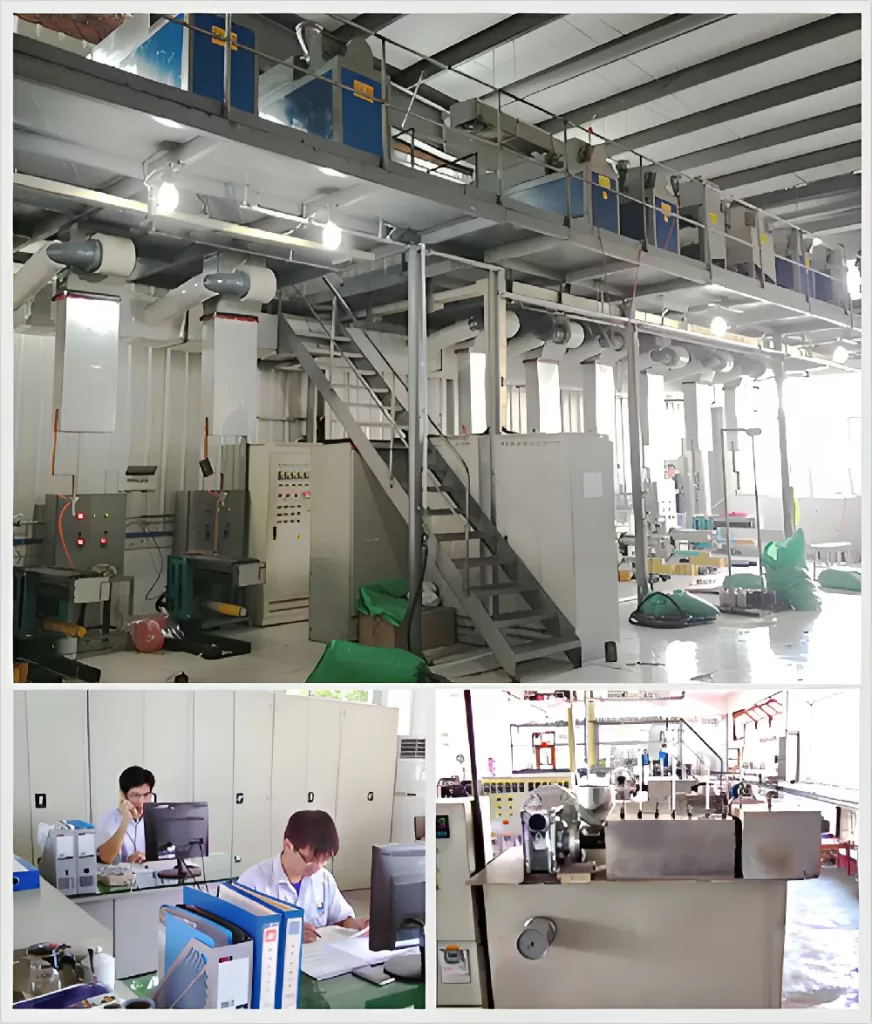
Charming provides stable high quality color Masterbatch and creative functional Masterbatch solutions designed to meet stringent international standards. Let us examine the specific categories of functional additive masterbatch that form the cornerstone of modern polymer engineering.
Antimicrobial Additive Masterbatch
In environments where hygiene is non-negotiable, an antimicrobial additive masterbatch is essential. This specialized compound releases active agents, such as silver ions, that penetrate the cell walls of microbes, disrupting their DNA and preventing reproduction. We recommend our Antimicrobial additive masterbatch for clients producing medical-grade plastics, food-contact packaging, and sanitary nonwoven fabrics. By integrating this additive masterbatch during the manufacturing phase, the antimicrobial properties become a permanent part of the plastic, rather than a surface coating that can wash or wear away.
Antistatic Additive Masterbatch
Plastics are inherent insulators, meaning they easily build up static electricity. This static charge can attract dust, cause thin films to cling together unmanageably, or worse, create a spark that damages sensitive electronic components. Our Antistatic additive masterbatch works by migrating to the surface of the polymer and interacting with atmospheric moisture to create a microscopic conductive layer. This safely dissipates the electrical charge. From our experience, integrating an antistatic additive masterbatch is mandatory for electronic packaging and high-speed film extrusion operations.
Flame Retardant Additive Masterbatch
Safety regulations in the construction, automotive, and consumer electronics sectors mandate strict fire resistance. Plastics are naturally highly flammable. To combat this, a Flame Retardant additive masterbatch is introduced into the polymer matrix. These complex formulations work through various mechanisms: some release water vapor to cool the flame, others form a protective char layer that deprives the fire of oxygen, and some interfere with the chemical radical reactions within the flame itself. Utilizing a precisely engineered flame retardant additive masterbatch ensures that your products meet or exceed global fire safety certifications.
UV Stabilizer Additive Masterbatch
When plastics are exposed to sunlight, ultraviolet radiation breaks down the polymer chains, leading to discoloration, brittleness, and structural failure. To preserve the integrity and aesthetics of outdoor products, a UV stabilizer additive masterbatch is critical. These masterbatches contain Hindered Amine Light Stabilizers (HALS) or UV absorbers that scavenge free radicals and dissipate UV energy as harmless low-level heat. We highly recommend our UV stabilizer additive masterbatch for agricultural films, stadium seating, automotive exterior parts, and outdoor textiles to ensure a dramatically extended product lifespan.
Industry Applications: From Fiber to Film
The versatility of an additive masterbatch means it must be meticulously formulated to suit the specific physical demands of the final application. Charming Masterbatch has developed specialized lines to cater to the most demanding sectors in the plastics industry.
Fiber / Filament / BCF / Nowoven
Spinning processes for synthetic fibers are incredibly delicate. If the additive masterbatch contains oversized agglomerates or poor dispersion, it will cause the microscopic spinnerets to clog, leading to filament breakage and massive production downtime. We engineer our additive masterbatch specifically for Fiber / Filament / BCF / Nowoven applications using our advanced twin screw machines from Germany. This ensures nano-level dispersion, allowing for flawless high-speed spinning of carpets, textiles, and nonwoven medical fabrics.
Film / Plastic Packaging
In the realm of Film / Plastic, optical clarity, thickness uniformity, and barrier properties are vital. An additive masterbatch used in blown or cast film extrusion must melt completely and homogeneously with the carrier resin. Whether you are adding an antistatic additive masterbatch to prevent cling in food wrapping, or a UV stabilizer additive masterbatch for agricultural greenhouse films, our formulations guarantee a smooth, defect-free finish without compromising the mechanical strength of the ultra-thin film.
Why Manufacturing Technology Matters
Not all additive masterbatch products are created equal. The quality of the final compound is intrinsically linked to the sophistication of the compounding machinery and the expertise of the engineers behind it. With advanced twin screw machines from Germany, Charming Masterbatch controls the shear rate, temperature profile, and residence time with absolute precision. This state-of-the-art equipment ensures that heat-sensitive active ingredients within the additive masterbatch are not degraded during compounding.
Furthermore, our commitment goes beyond merely supplying an additive masterbatch. Not only products, Charming provides complete technical support service and individual development cooperation, which can help our customers solve practical problems and develop new projects with creative solutions. Because we export to Europe, South America, Southeast Asia, the Middle East, North Africa etc. across about 18 countries, we understand the varied regulatory landscapes and environmental challenges our clients face globally. We are so proud that we can share our experience and technology with customers and grow up together.
Frequently Asked Questions (FAQs)
“`
“`
Industry References
1. International Organization for Standardization (ISO). (2025). “Plastics – Guidelines for the compounding and testing of functional additive masterbatch.” ISO 14855 Series.
2. The Journal of Polymer Processing and Engineering. (2024). “Advances in Twin-Screw Extrusion for Enhanced Dispersion in Additive Masterbatch Applications.”