
The Master batch price per ton in 2025 is a major concern for manufacturers in plastics, packaging, textiles, fibers, films, and industrial production. As global markets continue to shift, understanding the price structure, influencing factors, and quality differences is essential for making profitable decisions.

Table of Contents
- Introduction to Masterbatch Markets in 2025
- Factors Affecting Master Batch Price per Ton
- Types of Masterbatch and Price Differences
- 2025 Price Forecast and Market Trends
- Price Comparison Table (2025)
- About Charming Masterbatch
- Charming Masterbatch Product Line
- How to Get the Best Price per Ton
- FAQs
- References
Introduction to Masterbatch Markets in 2025
In 2025, the Master batch price per ton continues to fluctuate across global markets due to raw material costs, logistics, environmental regulations, and technological advancements. Masterbatch remains essential in plastics manufacturing, enabling color, stability, and enhanced functionality for a wide range of end-use products. As companies move toward higher-quality and eco-friendly materials, demand for innovative Masterbatch solutions continues to rise.
Key Factors Affecting Master Batch Price per Ton
The cost of Masterbatch is influenced by multiple global and technical factors. Understanding these factors allows manufacturers to optimize purchasing strategies and maintain better cost control.
1. Raw Material Prices
The most important cost component is the polymer carrier resin (PP, PE, PET, PA, EVA) and pigments/additives. Volatility in oil prices directly affects these materials, impacting the Master batch price per ton.
2. Pigment Quality and Color Strength
Higher-grade pigments—such as organic, ultra-high weather-resistant, or FDA/food-contact pigments—significantly increase the price per ton. Cheaper pigments reduce cost but may fail in applications requiring durability.
3. Additive Technology
Functional Masterbatch—UV stabilizer, flame retardant, antimicrobial, antistatic—requires advanced dispersion and high-performance materials, which increases cost but enhances product lifespan and value.
4. Production Equipment and Technology
Manufacturers using modern twin-screw extruders and advanced dispersion technologies produce better quality and consistency. This may raise price slightly but provides superior performance and reduced waste during processing.
5. Environmental Regulations
2025 brings stricter global restrictions regarding VOC emissions, microplastic pollution, and environmentally friendly formulations. These can raise the price due to compliance and material substitutions.
Types of Masterbatch and Their Price Differences
The Master batch price per ton varies by type, composition, and application. Below are the most common categories.
Color Masterbatch
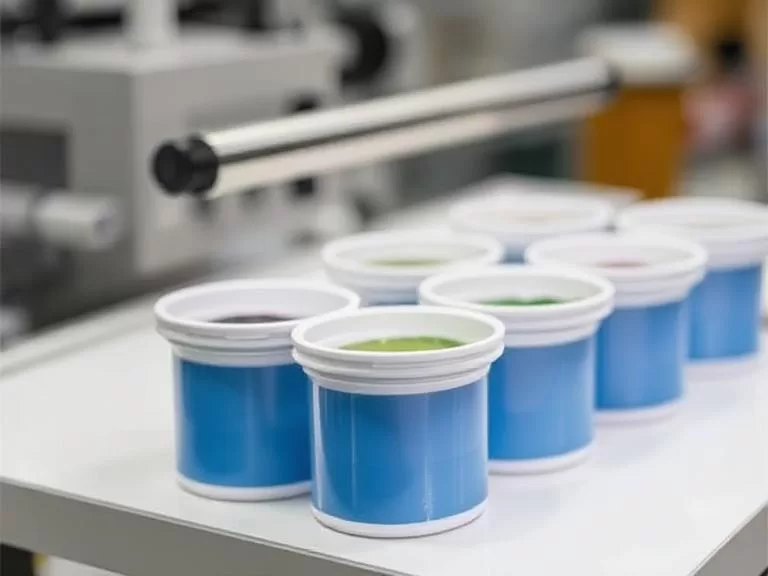
Used in films, blow molding, fibers, injection molding, and more. Price depends largely on pigment concentration and dispersion quality.
Functional Masterbatch
These types require precise formulation and higher-end raw materials.
Fiber / Filament Masterbatch
Designed for textiles, BCF, nonwovens, and industrial fibers. Requires excellent thermal stability and filtration performance.
Film & Plastic Masterbatch
Used in packaging films, bags, and multi-layer structures. Prices vary depending on food-grade compliance and dispersion performance.
2025 Price Forecast and Market Trends
The general forecast for the Master batch price per ton in 2025 indicates moderate increases due to energy costs and environmental compliance. However, advanced production technologies and large-scale manufacturing in Asia help stabilize global supply.
Key trends include:
- Growth of biodegradable and eco-friendly Masterbatch
- Higher demand for functional Masterbatch across industries
- Improved dispersion technology reducing production waste
- Growing export markets in Southeast Asia, Africa, and South America
2025 Price Comparison Table
| Masterbatch Type | Estimated Price per Ton (USD) | Price Influence Factors |
|---|---|---|
| Color Masterbatch | $1,800 – $3,500 | Pigment strength, carrier resin, color accuracy |
| Functional Masterbatch | $2,500 – $6,000 | Special additives, compliance, formulation complexity |
| Fiber / Filament Masterbatch | $2,200 – $4,000 | Thermal stability, filtration grade |
| Film / Plastic Masterbatch | $1,900 – $3,800 | Food contact approval, dispersion technology |
About Charming Masterbatch
Charming Masterbatch is a global leader supplying stable, high-quality Masterbatch solutions using advanced German twin-screw technology and more than a decade of experience in pigment dispersion and processing.
Charming exports to over 18 countries, including Europe, South America, Southeast Asia, the Middle East, and North Africa. The company provides full technical support and custom development, helping customers solve real production challenges and develop innovative projects.
With its dedication to quality, Charming is recognized as a reliable long-term partner for manufacturers seeking consistent performance and competitive pricing.
Charming Masterbatch Product Line
- Antimicrobial
- Antistatic
- Color Masterbatch
- Fiber / Filament / BCF / Nowoven
- Film / Plastic
- Flame Retardant
- Functional Masterbatch
- News
- PA6 base
- PA6 base
- PA6 base
- PA6 base
- PA6 base
- PE base
- PE base
- PE base
- PE base
- PET base
- PET base
- PET base
- PET base
- PET base
- PET base
- PP base
- PP base
- PP base
- PP base
- PP base
- PP base
- Products
- UV stabilizer
How to Get the Best Master Batch Price per Ton in 2025
1. Buy from a high-tech manufacturer
Manufacturers with advanced extrusion lines offer better dispersion, less waste, and more consistent quality—leading to long-term cost savings.
2. Purchase in volume
Larger orders reduce cost per ton and ensure consistent batch quality.
3. Request technical support
Charming Masterbatch provides customized solutions to reduce consumption rate and improve processing efficiency.
4. Consider functional upgrades
Although functional Masterbatch is more expensive, improved product durability reduces replacement costs and failures.
5. Compare global suppliers
Asian manufacturers continue to offer competitive pricing without compromising quality, especially when supported by advanced production equipment.
Frequently Asked Questions
1. What is the average Master batch price per ton in 2025?
Most prices range from $1,800 to over $6,000 depending on pigment grade, functional additives, and application.
2. Which type of Masterbatch is most expensive?
Functional Masterbatch (UV, flame retardant, antimicrobial) due to higher formulation complexity.
3. Why choose Charming Masterbatch?
Charming offers stable high dispersion quality, creative functional solutions, and advanced German twin-screw production technology.