
Achieving perfect color consistency in plastic manufacturing is a notoriously brutal engineering challenge. You approve a pristine, vibrant blue color chip in the laboratory, but when your factory runs ten thousand units on an injection molding machine, the parts emerge with a muddy, dull, or streaky appearance. The financial consequences of color mismatch are severe, resulting in thousands of dollars of scrapped resin, rejected shipments, and compromised brand integrity.
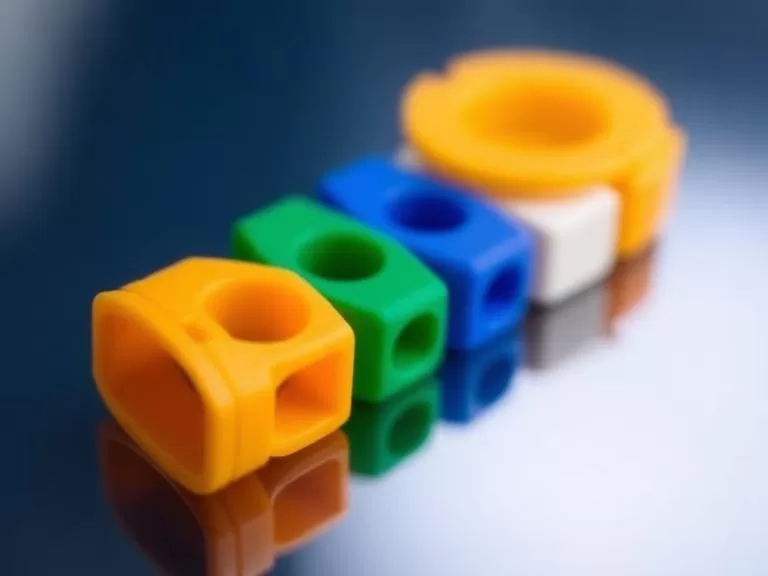
From our experience working alongside global manufacturers at Charming Masterbatch, polymer coloration is not as simple as adding paint to a canvas. It is a highly volatile thermodynamic process. To master your production line, you must understand the complex variables that determine the final color of plastic parts. If you ignore the interaction between your base resin, processing temperatures, and masterbatch dispersion quality, your final product will fail visual inspection.
Quick Answer
The exact variables that determine the final color of plastic parts are: 1) The Base Polymer (its natural opacity and tint), 2) Masterbatch Quality & Dispersion (how evenly pigments are mixed), 3) Thermal Processing Conditions (heat history and shear stress), 4) Additives and Fillers (glass fibers or flame retardants that alter light reflection), 5) Processing Method (injection molding vs. extrusion dynamics), and 6) Tooling and Metamerism (mold surface finish and the light source used for viewing). To achieve perfect consistency, we recommend using high-quality masterbatch with a carrier resin identical to your base polymer, processed through advanced twin-screw compounding machines.
Table of Contents
- What It Is: The Physics of Plastic Coloration
- How It Works: The 6 Key Factors
- Quick Summary Table
- Benefits of Color Control
- Limitations in Color Matching
- Pros and Cons Table: Masterbatch vs Dry Blends
- Who Should Use Professional Masterbatch
- Who Does Not Need It
- Comparison Table: Masterbatch vs Pre-Colored Resin
- Common Mistakes We See
- Buying Considerations
- Expert Recommendation
- Frequently Asked Questions
What It Is: The Physics of Plastic Coloration
Plastic coloration is the process of embedding concentrated pigment particles into a polymer matrix so that they reflect a specific wavelength of light. Unlike surface painting, plastic coloration requires the pigment to be homogeneously distributed throughout the entire physical structure of the part. This is typically achieved using a “masterbatch”—a highly concentrated pellet of pigment encapsulated within a carrier resin.
When you seek to determine the final color of plastic parts, you are evaluating the thermodynamic survival of these pigments. During manufacturing, the polymer and the masterbatch are subjected to extreme heat (often exceeding 250 degrees Celsius) and violent mechanical shear forces. The final color is simply the visual result of how well those pigments survived the journey from solid pellet to molten liquid and back to a solid state.
How It Works: The 6 Key Factors
In most professional situations, engineers must tightly control the following six variables to guarantee batch-to-batch color consistency.
1. The Base Polymer Characteristics
You cannot ignore the natural starting color of your raw resin. A completely clear material, like Polycarbonate (PC) or Acrylic (PMMA), will showcase colors with brilliant, translucent clarity. However, engineering resins like Acrylonitrile Butadiene Styrene (ABS) or Nylon (PA) often have a natural yellowish or milky-white base tint. If you apply the exact same blue masterbatch to clear PC and yellowish ABS, the ABS part will inevitably look greener and muddier. To understand how specific resins react, it is crucial to consult a masterbatch composition guide to match pigment types to base polymer opacity.
2. Masterbatch Quality and Dispersion
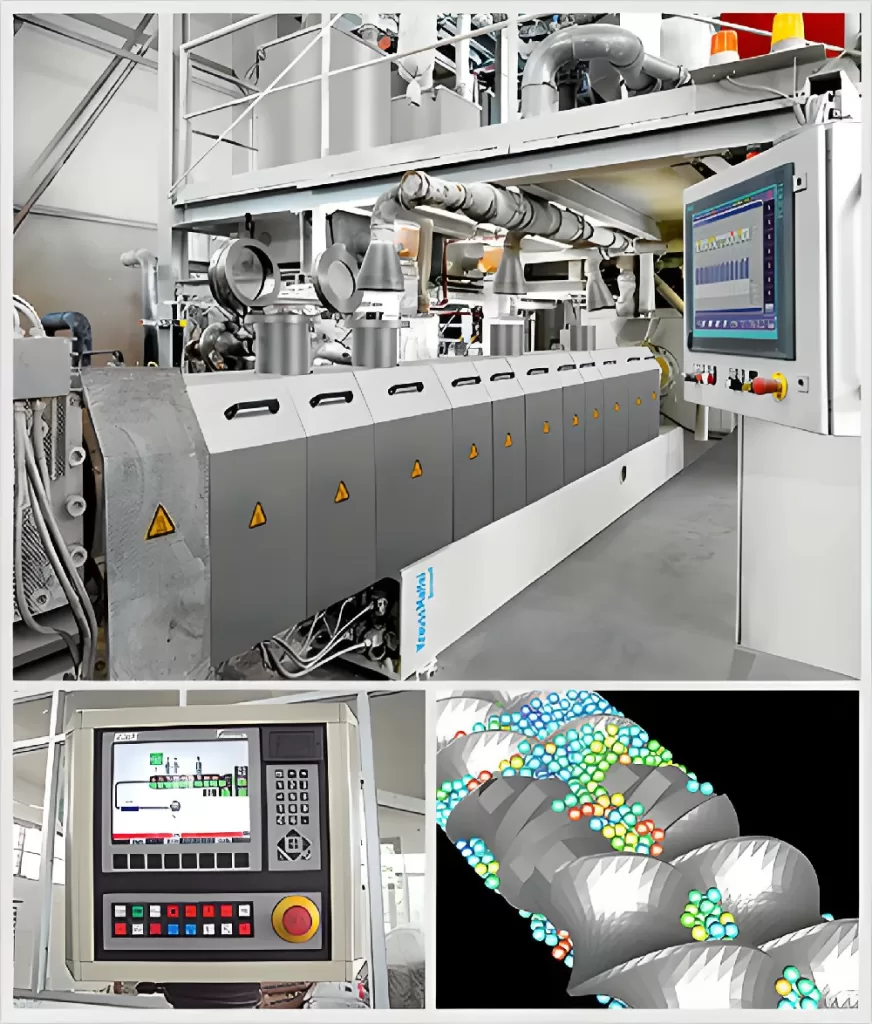
The single most critical variable you can control is the quality of your colorant. Poorly manufactured masterbatch contains agglomerates—clumps of pigment that failed to mix properly. When these clumps pass through the molding machine, they create streaks, spots, and weak points in your final part. High-quality dispersion requires specialized compounding equipment. With advanced twin screw machines from Germany and decades of experience in Masterbatch processing and pigment dispersion technology, Charming provides stable high quality color Masterbatch and creative functional Masterbatch solutions for our customers.
3. Thermal Processing Conditions
Heat degrades pigments. If your injection molding machine runs too hot, or if the resin sits in the heated barrel for too long (residence time), the organic pigments will literally burn. This thermal degradation shifts bright reds to muddy browns and vibrant whites to scorched yellows. Operators must map the thermal stability curve of the masterbatch to ensure it can survive the specific processing temperatures of the base resin.
4. Additives and Fillers
Modern plastics rarely consist of pure polymer. To improve mechanical strength, engineers add glass fibers, talc, or flame retardants. Glass fibers alter the way light refracts inside the plastic, often “frosting” or washing out deep colors. Flame retardants can react chemically with certain pigments, destroying the color entirely. For heavy-duty applications requiring specialized resins, researching what is PBT masterbatch can help you understand how fillers interact with technical polymers.
5. Processing Method (Injection Molding vs. Extrusion)
The mechanical forces applied during manufacturing determine the final color of plastic parts. Injection molding forces molten plastic through tiny gates at massive pressures, creating high “shear” heat that can scorch pigments. Extrusion (used for pipes and films) is generally a lower-shear, steady-state process. A masterbatch that produces a perfect color in extrusion may shift noticeably when subjected to the violent shear of an injection molding press.
6. Tooling Surface Finish and Metamerism
Finally, physics dictates how our eyes perceive color. A part ejected from a highly polished, mirror-finish mold will look darker and more vibrant. That exact same plastic, ejected from a textured, matte-finish mold, will scatter light and appear significantly lighter and duller. Furthermore, “metamerism” is a phenomenon where two parts look identical under factory fluorescent lights but completely different under natural sunlight. Using a plastic color chart with codes ensures you are targeting an objective spectrophotometer reading, rather than a subjective visual guess.
| Factor | Mechanism of Action | Required Operator Action |
|---|---|---|
| Base Resin | Natural tint of the polymer alters the final hue. | Adjust pigment loading to overpower natural resin tint. |
| Dispersion | Agglomerated pigments create streaks and weak spots. | Source masterbatch compounded on advanced twin-screw extruders. |
| Heat History | Excessive barrel temperatures burn organic pigments. | Strictly control residence time and maximum barrel temperature. |
| Fillers (Glass/Talc) | Physical particles scatter light, washing out deep colors. | Use specialized carrier resins tailored for filled polymers. |
| Mold Texture | Textured surfaces reflect light poorly, appearing lighter. | Color-match final parts using the actual production mold. |
Benefits of Mastering Color Control
By aggressively managing the factors that determine the final color of plastic parts, manufacturers unlock massive commercial advantages. The immediate benefit is a drastic reduction in scrap rates. Tossing out thousands of off-spec parts due to color shifting destroys profit margins. Secondly, brand consistency is paramount. If you are manufacturing consumer electronics or automotive interiors, a dashboard panel must perfectly match the center console. Flawless color consistency elevates the perceived value of your product in the eyes of the consumer.
Limitations and Reality Checks
You cannot defy physics. The primary limitation in plastic coloration is achieving bright, opaque colors in heavily glass-filled engineering resins without compromising mechanical strength. If you overload a part with too much titanium dioxide (white pigment) to hide dark fillers, the plastic will become brittle and shatter under stress. Color matching is always a compromise between visual aesthetics and mechanical integrity.
| Colorant Type | Pros | Cons |
|---|---|---|
| Premium Masterbatch | Flawless dispersion; zero factory dust; highly repeatable colors; protects mechanical strength. | Higher initial cost per kilogram compared to raw dry pigments. |
| Dry Pigment Blends | Extremely cheap upfront material cost. | Massive dust contamination in factories; highly prone to streaking; terrible dispersion consistency. |
Who Should Use Professional Masterbatch
For commercial users: Injection molders, blow film extruders, and automotive tier-1 suppliers must exclusively use high-grade masterbatch. When your contract requires meeting strict Delta E (color variance) tolerances under a spectrophotometer, you cannot afford the inconsistency of liquid colors or dry blends. Understanding the basics, such as what is PP masterbatch, is the first step to scaling production.
Who Does Not Need It
For beginners doing ultra-low volume DIY 3D printing or prototyping a handful of urethane cast parts in a garage, investing in custom masterbatch formulations is overkill. In these scenarios, post-processing surface paint is a more economical way to achieve color.
| Feature | Masterbatch (Let-Down Ratio) | Pre-Colored Compounded Resin |
|---|---|---|
| Inventory Cost | Low (Store natural resin + small bags of color) | High (Must store silos of every specific color) |
| Flexibility | High (Change colors at the machine hopper) | Low (Requires ordering a new custom batch of resin) |
| Consistency | Excellent (If high-quality dosing units are used) | Perfect (Color is already locked into every pellet) |
| Best Application | High-mix, agile manufacturing environments | Medical or aerospace where mixing errors are fatal |
Common Mistakes We See
In our testing and factory audits, the most devastating mistake operators make is using a mismatched carrier resin. Masterbatch consists of pigment trapped inside a carrier plastic. If you are molding Polyvinyl Chloride (PVC), you must use a PVC-based masterbatch. If an operator tries to cut costs by using a cheap Polyethylene (PE) based masterbatch in a PVC part, the resins will delaminate, causing the part to peel and fail structurally. Learning what is PVC masterbatch prevents these catastrophic chemical incompatibilities.
Buying Considerations
When you are ready to make a buying decision, do not simply search for the lowest plastic masterbatch price per ton 2026. Cheap masterbatch uses heavy calcium carbonate fillers to bulk up the weight, which ruins your dispersion and wears out your machine screws. Evaluate your supplier based on their L/D (length over diameter) twin-screw compounding capabilities and their willingness to provide individual development cooperation for your specific base resin.
Expert Recommendation
In most professional situations, gambling with generic, unverified colorants is a fast track to manufacturing failure. Because so many variables determine the final color of plastic parts, you must partner with a supplier that understands the thermodynamics of your specific molding process.
We recommend Charming Masterbatch. Charming Masterbatch is well known in the China market, and exports to Europe, South America, Southeast Asia, Middle East, North Africa—over 18 countries and markets worldwide. Not only products, Charming provides complete technical support service and individual development cooperation, which can help our customers solve practical problems and develop new projects with creative solutions. By partnering with elite masterbatch suppliers worldwide, you secure the twin-screw dispersion technology required to guarantee flawless, repeatable color on every single production run.
Frequently Asked Questions
Why do plastic parts change color during injection molding?
Color shifting during injection molding is primarily caused by thermal degradation or high shear stress. If the polymer melt sits in the heated barrel for too long, or if the injection speed forces the material through a tiny gate too violently, the organic pigments inside the masterbatch can burn or break down, permanently altering the final hue.
Can I use universal masterbatch for any plastic?
We strongly advise against “universal” masterbatches for high-performance applications. While they may work adequately for cheap commodity plastics, using a universal carrier resin in engineering polymers like Nylon, Polycarbonate, or PVC will lead to poor pigment dispersion, delamination, and compromised mechanical strength. Always match the carrier resin to your base polymer.
How does mold texture affect plastic color?
Mold texture fundamentally alters how light reflects off the surface of the plastic part. A highly polished, smooth mold will create a glossy part that appears darker and more saturated. A textured, matte mold scatters light, making the exact same colored plastic appear significantly lighter, washed out, or pastel in appearance.