
Every plant manager, injection molding technician, and extrusion supervisor knows the stomach-dropping feeling of inspecting the production floor on a hot, humid Monday morning. The molding line was running cleanly on Friday afternoon, but over the weekend, the warehouse relative humidity spiked past 80%. Suddenly, your parts are exiting the molds covered in white splash streaks, blistered bubbles, severe splay marks, and internal micro-voids. In high-volume plastics processing, unmanaged moisture is a silent profit killer. It triggers catastrophic scrap rates, damages expensive mold tooling through corrosive outgassing, and causes structural brittleness that results in field recalls. Too many plant operators treat moisture as a simple nuisance to be solved by cranking up the temperature on an aging hopper dryer. That is an expensive mistake. Moisture in polymer processing behaves according to strict laws of thermodynamics and organic chemistry. Water does not simply boil into benign vapor inside a heated barrel; it expands exponentially into high-pressure steam, disrupts melt viscosity, and initiates irreversible hydrolytic chain scission that destroys mechanical tensile strength. Knowing how to systematically prevent moisture-related defects in plastic manufacturing is the dividing line between an unprofitable molding shop bleeding scrap and an optimized, high-yield manufacturing plant. As polymer compounding engineers and masterbatch specialists who calibrate twin-screw extrusion barrels, monitor moisture absorption rates, and formulate active moisture-scavenging additives daily at Charming Masterbatch, we break down the nine proven industrial methods to prevent moisture-related defects in plastic manufacturing once and for all.
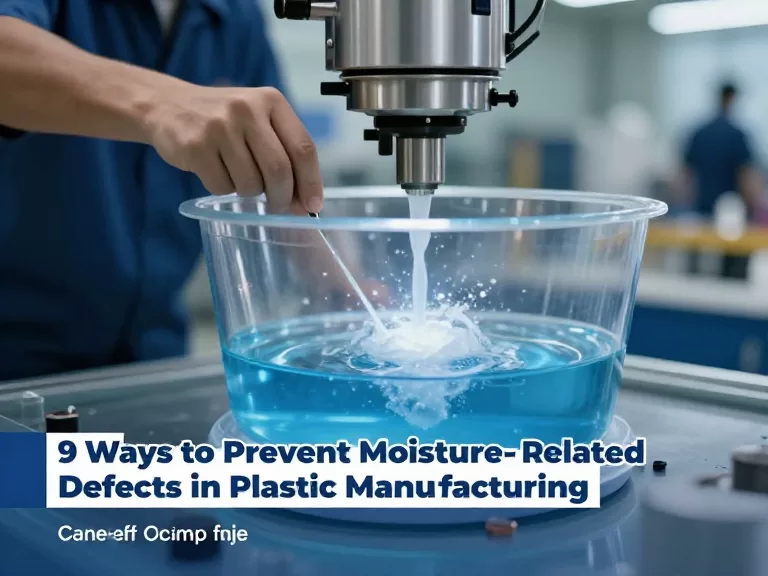
Quick Answer: How to Prevent Moisture-Related Defects in Plastic Manufacturing
To definitively prevent moisture-related defects in plastic manufacturing, plant managers must deploy a dual physical and chemical defense strategy: (1) Integrate Functional Calcium Oxide (CaO) Desiccant Masterbatch (the fastest, zero-CapEx solution to chemically neutralize moisture directly inside the barrel, especially for recycled PE/PP and high-humidity film lines); (2) Calibrate Dehumidifying Dryers to a -40°C Dew Point (mandatory for hygroscopic polymers like PA, PET, PBT, and PC where simple hot-air dryers fail); (3) Enforce Strict Warehouse Acclimatization Rules (preventing ambient condensation on cold pellets brought into warm production suites); (4) Utilize Continuous Vacuum-Vented Extruder Barrels to extract flashed volatiles; (5) Seal Material Gaylords with Hermetic Aluminum Barrier Liners; (6) Audit and Eliminate Fines from Post-Consumer Regrind; (7) Deploy In-Line Loss-on-Drying or Karl Fischer Moisture Analyzers; (8) Prevent Chilled Mold Cavity Sweating by controlling cleanroom dew points; and (9) Verify Masterbatch Carrier Resin Compatibility to stop additive carriers from introducing moisture. For operations running recycled plastics, films, and heavy sheet profiles, incorporating active desiccant masterbatch from Charming Masterbatch completely eliminates pre-drying bottlenecks while driving scrap rates below 0.5%.
Article Directory
- The Chemistry of Moisture: Surface Condensation vs. Hydrolytic Scission
- Quick Summary Table: 9 Methods to Prevent Moisture Defects
- The 9 Proven Ways to Prevent Moisture-Related Defects in Plastic Manufacturing
- Manufacturer Spotlight: Charming Masterbatch Functional Desiccant Solutions
- Direct Technical Comparison: Desiccant Masterbatch vs. Dehumidifying Dryers vs. Vented Barrels
- Pros and Cons Table: Active Chemical Desiccants vs. Mechanical Pre-Drying
- Commercial Economics: Energy Costs of Over-Drying vs. Additive Scavenging
- Who Must Overhaul Their Moisture Strategy vs. Who Can Run Standard Setups
- Costly Factory Floor Mistakes That Compromise Moisture Control
- Essential Sourcing Checklist: Auditing Desiccant Masterbatch & Drying Hardware
- Expert Plastics Engineer’s Final Sourcing Verdict & Quality Roadmap
- Frequently Asked Questions
- Authoritative References & Polymer Standards
The Chemistry of Moisture: Surface Condensation vs. Hydrolytic Scission
To effectively prevent moisture-related defects in plastic manufacturing, processing engineers must distinguish between the two distinct physical ways water interacts with polymers. Treating all plastics as identical sponges leads to severe process failure.
Polymers are fundamentally categorized into two chemical groups:
- Non-Hygroscopic Polymers (PE, PP, PS, PVC): These polyolefin and vinyl chains are non-polar. Water molecules cannot penetrate the dense, crystalline matrix of the plastic pellet. Water can only reside on the exterior surface of the pellet as ambient condensation. When processed in an injection molding machine or extruder without drying, this surface water flashes into steam at 100°C. Inside a 220°C barrel, the trapped steam produces micro-bubbles, cosmetic splash marks (splay), and pinholes. However, the polymer backbone itself remains chemically intact.
- Hygroscopic Polymers (PA6, PA66, PET, PBT, PC, TPU, PMMA): These engineering resins contain polar functional groups (such as ester, amide, or carbonate linkages) that chemically attract and bond with water molecules from the surrounding atmosphere. Water is drawn deep into the molecular core of the pellet. When these resins are heated inside an injection cylinder, the water does not merely turn to steam; it triggers hydrolysis (hydrolytic degradation). High-temperature water molecules chemically attack the polymer chain, severing covalent ester or amide bonds. This drops the polymer’s molecular weight, destroys melt viscosity (causing severe drooling at the nozzle), and reduces final part impact strength by up to 50%. The molded part may look cosmetically acceptable, but it will shatter like glass under real-world mechanical stress.
In our testing, relying on standard hot-air hopper dryers for hygroscopic resins is an operational disaster. Ambient air simply circulates moisture back into the material bed. To truly prevent moisture-related defects in plastic manufacturing, processors must tailor their drying and compounding systems to the exact molecular mechanics of their polymer feed.
Quick Summary Table: 9 Methods to Prevent Moisture Defects
| Method / Strategy | Primary Mechanism | Target Resin Scope | Capital Expenditure (CapEx) | Primary Defect Prevented |
|---|---|---|---|---|
| 1. Calcium Oxide Desiccant Masterbatch | Chemical in-situ moisture binding ($CaO + H_2O \rightarrow Ca(OH)_2$) | PE, PP, PS, ABS, Recycled Regrind | Zero CapEx (Additive approach) | Silver splay, gas marks, blown film pinholes |
| 2. -40°C Dew-Point Dehumidifying Dryers | Desiccant rotor closed-loop dry air desorption | Hygroscopic (PA, PET, PBT, PC, TPU) | High ($8,000 – $45,000+) | Hydrolytic degradation, chain scission, brittleness |
| 3. Thermal Acclimatization Protocols | Equilibrating sealed pellet gaylords before opening | All Polymers (Virgin & Recycled) | Zero (Standard Operating Procedure) | Pellet sweat, feed throat bridging, splash marks |
| 4. Vacuum-Vented Barrel Devolatilization | Mechanical multi-stage vacuum gas extraction | Extruded Sheet, Compounding, Heavy Profiles | Moderate to High ($5,000 – $20,000) | Internal voids, porosity, profile swelling |
| 5. Hermetic Aluminum Foil-Lined Packaging | Impermeable water vapor transmission barrier (WVTR = 0) | Pre-dried engineering resins & Masterbatches | Low (Packaging specification) | Atmospheric re-absorption during warehouse storage |
| 6. Regrind Sifting & Fines De-dusting | Removing high-surface-area dust and fines | Internal scrap, post-industrial regrind | Low to Moderate ($3,000 – $12,000) | Localized melt surges, charcoal specks, bubbles |
| 7. Sensor-Driven Loss-on-Drying Testing | Coulometric titration or microbalance analysis | All Production Runs (Quality Gate) | Moderate ($4,000 – $15,000) | Processing un-dried resin past shift changes |
| 8. Mold Chilled Cavity Dehumidification | Controlling cleanroom ambient dew points around molds | Fast-cycle injection molding (chilled <10°C) | Moderate ($6,000 – $18,000) | Condensation transfer onto part surface, rust pitting |
| 9. Masterbatch LDR & Carrier Matching | Precision let-down dosing of hydrophobic carriers | Colored and functional plastic parts | Low (Formulation control) | Moisture introduced via un-dried color additives |
The 9 Proven Ways to Prevent Moisture-Related Defects in Plastic Manufacturing
1. Incorporating Active Calcium Oxide (CaO) Desiccant Masterbatch
In most professional situations involving polyolefins, recycled regrind, high-loading mineral fillers, and blown film extrusion, mechanical pre-drying is a massive energy bottleneck. Running industrial hopper dryers for 4 to 6 hours consumes enormous electrical power and stalls lean manufacturing schedules. The most commercially agile method to prevent moisture-related defects in plastic manufacturing without capital expenditure is incorporating a functional desiccant (defoaming) masterbatch directly into the machine throat.
Desiccant masterbatch is an engineered compounding breakthrough. It utilizes ultra-fine, surface-modified calcium oxide ($CaO$) particles dispersed into a compatible polyolefin carrier resin. During extrusion or injection molding, as the polymer melts inside the barrel, the active calcium oxide engages in an irreversible chemical reaction with free water molecules:
$CaO + H_2O \rightarrow Ca(OH)_2 + \text{Thermal Energy}$
The moisture is chemically converted into stable, microscopic calcium hydroxide ($Ca(OH)_2$), which integrates seamlessly into the polymer matrix as a non-abrasive mineral filler. Water molecules are neutralized before they have the physical opportunity to flash into high-pressure steam bubbles. At low let-down ratios (typically 1% to 3%), desiccant masterbatch completely eliminates silver splay, surface bubbles, weld-line hazing, and blown film pinholes. For blow-molding and extrusion facilities using high percentages of post-consumer recycled (PCR) resin, sourcing from verified plastic masterbatch suppliers worldwide like Charming Masterbatch eliminates the need for expensive multi-stage drying infrastructure.
2. Calibrating Dehumidifying Desiccant Wheel Dryers to a -40°C Dew Point
If your manufacturing operation processes hygroscopic engineering resins—such as Polyamide (PA6, PA66), Polyethylene Terephthalate (PET), Polycarbonate (PC), or Polybutylene Terephthalate (PBT)—you cannot rely on desiccant masterbatch alone to prevent hydrolytic degradation. You must mechanically extract bound water from within the molecular chains before the resin ever enters the machine barrel.
Hot-air dryers fail because they take ambient plant air, heat it, and blow it across the pellets. On humid summer days, the ambient air already carries high moisture levels; blowing hot, moist air over hygroscopic pellets actually drives moisture deeper into the resin. True moisture protection demands a closed-loop desiccant rotor dryer capable of sustaining a continuous process dew point of -40°C (-40°F) or lower. At -40°C dew point, the air is bone-dry, creating a steep vapor pressure differential between the moisture trapped inside the pellet and the circulating air. This forces interstitial water to migrate to the pellet surface, where it is stripped away. In our testing, drying PA66 for 4 hours at 80°C with a -40°C dew point reduces moisture content below 0.15%, successfully halting hydrolytic chain scission during injection.
3. Enforcing Strict Pellet Acclimatization Protocols in Warehouses
One of the most insidious ways moisture enters a plastic processing line has nothing to do with machine faults; it is governed by basic dew point physics. During winter months, polymer gaylords and bags sit inside unheated warehouse storage racks at temperatures between 0°C and 10°C (32°F to 50°F). When a forklift driver transports a freezing cold gaylord directly onto the manufacturing floor—where the ambient temperature is 25°C with 60% relative humidity—and immediately slits the bag open, moisture condenses instantaneously on the cold pellets.
This process is identical to a cold glass of ice water sweating on a summer day. The cold plastic pellets drop the temperature of the surrounding air below its dew point, coating millions of pellets in a microscopic film of liquid water. If this resin is dumped directly into an unheated machine hopper, the surface water flashes into severe silver splay. To prevent moisture-related defects in plastic manufacturing, plant operating procedures must mandate an acclimatization soak window of 12 to 24 hours. Cold gaylords must remain sealed inside the heated production environment until the internal pellet temperature equilibrates with ambient factory room temperature before opening.
4. Optimizing Screw Devolatilization and Vacuum Vented Extruder Zones
In high-throughput sheet extrusion, continuous pipe manufacturing, and polymer compounding lines, raw material inputs carry continuous trace volatiles, atmospheric moisture, and low-molecular-weight oligomers. Relying solely on pre-drying creates massive material handling bottlenecks. To maintain continuous flow, processors must deploy vacuum-vented extrusion barrels.
A vented extruder features a specialized two-stage screw architecture:
- First Stage: Standard feed, transition, and metering sections melt the polymer and build head pressure.
- Decompression Zone: The screw channel depth suddenly increases dramatically, dropping melt pressure down to near-zero atmospheric pressure. As pressure collapses, volatile moisture and trapped air flash out of the molten polymer mass.
- Vacuum Port Extraction: A high-capacity liquid-ring or claw vacuum pump pulls continuous vacuum (typically -0.08 to -0.095 MPa) through an open barrel vent, extracting the steam vapors from the chamber.
- Second Stage: A secondary shallow metering section repressurizes the devolatilized melt, pushing it smoothly through the breaker plate and die.
From our experience on production lines, maintaining clean vacuum vent ports and replacing clogged condensation trap filters weekly is vital to prevent molten polymer from backing up into the vacuum line.
5. Upgrading to Hermetic Aluminum Foil-Lined Packaging and Desiccant Caps
A frequent point of failure in plastic manufacturing occurs when pre-dried material re-absorbs atmospheric moisture during storage. Standard single-layer polyethylene bags and paper valve sacks are permeable to water vapor over extended storage periods. If you purchase high-grade pre-dried engineering resins or specialty functional additives, storing them in standard paper sacks compromises their integrity within weeks.
To prevent moisture-related defects in plastic manufacturing, processors must mandate that incoming sensitive resins, hygroscopic additives, and moisture-sensitive compounds are packaged in multi-layer aluminum foil-laminated hermetic bags. Aluminum foil provides an absolute zero Water Vapor Transmission Rate (WVTR = 0.00 g/m²/day). Once opened, if an entire gaylord cannot be consumed within a single shift, operators must install sealed hopper lids equipped with nitrogen blanket purges or desiccant breather caps, preventing humid factory air from being drawn into the hopper as material levels drop.
6. Controlling Regrind Ratios and Eliminating Fines and Dust
In modern sustainable manufacturing, maximizing internal regrind is essential for operational profitability. However, scrap granulators introduce an enormous moisture vulnerability. When edge trims, runners, and rejected parts pass through mechanical rotating granulator blades, they do not produce uniform spherical pellets; they produce jagged, irregular flakes accompanied by large quantities of high-surface-area plastic dust and fines.
These fine particles have a surface-area-to-volume ratio up to fifty times greater than virgin pellets, allowing them to absorb ambient atmospheric moisture at an alarming rate. When a pneumatic loader pulls a mixture of virgin pellets and dusty regrind into the heating barrel, the fine particles melt prematurely, while their high moisture load flashes into localized steam pockets. In our testing, processors must integrate in-line de-dusting cyclones and air aspirators directly downstream of the granulator to strip away micro-fines before blending regrind back into the main feed stream at controlled ratios (typically under 20%).
7. Enforcing Sensor-Driven Loss-on-Drying and Karl Fischer Testing
You cannot control what you do not measure. In far too many molding shops, technicians determine that resin is “dry enough” simply because the hopper dryer has been running for four hours. This blind assumption causes hundreds of thousands of dollars in hidden scrap. Heating elements burn out, blower belts slip, desiccant beds saturate, and process air dew points degrade without tripping a warning light on older dryers.
To professionally prevent moisture-related defects in plastic manufacturing, quality control laboratories must implement strict, quantitative moisture validation gates before material is released to production lines:
- Loss-on-Drying (LOD) Halogen Microbalances: Ideal for rapid factory-floor checks on non-hygroscopic resins. A precision balance heats a 10-gram sample, measuring weight loss down to 0.01% within ten minutes.
- Coulometric Karl Fischer Titration: The absolute scientific gold standard governed by ISO 15512 (Plastics – Determination of Water Content) and ASTM D6980. Mandatory for critical engineering polymers (PET, PA66, PBT), Karl Fischer titration uses electrochemical iodine reduction to quantify moisture accurately down to single-digit parts per million (PPM). If your nylon exceeds 1,500 PPM (0.15%), it must be rejected back to the drying ovens.
8. Preventing Mold Cavity Condensation and Chilled Runner Sweating
A baffling moisture defect occurs when a molding technician uses bone-dry polymer, verifies 0.02% moisture via Karl Fischer titration, and yet the molded parts still exhibit blistering and water tracking. The source of the moisture is not inside the resin; it is condensing directly on the steel mold surface.
In high-speed packaging and thin-wall molding, processors run refrigerated water through internal mold cooling channels at temperatures as low as 5°C to 10°C (41°F to 50°F) to slash cycle times. In humid summer environments, the cold mold steel drops below the dew point of the ambient factory air. Every time the mold opens to eject a part, warm factory air rushes into the open cavity, depositing a microscopic layer of water condensation directly onto the polished steel. When the mold clamps shut and hot plastic injects, the trapped water flashes into steam. To prevent mold sweating, facilities must enclose the molding clamp area in a clean modular shroud fed by a mold dehumidification system that maintains an internal air dew point lower than the chilled water temperature.
9. Calibrating Masterbatch Carrier Compatibility and Let-Down Ratios
Many processing engineers rigorously dry their natural base resin, only to introduce catastrophic moisture loads through their color and additive concentrates. A standard color masterbatch consists of high concentrations of organic or inorganic pigments, dispersing waxes, and a primary carrier resin. If a manufacturer uses cheap, hygroscopic carrier polymers or hygroscopic mineral fillers that were improperly stored, dosing that masterbatch at a 4% or 5% let-down ratio (LDR) will inject enough moisture into the melt stream to ruin the entire production run.
When selecting masterbatches, processors must verify carrier compatibility and masterbatch dryness. If you are coloring polyolefins, review our foundational masterbatch percentage guide to optimize dosing percentages. For technical aesthetic matching, consult our certified , or learn how advanced surface physics work in our guide on how to color plastic permanently. Sourcing from experienced best plastic masterbatch manufacturers guarantees that your color and functional additives arrive moisture-sealed, eliminating secondary splay defects.
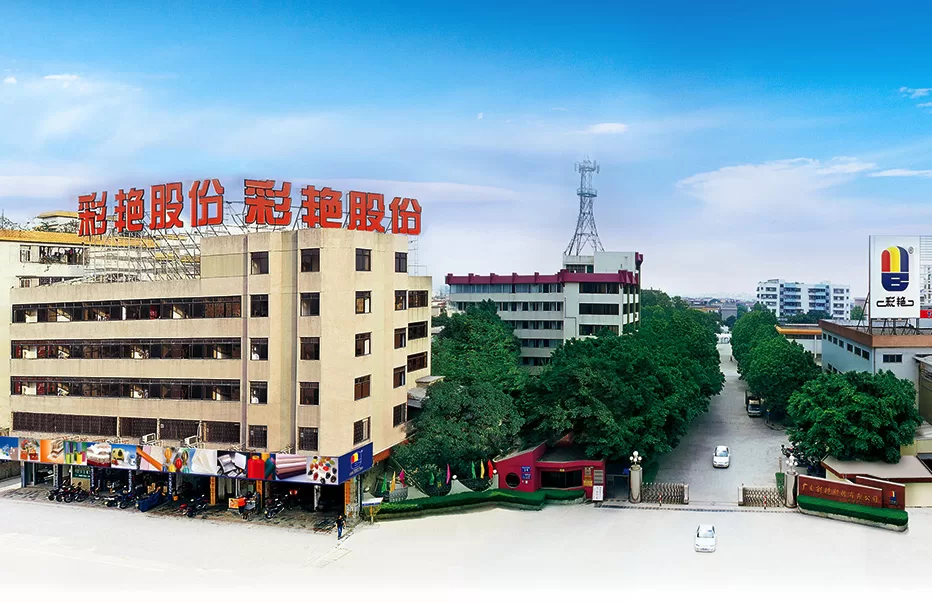
Manufacturer Spotlight: Charming Masterbatch Functional Desiccant Solutions
When factory throughput demands an immediate, cost-effective way to prevent moisture-related defects in plastic manufacturing without multi-hour drying bottlenecks, Charming Masterbatch delivers industry-leading functional desiccant and color solutions engineered for demanding global processors.
| Compounding Technology | Advanced high-torque co-rotating twin screw extrusion machinery imported from Germany |
| Active Desiccant Chemistry | Ultra-pure, micro-ground active Calcium Oxide (CaO) with specialized hydrophobic surface passivators |
| Moisture Absorption Capacity | Binds up to 28% of its own weight in free moisture directly within the processing barrel |
| Target Applications | Blown film extrusion, PE/PP injection molding, recycling extrusion, woven bags, and pipe manufacturing |
| Recommended Let-Down Ratio (LDR) | 1.0% to 3.0% depending on regrind moisture levels and ambient relative humidity |
| Global Export Reach | Exported across 18 countries spanning Europe, South America, Southeast Asia, Middle East, and North Africa |
| Technical Support Capabilities | Complete laboratory color matching, bespoke carrier development, and on-site processing troubleshooting |
Operational Sourcing Insight: Stop losing margin to drying downtime. Connect directly with the technical engineering team on the official Charming Masterbatch portal, evaluate pricing frameworks across our analysis of plastic masterbatch price per ton 2026, or explore global manufacturing networks in our review of top masterbatch manufacturers worldwide.
Direct Technical Comparison: Desiccant Masterbatch vs. Dehumidifying Dryers vs. Vented Barrels
| Evaluation Parameter | Active Desiccant Masterbatch (e.g., Charming MB) | Dehumidifying Desiccant Wheel Dryer | Vacuum-Vented Extruder Barrel |
|---|---|---|---|
| Primary Operating Principle | Chemical in-situ moisture binding ($CaO \rightarrow Ca(OH)_2$) | Physical moisture desorption via dry air (-40°C dew point) | Mechanical flash-evaporation via vacuum extraction |
| Capital Expenditure (CapEx) | Zero (No equipment to buy, install, or maintain) | High ($10,000 – $50,000+ per unit) | High ($15,000 – $35,000+ barrel upgrade) |
| Energy Consumption per kg | Zero electrical energy consumed | High (Continuous electric heating and desiccant regeneration) | Moderate (Continuous vacuum pump motor load) |
| Processing Lead Time Impact | Zero (Dose directly into feed throat; start instantly) | Severe (Mandates 3 to 6 hours of pre-drying delay) | Zero (In-line continuous degassing) |
| Effective on Recycled Regrind | Exceptional (Neutralizes unpredictable moisture spikes) | Moderate (Struggles with high surface fines and dust) | Very Good (Handles continuous gas evolution) |
| Effective on Hygroscopic Resins | Limited (Stops splay, but cannot halt PA/PET chain scission) | Mandatory (Essential to preserve molecular weight) | Moderate (Must be combined with pre-drying for PET) |
| Impact on Finished Part Aesthetics | Adds fractional mineral content (0.5%–1.5% ash) | Zero impact on polymer formulation | Zero impact on polymer formulation |
Pros and Cons Table: Active Chemical Desiccants vs. Mechanical Pre-Drying
| Moisture Control Strategy | Comprehensive Advantages (Pros) | Operational Realities & Limitations (Cons) |
|---|---|---|
| Active Desiccant Masterbatch (Chemical In-Situ Scavenging) | Eliminates hours of pre-drying downtime; enables instant machine startup. Slashes plant electrical utility bills by eliminating continuous hopper heaters. Enables high-percentage use of damp recycled regrind and PCR plastics. Completely stops silver splay, surface blistering, and film bubble popping. Simple dosing via standard volumetric or gravimetric color feeders. | Introduces minor calcium hydroxide mineral residue into the part matrix. Cannot restore molecular chain length in already-hydrolyzed polymers. Must be stored in vacuum-sealed bags; absorbs ambient air if left open. |
| Mechanical Dehumidifying Dryers (Closed-Loop Desiccant Rotors) | Mandatory standard for high-end engineering polymers (Nylon, PBT, PC). Maintains 100% virgin polymer purity with zero added mineral content. Protects intrinsic viscosity (IV) and prevents hydrolytic embrittlement. | Massive capital investment required for every processing cell. Consumes continuous electrical power, driving up plant operating expenses. Desiccant molecular sieve beds degrade and require replacement every 2–3 years. Pre-drying delays production by 3 to 5 hours on cold startups. |
Commercial Economics: Energy Costs of Over-Drying vs. Additive Scavenging
Every commercial packaging manager and plant accountant must audit the true cost of moisture control. When processors evaluate methods to prevent moisture-related defects in plastic manufacturing, they frequently overlook the massive electrical power bills required to run mechanical dryers.
Consider the authentic ledger of an injection molding plant running ten 300-ton presses processing polypropylene and recycled PE at 150 kg per hour per press:
- The Mechanical Drying Ledger: Operating ten conventional desiccant hopper dryers pulling an average of 18 kW of continuous electrical power across a 24/7 operating schedule consumes roughly 129,600 kWh per month. At an industrial utility rate of $0.12 per kWh, running these dryers burns $15,552 per month ($186,624 annually) in electricity alone, not factoring in desiccant bed replacements, maintenance labor, and downtime while waiting for resin to dry.
- The Desiccant Masterbatch Ledger: Sourcing high-activity calcium oxide desiccant masterbatch and dosing it at a 2% let-down ratio directly at the press eliminates the need to run hopper heaters on non-hygroscopic resins entirely. The material cost of the masterbatch adds roughly $0.02 to $0.03 per kilogram of processed resin, totaling roughly $6,500 per month.
The facility saves over $9,000 per month ($108,000 annually) in net operating expenses while simultaneously increasing factory throughput by eliminating three-hour morning pre-heating delays. While hygroscopic engineering resins still demand dehumidifying dryers, continuing to run high-heat mechanical dryers on standard polyolefins and regrind is an obsolete practice that drains commercial profitability.
Who Must Overhaul Their Moisture Strategy vs. Who Can Run Standard Setups
Every dollar allocated to drying hardware and chemical additives should match your processing discipline, resin sensitivity, and customer specifications. Knowing where rigorous moisture control is critical versus where basic methods suffice prevents operational waste.
Processors That Must Overhaul Their Moisture Control Architecture:
- Blown Film and Cast Film Extruders: In film extrusion, a single microscopic steam bubble does not merely cause a cosmetic defect; it pops the ascending bubble canopy, causing an immediate line shutdown, winding snarls, and hundreds of kilograms of scrap. Dosing functional desiccant masterbatch is an industry necessity for film stability.
- Automotive and Structural Engineering Molders: Facilities molding safety-critical components (under-the-hood nylon brackets, structural polycarbonate bezels, glass-filled PBT electrical connectors) face severe liability if parts suffer hydrolytic embrittlement. These facilities must maintain validated -40°C dew-point dryers verified by certified Karl Fischer titration.
- High-Percentage Post-Consumer Recycled (PCR) Processors: Recycled agricultural films, post-consumer bottles, and regrind flake carry unpredictable moisture levels, washed residue, and atmospheric absorption. Processing PCR without active chemical desiccant additives or multi-vented vacuum barrels results in 30%+ scrap rates.
Processors That Can Rely on Basic Standard Setups:
- Virgin Polypropylene Bucket & Container Molders: If you mold large industrial pails, tote boxes, or storage containers using 100% prime virgin polypropylene stored in a climate-controlled silo, surface condensation is minimal. A basic hot-air hopper to warm the material is generally sufficient.
- Low-Tolerance Thick-Walled Extrusions: If your product line consists of thick, solid outdoor construction blocks, parking stops, or heavy underground ballast profiles where minor internal porosity does not impact structural integrity or visual aesthetics, investing in sub-micron moisture control is unnecessary.
Costly Factory Floor Mistakes That Compromise Moisture Control
Factory Floor Advisory: The “Thermal Over-Baking” Disaster
The most common mistake technicians make when seeing splay marks on nylon or PET parts is assuming that if drying for 4 hours at 80°C is good, drying for 16 hours at 100°C must be better. Over-drying engineering resins causes thermal oxidation. The pellets turn yellow, their processing stabilizers bake off, and the resin undergoes thermal degradation before even touching the injection screw. If an injection press stops for more than two hours, always drop the dryer temperature to a safe holding level (typically 50°C) to prevent thermal degradation.
- Leaving Desiccant Masterbatch Bags Open on the Factory Floor: Because active desiccant masterbatch is engineered to aggressively absorb water from the atmosphere, leaving an opened 25KG bag exposed on a humid shop floor ruins the additive within hours. The calcium oxide reacts with ambient room humidity inside the bag, exhausting its chemical capacity before it ever reaches the processing barrel. Always seal opened bags with airtight clamps immediately, or purchase masterbatch packaged in convenient foil-sealed mini-packs.
- Using Ambient Compressed Air for Material Conveying: Drying hygroscopic resin to a perfect -40°C dew point in a central drying room and then using warm, moisture-laden plant compressed air to pneumatically convey the pellets through 100 feet of tubing to the press completely undoes the drying process. In humid weather, warm transport air re-hydrates dry nylon within 90 seconds. Always use closed-loop dry-air conveying systems for sensitive resins.
- Confusing Shear Splay with Moisture Splay: Splay marks caused by moisture look nearly identical to splay marks caused by excessive shear heat or thermal degradation. Technicians often spend hours raising dryer temperatures, only to discover the splay was actually caused by a tiny sprue bushing radius, excessive injection speed, or an overly restrictive gate shearing the polymer molecules. Perform a quick nozzle purge into free air: if the purged melt froths, pops, and bubbles, it is moisture; if it purges smoothly without bubbling, your defect is mechanical shear or mold gas venting.
- Neglecting Airflow Filter Cleaning on Dryers: A dehumidifying dryer cannot function if its return-air filters are caked with polymer dust and desiccant powder. Restricted airflow cuts the cubic-feet-per-minute (CFM) air exchange rate across the material bed by half, leaving the bottom of the hopper dry while the top half remains soaking wet. Enforce mandatory weekly filter blowouts across all drying cells.
Essential Sourcing Checklist: Auditing Desiccant Masterbatch & Drying Hardware
Before issuing a commercial purchase order for functional additives or drying machinery to prevent moisture-related defects in plastic manufacturing, require your prospective suppliers to verify compliance across these four critical engineering benchmarks:
1. Active Calcium Oxide Purity and Micro-Grind Particle Size
If sourcing functional desiccant masterbatch, audit the raw material specifications:
- Cheap desiccant masterbatch uses coarse, low-grade industrial quicklime. Coarse particles (above 10 microns) do not react fully, act as physical stress concentrators in thin-wall parts, and scratch polished injection mold cavities.
- Demand premium desiccant masterbatch formulated with sub-micron, surface-treated active CaO (particle size < 5 μm) compounded on high-torque co-rotating twin-screw extruders. Micro-fine dispersion ensures complete chemical reactivity, zero surface roughness, and flawless passage through high-mesh extruder screen packs.
2. Carrier Resin Matching and Melt Flow Index (MFI)
Ensure the functional masterbatch carrier matches your primary base polymer. Sourcing a desiccant masterbatch with a high-density polyethylene (HDPE) carrier and dropping it into an optical-grade polystyrene (PS) or ABS blend will cause delamination, haze, and weld-line weakness due to polymer immiscibility. Work with specialized compounders capable of tailoring carrier resins (PE, PP, universal EVA) to your specific melt flow index.
3. Closed-Loop Dew-Point Transmitter Calibration
If purchasing mechanical dehumidifying dryers, require third-party calibration certificates for the internal dew-point sensor. Settle for nothing less than an integrated, solid-state ceramic dew-point transmitter (such as Vaisala or Michell sensors) that provides real-time digital monitoring and automated regeneration alarms. If a dryer cannot prove it is delivering -40°C process air in real time, do not deploy it on engineering resins.
4. Total Supplier Technical Support and Lab Capabilities
A masterbatch supplier should not merely sell boxes of pellets; they must provide process troubleshooting support. Ensure your manufacturing partner maintains internal laboratory testing—including Karl Fischer moisture analyzers, capillary rheometers, and spectroradiometric color-matching suites—to assist you in dialing in optimal let-down ratios on your specific equipment. Review global supplier capabilities across leading plastic masterbatch manufacturers USA, examine expanding Asian hubs in our analysis of plastic masterbatch manufacturers India and colour masterbatch manufacturers India, or audit regional leaders in our report on top masterbatch manufacturers Pakistan.
Expert Plastics Engineer’s Final Sourcing Verdict & Quality Roadmap
In our professional assessment across decades of plant commissioning and polymer compounding, continuing to let humidity dictate your factory scrap rates is an unacceptable operational failure. Moisture control is not an unpredictable act of nature; it is a manageable engineering variable.
Here is your clear, actionable plant roadmap to prevent moisture-related defects in plastic manufacturing:
- Segment Your Polymers by Chemistry: Separate your plant into two distinct operational protocols:
- For Hygroscopic Resins (PA, PET, PBT, PC, TPU): Mandate validated closed-loop dehumidifying desiccant wheel dryers maintaining a strict -40°C dew point, verified by mandatory Karl Fischer titration before releasing resin to the press.
- For Non-Hygroscopic Resins and Regrind (PE, PP, PS, Blown Film, PCR Flake): Stop wasting electrical energy on multi-hour hopper drying. Integrate high-performance Calcium Oxide Desiccant Masterbatch at a 1.0% to 3.0% let-down ratio directly into your material feed.
- Enforce Factory-Floor Acclimatization: Establish a strict 24-hour staging zone inside your production facility. Never open a sealed cold gaylord until the pellets have reached thermal equilibrium with room temperature, eliminating condensation sweat.
- Control Ambient Mold Condensation: If running fast-cycle chilled molds (water < 10°C), install modular mold dehumidification enclosures to keep cavity air dew points dry, preventing ambient summer sweating.
- Partner with a Proven Compounding Leader: Align your supply chain with a vertically integrated, technologically advanced manufacturer like Charming Masterbatch. Sourcing your functional desiccant additives and custom color masterbatches from a manufacturer that operates advanced German twin-screw compounding lines guarantees sub-micron particle dispersion, massive moisture absorption capacity, and predictable quality across every production batch.
Frequently Asked Questions
How does moisture cause silver streaks and splay in injection molding?
When moist polymer enters a heated injection barrel operating between 180°C and 300°C, the water superheats into high-pressure steam bubbles. As the molten plastic injects through the restrictive gate into the mold cavity, the steam bubbles rupture against the chilled mold steel, smearing along the flow front. This leaves characteristic silver, U-shaped splash marks known as silver splay on the part surface.
What is the difference between cosmetic splay and hydrolytic degradation?
Cosmetic splay is a visual defect caused by steam vapor smearing on the mold surface without breaking the polymer backbone, typical in non-hygroscopic resins like PP and PE. Hydrolytic degradation is a permanent chemical destruction of polymer chains occurring in condensation polymers like PA, PET, PBT, and PC, where water molecules chemically sever ester and amide bonds, resulting in brittle parts and up to 50% loss of impact strength.
How does desiccant masterbatch prevent moisture-related defects in plastic manufacturing?
Desiccant masterbatch contains micro-ground, active calcium oxide (CaO) dispersed within a polymer carrier. During extrusion or molding, the CaO reacts chemically with free moisture in the melt to form stable, inert calcium hydroxide (Ca(OH)2), chemically locking away water and eliminating steam formation without requiring hours of pre-drying.
Can hot-air hopper dryers eliminate moisture in hygroscopic engineering resins?
No. Simple hot-air dryers only remove surface condensation from non-hygroscopic resins like polyethylene and polypropylene. Hygroscopic engineering polymers like nylon (PA6/PA66), polycarbonate, and PBT absorb moisture inside their molecular chains and require dehumidifying desiccant wheel dryers capable of delivering continuous process air with a dew point of -40°C or lower.
Authoritative References & Polymer Standards
- International Organization for Standardization: ISO 15512 Plastics – Determination of Water Content (Methods for Karl Fischer Titration and Water Vapor Desorption)
- ASTM International: ASTM D6980 Standard Test Method for Determination of Moisture in Plastics by Relative Humidity Sensor Technology
- Society of Plastics Engineers (SPE): Technical Guidelines on Polymer Devolatilization, Drying Kinetics, and Hydrolytic Degradation Mechanisms