
The global polymer industry is currently undergoing a transformative phase where traditional additives are being augmented or replaced by nanomaterials to meet the rising demands of high-performance engineering. Among these, Graphene Masterbatch stands out as a revolutionary functional solution. By integrating graphene—a single layer of carbon atoms arranged in a two-dimensional honeycomb lattice—into a polymer matrix, manufacturers can achieve material properties that were once considered physically impossible. At Charming Masterbatch, we leverage decades of experience in pigment dispersion and masterbatch processing to bring these advanced solutions to the global market.
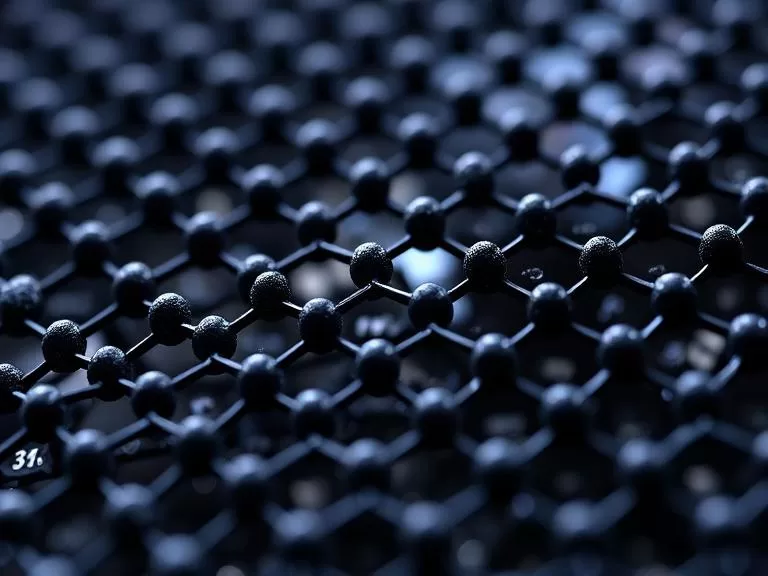
Table of Contents
- 1. What is Graphene Masterbatch?
- 2. Key Characteristics of Graphene-Enhanced Polymers
- 3. The Importance of German Twin-Screw Processing
- 4. Major Industrial Applications
- 5. Global Market Trends and Quality Standards
- 6. Summary of Characteristics and Benefits
- 7. Frequently Asked Questions (FAQs)
- 8. References
1. What is Graphene Masterbatch?
Graphene Masterbatch is a concentrated mixture of high-quality graphene nanoplatelets (GNP) or graphene oxide (GO) dispersed within a polymer carrier resin. The goal of creating a masterbatch is to provide a clean, dust-free, and easily processable format for plastic converters. Without a masterbatch, handling raw graphene powder is extremely difficult due to its low bulk density and the tendency for particles to re-agglomerate, which significantly diminishes the desired mechanical and conductive properties.
The selection of the carrier resin is vital. Whether you are working with polyethylene, polystyrene, or specialized engineering plastics, the carrier must be compatible with the final product. For instance, when producing automotive interior parts, understanding what is PP masterbatch becomes essential as polypropylene is a frequent host for graphene additives due to its wide range of applications and chemical resistance.
2. Key Characteristics of Graphene-Enhanced Polymers
The addition of Graphene Masterbatch fundamentally alters the host polymer’s physical and chemical behavior. Unlike traditional fillers like talc or calcium carbonate, graphene provides significant improvements at very low loading levels (typically 0.5% to 5%).
Mechanical Strength and Durability
Graphene is known as one of the strongest materials ever tested. When correctly dispersed, it acts as a reinforcing agent that effectively transfers stress across the polymer matrix. From our experience, we have seen tensile strength increases of over 30% and flexural modulus improvements of 40% in various thermoplastic applications. This allows for “down-gauging,” where manufacturers can produce thinner, lighter parts without sacrificing structural integrity.
Electrical and Thermal Conductivity
Graphene is an exceptional conductor of both electricity and heat. While many industries historically relied on carbon black for anti-static or conductive properties, Graphene Masterbatch offers a more efficient alternative. To understand the baseline of conductive additives, it is helpful to contrast this with what is carbon black masterbatch. While carbon black requires high loading to reach the percolation threshold, graphene can achieve similar or superior conductivity at much lower percentages, preserving the base polymer’s impact strength.
Superior Barrier Properties
The “tortuous path” theory explains how graphene platelets, due to their high aspect ratio, create a barrier that prevents gases and moisture from passing through the polymer. We recommend Graphene Masterbatch for high-performance packaging where shelf-life extension and gas permeability resistance are critical. This characteristic is also vital in fuel tanks and chemical containers to prevent the leaching of volatile organic compounds.
UV Resistance and Thermal Stability
Graphene inherently absorbs UV radiation, protecting the polymer chains from degradation. Furthermore, its presence increases the Heat Deflection Temperature (HDT) of the plastic, making it suitable for under-the-hood automotive components or high-temperature industrial equipment.
3. The Importance of German Twin-Screw Processing
The performance of any functional masterbatch is intrinsically linked to the machinery used in its production. At Charming, we utilize advanced twin-screw machines from Germany to achieve the necessary shear forces to exfoliate graphene layers. Decades of experience in pigment dispersion have taught us that the screw configuration and temperature control are the most critical factors in preventing the graphene from clumping.
Stable high-quality color Masterbatch and creative functional Masterbatch solutions are only possible when the additive is perfectly “wetted” by the molten polymer. This level of precision is why we are well known in the China market and continue to expand our exports to Europe, South America, and the Middle East.
4. Major Industrial Applications
The applications for Graphene Masterbatch span across almost every sector of modern manufacturing. Because it provides multiple benefits simultaneously—such as strength, conductivity, and barrier properties—it is often referred to as a “multitasker” additive.
Automotive and Aerospace
Lightweighting is the primary goal for 2026 automotive designs. By using Graphene Masterbatch, manufacturers can reduce the weight of plastic components by 10-20% while maintaining the necessary safety standards. It is increasingly used in engine covers, fuel lines, and structural brackets. In electric vehicles (EVs), graphene’s thermal conductivity helps in heat dissipation for battery housings.
Electronics Packaging
Static electricity can destroy sensitive electronic components. Graphene provides the necessary Surface Resistivity (typically in the 10^4 to 10^9 ohms/sq range) for ESD (Electrostatic Discharge) safe packaging. This is a significant growth area for plastic masterbatch manufacturers in the USA and other technology hubs.
Advanced Packaging and Textiles
In the food industry, graphene’s barrier properties against oxygen and CO2 are game-changers. In textiles, Graphene Masterbatch is used to create fibers with permanent anti-static, anti-bacterial, and thermal regulation properties. These “smart textiles” are becoming a staple in professional sportswear and medical uniforms.
5. Global Market Trends and Quality Standards
As of 2026, the masterbatch market is shifting towards specialization. High-volume, generic masterbatches are being superseded by “Creative Functional Masterbatch” solutions tailored to individual development cooperation. Customers no longer just want a product; they require complete technical support services to solve practical problems.
We see significant growth in diverse markets. For example, the list of top color masterbatch manufacturers in 2025 and 2026 now highlights those who can integrate functionality—like graphene—into their colorants. Regional hubs are also emerging; while China remains a powerhouse, plastic masterbatch manufacturers in India are increasingly investing in nanotechnology to compete globally.
6. Summary of Characteristics and Benefits
| Property | Impact of Graphene Masterbatch | Primary Industrial Benefit |
|---|---|---|
| Mechanical Strength | Increases tensile and flexural strength by 30-40%. | Down-gauging and weight reduction in automotive. |
| Conductivity | Provides electrical and thermal pathways at low loading. | ESD safety for electronics and heat management. |
| Barrier Effect | Reduces gas and moisture permeability significantly. | Extended shelf life for food and chemical packaging. |
| UV Protection | Acts as a permanent UV absorber. | Longer outdoor lifespan for agricultural and construction films. |
| Thermal Stability | Increases heat deflection temperature (HDT). | Suitability for high-heat environments like engine bays. |
7. Frequently Asked Questions (FAQs)
What is the typical loading percentage for Graphene Masterbatch?
From our experience, functional benefits like anti-static properties can often be achieved with a final graphene concentration of 0.5% to 2% in the end product, depending on the masterbatch concentration (usually 10-20% GNP loading).
Is Graphene Masterbatch compatible with recycled plastics?
Yes. We recommend using graphene specifically to “upcycle” recycled polymers. Graphene can restore the mechanical properties lost during the recycling process, making recycled resins viable for higher-value applications.
How does graphene compare to carbon nanotubes (CNTs)?
While both are carbon-based nanomaterials, graphene platelets are generally more cost-effective and easier to disperse in standard industrial equipment than the entangled structures of CNTs.
Can Charming develop custom graphene solutions?
Absolutely. Charming provides individual development cooperation and technical support to help customers solve specific project challenges with creative solutions.
8. References
- Charming Masterbatch: Advanced twin screw machines and decades of masterbatch processing experience.
- The Graphene Council: Standardizing Graphene for Industrial Use.
- Nature: Recent Advancements in Graphene Nanocomposites.
- ISO/TS 21330:2020: Nanotechnologies — Graphene and related 2D materials.
In conclusion, the characteristics of Graphene Masterbatch—ranging from extraordinary mechanical reinforcement to high-performance barrier properties—make it an essential tool for the modern plastic engineer. By selecting a manufacturer that prioritizes precision dispersion and German-engineered processing technology, companies can successfully integrate this nanomaterial to gain a competitive edge in the global market.