
In the modern plastics processing industry, polymers are inherently excellent electrical insulators. While this insulating property is highly beneficial for wire coatings and general consumer goods, it poses a severe engineering challenge in applications where electrostatic discharge (ESD) or electromagnetic interference (EMI) can cause catastrophic failures. To bridge this critical material gap, the industry relies on a highly specialized functional additive: conductive masterbatch.

Authored by Charming Masterbatch. With advanced twin-screw machines from Germany and decades of experience in Masterbatch processing and pigment dispersion technology, Charming provides stable, high-quality color Masterbatch and creative functional Masterbatch solutions for our customers. Charming Masterbatch is well known in the China market, and exports to Europe, South America, Southeast Asia, the Middle East, and North Africa across 18 countries worldwide.
If you are a polymer engineer, procurement manager, or product designer, understanding the precise chemical and mechanical properties of conductive masterbatch is essential for manufacturing compliant, high-performance plastic components. From our experience at Charming Masterbatch, incorporating the correct conductive masterbatch not only protects sensitive electronic components from static shock but also prevents explosive hazards in industrial environments. In this authoritative guide, we will dissect the formulation, applications, and processing guidelines for conductive masterbatch, ensuring you possess the technical knowledge required to optimize your polymer formulations.
Table of Contents
- Summary Table: Surface Resistivity and Masterbatch Types
- Understanding the Fundamentals: What is Conductive Masterbatch?
- Key Fillers Used in Conductive Masterbatch
- Industrial Applications of Conductive Masterbatch
- Expert Processing Guidelines
- The Charming Masterbatch Manufacturing Advantage
- Frequently Asked Questions (FAQs)
- Industry References
Summary Table: Surface Resistivity and Masterbatch Types
To accurately select a conductive masterbatch for your specific application, you must define the target surface resistivity. We recommend utilizing the following industry-standard classifications when formulating your resin blends.
| Classification Category | Surface Resistivity (Ohms/sq) | Primary Function | Typical Applications |
|---|---|---|---|
| Anti-Static | 10^10 to 10^12 | Prevents initial dust attraction and minor static buildup. | Consumer packaging, cosmetic containers, textiles. |
| Static Dissipative | 10^6 to 10^9 | Slowly and safely discharges static electricity to ground. | Electronic component trays, cleanroom equipment. |
| Conductive | 10^3 to 10^5 | Rapidly conducts electrical charges away from the surface. | ATEX piping, fuel handling systems, EMI shielding enclosures. |
| EMI/RFI Shielding | Less than 10^3 | Blocks electromagnetic and radio frequency interference. | Medical device housings, aerospace avionics components. |
Understanding the Fundamentals: What is Conductive Masterbatch?
A conductive masterbatch is a concentrated solid additive consisting of a carrier resin encapsulating a high volume of electrically conductive fillers. When this masterbatch is let down (mixed) into a virgin base polymer during injection molding or extrusion, it transforms the final plastic part from an electrical insulator into a static-dissipative or fully conductive material.
The science behind a conductive masterbatch relies entirely on a concept known as the “percolation threshold.” As the conductive masterbatch is added to the virgin resin, the conductive particles disperse throughout the polymer matrix. Initially, these particles remain isolated, and the plastic remains an insulator. However, once the concentration reaches the percolation threshold, the particles form a continuous, interconnected three-dimensional network. At this precise moment, electrons can flow freely through the plastic, causing surface resistivity to drop exponentially.
From our experience, achieving this percolation threshold without deteriorating the mechanical strength of the plastic is the ultimate test of a masterbatch manufacturer. Poor dispersion leads to “hot spots” of conductivity and brittle plastic, which is why utilizing a highly refined conductive masterbatch from a reputable supplier is non-negotiable for critical applications.
Key Fillers Used in Conductive Masterbatch
The electrical properties of a conductive masterbatch are entirely dependent on the type of functional filler dispersed within the carrier resin. We recommend understanding these materials to match the masterbatch to your specific engineering requirements.
Conductive Carbon Black
The most ubiquitous and cost-effective filler used globally is conductive carbon black. To understand its foundational properties, it is helpful to explore what is carbon black masterbatch. Unlike standard pigment-grade carbon black used purely for coloration, highly structured conductive carbon black features high porosity and high surface area, allowing it to form conductive networks at lower addition rates. This type of conductive masterbatch is the standard for automotive parts and heavy industrial packaging.
Carbon Nanotubes (CNTs) and Graphene
For advanced applications requiring high conductivity with minimal impact on the polymer’s mechanical properties, carbon nanotubes (CNTs) are the premier choice. Because of their massive aspect ratio, CNTs achieve the percolation threshold at incredibly low loading levels (often under 3%). A CNT-based conductive masterbatch preserves the impact strength and flow characteristics of the base polymer far better than traditional carbon black, making it ideal for thin-wall injection molding and advanced electronics.
Metallic Fibers and Powders
When extreme conductivity or EMI/RFI shielding is required, a conductive masterbatch may be formulated using stainless steel fibers, copper flakes, or silver-coated glass spheres. While these formulations are dense and highly specialized, they offer shielding effectiveness that carbon-based fillers cannot match.
Industrial Applications of Conductive Masterbatch
The deployment of conductive masterbatch spans across rigorous industrial sectors where failure to control electrical charge can result in destroyed hardware or severe safety hazards.
Electronic Packaging and ESD Protection
Integrated circuits and microchips are highly susceptible to electrostatic discharge. A single static shock generated by sliding an electronic component across a standard plastic tray can destroy microscopic circuitry. By utilizing a conductive masterbatch to manufacture IC carrier tapes, shipping tubes, and clamshell packaging, manufacturers ensure that static charges are harmlessly dissipated. This has made conductive additives a critical supply chain component for plastic masterbatch suppliers worldwide.
ATEX Compliant Industrial Piping
In environments handling volatile gases, explosive dust, or flammable liquids, static buildup from fluid friction inside a plastic pipe is a severe ignition risk. ATEX directives mandate that equipment used in explosive atmospheres must not accumulate static charge. Extruding pipes using a conductive masterbatch ensures the surface resistivity remains below 10^6 ohms, allowing safe grounding of the entire pipeline architecture.
Automotive Fuel Systems
Modern automotive engineering relies heavily on lightweight plastics for fuel lines, connectors, and tanks. As fuel flows rapidly through these components, static electricity is generated. A customized conductive masterbatch is strictly required in these formulations to provide a safe discharge path to the vehicle’s chassis, preventing catastrophic ignition.
Expert Processing Guidelines
Achieving the perfect balance of conductivity and mechanical strength requires strict adherence to processing parameters. From our experience assisting clients across 18 countries, we recommend the following protocols when utilizing conductive masterbatch:
First, always ensure strict compatibility between the masterbatch carrier resin and your base polymer. For example, if you are processing polypropylene, you must understand what is PP masterbatch compatibility. Mixing a PE-based conductive masterbatch into an ABS engineering resin will cause delamination and severe loss of impact strength.
Second, minimize shear stress during processing. Excessive shear in the extruder barrel or injection molding screw can physically fracture the fragile conductive networks (especially carbon black structures and CNTs). We recommend using low-shear screw profiles and avoiding excessive backpressure. Overworking the material will result in a plastic part that measures as an insulator, despite having the correct dosage of conductive masterbatch.
The Charming Masterbatch Manufacturing Advantage
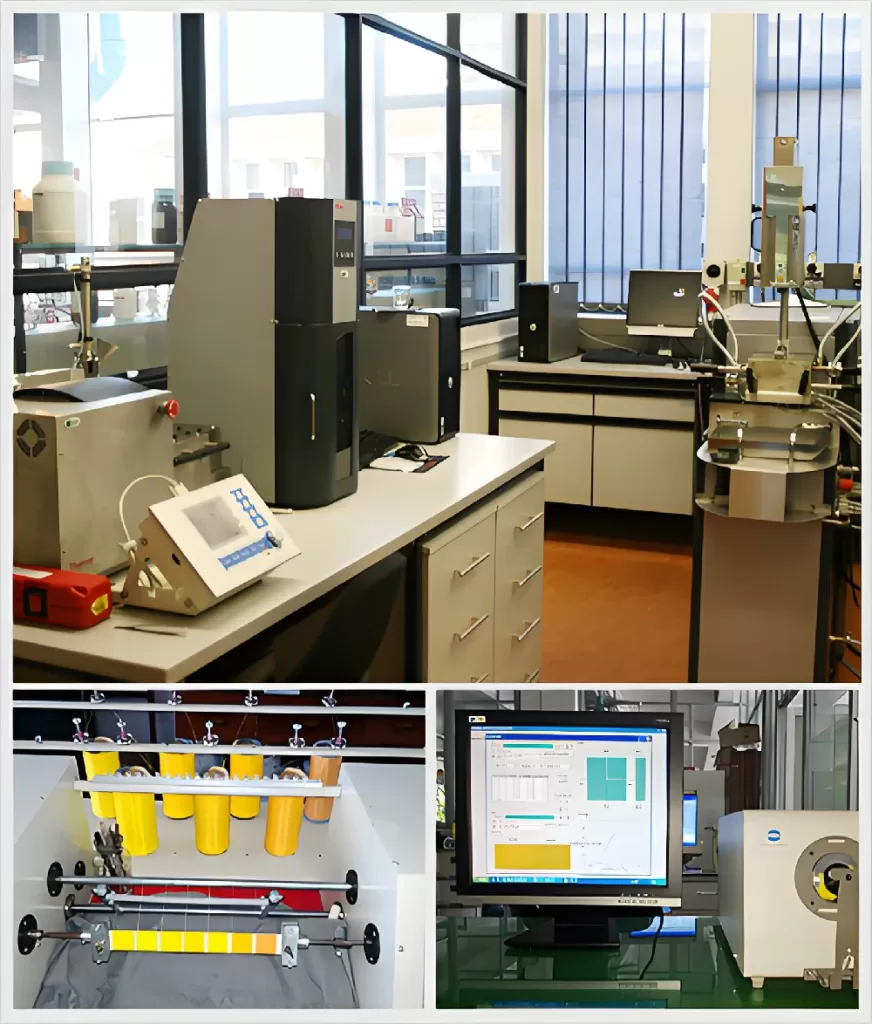
Not all suppliers possess the technical infrastructure required to produce high-performance functional additives. At Charming Masterbatch, we utilize advanced twin-screw extrusion machines imported from Germany. This technology allows us to achieve unparalleled pigment and filler dispersion without degrading the polymer carrier. Our commitment to quality places us among the best plastic masterbatch manufacturers operating globally.
Our presence in the international market is extensive. Whether clients are searching for plastic masterbatch manufacturers USA alternatives, reviewing the masterbatch companies global list, or evaluating color masterbatch manufacturers 2025, Charming provides a competitive edge through individual development cooperation.
We do not merely supply products; we provide complete technical support. If you are comparing black masterbatch manufacturers 2025 or seeking localized insight comparable to masterbatch manufacturers Gujarat or plastic masterbatch manufacturers India, our technical team is ready to help you solve practical formulation challenges and develop creative, conductive solutions.
Frequently Asked Questions (FAQs)
What is the standard dosing rate for a conductive masterbatch?
The dosing rate depends heavily on the target surface resistivity and the active filler concentration of the masterbatch. Typically, to achieve a static-dissipative state, a let-down ratio (LDR) of 15% to 25% is required when using standard carbon black formulations. CNT-based masterbatches may require significantly lower dosing, often between 5% and 10%.
Can I produce a transparent conductive plastic?
Creating a truly transparent conductive plastic is exceptionally difficult because standard conductive fillers like carbon black and metal fibers are highly opaque and dark. To achieve anti-static transparency, engineers typically rely on migrating anti-static agents or inherently dissipative polymers (IDPs) rather than a traditional heavily loaded conductive masterbatch.
Why did my final product lose its mechanical strength after adding the masterbatch?
High loadings of inorganic fillers (like carbon black) displace the polymer chains, inherently reducing the impact strength and elongation of the virgin resin. If the loss of strength is severe, we recommend consulting with your supplier to upgrade to a CNT-based conductive masterbatch, which provides conductivity at much lower loading percentages, thereby preserving the mechanical integrity of the plastic.
How do you measure the effectiveness of a conductive masterbatch?
The industry standard for measuring the effectiveness of a conductive masterbatch in a finished part is surface resistivity testing, expressed in Ohms per square (Ohms/sq). This is typically performed using a concentric ring probe megohmmeter in accordance with standardized testing protocols such as ASTM D257 or IEC 61340.
Industry References
To ensure our engineering guidelines remain at the forefront of polymer science, the data presented in this article aligns with the stringent standards established by leading international testing organizations. For further technical reading regarding surface resistivity and material compliance, please consult the following authorities: