
Authored by Charming Masterbatch
With advanced twin screw machines from Germany and decades of experience in Masterbatch processing and pigment dispersion technology, Charming provides stable high quality color Masterbatch and creative functional Masterbatch solutions for our customers. Charming Masterbatch is well known in the China market, and exports to Europe, South America, Southeast Asia, Middle East, North Africa, and about 18 countries and markets worldwide. Not only products, Charming provides complete technical support service and individual development cooperation, which can help our customers solve practical problems and develop new projects with creative solutions. We are so proud that we can share our experience and technology with customers and grow up together.
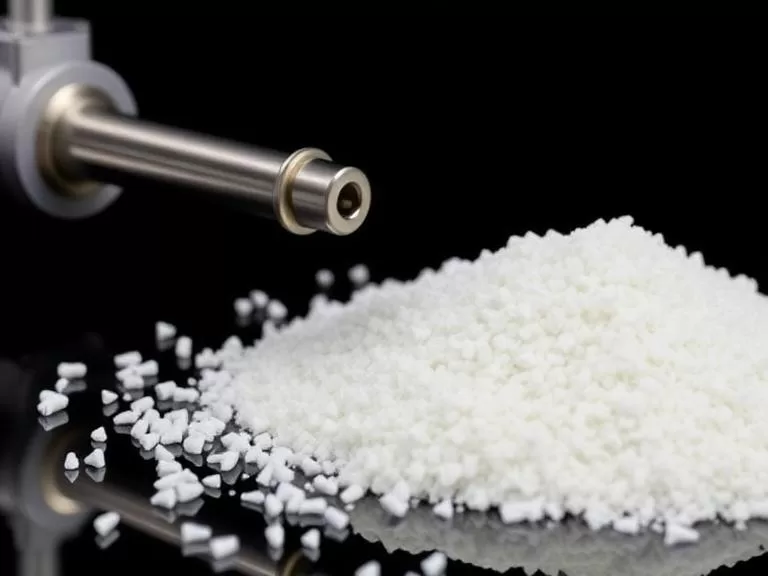
Table of Contents
1. The Strategic Importance of PET Masterbatch
Polyethylene Terephthalate, commonly known as PET, is one of the most widely utilized thermoplastic polymers in the world. From high-performance textile fibers and filaments to flexible packaging films and rigid containers, PET provides exceptional mechanical strength, dimensional stability, and chemical resistance. However, natural PET resin requires precise modification to achieve specific aesthetic colors and functional properties. This is precisely where a high-quality PET Masterbatch becomes a critical component in the manufacturing workflow.
A PET Masterbatch is a solid, highly concentrated additive consisting of pigments, dyes, or functional chemicals encapsulated within a carrier resin that is highly compatible with the base PET polymer. From our experience, utilizing raw powdered pigments or liquid colorants often leads to severe processing inconsistencies, equipment contamination, and mechanical property degradation in the final product. By incorporating a specialized PET Masterbatch, manufacturers ensure uniform dispersion, protect the intrinsic viscosity (IV) of the polymer, and streamline their extrusion or injection molding operations.
2. Technical Characteristics of PET Masterbatch
Understanding the fundamental properties of PET Masterbatch is essential for engineers and procurement specialists looking to optimize their production lines. Our decades of experience in pigment dispersion technology have allowed us to engineer masterbatches that perfectly align with the rigorous demands of PET processing.
High Thermal Stability
PET processing requires elevated temperatures, typically ranging between 260°C and 300°C (500°F to 572°F). At these extreme temperatures, substandard pigments and additives can degrade, leading to color shifting, outgassing, and the formation of black specks. A premium PET Masterbatch is formulated with highly stable colorants and functional additives that withstand these thermal profiles without compromising their chemical structure. We recommend exclusively utilizing masterbatches that have undergone rigorous thermal aging tests to guarantee stability during the melt phase.
Optimal Rheological Compatibility
The carrier resin used in a PET Masterbatch must exhibit perfect rheological compatibility with the base PET matrix. If the melt flow index (MFI) of the masterbatch carrier differs drastically from the base resin, it will cause flow lines, structural weaknesses, and inconsistent color distribution. Our formulations utilize specifically synthesized PET-based carriers that melt and blend homogeneously with the raw polymer, ensuring that the final product maintains its intended tensile strength and impact resistance.
Superior Dispersion Quality
Agglomeration of pigment particles is a primary cause of filtration blockages and fiber breakage during the spinning process. A defining characteristic of a high-end PET Masterbatch is its sub-micron dispersion. Utilizing advanced twin screw machines from Germany, we subject the masterbatch mixture to intense shear forces, effectively breaking down pigment clusters. The resulting PET Masterbatch features a remarkably low Filter Pressure Value (FPV), which is critical for uninterrupted continuous extrusion.
3. Processing Advantages of PET Masterbatch
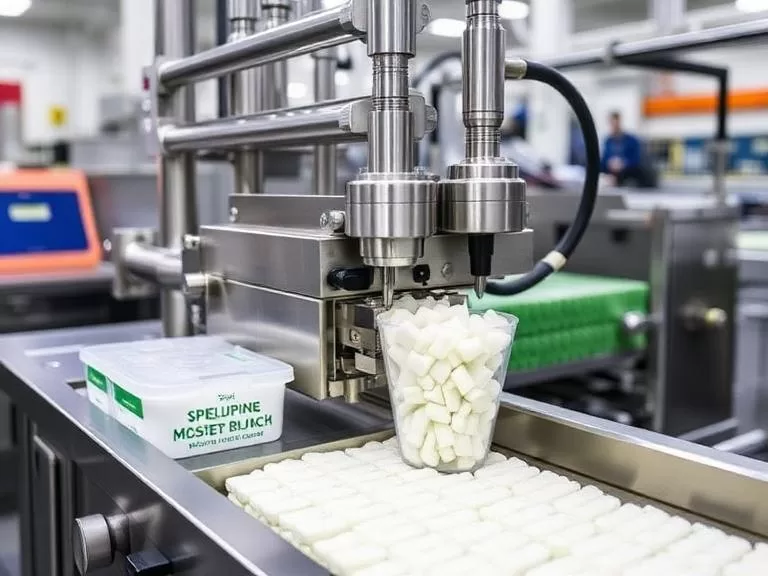
The transition from traditional coloring methods to a dedicated PET Masterbatch yields substantial operational and financial benefits. Facility managers worldwide have recognized these advantages, driving the global adoption of masterbatch solutions.
Elimination of Cross-Contamination
Raw pigment powders are notoriously difficult to manage. They become airborne easily, contaminating adjacent machinery, raw material silos, and the factory environment. A PET Masterbatch encapsulates the pigment within a dust-free, solid pellet. This not only protects the respiratory health of factory operators but also drastically reduces the time required to clean hoppers and extruders during color changeovers.
Precision Dosing and Consistency
Achieving batch-to-batch color consistency is a monumental challenge in polymer manufacturing. Because a PET Masterbatch contains a precise, pre-measured concentration of active ingredients, it allows for highly accurate volumetric or gravimetric dosing. Manufacturers can easily dial in specific let-down ratios (typically between 1% and 5%), ensuring that every meter of fiber or every single film roll exhibits the exact same chromaticity and functional performance.
Moisture Management and Intrinsic Viscosity Protection
PET is a hygroscopic polymer; it absorbs moisture from the atmosphere. If moisture is present during the high-temperature melt phase, it causes hydrolytic degradation, severely dropping the intrinsic viscosity and physical strength of the plastic. Our PET Masterbatch products are formulated to minimize moisture retention and are designed to undergo standard pre-drying protocols alongside the base resin, ensuring the mechanical integrity of the final extrusion remains uncompromised.
4. Tailored Applications for PET Masterbatch
The true versatility of PET Masterbatch is demonstrated through its diverse applications. Charming Masterbatch provides complete technical support service and individual development cooperation to engineer solutions for the following sectors.
Textile and Fiber Production
In the production of polyester yarns, staple fibers, and continuous filaments, exact color matching and zero-defect spinning are mandatory. Our Fiber/Filament Application Masterbatch is meticulously filtered to prevent spinneret blockages. From our experience, achieving vibrant, fade-resistant colors in textiles while maintaining yarn tenacity is entirely dependent on the dispersion quality of the PET Masterbatch used during melt spinning.
Flexible Films and Packaging
BOPET (Biaxially-Oriented Polyethylene Terephthalate) films demand exceptional optical clarity, thickness uniformity, and surface smoothness. Our Film/plastic Application Masterbatch provides high opacity or transparent coloring without introducing gels or un-dispersed particles that could tear the film during the stretching phase.
Functional Enhancements
Beyond color, a functional PET Masterbatch actively alters the physical behavior of the polymer. We offer creative functional solutions to solve practical problems in the field:
- Hygiene and Medical: Our Antimicrobial Masterbatch incorporates active silver-ion technology to inhibit bacterial growth on PET surfaces, an essential feature for medical textiles and food packaging.
- Static Dissipation: Synthetic fibers inherently generate static electricity. Integrating an Antistatic Masterbatch reduces surface resistivity, preventing dust accumulation and electrical shocks during processing and end-use.
- Fire Safety: For construction materials and automotive fabrics, compliance with strict safety regulations is non-negotiable. Our Flame Retardant Masterbatch halts the combustion cycle, suppressing flame spread and dripping in PET products.
- Weatherability: Outdoor applications require protection against solar degradation. We recommend our UV stabilizer Masterbatch to absorb and scatter ultraviolet radiation, preventing the PET matrix from becoming yellow and brittle over time.
5. Summary Table: Characteristics vs. Advantages
| Core Characteristic of PET Masterbatch | Resulting Processing Advantage | Industrial Impact |
|---|---|---|
| Sub-micron Pigment Dispersion | Low Filter Pressure Value (FPV) and no agglomerates. | Prevents spinneret blockages; reduces machine downtime. |
| High Thermal Stability (Up to 300°C) | No pigment degradation during the melt phase. | Maintains color fidelity; prevents black specks in films. |
| Dust-Free Pelletized Form | Clean handling and precise gravimetric dosing. | Eliminates cross-contamination; ensures exact color matching. |
| PET-Specific Carrier Resin | Perfect rheological compatibility. | Protects the intrinsic viscosity and tensile strength of the base polymer. |
| Functional Additive Integration | Imparts UV, FR, or Antistatic properties simultaneously. | Streamlines production by reducing the need for secondary surface treatments. |
6. Frequently Asked Questions (FAQs)
7. Industry References
To further understand the advanced polymer chemistry and regulatory standards associated with plastics manufacturing and additive integration, we recommend consulting the following authoritative bodies and resources: