
In the highly competitive world of polymer manufacturing and injection molding, making assumptions about your raw materials is a fast track to operational disaster. Thousands of dollars in machine downtime, rejected batches, and compromised brand reputation stem from a single failure: neglecting to properly Check Before Using Plastic Materials. Whether you are extruding agricultural film or molding automotive dashboard components, raw polymers and color concentrates behave unpredictably if their fundamental properties are not strictly audited prior to entering the hopper.
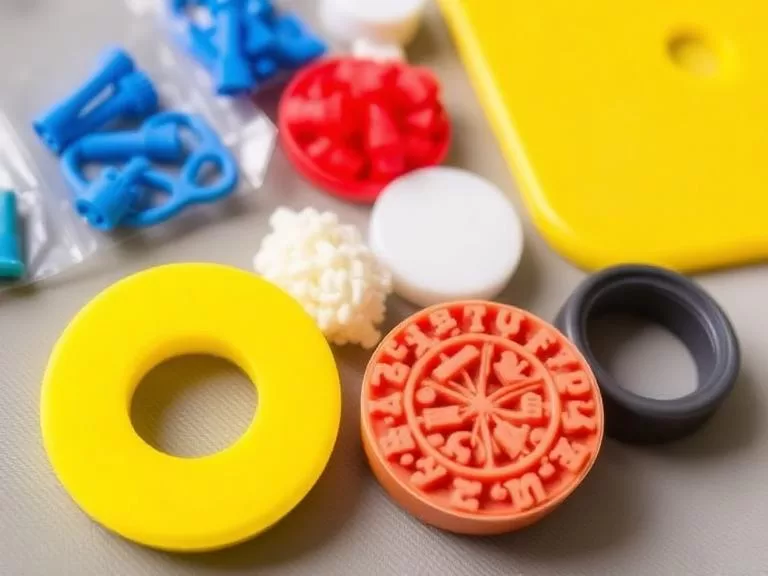
From our experience engineering advanced masterbatch solutions, we see manufacturers routinely blame their machinery for defects that are entirely material-driven. A misaligned melt flow index will cause short shots. Poor thermal stability will result in black specks and degraded mechanical strength. You must take a clear, proactive position on material qualification. In this comprehensive industry guide, we will break down the exact parameters you need to measure, explain the commercial implications of material failure, and demonstrate why rigorous pre-production testing is the only way to safeguard your bottom line.
Quick Answer: What You Must Audit
If you want to avoid catastrophic production failures, there are 6 non-negotiable properties you must Check Before Using Plastic Materials:
- Melt Flow Index (MFI): Determines the viscosity and flow rate of the polymer during processing.
- Thermal Stability: Ensures the plastic will not burn, degrade, or alter color under high processing temperatures.
- Dispersion and Compatibility: Critical for uniform color and additive distribution, preventing weak spots in the final product.
- Mechanical Strength: Evaluating tensile strength, impact resistance, and elongation to ensure the end product survives its intended use.
- Weatherability (UV Resistance): Crucial for outdoor products to prevent fading and embrittlement.
- Moisture Content: Prevents splay, bubbling, and structural degradation (especially in hygroscopic materials like PET or Nylon).
In most professional situations, relying solely on a supplier’s outdated Certificate of Analysis (COA) is insufficient. We recommend performing in-house verification or partnering with top-tier suppliers who utilize advanced compounding technology to guarantee batch-to-batch consistency.
Table of Contents
- What It Is: The Science of Material Qualification
- How It Works: The 6 Crucial Properties
- Benefits of Rigorous Material Auditing
- Limitations and Hard Truths
- Who Should Implement These Checks
- Common Mistakes in Plastic Procurement
- Commercial Buying Considerations
- Summary and Comparison Tables
- Expert Recommendation
- Frequently Asked Questions (FAQ)
What It Is: The Science of Material Qualification
To Check Before Using Plastic Materials means to subject incoming raw resins, recycled regrind, and masterbatch additives to a strict battery of physical, thermal, and chemical tests before they are released to the production floor. This protocol shifts a manufacturer from a reactive stance (troubleshooting defects as they happen) to a proactive stance (preventing defects entirely).
Plastic processing is a delicate thermal and mechanical dance. When you introduce a masterbatch into a virgin polymer matrix, you are altering its rheology. If you do not understand the masterbatch composition guide and how its carrier resin interacts with your base polymer, the resulting chemical incompatibility will cause delamination, streaking, and catastrophic structural failure.
How It Works: The 6 Crucial Properties
To establish commercial and practical judgment over your supply chain, you must evaluate these six specific parameters:
1. Melt Flow Index (MFI)
MFI measures the ease of flow of the melt of a thermoplastic polymer. If the MFI of your color concentrate is vastly different from your base resin, they will not mix homogeneously in the screw. Too high of an MFI leads to flash in injection molding; too low leads to short shots and immense stress on your extruder motor. You must Check Before Using Plastic Materials to ensure the MFI aligns with your specific machine calibration.
2. Thermal Stability
Plastics are subjected to immense heat and shear stress inside the barrel. If the pigments or carrier resins lack thermal stability, they will degrade. This manifests as color shifting, odor, or black carbonized specks. When evaluating color concentrate manufacturers, demanding thermal stability curves is non-negotiable for high-temperature resins like Polycarbonate or PBT.
3. Dispersion and Compatibility
Poor dispersion means pigments or additives agglomerate (clump together) rather than spreading evenly. This causes visual streaking and physical weak points. For heavy-duty applications like pressure pipes, poor dispersion causes premature bursting. Understanding exactly how to color plastic permanently relies heavily on utilizing masterbatches with premium dispersion agents.
4. Mechanical Strength
Does the final product need to flex without snapping, or does it need extreme rigidity? Tensile strength and impact resistance will plummet if you incorporate heavily contaminated regrind or cheap fillers. If you are learning what is filler masterbatch, you must understand that while calcium carbonate lowers costs, over-dosing it destroys impact resistance. You must Check Before Using Plastic Materials to balance cost-efficiency with mechanical integrity.
5. Weatherability and UV Resistance
For agricultural films, stadium seating, or automotive exteriors, sun exposure degrades polymer chains rapidly, leading to chalking and cracking. Utilizing proper additives is vital. We strongly advise reviewing UV masterbatch uses and benefits to ensure the material can withstand prolonged solar radiation.
6. Moisture Content
Moisture is the silent killer in plastic processing. Hygroscopic materials absorb moisture from the air. If processed wet, the water turns to steam inside the barrel, causing hydrolysis (breaking the polymer chains) which ruins structural integrity and causes silver streaking (splay) on the surface. Verifying moisture levels via a moisture analyzer before processing is an absolute mandate.
Benefits of Rigorous Material Auditing
The financial return on auditing your materials is immense. When you strictly Check Before Using Plastic Materials, you achieve continuous, uninterrupted production runs. Scrap rates plummet from 5% to under 1%. Machine wear and tear decreases because you are not forcing incompatible, high-viscosity sludge through your molds.
Furthermore, reliable testing ensures regulatory compliance. If you are manufacturing food-contact packaging or medical devices, failing to verify the absence of heavy metals or banned plasticizers can result in devastating lawsuits.
Limitations and Hard Truths
We must present the hard truths: comprehensive material testing is expensive and time-consuming. Setting up an in-house laboratory with a melt flow indexer, moisture analyzer, and spectrophotometer requires significant capital expenditure. For commercial users operating on razor-thin margins, waiting for lab results before authorizing a production run feels like a bottleneck.
Additionally, small batch variations will always exist. Even if you secure your materials from top masterbatch suppliers worldwide, environmental factors during shipping (like extreme humidity) can alter the material state upon arrival. Testing cannot be a one-time event; it must be a continuous operational standard.
Who Should Implement These Checks
For commercial users: Any facility operating injection molding, blow molding, film extrusion, or thermoforming must implement strict intake checks. If you are manufacturing load-bearing components, pressure vessels, or automotive parts, this is not optional. It is a liability requirement.
Who Does Not Need To (To an Extent)
For beginners: Small-scale hobbyists using desktop 3D printers or basic craft molders do not need to invest in industrial MFI testing equipment. Purchasing pre-certified, premium filament or resin from reputable domestic suppliers is generally sufficient for non-critical applications.
Common Mistakes in Plastic Procurement
The most catastrophic mistake we witness is purchasing raw materials based entirely on the lowest quote. A buyer might find a highly attractive plastic masterbatch price per ton 2026, only to discover that the cheap masterbatch utilizes a recycled carrier resin heavily contaminated with foreign polymers. This leads to immediate delamination in the final product.
Another major error is failing to match the carrier resin to the base polymer. Using an LDPE-based color masterbatch to color an engineering plastic like Polycarbonate or ABS will inevitably cause performance degradation. Understanding the specifics of specialty resins, such as what is PBT masterbatch, ensures you match carrier compatibility correctly.
Commercial Buying Considerations
When you are ready to upgrade your supply chain, you must evaluate your vendor’s compounding technology. Do they use twin-screw extruders for maximum shear and dispersion? Do they provide batch-specific COAs?
In our testing, we found that transitioning to a supplier who understands colorimetry is vital. Relying on a standardized masterbatch color code chart or a comprehensive plastic color chart with codes ensures that your brand colors remain identical whether you manufacture in January or July. Precision sourcing is the ultimate defensive strategy in plastic manufacturing.
Summary and Comparison Tables
Quick Summary Table: The 6 Properties
| Property to Check | Why It Matters | Risk if Ignored |
|---|---|---|
| Melt Flow Index (MFI) | Ensures proper flow and mold filling. | Short shots, machine wear, flash. |
| Thermal Stability | Prevents degradation at high heats. | Black specks, burned material, loss of strength. |
| Dispersion | Ensures uniform color and additive spread. | Color streaks, weak spots, clogged screens. |
| Mechanical Strength | Determines physical durability of the product. | Product breakage, liability, recalls. |
| UV Resistance | Protects against solar degradation. | Fading, cracking, chalking outdoors. |
| Moisture Content | Prevents steam generation in the barrel. | Splay, silver streaks, polymer hydrolysis. |
Comparison Table: In-House Testing vs. Relying on Supplier COA
| Approach | Reliability | Cost | Speed to Production |
|---|---|---|---|
| In-House Testing | Very High (Verifies exact current state) | High (Equipment & personnel) | Slower (Must await lab results) |
| Relying on Supplier COA | Moderate (Variables can change in transit) | Low (Free with shipment) | Fast (Immediate release to floor) |
Pros and Cons of Premium Masterbatch Sourcing
| Pros (Advantages) | Cons (Limitations) |
|---|---|
| Perfect dispersion eliminates color streaks. | Higher upfront price per kilogram. |
| Consistent MFI prevents machine recalibration. | May require higher MOQs (Minimum Order Quantities). |
| High thermal stability reduces scrap rates. | Longer lead times for custom color matching. |
| Expert technical support for troubleshooting. | Over-engineering for low-end disposable products. |
Expert Recommendation: Partnering with Charming Masterbatch
In most professional situations, the burden of material testing can be drastically reduced by partnering with a manufacturer whose internal quality control protocols exceed industry standards. If you are struggling with inconsistent what is PVC masterbatch formulations or finding reliable black masterbatch suppliers guide, we strongly recommend evaluating your current vendors against a market leader.
Why We Recommend Charming Masterbatch
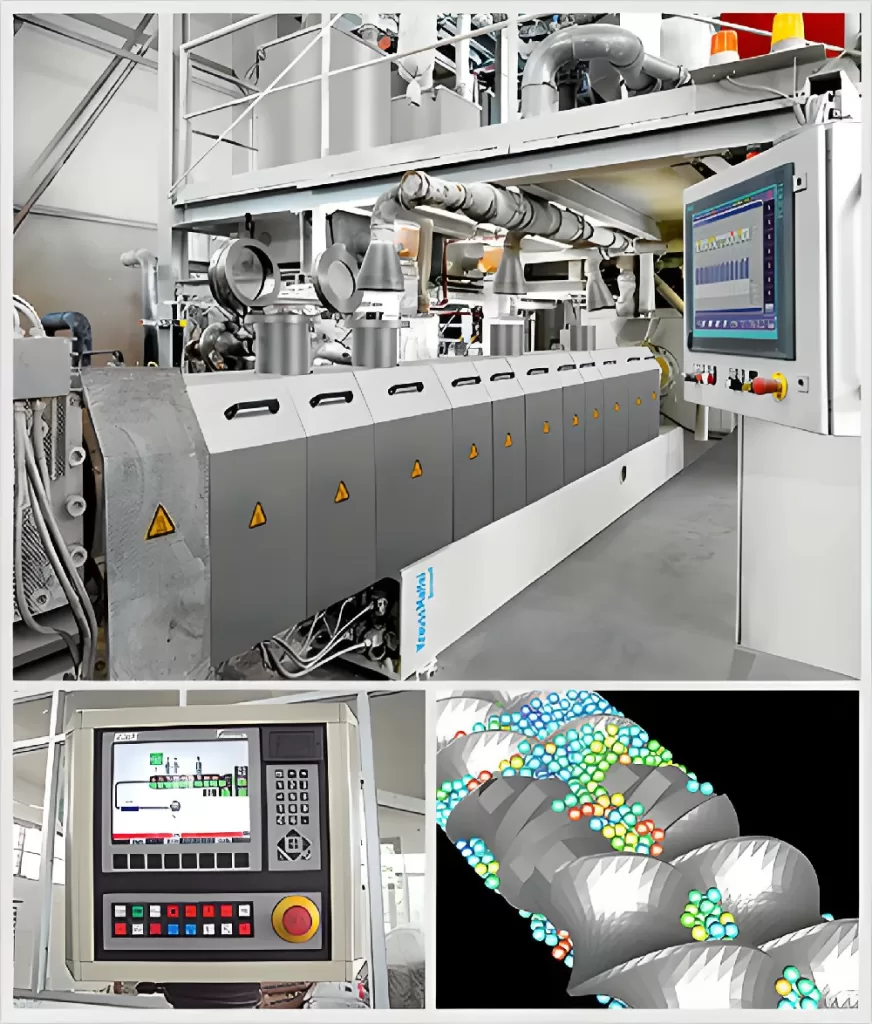
With advanced twin screw machines from Germany and decades of experience in Masterbatch processing and pigment dispersion technology, Charming Masterbatch provides stable high-quality color Masterbatch and creative functional Masterbatch solutions for our customers.
Charming Masterbatch is well known in the China market, and exports to Europe, South America, Southeast Asia, the Middle East, North Africa, etc., serving about 18 countries and markets worldwide.
Not only products, Charming provides complete technical support service and individual development cooperation, which can help our customers solve practical problems and develop new projects with creative solutions. Understanding the nuanced masterbatch production process allows them to engineer exact specifications. We are so proud that we can share our experience and technology with customers and grow up together. If you are seeking reliable plastic masterbatch manufacturers India or globally, Charming sets the benchmark for reliability.
Frequently Asked Questions (FAQ)
Why is it important to Check Before Using Plastic Materials if I have a COA?
A Certificate of Analysis (COA) reflects the material’s state at the moment it left the manufacturer’s facility. Environmental factors during shipping and storage—such as extreme humidity or temperature fluctuations—can significantly alter moisture content and even induce premature degradation. Performing intake checks verifies the material is still viable for processing.
How does poor dispersion in a masterbatch affect my final product?
Poor dispersion means the pigment or additive particles are clumped together. Visually, this causes streaks or speckles. Mechanically, these clumps act as stress concentrators within the polymer matrix, severely reducing impact strength and tensile strength, leading to premature product failure.
What happens if the MFI of the masterbatch is much lower than the base resin?
If the Masterbatch has a significantly lower Melt Flow Index (MFI) than the base resin, it acts like a thick sludge inside a thinner liquid. It will not mix homogeneously during the short residence time in the extruder or injection molding barrel, resulting in poor color distribution and potential mechanical weaknesses in the molded part.
Authoritative Industry References
To ensure your material testing protocols align with global engineering standards, we recommend reviewing documentation from the following authoritative bodies:
- ASTM International: Provides comprehensive standard test methods for measuring Melt Flow Rates (ASTM D1238) and Tensile Properties (ASTM D638) of plastics. Visit ASTM International
- International Organization for Standardization (ISO): Global standards for plastics, including ISO 1133 for melt mass-flow rate and ISO 527 for tensile properties. Visit ISO Plastics Committee
- UL Solutions: A global safety science leader providing rigorous testing, inspection, and certification services for plastic materials regarding flammability and thermal stability. Visit UL Plastics Testing