
Plastic manufacturing waste is not just a disposal problem. It is lost resin, wasted colorant, unnecessary machine time, avoidable labor and production capacity that could have generated saleable products. For injection molders, extruders, film producers and masterbatch users, the most effective waste-reduction strategy is to prevent defects before they happen rather than rely on recycling after a defective batch has already been produced.
Direct answer: How can manufacturers reduce plastic manufacturing waste?
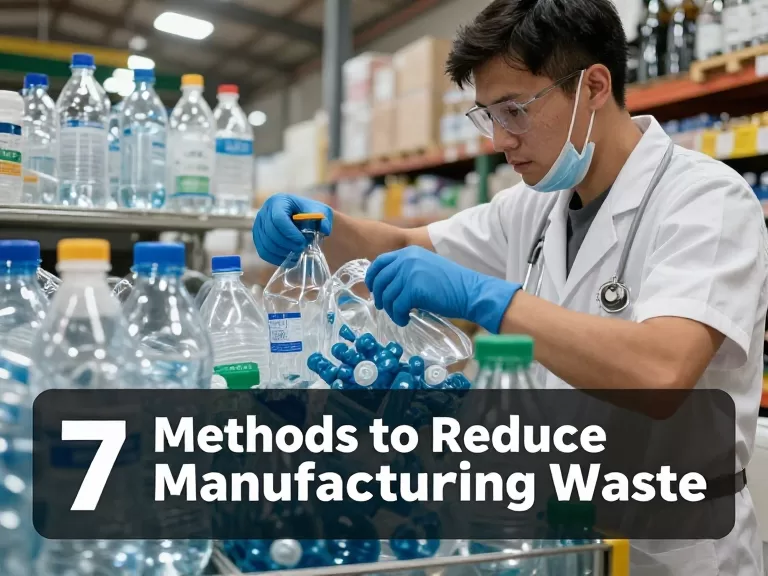
The most effective approach combines seven actions: optimize process parameters, improve raw material and masterbatch control, reduce startup and changeover scrap, maintain equipment, improve production planning, reuse compatible regrind responsibly, and monitor waste with measurable production data. These methods work best as one coordinated system. A factory that only increases recycling may recover some material, but it can still lose money through unstable processing, color mismatch, contamination and repeated production defects.
Quick Answer
To reduce plastic manufacturing waste, first identify where scrap is generated, then eliminate the largest recurring causes. Start with process stability, material handling and color consistency. Standardize machine settings, verify raw materials, control moisture and contamination, shorten changeovers, and establish clear rules for regrind. Track scrap by machine, product, shift and defect type so improvement work is based on actual losses.
- Fastest practical starting point: measure startup scrap, purge waste and recurring defects.
- Best long-term investment: stable processes, preventive maintenance and operator training.
- Material-saving opportunity: reuse suitable clean regrind where product specifications permit.
- Important caution: recycled material is not automatically suitable for every product or application.
Table of Contents
- What Is Plastic Manufacturing Waste?
- How Manufacturing Waste Occurs
- 7 Methods to Reduce Plastic Manufacturing Waste
- Comparison of Waste-Reduction Methods
- Pros and Cons of Waste-Reduction Strategies
- The Role of Masterbatch
- How to Implement a Waste-Reduction Program
- Common Mistakes
- Buying and Supplier Considerations
- Expert Recommendation
- Frequently Asked Questions
- References
What Is Plastic Manufacturing Waste?
Plastic manufacturing waste includes material and production output that cannot be sold as intended or must be processed again before it meets the required specification. It can occur at every stage, from resin receiving and material preparation to molding, extrusion, finishing, packaging and final inspection.
Some waste is visible, such as rejected parts, edge trim, purging material and damaged packaging. Other losses are less obvious: excessive cycle time, over-dosing of additives, unnecessary color changes, material degradation, machine downtime and products that require repeated adjustment before reaching an acceptable quality level.
For practical waste management, manufacturers should separate at least four categories:
- Process scrap: defective parts, off-spec film, unstable extrusion output, flash, short shots, burn marks and other production rejects.
- Startup and changeover waste: purge material, trial runs, color-transition material and output produced while a machine is being adjusted.
- Material-handling losses: spills, contaminated resin, moisture-damaged material, incorrect dosing and leftover blends that cannot be reused.
- Operational losses: downtime, poor scheduling, excessive inventory, unnecessary movement and avoidable reprocessing.
A common mistake is to measure only the weight of rejected plastic. That number matters, but it does not show the full financial impact. A rejected batch may also consume electricity, machine capacity, labor, packaging and inspection time. A useful waste-reduction program measures both material loss and the cost of producing nonconforming output.
How Does Plastic Manufacturing Waste Occur?
Most plastic production waste comes from variation. When material properties, machine conditions, tooling, color concentration or operator settings change, the finished product can move outside its specification.
In injection molding, poor temperature control, unsuitable injection pressure, inconsistent cooling or worn tooling may cause dimensional defects, flash, warpage or short shots. In extrusion, unstable melt conditions, inconsistent feeding, screen blockage or incorrect die settings can produce thickness variation, surface defects and excessive trim.
Material selection also matters. Different resin grades may have different melt flow behavior, thermal characteristics and processing requirements. If a recycled resin or regrind stream is introduced without proper evaluation, the resulting variation may create more scrap than the material savings justify.
Color and functional additives are another frequent source of avoidable waste. Incorrect pigment dispersion, inconsistent dosing, poor compatibility or an unsuitable carrier resin can lead to color variation, streaking and processing instability. These problems are particularly expensive when the production run involves a high-value finished product or a demanding customer color specification.
7 Methods to Reduce Plastic Manufacturing Waste
1. Optimize Processing Parameters and Stabilize Production
The first method is to make the production process repeatable. A machine that produces acceptable parts only after repeated manual adjustment is not operating efficiently, even if the final inspection results look satisfactory.
Manufacturers should establish a documented process window for each material and product combination. Depending on the process, relevant parameters may include melt temperature, barrel temperature, mold temperature, injection speed, pressure, cooling time, screw speed, back pressure, line speed, die temperature and material feed rate.
Do not copy settings from a different resin grade or assume that a previous production run provides a perfect starting point. Material suppliers, recycled content, color concentrates and environmental conditions can all affect processing behavior.
Practical recommendations:
- Record approved settings for each product and material combination.
- Use first-piece approval before moving into full production.
- Monitor key process variables during the run, not only at final inspection.
- Investigate recurring defects instead of repeatedly correcting symptoms.
- Use statistical process control where production volume and process characteristics justify it.
For injection molders, reducing variation in cycle conditions can lower reject rates and improve dimensional consistency. For extrusion plants, stable feeding and melt conditions can reduce thickness variation, edge trim and off-spec output. The best improvement is usually the one that removes a recurring source of variation rather than adding more inspection labor.
2. Improve Raw Material, Masterbatch and Additive Management
Material management is one of the most practical ways to reduce plastic manufacturing waste. Incorrect resin selection, contaminated material, poor storage, inconsistent dosing and unsuitable masterbatch can all create defects that are difficult to correct after production begins.
Start by checking that each raw material matches the approved specification. Confirm resin grade, material identity, supplier batch, moisture requirements and compatibility with the intended process. Keep different grades and colors clearly identified to prevent accidental mixing.
Masterbatch selection deserves particular attention. A color concentrate should be compatible with the base polymer and processing conditions. Its recommended let-down ratio should be validated for the target color, opacity, product geometry and required appearance. Increasing the dosage without understanding the cause of a color mismatch can raise costs and create new processing issues.
For example, if an injection-molded component has inconsistent color, the cause may be poor mixing, unstable dosing, unsuitable pigment dispersion, inconsistent resin or incorrect machine settings. Simply adding more color masterbatch is not always the right solution.
Manufacturers should also understand the role of additives. UV protection, antistatic properties, flame retardancy and other functional requirements may need specialized formulations. A suitable UV masterbatch solution can be relevant when outdoor durability is required, but the formulation must match the polymer and the actual performance target.
We recommend treating masterbatch as a process-critical material, not simply a colorant purchased at the lowest price. Stable dispersion, consistent concentration and technical support can help prevent repeat production trials and avoidable scrap.
3. Reduce Startup Scrap, Purging and Color-Change Waste
Startup and changeover waste is easy to overlook because it is often considered a normal part of production. Some purge material and trial output are unavoidable, but excessive waste usually indicates an opportunity to improve planning or process control.
Color changes can be especially costly. When moving from a dark color to a light color, residual pigment in the barrel, screw, die or conveying system may contaminate the next production run. A poorly planned sequence can require repeated purging and generate large quantities of mixed-color plastic that cannot be used in the intended product.
How to reduce changeover waste:
- Schedule production from lighter colors to darker colors when technically and commercially practical.
- Group compatible products and materials to reduce unnecessary changeovers.
- Use documented cleaning and purging procedures for each machine.
- Determine an effective purge quantity through controlled trials rather than guesswork.
- Prepare the next material and color before stopping the current production run.
- Track purge weight by machine and changeover type.
Color sequencing should not override customer deadlines, material compatibility or product quality. However, better scheduling can often reduce the number of difficult transitions without purchasing new equipment.
When color consistency is critical, use a clearly defined color target and approved reference sample. A practical plastic color chart with codes can support communication between purchasing, production, quality teams and the masterbatch supplier. It does not replace instrumental color measurement where tight tolerances are required.
4. Maintain Equipment, Molds, Dies and Material-Handling Systems
Worn or poorly maintained equipment creates waste repeatedly. A damaged mold surface, leaking hydraulic system, unstable heater, worn screw, blocked screen pack or inaccurate dosing feeder can undermine an otherwise suitable process.
Preventive maintenance is more effective than waiting for a machine failure to interrupt production. Maintenance schedules should reflect equipment condition, operating hours, material abrasiveness, process temperature and the manufacturer’s recommendations.
Pay particular attention to components that directly affect material flow and product dimensions:
- Injection mold vents, gates, cooling channels and cavity surfaces.
- Extruder screws, barrels, dies, heaters and screen changers.
- Gravimetric or volumetric dosing equipment.
- Hoppers, dryers, conveying pipes and filters.
- Temperature sensors, pressure sensors and control systems.
For example, inconsistent masterbatch feeding may be caused by a dosing problem rather than the masterbatch itself. Before changing suppliers or increasing the concentration, verify feeder calibration and material flow. This prevents unnecessary formulation changes and avoids blaming a material for an equipment-related defect.
For heavy-duty applications and continuous production, maintenance planning should include spare parts, inspection intervals and documented corrective actions. The objective is not to maintain every component at the maximum possible frequency; it is to identify which failures create the largest quality and production losses.
5. Reuse Regrind and Recycled Material Responsibly
Reusing suitable production scrap can reduce virgin resin consumption and lower material disposal costs. Common examples include clean sprues, runners, edge trim and selected off-spec parts that can be sorted, ground and reintroduced into an appropriate production stream.
However, regrind is not automatically suitable for every application. Repeated heat and mechanical processing may affect polymer properties. Contamination, mixed polymers, incompatible colors and inconsistent particle size can also create quality problems.
The correct regrind ratio depends on polymer type, product performance requirements, processing conditions, customer specifications and applicable regulations. A percentage that works for a non-critical industrial component may be unsuitable for a product requiring strict appearance, mechanical performance, food-contact compliance or other controlled properties.
Recommended regrind management:
- Separate scrap by polymer, grade, color and source.
- Keep clean internal production scrap separate from unknown external recycled material.
- Use controlled grinding and screening to maintain consistent particle size.
- Evaluate the effect of regrind on melt flow, mechanical properties, color and finished-product quality.
- Set an approved regrind ratio for each product rather than allowing uncontrolled additions.
- Maintain batch traceability and follow customer and regulatory requirements.
Regrind is most attractive when the material stream is clean, predictable and technically suitable. If adding recycled material increases defects, slows production or causes customer rejection, the apparent resin savings may disappear.
6. Improve Production Planning, Inventory and Material Handling
Waste is not created only at the machine. Poor production planning can leave partially used material, obsolete colors, expired additives and excess finished goods that are difficult to sell. Last-minute schedule changes can also increase cleaning, purging and setup requirements.
Manufacturers should align purchasing, production scheduling and customer demand. This is particularly important for custom colors and specialty masterbatch formulations, where leftover inventory may have limited use in future orders.
Practical actions include:
- Use demand forecasts and confirmed orders to plan production quantities.
- Set minimum and maximum inventory levels for frequently used resins and additives.
- Group compatible colors and polymer grades into efficient production campaigns.
- Apply first-in, first-out inventory rotation where appropriate.
- Label opened bags, partial containers and prepared blends clearly.
- Review obsolete and slow-moving materials before they become unusable.
For custom color production, standardize color references and retain approved samples or formulation records where appropriate. This reduces the chance of producing unnecessary trial batches because a color target was communicated differently between teams.
Brands and processors comparing masterbatch suppliers worldwide should also consider supply consistency and technical responsiveness. Reliable lead times and repeatable color matching can make production planning easier and reduce the need to hold excessive safety stock.
7. Measure Waste and Train Operators to Improve Continuously
A factory cannot reliably reduce what it does not measure. Waste reduction should be managed through a small set of meaningful indicators rather than a general instruction to “use less material.”
Useful indicators include:
- Scrap rate: rejected material or output divided by total production, using a clearly defined measurement basis.
- Startup scrap: material discarded during machine startup and process stabilization.
- Changeover waste: purge and trial material generated during product or color transitions.
- Regrind utilization: the proportion of suitable internal scrap returned to approved production streams.
- First-pass yield: the proportion of output meeting requirements without rework.
- Unplanned downtime: production time lost to equipment or process problems.
Record these indicators by machine, product, shift and defect category. A factory-wide scrap percentage may hide the fact that one machine or one color transition is responsible for most of the loss.
Operator training is equally important. Operators should understand the approved process window, material identification, dosing procedures, defect recognition and escalation rules. They should know when to stop a run rather than continue producing defective material while waiting for a supervisor.
From our experience, the strongest waste-reduction programs combine operator knowledge with production data. Data identifies where the problem occurs; experienced operators help explain why it occurs. Both are necessary to develop a lasting correction.
Comparison Table: Which Waste-Reduction Method Should You Prioritize?
Not every factory needs to invest in every improvement at the same time. Use this comparison to select the first actions based on your production losses and available resources.
| Method | Main Waste Target | Implementation Effort | Best Starting Point | Priority |
|---|---|---|---|---|
| Process optimization | Defective parts and off-spec output | Medium | Standardize machine settings and first-piece approval | High |
| Material and masterbatch control | Color defects, contamination and dosing errors | Low to medium | Verify material specifications and feeder calibration | High |
| Changeover improvement | Purge and startup scrap | Low to medium | Review production sequence and purge procedures | High where color changes are frequent |
| Preventive maintenance | Recurring machine-related defects and downtime | Medium | Identify equipment linked to the highest scrap volume | High |
| Controlled regrind reuse | Usable internal plastic scrap | Medium | Segregate clean scrap and validate reuse conditions | High when suitable scrap is available |
| Production planning | Obsolete material, excess inventory and avoidable changeovers | Medium | Review demand, inventory and production sequence | Medium to high |
| Waste measurement and training | Unidentified recurring losses | Low to medium | Start a machine-level scrap and defect log | Essential foundation |
Pros and Cons of Plastic Manufacturing Waste-Reduction Strategies
Waste reduction creates value when it lowers total production cost without compromising product performance. Each method has trade-offs, and manufacturers should avoid pursuing material savings at the expense of quality or compliance.
| Strategy | Pros | Cons and Limitations |
|---|---|---|
| Process optimization | Can reduce recurring defects, improve consistency and increase usable output. | Requires process knowledge, measurement and disciplined parameter control. |
| Masterbatch optimization | Can improve color consistency and reduce over-dosing or repeated color trials. | Requires compatibility checks, suitable dispersion and correct dosing. |
| Regrind reuse | Can reduce virgin material consumption and disposal volume. | May affect properties, appearance or compliance if poorly controlled. |
| Preventive maintenance | Helps avoid recurring equipment-related defects and unexpected downtime. | Requires planned maintenance time, records and spare parts. |
| Improved scheduling | Can reduce purge waste, obsolete stock and unnecessary changeovers. | Requires coordination between sales, purchasing and production. |
| Waste monitoring | Shows where losses occur and helps verify whether improvements work. | Data must be accurate, consistently defined and acted upon. |
Our recommendation: begin with process stability, material control and waste measurement. These actions often reveal the largest recurring problems without requiring major capital investment. Introduce regrind reuse only after material segregation and product requirements are understood.
How Masterbatch Helps Reduce Plastic Manufacturing Waste
Masterbatch can contribute to waste reduction by providing a concentrated and controlled way to introduce colorants or functional additives into a polymer. However, the benefit depends on selecting the correct formulation and using it consistently.
A poorly matched masterbatch can create color variation, processing problems, surface defects or inconsistent performance. A suitable product, correctly dosed and properly dispersed, can help reduce repeated adjustments and rejected output.
Choose the Correct Masterbatch for the Polymer
Carrier resin compatibility is essential. A masterbatch designed for one polymer should not be assumed to perform equally well in another. For example, manufacturers working with PVC or PBT should understand the specific material requirements and processing characteristics before selecting a color concentrate.
Review the formulation principles in this masterbatch composition guide before changing a color or additive system. For PVC applications, our guide to what PVC masterbatch is and how it is used explains why material compatibility and application requirements matter.
Control Color Matching and Dosing
Color mismatch can lead to a surprising amount of waste, especially in products with strict appearance requirements. A color reference should include a defined target, measurement conditions and acceptable tolerance where required. A masterbatch color code chart can help standardize communication, but production approval should be based on the actual material and agreed color standard.
Do not increase the let-down ratio automatically when a color is incorrect. First investigate whether the problem comes from feeder calibration, base resin variation, processing temperature, dispersion, contamination or the masterbatch formulation.
Use Filler Masterbatch Only When It Fits the Product
Filler masterbatch may be used to adjust cost and selected material characteristics in suitable applications. It is not a universal replacement for virgin resin, and higher filler loading does not automatically mean lower total production cost.
Before using it, assess the effect on impact strength, elongation, surface appearance, processability and final product requirements. Our guide to what filler masterbatch is provides a useful starting point for understanding its role.
How to Build a Practical Plastic Waste-Reduction Program
A waste-reduction project should have a clear baseline, a responsible owner and measurable targets. Avoid setting an ambitious factory-wide target before understanding the current causes of waste.
Step 1: Establish a Baseline
Measure material input, good output, scrap, rework, purge and inventory losses over a representative production period. Use consistent definitions so that improvements can be compared fairly.
Step 2: Identify the Largest Sources of Loss
Rank waste by weight and cost. A small quantity of an expensive specialty material may represent a larger financial loss than a larger quantity of low-cost resin. Review defects by machine, product, material and shift.
Step 3: Select One or Two High-Impact Improvements
Choose actions that address the biggest verified causes. Examples include calibrating a dosing feeder, correcting a recurring temperature issue, revising color-change sequencing or improving material segregation.
Step 4: Run a Controlled Trial
Change one important variable at a time where practical. Compare scrap rate, cycle time, product quality and material consumption before and after the adjustment. Do not declare success based on a short run if the process has not reached stable production conditions.
Step 5: Standardize and Train
When an improvement works, update work instructions, process settings, inspection criteria and operator training. Without standardization, the factory may return to its previous waste level when shifts or operators change.
Step 6: Review Results Regularly
Review waste indicators with production, quality, maintenance and purchasing teams. If scrap increases, investigate promptly. A sustained improvement program depends on consistent review rather than a one-time cost-cutting campaign.
Example: Reducing color-change waste in an extrusion plant
Suppose a film producer frequently switches between several colors. The plant records purge weight for each transition and finds that certain light-to-dark and dark-to-light changes create very different levels of waste. The team then groups compatible colors, standardizes cleaning procedures and verifies the required purge quantity for each transition. The improvement is measured through purge weight per changeover and the quality of the first accepted output. This is more reliable than simply instructing operators to use less purge material.
Common Mistakes That Increase Plastic Manufacturing Waste
1. Treating All Scrap as Recyclable
Mixed polymers, contaminated material and degraded scrap may not be suitable for internal reuse. Establish clear segregation rules before grinding or blending scrap back into production.
2. Using the Cheapest Resin or Masterbatch Without Process Evaluation
A lower purchase price is not a saving if the material causes higher dosing, longer setup, color variation or more rejected output. Compare total production cost rather than unit price alone.
3. Changing Several Machine Settings at Once
Multiple simultaneous changes make it difficult to identify the cause of an improvement or deterioration. Use controlled trials and document the results.
4. Ignoring Small, Repeated Losses
A small amount of purge or scrap generated on every shift can become a significant annual loss. Measure recurring waste instead of focusing only on major production incidents.
5. Increasing Regrind Content Without Testing
Higher recycled content may reduce virgin resin consumption but can affect mechanical properties, appearance and process stability. Validate each product and application before changing the approved ratio.
6. Focusing on Recycling Instead of Prevention
Recycling is useful, but preventing defects is usually preferable to producing defective material and then processing it again. Prioritize first-pass quality and process stability.
Buying Considerations: How to Choose a Masterbatch Supplier
If masterbatch quality is contributing to production waste, changing suppliers may be worth considering. However, a supplier change should be based on technical evidence rather than a color sample or quotation alone.
Ask potential suppliers the following questions:
- Is the carrier resin compatible with our polymer? Confirm suitability for the actual base resin and processing method.
- Can you support repeatable color matching? Ask how color targets, tolerances and batch consistency are managed.
- What is the recommended let-down ratio? Request application-specific guidance and verify it in production trials.
- How is pigment dispersion controlled? Discuss dispersion quality and its effect on appearance and processing.
- Can you provide technical documentation? Depending on the product, request relevant specifications, safety information and quality documentation.
- Can the supplier support custom development? This matters when the application requires a specific color, carrier or functional performance.
- How consistent are repeat orders? Ask about batch traceability, retained samples and procedures for investigating quality differences.
Compare the plastic masterbatch price per ton only after confirming that the products being compared have similar technical specifications and performance requirements. A lower price per ton may not produce a lower cost per finished product if the dosage rate is higher or the defect rate increases.
Cost-Benefit Analysis: Cheap Material vs. Stable Production
Consider two masterbatch options. Supplier A offers a lower price but requires more frequent color adjustment and creates more rejected output. Supplier B costs more per ton but delivers repeatable color and more predictable processing. The correct purchasing decision depends on the total cost of using each material.
A useful comparison should include:
- Masterbatch price per kilogram or ton.
- Actual let-down ratio used in production.
- Color-change and startup scrap.
- Machine downtime and setup labor.
- Rejected product and rework cost.
- Technical support and delivery reliability.
For commercial users, a stable formulation can be worth paying more for when it demonstrably reduces total manufacturing cost. The decision should be confirmed through a controlled production trial rather than supplier promises.
Charming Masterbatch: Technical Support for More Consistent Production

Charming Masterbatch Manufacturer
Charming provides color masterbatch and functional masterbatch solutions backed by decades of experience in masterbatch processing and pigment dispersion technology. Its production equipment includes advanced twin-screw machines from Germany.
Charming serves customers in China and exports to Europe, South America, Southeast Asia, the Middle East, North Africa and other markets, covering approximately 18 countries and markets worldwide.
Beyond supplying products, Charming provides technical support and individual development cooperation to help customers address practical processing problems and develop new projects.
For manufacturers trying to reduce waste, supplier cooperation should focus on the actual production challenge. That may mean selecting a compatible carrier resin, improving pigment dispersion, reviewing the recommended dosing ratio or developing a functional formulation for a specific application.
Charming’s experience in masterbatch processing and pigment dispersion can support these discussions. The best starting point is to share the polymer type, processing method, target color or function, current dosage, observed defect and relevant production conditions. This gives the technical team a practical basis for recommending a suitable solution.
Expert Recommendation: Prevent Waste Before Investing in More Recycling
Our position is straightforward: plastic manufacturers should prioritize prevention, process stability and material control before investing heavily in additional recycling capacity. Recycling has an important role, but it should not become a reason to accept avoidable production defects.
For beginners, start with a simple scrap log. Record the type, weight, machine, product and reason for every major waste stream. Then focus on the two most expensive recurring causes.
For established factories, connect quality, maintenance, purchasing and production data. A recurring color defect may involve the masterbatch, dosing equipment, resin batch or machine settings. Solving it requires the teams responsible for those factors to work together.
For heavy-duty applications and high-volume production, prioritize preventive maintenance, process monitoring, material traceability and validated production settings. Small variations can become expensive when repeated across long production runs.
Finally, evaluate every proposed improvement against three questions:
- Does it reduce material loss or improve first-pass yield?
- Does it maintain the required product quality and performance?
- Does it reduce total manufacturing cost after implementation and maintenance costs are included?
If the answer to all three is yes, the improvement is worth standardizing. If it only reduces raw material consumption while increasing defects or rework, it is not a genuine waste-reduction success.
Quick Summary Table
| Method | Key Action | Expected Operational Benefit |
|---|---|---|
| Optimize processing parameters | Standardize settings and monitor process variation | Fewer defects and more stable output |
| Improve material and masterbatch control | Verify compatibility, quality and dosing | Less contamination, color variation and material loss |
| Reduce startup and changeover scrap | Improve scheduling, cleaning and purging procedures | Less purge waste and shorter transitions |
| Maintain equipment | Inspect molds, dies, feeders and processing systems | Fewer equipment-related defects and interruptions |
| Reuse suitable regrind | Segregate and validate internal scrap | Lower virgin resin use where technically appropriate |
| Improve production planning | Coordinate demand, inventory and production sequences | Less obsolete material and avoidable changeovers |
| Measure waste and train operators | Track scrap by machine and defect type | More effective corrective action and sustained improvement |
Frequently Asked Questions
1. What is the most effective way to reduce plastic manufacturing waste?
Start by identifying the largest recurring sources of scrap, then improve process stability, material control and equipment condition. Preventing defects before they occur is generally more effective than relying on recycling after production.
2. How can injection molding companies reduce plastic waste?
Injection molding companies can reduce waste by standardizing process parameters, optimizing mold temperature and cooling, maintaining tooling, checking material quality and approving first-off parts before full production. They should also track startup scrap, flash, short shots and other recurring defects.
3. Can regrind be reused in plastic manufacturing?
Yes, suitable clean internal scrap can often be ground and reused in approved applications. The regrind ratio must be evaluated against polymer properties, appearance, processing behavior, customer specifications and regulatory requirements. Not all scrap is suitable for reuse.
4. Does masterbatch help reduce plastic manufacturing waste?
A compatible, consistently dispersed masterbatch used at an appropriate dosage can help improve color consistency and reduce repeated adjustments. Poorly selected or incorrectly dosed masterbatch can instead increase defects and waste. Validate the product in the actual polymer and process.
5. How can manufacturers reduce color-change waste?
Group compatible colors, plan production sequences carefully, standardize cleaning and purging procedures, and verify the purge quantity required for each transition. Keep approved color references and document changeover performance.
6. What is the difference between plastic waste prevention and recycling?
Waste prevention avoids generating defective or unnecessary material in the first place. Recycling processes discarded material for reuse or recovery. Both are valuable, but prevention should be prioritized because it avoids the original material, energy and processing losses.
7. How should a factory measure plastic manufacturing waste?
Track scrap weight and cost, startup waste, purge waste, first-pass yield, rework and downtime. Break the data down by machine, product, material, shift and defect type so the factory can identify the main causes rather than relying on one overall scrap percentage.
8. Is filler masterbatch a good way to reduce plastic production costs?
Filler masterbatch can reduce the amount of virgin polymer used in suitable applications, but it may also affect mechanical properties, surface quality and processing. Evaluate the finished product requirements and total production cost before increasing filler content.
9. What should manufacturers check before changing masterbatch suppliers?
Check carrier resin compatibility, color consistency, pigment dispersion, recommended dosage, technical documentation, batch traceability and delivery reliability. Conduct a controlled production trial and compare total manufacturing cost rather than price per ton alone.
10. How can small plastic manufacturers start reducing waste without major investment?
Begin with accurate scrap records, operator training, material segregation, feeder calibration, preventive maintenance and better production sequencing. These measures can reveal and address recurring losses before major equipment investment is considered.
References
- U.S. Environmental Protection Agency (EPA).
Sustainable Materials Management: Non-Hazardous Materials and Waste Management Hierarchy.
Guidance on prioritizing source reduction, reuse, recycling and other waste-management approaches. - European Commission.
Plastics Strategy and Policy.
Policy context for plastic production, consumption, recycling and the transition toward a more circular plastics economy. - International Organization for Standardization (ISO).
ISO 14001:2015 Environmental Management Systems.
International standard outlining requirements for an environmental management system, including systematic management of environmental responsibilities and improvement.