
Color variation in plastic products is rarely caused by a single bad batch of pigment. In production, the real problem is usually a combination of inconsistent raw materials, poor pigment dispersion, processing changes, equipment conditions, or an inadequate color-control procedure. If you are producing injection-molded parts, films, pipes, packaging, automotive components, or consumer products, controlling these variables is far more effective than simply increasing pigment dosage.

From our experience in masterbatch processing and pigment dispersion, the most reliable way to solve color variation is to identify where the color is changing in the process rather than treating every off-color product as a masterbatch problem. A properly formulated masterbatch can still produce inconsistent results if the polymer, let-down ratio, processing temperature, residence time, or measurement method changes.
Quick Answer: What causes color variation in plastic products?
The nine most common causes are inconsistent base resin, incorrect masterbatch dosage, poor pigment dispersion, processing temperature changes, excessive residence time, shear variation, moisture or contamination, equipment differences, and inconsistent color measurement. In most professional situations, the best solution is not simply adding more pigment. We recommend establishing a controlled masterbatch formulation, fixed let-down ratio, stable processing conditions, standardized color measurement, and a retained production reference sample.
Table of Contents
- What Color Variation in Plastic Products Actually Means
- Quick Summary Table
- 1. Inconsistent Base Resin
- 2. Incorrect Masterbatch Dosage
- 3. Poor Pigment Dispersion
- 4. Processing Temperature Changes
- 5. Residence Time and Thermal History
- 6. Shear Rate and Machine Conditions
- 7. Moisture and Contamination
- 8. Equipment and Production-Line Differences
- 9. Inconsistent Color Measurement
- Masterbatch vs Other Coloration Methods
- Common Mistakes That Make Color Variation Worse
- Buying Considerations for Color Masterbatch
- Expert Recommendation
- Frequently Asked Questions
- References
What Color Variation in Plastic Products Actually Means
Color variation means that plastic products intended to have the same color do not visually or instrumentally match one another. The difference may occur between production batches, between machines, between raw-material lots, or even within the same production run.
The variation can appear as a lighter or darker shade, a shift toward red, yellow, blue, or green, reduced saturation, inconsistent opacity, or differences in gloss that make an otherwise similar color appear different.
This distinction matters because not every visual difference is a pigment problem. A glossy molded surface and a matte surface can reflect light differently even when the underlying color is close. Likewise, changing resin crystallinity, filler content, thickness, or surface texture can change the perceived appearance.
For manufacturers, the practical question is therefore not simply, “Why is my color wrong?” The better question is, “Which process variable changed between the approved sample and the rejected production part?” That question usually leads to the solution much faster.
Quick Summary Table: 9 Causes of Color Variation
| Cause | Typical Effect | Risk Level | Recommended Action |
|---|---|---|---|
| Base resin variation | Shade, opacity and brightness shift | High | Control resin grade and supplier lots |
| Incorrect masterbatch dosage | Color becomes too light or too dark | High | Calibrate feeders and verify let-down ratio |
| Poor pigment dispersion | Streaks, spots and uneven shade | Very High | Use properly dispersed masterbatch |
| Temperature variation | Color shift or pigment degradation | High | Stabilize barrel and die temperatures |
| Residence time | Darkening, yellowing or degradation | Medium-High | Control startup, shutdown and throughput |
| Shear variation | Uneven dispersion or shade changes | Medium-High | Maintain consistent screw conditions |
| Moisture and contamination | Specks, streaks and unstable appearance | High | Dry materials and control handling |
| Equipment differences | Machine-to-machine color mismatch | High | Standardize process windows |
| Measurement inconsistency | False rejects or inconsistent approvals | High | Standardize lighting and instrumental testing |
1. Inconsistent Base Resin
The base polymer is one of the most overlooked causes of color variation in plastic products. Manufacturers sometimes assume that if they use the same polymer name, the color should automatically remain the same. In practice, resin grade, melt flow characteristics, additive packages, filler levels, recycled content, moisture, and supplier lot can all influence the final appearance.
For example, a color masterbatch designed for a particular PP grade may behave differently when used in another PP grade with a different melt flow rate or additive package. The same principle applies to PE, ABS, PS, PVC, PBT and other engineering or commodity plastics.
For beginners, the practical rule is simple: do not change the base resin and masterbatch simultaneously. If you change both, you lose the ability to determine which variable caused the color shift.
We recommend recording the resin grade, supplier, lot number and recycled-material percentage for every approved color trial. This information becomes extremely valuable when a customer requests the same color six months later.
If your application uses polypropylene, our guide to what is PP masterbatch provides additional context on resin compatibility and coloration.
2. Incorrect Masterbatch Dosage
Masterbatch dosage is another obvious variable that becomes surprisingly difficult to control at production scale. A formulation that performs perfectly at a laboratory let-down ratio can produce inconsistent parts if the gravimetric or volumetric feeder is inaccurate.
If the target addition rate is 2%, but the actual rate fluctuates between 1.7% and 2.3%, the final color can move noticeably depending on pigment strength and the opacity requirements of the application.
Manual addition creates an even larger risk. It may be acceptable for small prototypes, but it is not our preferred approach for commercial production. For commercial users, automatic dosing with regular calibration is a much better investment than trying to compensate for inaccurate feeding with a stronger pigment formulation.
Practical production insight: If the color changes periodically rather than continuously, check the feeding system before changing the masterbatch formulation. Intermittent color variation often points to dosing instability, bridging, poor pellet flow, or inconsistent material feeding.
3. Poor Pigment Dispersion
Poor pigment dispersion is one of the most important causes of color variation in plastic products. Pigments must be distributed effectively throughout the carrier system and ultimately throughout the polymer matrix. When dispersion is inadequate, manufacturers may see streaks, pigment clusters, specks, cloudy areas or inconsistent shade.
This is where the quality of the masterbatch manufacturing process matters. A masterbatch is not simply pigment mixed with plastic. Carrier selection, pigment loading, additive compatibility, extrusion conditions and dispersion technology all affect the final result.
From our experience, a well-dispersed masterbatch often delivers better production consistency than simply buying a highly concentrated product with an attractive price per kilogram.
Charming Masterbatch uses advanced twin-screw machines from Germany together with established pigment dispersion and masterbatch processing technology. The objective is consistent pigment distribution and stable processing performance rather than concentration alone.
If you are evaluating suppliers, our guide to masterbatch composition is useful because it explains why pigment, carrier and additives must be considered as a system.
4. Processing Temperature Changes
Plastic processing temperature has a direct relationship with color stability. A temperature that is too high can accelerate polymer degradation or affect heat-sensitive pigments. A temperature that is too low can reduce melting and mixing efficiency.
The mistake we see most often is treating the machine’s displayed temperature as the complete story. Actual melt temperature can differ from the set barrel temperature, especially when screw speed, back pressure, throughput and residence time change.
For heat-sensitive applications, process engineers should evaluate the entire thermal history rather than focusing on a single temperature setting.
In most professional situations, a stable process window is more valuable than chasing a theoretical “perfect” temperature. Once a formulation is approved, document the working range and keep production inside that range.
5. Residence Time and Thermal History
Two production runs can use the same resin, same masterbatch and same machine settings but still produce different colors if the material spends different amounts of time inside the equipment.
Long residence times can become especially important during machine startup, production interruptions, slow-speed operation and shutdown. Material remaining inside a hot barrel may experience additional thermal exposure before exiting as finished product.
For heavy-duty applications or high-temperature engineering plastics, this issue deserves particular attention. Some colorants and polymers are significantly more sensitive to thermal history than others.
A practical troubleshooting step is to compare rejected samples against samples collected at different points during startup and steady-state production. If the color gradually changes as the machine reaches stable throughput, residence time and thermal stabilization should be investigated.
6. Shear Rate and Machine Conditions
Shear is necessary for effective melting and mixing, but changing screw speed, screw configuration, back pressure or throughput can alter the mixing environment.
For example, increasing screw speed may increase mechanical energy and change dispersion behavior, while changing throughput can alter residence time. These changes can influence the final appearance even when the formulation remains unchanged.
In our testing approach, we would rather establish a controlled processing window than optimize color using a single machine setting. The goal is repeatability across normal production conditions.
This becomes particularly important when the same color is produced on multiple injection molding or extrusion machines. A formulation that performs well on one line may require process adjustment on another because machine geometry and operating conditions are different.
7. Moisture and Contamination
Moisture, dust, degraded polymer, previous-color residue and foreign material can all contribute to apparent color variation.
Moisture is particularly important for hygroscopic polymers. It can affect processing behavior and may contribute to surface defects that change the way light interacts with the finished product.
Contamination is another common problem during color changes. A small amount of residual black, blue, red or other highly concentrated color can influence the next production run. This is why purge procedures and cleaning standards should be defined according to the material and color being processed.
Do not overlook recycled content. Recycled resin can be commercially attractive, but changes in recycled-material source, color history and composition can introduce additional variation. If recycled content is part of the product specification, control it as a formal production variable rather than treating it as interchangeable filler.
For dark products, understanding what is carbon black masterbatch can also help when evaluating opacity, dispersion and black-color consistency.
8. Equipment and Production-Line Differences
Machine-to-machine variation is a major source of color problems for manufacturers operating several production lines.
Differences in screw design, barrel geometry, temperature control, mixing capability, pressure, cooling, mold temperature and throughput can change the final appearance. This is why simply copying the numerical settings from Machine A to Machine B is not always enough.
We recommend validating a color on the actual production equipment whenever the color is commercially important. A laboratory sample can confirm that the formulation is promising, but the production machine ultimately determines whether the formulation is robust.
This is especially important for automotive, consumer electronics, appliances and branded packaging, where customers often expect tight visual consistency across components manufactured at different times.
9. Inconsistent Color Measurement
Not every color rejection is a true formulation failure. Sometimes the measurement system is inconsistent.
Lighting conditions, observer angle, surface gloss, sample thickness, instrument settings and measurement geometry can all influence color evaluation. A part viewed under one light source may appear different under another.
Professional color control therefore needs a repeatable measurement method. Instrumental color measurement using an appropriate color space and defined measurement conditions is much more reliable than relying entirely on visual inspection.
ASTM D2244 provides a recognized framework for calculating color differences from instrumental measurements, while the CIE colorimetric system provides standardized foundations for describing color.
For manufacturers producing customer-critical colors, we recommend combining instrumental measurement with retained physical standards. Instruments tell you how much the color changed; physical standards help confirm whether the difference is commercially acceptable.
Masterbatch vs Other Coloration Methods: Which Is Better?
Masterbatch is not automatically the best solution for every plastic application, but for repeat commercial production it is usually the most practical balance of consistency, handling and production efficiency.
| Coloration Method | Color Consistency | Production Convenience | Best Application | Our View |
|---|---|---|---|---|
| Masterbatch | High when properly formulated | Excellent | Commercial repeat production | Best overall choice for most manufacturers |
| Dry pigment blending | Variable | Moderate | Specialized or low-volume applications | Acceptable, but requires strong process control |
| Pre-colored resin | Very high | Excellent | Highly controlled high-volume production | Excellent but less flexible |
| Liquid colorant | Depends heavily on dosing system | Good | Specific molding and extrusion applications | Useful when dosing infrastructure is appropriate |
For manufacturers producing several colors from the same base resin, masterbatch generally offers the better commercial balance because it separates the color formulation from the base polymer inventory.
If you are comparing suppliers, our overview of color masterbatch manufacturers can help establish a practical supplier-selection framework.
Pros and Cons of Using Masterbatch to Control Plastic Color
| Pros | Cons |
|---|---|
| Consistent color when formulation and dosage are controlled | Requires correct let-down ratio |
| Easy to store and handle compared with loose pigments | Carrier compatibility must be verified |
| Suitable for repeated commercial production | Poor dispersion can still cause defects |
| Allows flexible color changes | Color can shift if the base resin changes |
| Can combine color with functional additives | Higher-quality formulations may have a higher purchase price |
Common Mistakes That Make Color Variation Worse
The fastest way to waste time is to change several variables simultaneously. When a color is rejected, manufacturers sometimes increase pigment dosage, change processing temperature, switch resin and adjust screw speed all at once. The result may look better, but nobody knows why.
We recommend a controlled troubleshooting sequence:
- Confirm that the correct resin grade was used.
- Verify the actual masterbatch dosage.
- Check whether the masterbatch lot has changed.
- Review temperature, screw speed, throughput and residence time.
- Inspect for contamination or purge problems.
- Compare samples from different machines or production stages.
- Verify the color measurement method.
- Only then consider reformulating the masterbatch.
Another common mistake is buying masterbatch based only on price per kilogram. A cheaper masterbatch can become more expensive if it requires higher addition rates, creates more rejected parts, or produces unstable color across production lots.
For commercial users, the correct metric is cost per finished kilogram of acceptable product, not simply cost per kilogram of masterbatch.
Buying Considerations: How to Choose a Color Masterbatch
If color variation is already causing production problems, changing suppliers may be necessary. But we recommend evaluating technical capability before comparing quotations.
| Buying Factor | What to Ask the Supplier | Why It Matters |
|---|---|---|
| Polymer compatibility | Which resin grades are supported? | Prevents carrier and polymer compatibility problems |
| Pigment dispersion | How is dispersion controlled? | Reduces streaks, spots and uneven shade |
| Let-down ratio | What dosage range is recommended? | Determines practical production cost |
| Color control | How are batches tested and compared? | Improves lot-to-lot consistency |
| Technical support | Can the supplier troubleshoot production problems? | Important when color changes occur on production equipment |
| Customization | Can the supplier develop a specific shade? | Useful for branded or customer-specific products |
For a broader supplier comparison, see our guide to plastic masterbatch manufacturers in the USA and our research on plastic masterbatch manufacturers in India.
Is a More Expensive Masterbatch Actually Worth It?
Sometimes yes, and this is where purchasing teams need to look beyond the quoted price.
Suppose a low-cost masterbatch requires a 4% addition rate while a more concentrated and better-dispersed formulation works reliably at 2%. The cheaper product is not necessarily cheaper per finished product.
Then add the cost of rejected parts, machine cleaning, downtime, color matching, operator intervention and customer complaints. The total production cost can easily outweigh the original material-price difference.
Our recommendation is to compare suppliers using total coloration cost rather than masterbatch price alone. For larger-volume projects, request a production trial and compare actual consumption and reject rates before making a long-term purchasing decision.
For current market context, our guide to plastic masterbatch price per ton provides a useful starting point for understanding pricing factors.
Expert Recommendation: How We Would Control Color Variation
If we were setting up a new commercial plastic-coloring program, we would not begin by searching for the strongest pigment available. We would begin by building a repeatable system.
First, define the base resin and acceptable recycled-material percentage. Second, select a compatible masterbatch carrier and establish the target let-down ratio. Third, confirm pigment dispersion and thermal stability through production trials. Fourth, lock down the critical processing window. Finally, establish a standardized color measurement procedure and retain approved physical samples.
That approach is more reliable than trying to correct every production problem through pigment adjustment.
Charming Masterbatch combines advanced twin-screw equipment from Germany with long-term experience in masterbatch processing and pigment dispersion technology. The company supplies color masterbatch and functional masterbatch solutions to customers across Europe, South America, Southeast Asia, the Middle East and North Africa, serving approximately 18 countries and markets.
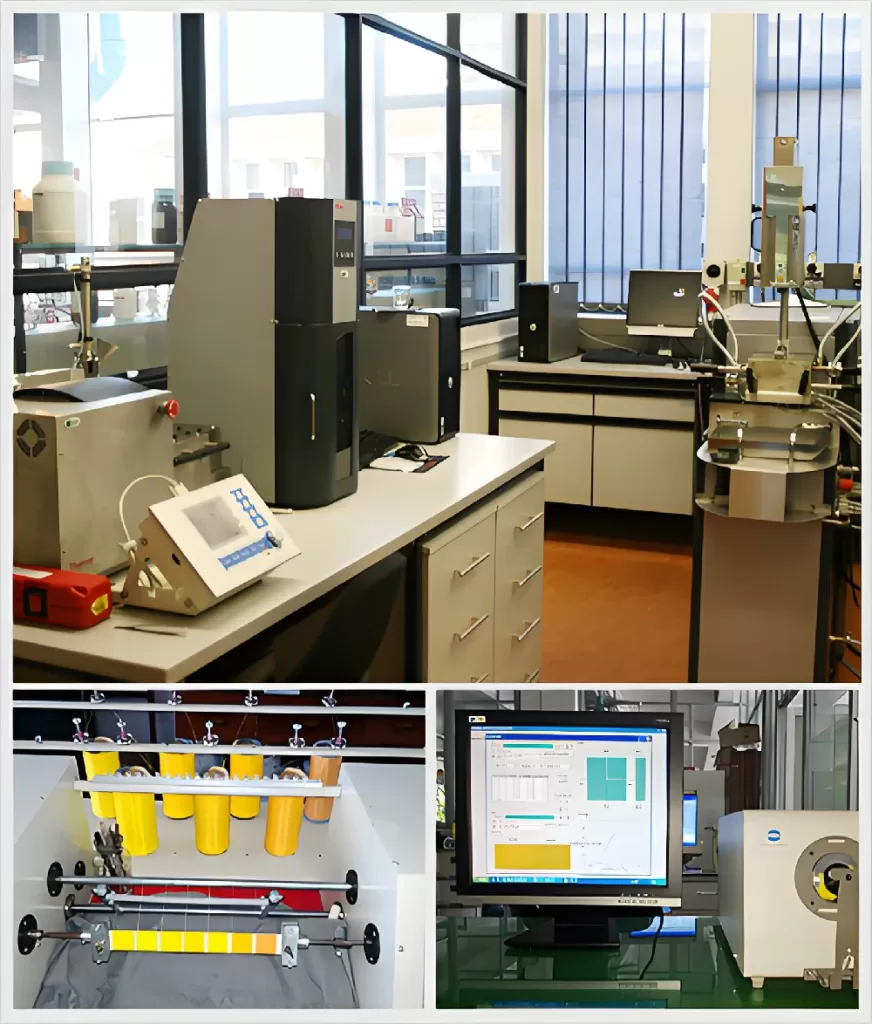
More importantly, Charming’s role is not limited to supplying pellets. Technical support and individual development cooperation are particularly valuable when a customer needs a custom shade, improved dispersion, polymer compatibility or a solution to an existing production problem.
For specialized materials, you can also review our guides to PVC masterbatch and PBT masterbatch before selecting a formulation.
Our bottom line: The best way to prevent color variation in plastic products is to control the complete coloration system. Stable resin, correct masterbatch dosage, strong pigment dispersion, controlled processing conditions and standardized color measurement matter more than simply increasing pigment concentration.
Practical Decision Guide: What Should You Do First?
| Your Problem | First Thing to Check | Recommended Response |
|---|---|---|
| Product is consistently too light | Masterbatch dosage | Verify feeder calibration and actual let-down ratio |
| Color changes during production | Feeding and process stability | Check dosage, throughput, temperature and residence time |
| Visible streaks or spots | Dispersion or contamination | Inspect masterbatch quality and purge procedure |
| Different machines produce different shades | Machine conditions | Validate a common process window on each machine |
| New resin lot changes color | Resin properties | Compare resin grade, lot and additive package |
| Operators disagree about color | Measurement method | Standardize lighting and instrumental measurement |
| Color changes after formulation change | Polymer/masterbatch compatibility | Run a controlled color-matching trial |
Frequently Asked Questions About Color Variation in Plastic Products
What is the most common cause of color variation in plastic products?
In commercial production, inconsistent masterbatch dosage, base-resin variation and process instability are among the most common causes. Poor pigment dispersion becomes especially important when streaks, spots or localized color differences appear.
Can changing the masterbatch fix color variation?
It can, but only when the masterbatch is actually responsible. If the real issue is feeder accuracy, resin variation or processing temperature, changing suppliers may not solve the problem. Diagnose the process first.
Does a higher pigment concentration always produce better color?
No. Higher concentration does not automatically mean better dispersion or better production performance. A well-dispersed formulation at an appropriate let-down ratio can outperform a highly concentrated formulation that is difficult to process consistently.
Why does the same masterbatch produce different colors on different machines?
Different machines can have different screw geometries, temperature profiles, shear conditions, throughput and residence times. These differences can change pigment dispersion and polymer thermal history.
How can manufacturers reduce color variation between batches?
Standardize the resin, masterbatch lot, dosage, processing window and color measurement method. Retain an approved physical sample and record production conditions for each important color.
Is instrumental color measurement better than visual inspection?
For professional production control, instrumental measurement provides a more repeatable quantitative reference. However, visual inspection remains useful because customer acceptance is ultimately influenced by actual appearance. The strongest system uses both.
Can recycled plastic cause color variation?
Yes. Recycled material can vary in composition, previous color history, additives and thermal history. If recycled content is used, its source and percentage should be controlled as part of the product specification.
What should I ask a masterbatch manufacturer before buying?
Ask about polymer compatibility, recommended let-down ratio, pigment dispersion, color consistency between lots, processing temperature range, testing procedures and technical support. For important commercial colors, request a production trial rather than approving the product based only on a laboratory chip.
What is the best way to prevent color variation in plastic production?
The most effective approach is process control rather than pigment overcorrection. Use a compatible masterbatch, stable resin, accurate dosing, controlled processing conditions and a standardized color measurement system.