
In the highly competitive plastics manufacturing industry, optimizing material costs while maintaining or improving product performance is a constant operational challenge. From our experience supplying polymer solutions globally, the most effective method to achieve this balance is through the strategic use of high-quality filler compounds. Among these, caco3 filler masterbatch stands as the undisputed industry standard. With advanced twin screw machines from Germany and decades of experience in Masterbatch processing and pigment dispersion technology, Charming Masterbatch provides stable high quality color Masterbatch and creative functional Masterbatch solutions for our customers.
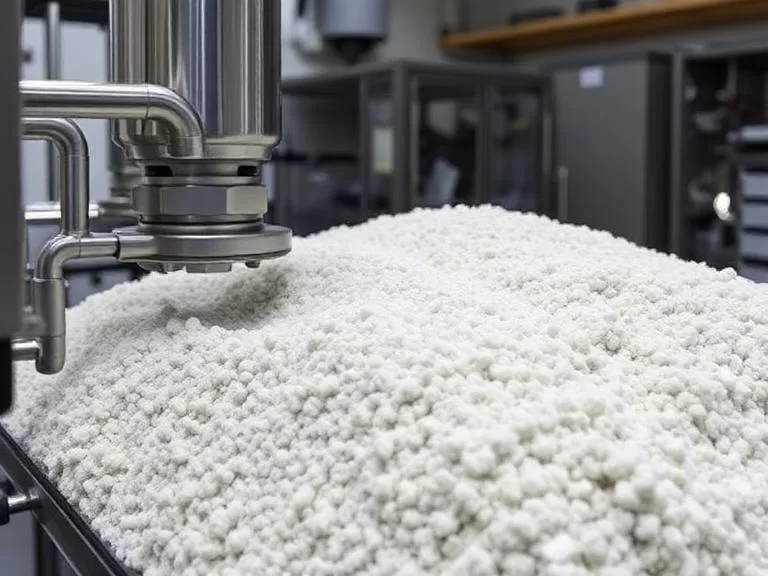
Charming Masterbatch is well known in the China market, and exports to Europe, South America, Southeast Asia, the Middle East, North Africa, and about 18 countries and markets worldwide. Not only do we provide products, but Charming Masterbatch provides complete technical support service and individual development cooperation, which can help our customers solve practical problems and develop new projects with creative solutions. We are so proud that we can share our experience and technology with customers and grow up together. In this comprehensive technical guide, we will answer the fundamental question: what is caco3 filler masterbatch, how is it manufactured, and how can it revolutionize your plastic processing operations.
Table of Contents
- Summary Table: caco3 filler masterbatch Characteristics
- Understanding the Fundamentals: What is caco3 filler masterbatch?
- The Advanced Manufacturing Process of caco3 filler masterbatch
- Technical and Economic Benefits of caco3 filler masterbatch
- Industrial Applications of caco3 filler masterbatch
- Expert Advice on Dosage and Formulation
- The Global Market and Sourcing Strategies
- Frequently Asked Questions (FAQs)
- Industry References
Summary Table: caco3 filler masterbatch Characteristics
Before diving into the complex polymer chemistry, we recommend reviewing this summary table to understand the core attributes, compatible resins, and primary industrial advantages of caco3 filler masterbatch.
| Attribute | Specification / Detail |
|---|---|
| Primary Active Ingredient | Calcium Carbonate (CaCO3) – typically 70% to 85% by weight |
| Carrier Resins | Polyethylene (PE), Polypropylene (PP), Polystyrene (PS) |
| Surface Treatment | Stearic acid or coupling agents to ensure hydrophobic properties |
| Primary Economic Benefit | Significant reduction in raw virgin polymer costs |
| Primary Physical Benefit | Increased stiffness, improved dimensional stability, reduced shrinkage |
| Common Applications | Blown film, injection molding, extrusion, woven sacks, thermoforming |
Understanding the Fundamentals: What is caco3 filler masterbatch?
To accurately define what is caco3 filler masterbatch, we must look at its granular composition. caco3 filler masterbatch is a highly concentrated mixture of calcium carbonate powder, a specific polymer carrier resin, and proprietary dispersion additives, all compounded into a uniform pellet. Calcium carbonate is an abundant, naturally occurring mineral. By extracting, refining, and grinding this mineral into micro-sized particles, it can be integrated into plastic formulations as a volume-replacing filler.
However, you cannot simply dump raw calcium carbonate powder into a plastic extruder. Raw mineral powders are hydrophilic (they absorb moisture) and tend to agglomerate, which would cause severe blockages in machinery and catastrophic defects in the final plastic product. Therefore, the caco3 filler masterbatch serves as a delivery vehicle. The calcium carbonate is surface-treated, usually with stearic acid, to make it hydrophobic and compatible with oil-based polymers. It is then encapsulated in a carrier resin that matches the base polymer of your intended end-product.
When you introduce caco3 filler masterbatch into your production line, it melts and disperses seamlessly with your virgin plastic pellets. This allows manufacturers to replace a significant percentage of expensive petrochemical resins with a highly cost-effective mineral alternative, without compromising the structural integrity of the final product.
The Advanced Manufacturing Process of caco3 filler masterbatch
From our experience, the quality of a caco3 filler masterbatch is entirely dependent on the compounding technology utilized during its production. At Charming Masterbatch, our manufacturing protocol relies on advanced twin screw machines imported from Germany. The twin-screw extrusion process provides superior high-shear mixing, which is absolutely critical for breaking down agglomerates and achieving perfect pigment and mineral dispersion.
Raw Material Selection and Preparation
The process begins with the rigorous selection of calcium carbonate. We evaluate the particle size distribution (typically ranging from 1 to 3 microns for high-quality film grades) and the whiteness index. The mineral powder is then fed into a high-speed mixer where it is heated and coated with surface-active agents. This coating process reduces the surface energy of the caco3 particles, preventing them from clumping together.
Extrusion and Pelletizing
The treated calcium carbonate, carrier resin (such as LLDPE or PP), and specific processing aids are fed into the twin-screw extruder. The counter-rotating or co-rotating screws generate intense mechanical shear and thermal energy, melting the carrier resin and forcing the calcium carbonate particles to disperse evenly throughout the polymer matrix. Once the compounding is complete, the molten polymer strands are extruded, cooled in a water bath or via air-cooling systems, and chopped into uniform pellets. This highly controlled process results in a caco3 filler masterbatch that guarantees stable, consistent performance in our customers’ machinery.
Technical and Economic Benefits of caco3 filler masterbatch
We recommend the integration of caco3 filler masterbatch not just as a cost-cutting measure, but as a technical upgrade for specific plastic applications. The benefits extend across both the financial ledger and the factory floor.
Dramatic Cost Optimization
Petrochemical resins fluctuate wildly in price based on global oil markets. Calcium carbonate, conversely, is a highly stable and inexpensive raw material. By substituting 10% to 40% of your virgin polymer with caco3 filler masterbatch, your volumetric raw material costs drop significantly. For large-scale manufacturing operations, this translates to massive annual savings.
Enhanced Thermal Conductivity and Output
Calcium carbonate possesses a higher thermal conductivity than standard polyolefins. When caco3 filler masterbatch is added to a polymer blend, the entire mixture absorbs heat faster in the extruder barrel and releases heat faster in the cooling mold or chill roll. From our experience, this rapid thermal transfer can reduce cooling times in injection molding and increase line speeds in film extrusion, thereby boosting overall factory output and operational efficiency.
Improved Physical Properties and Printability
Adding caco3 filler masterbatch alters the physical characteristics of the plastic. It increases the stiffness (flexural modulus) of the final product, which is highly beneficial for rigid packaging and pipe manufacturing. In blown film applications, the micro-particles of calcium carbonate create a micro-roughness on the surface of the film. This acts as a natural anti-blocking agent, preventing layers of plastic from sticking together. Furthermore, this micro-roughness significantly improves the surface tension of the plastic, making it much easier to print high-quality graphics on shopping bags and packaging materials.
Industrial Applications of caco3 filler masterbatch
Because of its versatility, caco3 filler masterbatch is utilized across a vast spectrum of plastic processing sectors.
Blown Film and Flexible Packaging
In the production of shopping bags, garbage bags, and industrial stretch films, caco3 filler masterbatch is indispensable. It imparts an opaque, matte finish to the film while improving tear resistance and tensile strength. The anti-blocking properties reduce the need for additional, expensive synthetic additives.
Injection Molding and Thermoforming
For manufacturers producing plastic furniture, household containers, automotive parts, and disposable cutlery, caco3 filler masterbatch reduces mold shrinkage and warping. The dimensional stability provided by the mineral filler ensures that parts retain their exact shape after popping out of the mold, resulting in lower defect rates and higher overall product quality.
Raffia and Woven Sacks
The manufacturing of PP woven sacks (used for cement, rice, and fertilizers) requires materials that can withstand high tensile stress. Using caco3 filler masterbatch in the tape extrusion process prevents the fibrillation (splitting) of the tapes, resulting in a stronger, more durable woven fabric.
Expert Advice on Dosage and Formulation
Determining the correct loading level of caco3 filler masterbatch requires a nuanced understanding of your specific machinery and end-product requirements. Adding too little leaves money on the table, while adding too much can compromise the tensile elongation and impact resistance of the plastic.
We recommend consulting our detailed masterbatch percentage guide to optimize your formulations. Generally, injection molded parts can tolerate higher loading dosages (up to 40% or even 50%), while thin-walled blown films usually cap out between 15% and 25% to maintain necessary elasticity. Because Charming Masterbatch provides individual development cooperation, our engineering team works directly with clients to run trial batches and pinpoint the exact formulation that yields the highest profitability without sacrificing quality.
The Global Market and Sourcing Strategies
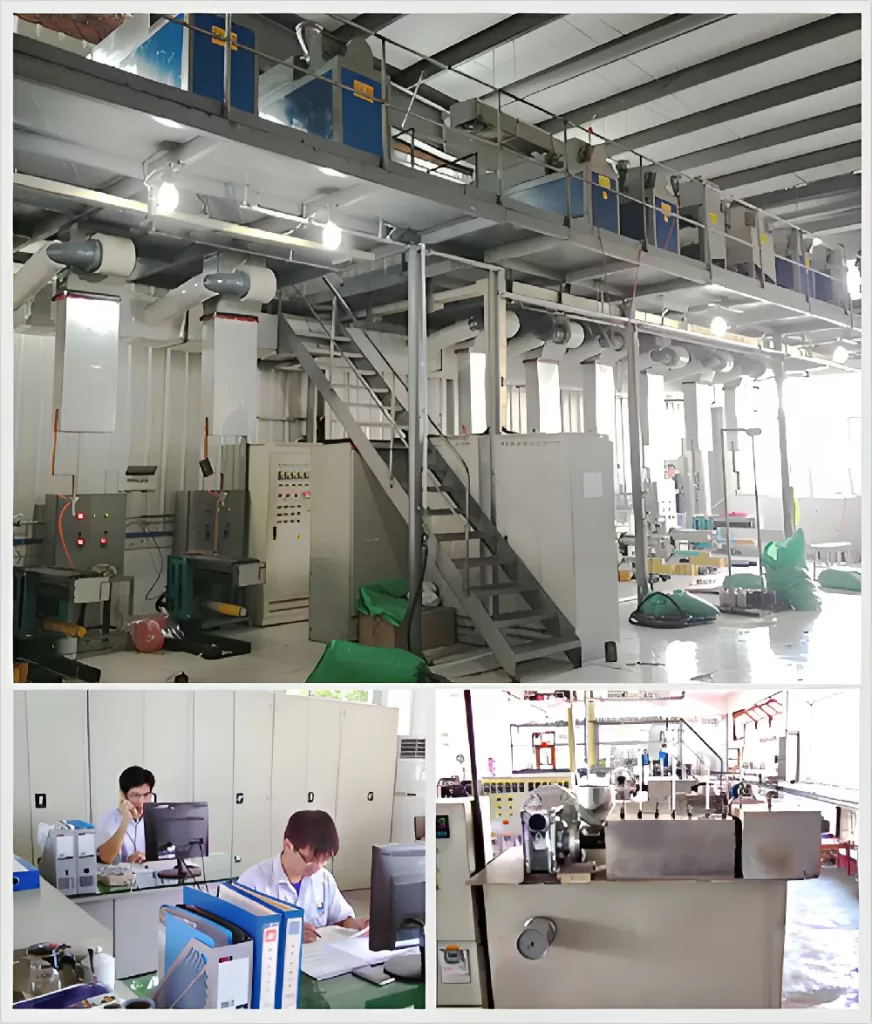
As international trade regulations evolve, sourcing your caco3 filler masterbatch strategically is vital for maintaining supply chain resilience. Manufacturers must be aware of customs classifications and import duties to calculate true landed costs. We highly advise procurement officers to review our latest insights on the filler masterbatch HS code 2025 to ensure seamless customs clearance.
The geographical landscape of masterbatch production is also shifting. For companies operating in South Asia, understanding regional manufacturing capabilities is essential. We have compiled an analysis of the top masterbatch manufacturers Pakistan and the colour masterbatch manufacturers India to help regional buyers assess their local options. However, for those seeking the pinnacle of German-engineered twin-screw quality combined with competitive pricing, Charming Masterbatch remains a leader among the top masterbatch manufacturers worldwide.
Frequently Asked Questions (FAQs)
Does using caco3 filler masterbatch weaken my plastic products?
If used within the recommended dosage limits, it does not weaken the product. In fact, it increases stiffness and dimensional stability. However, excessive loading can reduce tensile elongation and impact resistance. From our experience, working with a technical partner to find the optimal balance is the key to success.
Can caco3 filler masterbatch be used in transparent plastics?
No, calcium carbonate is inherently an opaque white mineral. Adding caco3 filler masterbatch will turn transparent plastics cloudy, milky, or completely opaque depending on the dosage. For transparent products, specific transparent fillers like barium sulfate or talc nano-fillers are required instead.
Why is the carrier resin important in a filler masterbatch?
The carrier resin acts as the delivery vehicle for the mineral. We recommend that the carrier resin matches or is highly compatible with your main production polymer. For example, using a PE-based caco3 filler masterbatch in a PP production line can cause phase separation and delamination issues. Proper carrier matching ensures a homogenous melt.
How does caco3 filler masterbatch affect machinery wear and tear?
Calcium carbonate is a mineral and is abrasive by nature. High-quality caco3 filler masterbatch is manufactured with ultra-fine particle sizes and excellent surface coating (stearic acid) to minimize friction. Poor quality masterbatch with large, uncoated particles will cause rapid wear on extruder screws and barrels. Investing in high-quality masterbatch protects your capital equipment.
Industry References
To ensure our clients have access to the most authoritative data regarding polymer science and industrial manufacturing, we align our technical insights with established industry research. We recommend consulting the following resources for further academic and regulatory reading regarding the application of mineral fillers in plastics: