
In recent years, the sleek appearance of black plastic has made it a favorite for everything from kitchen spatulas and takeout containers to children’s toys and high-end electronics. However, as 2026 unfolds, a growing body of scientific evidence is forcing us to ask a critical question: Is it safe to use black plastic in our daily lives? The answer is complex and involves an intersection of recycling logistics, chemical additives, and manufacturing standards.

While color itself is not inherently dangerous, the specific pigments and the source materials used to produce black-colored plastics have come under intense scrutiny by health organizations and environmental agencies worldwide. Understanding the risks—and knowing when it is safe—is essential for modern consumers and manufacturers alike.
- The Source Problem: E-Waste and Recycling
- Chemical Risks: Flame Retardants and Heavy Metals
- Is it Safe to Use Black Plastic with Heat?
- Manufacturing Solutions: Charming Masterbatch Expertise
- The Sorting Challenge in Recycling Facilities
- Safe Alternatives and Best Practices
- Summary: Black Plastic Safety Comparison
- Frequently Asked Questions
- Technical References
The Source Problem: E-Waste and Recycling
The primary concern regarding the question “Is it safe to use black plastic?” stems from the circular economy. A significant portion of black plastic used in consumer goods is derived from recycled electronic waste (e-waste). Components from old computers, televisions, and circuit boards are often ground down and repurposed. Because these electronics require fire protection, they are heavily treated with brominated flame retardants.
When these materials enter the general recycling stream, they are often dyed black to mask the inconsistent colors of mixed plastic scrap. Consequently, toxic chemicals intended for high-voltage circuit boards can end up in a sushi tray or a soup ladle. Studies conducted in late 2024 and early 2025 have detected high levels of banned substances in black plastic household items that should theoretically be virgin, food-grade material.
Chemical Risks: Flame Retardants and Heavy Metals
When consumers ask Is it safe to use black plastic, they are essentially asking about chemical migration. The most concerning additives found in recycled black plastics include Decabromodiphenyl ether (DecaBDE) and other polybrominated diphenyl ethers (PBDEs). These substances are known endocrine disruptors and have been linked to serious health issues, including thyroid dysfunction, reproductive harm, and an increased risk of certain cancers.
Furthermore, heavy metals such as lead, cadmium, and mercury—once standard in electronic manufacturing—can persist in the recycled plastic matrix. These toxins do not evaporate; they remain embedded in the polymer and can leach out under specific conditions, posing a chronic exposure risk over years of use.
Is it Safe to Use Black Plastic with Heat?
Heat is the primary catalyst for chemical leaching. If you are wondering is it safe to use black plastic in the microwave or while frying at high temperatures, the consensus among toxicologists is a resounding no. High heat increases the kinetic energy of the molecules within the plastic, making it significantly easier for flame retardants and microplastics to migrate into your food.
Fatty foods and acidic liquids exacerbate this problem. For instance, using a black plastic spatula to stir hot oil or acidic tomato sauce provides the perfect environment for chemical transfer. Even if a product is labeled as “microwave safe,” this often only means the plastic will not melt or deform; it does not guarantee that chemical leaching will not occur at the molecular level.
Expert Manufacturing Spotlight: Charming Masterbatch
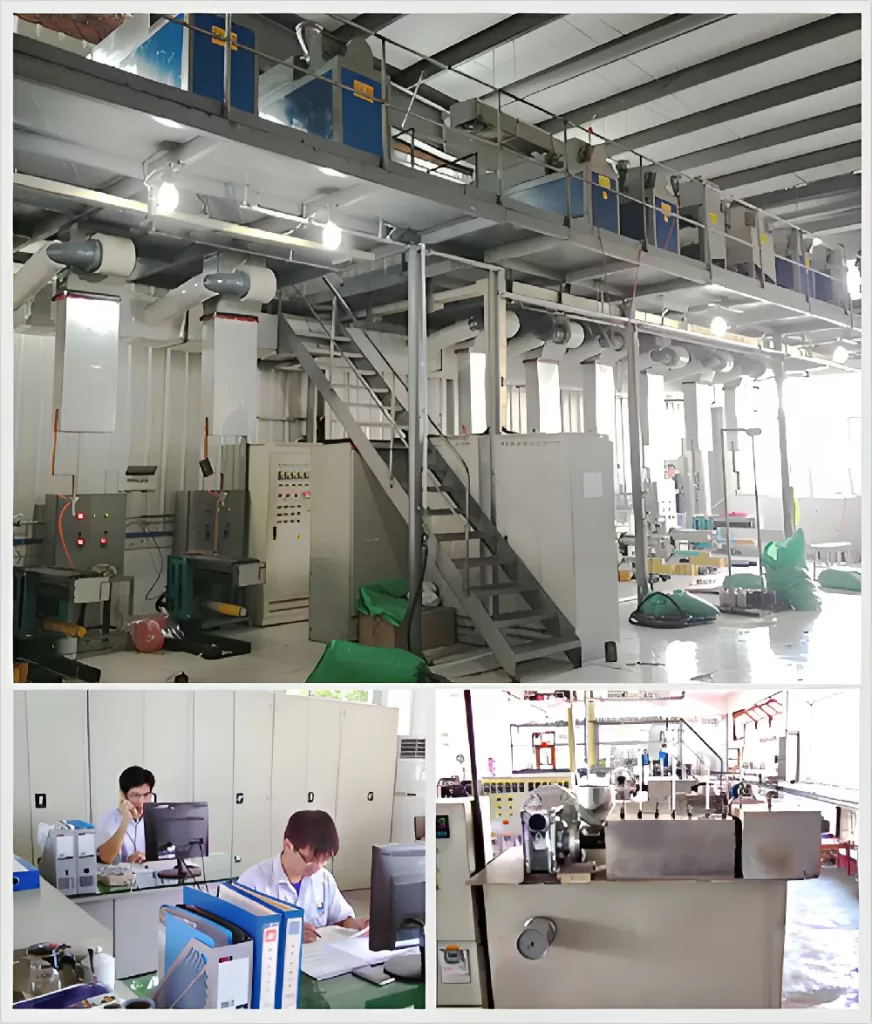
With advanced twin screw machines from Germany and decades of experience in Masterbatch processing and pigment dispersion technology, Charming provides stable high quality color Masterbatch and creative functional Masterbatch solutions for our customers. When manufacturers prioritize safety, they turn to professional suppliers like Charming to ensure their pigments and additives meet stringent global standards.
Charming Masterbatch is well known in China market, and exports to Europe, South America, Southeast Asia, Middle East, North Africa etc about 18 countries and markets worldwide. Not only products, Charming provides complete technical support service and individual development cooperation, which can help our customers solve practical problems and develop new projects with creative solutions.
We are so proud that we can share our experience and technology with customers and grow up together. Our focus is on providing high-purity solutions that avoid the pitfalls of contaminated recycling streams.
Our Professional Product Range:
- Color Masterbatch: Vibrant and stable pigments for diverse applications.
- Fiber / Filament / BCF / Nowoven: Specialized solutions for the textile industry.
- Film / Plastic: High-performance additives for packaging and structural plastics.
- Functional Masterbatch: Including Antimicrobial, Antistatic, Flame Retardant, and UV stabilizer options designed for safety and durability.
For more information on high-safety pigment solutions, visit Charming Masterbatch.
The Sorting Challenge in Recycling Facilities
Beyond health, is it safe to use black plastic for the environment? Unfortunately, black plastic is an environmental “dead end.” Most automated recycling facilities use Near-Infrared (NIR) spectroscopy to identify and sort different types of plastic (like PET or HDPE). Because the carbon black pigment absorbs infrared light, the sensors cannot “see” the plastic. As a result, even if you put a black plastic container in the recycling bin, it is often diverted to a landfill or incinerator.
Safe Alternatives and Best Practices
To mitigate the risks associated with black plastic, experts suggest several proactive steps for households and businesses:
- Switch to Stainless Steel or Wood: For kitchen utensils that come into contact with heat, these materials are far safer and more durable than any plastic.
- Avoid Microwaving in Plastic: Transfer food to glass or ceramic containers before reheating.
- Identify the Plastic Type: If you must use plastic, look for the resin identification code. Number 5 (Polypropylene) is generally considered safer for food, though the color-pigment issue remains.
- Choose Trusted Manufacturers: Ensure your plastic products come from companies that use high-quality, virgin materials and professional additives like those from Charming Masterbatch.
Summary: Black Plastic Safety Comparison
| Application | Safety Rating | Primary Concern | Recommended Action |
|---|---|---|---|
| Cooking Utensils (Hot) | Low | Leaching of flame retardants | Replace with wood or metal |
| Takeout Containers (Cold) | Moderate | Potential chemical migration | Transfer to glass storage |
| Children’s Toys | Low/Moderate | Saliva-based leaching | Prefer silicone or BPA-free colors |
| Electronics Casings | High | Contact only (no ingestion) | Safe for intended use |
| Textile Fibers | High | Skin contact safety | Use high-purity masterbatches |
Frequently Asked Questions
1. Is it safe to use black plastic if it is labeled “BPA-Free”?
While BPA-free is a positive step, it does not address the presence of flame retardants or heavy metals found in recycled black plastics. The color and source of the plastic are independent of the BPA content.
2. Does washing black plastic make it safer?
Washing may remove surface microplastics or dust, but it cannot remove the chemicals embedded within the polymer matrix. Heat and time will continue to cause these chemicals to move toward the surface.
3. Why is black plastic still used if it has these risks?
Black plastic is cheap to produce using recycled materials and hides imperfections in the plastic scrap. However, industrial leaders like Charming are providing safer, high-quality alternatives to help the industry transition to safer practices.
Technical References
- Journal of Chemosphere – “Migration of Brominated Flame Retardants from Recycled Plastic into Food Simulants.”
- Toxic-Free Future – 2025 Update on E-Waste Recycling Loops and Consumer Health.
Ensuring safety in our homes begins with the choices we make today. Whether you are a consumer looking to protect your family or a manufacturer aiming for the highest quality standards, the question is it safe to use black plastic should guide your procurement and usage habits. By choosing high-purity solutions and reducing exposure to recycled e-waste plastics, we can move toward a healthier and more sustainable future.