
Developing a high-performance color concentrate is a sophisticated blend of chemical engineering, artistic color matching, and precision manufacturing. In 2026, as the plastics industry shifts toward higher sustainability standards and more complex functional requirements, the process to develop a color masterbatch has become more technologically demanding than ever before.
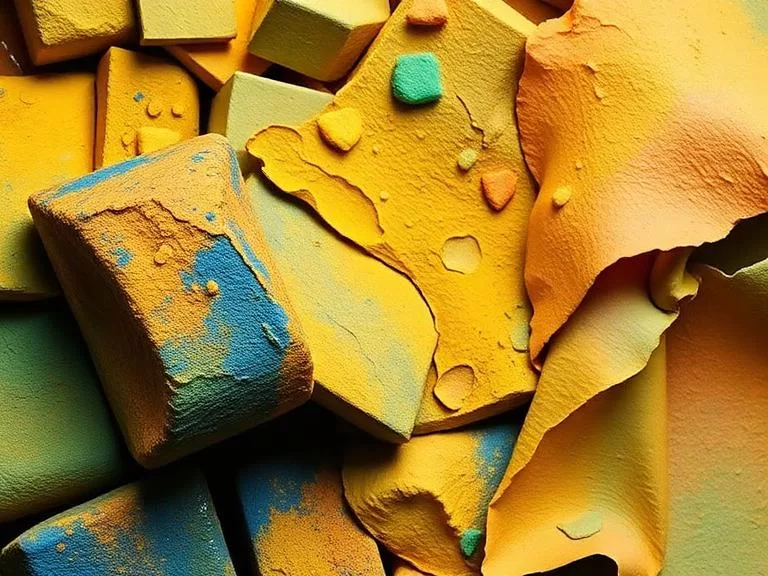
Whether for thin-gauge films, automotive components, or synthetic fibers, the goal remains the same: to create a concentrated mixture of pigments and additives encapsulated during a heat process into a carrier resin, which is then cooled and cut into a granular shape. This allows the end-user to color raw polymer economically and accurately during the plastics manufacturing process.
Article Contents
- Understanding the Core of Color Masterbatch
- Charming Masterbatch: Precision and Technology
- The 6-Step Process to Develop a Color Masterbatch
- The Role of Pigment Dispersion and Compatibility
- Integrating Functional Solutions
- Advanced Quality Control and Color Matching
- Frequently Asked Questions
- Technical References
Understanding the Core of Color Masterbatch
To develop a color masterbatch successfully, one must first understand its four primary components: the pigment, the carrier resin, the dispersant, and the additives. The pigment provides the visual effect, while the carrier resin is the vehicle that must be compatible with the final polymer to be colored. In 2026, the selection of these components is heavily influenced by the end-application’s thermal stability requirements and lightfastness needs.
The process of development starts with a specific target color, often provided as a physical sample or a Pantone/RAL reference. However, color is only half the battle. Engineers must also account for the processing temperature of the end-product. For example, a colorant for a high-temperature engineering plastic like Polyamide (Nylon) must be formulated differently than one for Low-Density Polyethylene (LDPE).
Charming Masterbatch: Advanced Technical Solutions
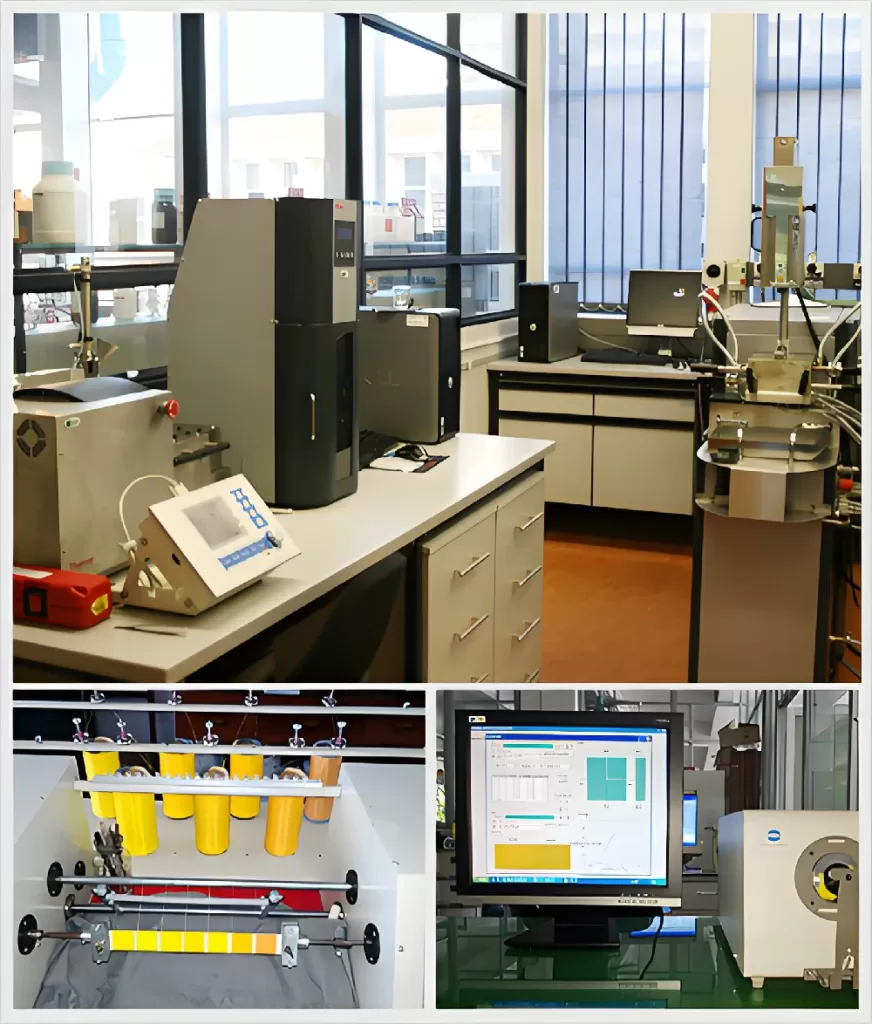
With advanced twin screw machines from Germany and decades of experience in Masterbatch processing and pigment dispersion technology, Charming provides stable high quality color Masterbatch and creative functional Masterbatch solutions for our customers. Charming Masterbatch is well known in the China market and exports to Europe, South America, Southeast Asia, Middle East, and North Africa, serving about 18 countries and markets worldwide.
Not only products, Charming provides complete technical support service and individual development cooperation, which can help our customers solve practical problems and develop new projects with creative solutions. We are so proud that we can share our experience and technology with customers and grow up together.
Key Product Offerings:
The 6-Step Process to Develop a Color Masterbatch
The journey from a laboratory concept to a mass-produced granule involves several critical checkpoints. Here is how professional manufacturers like Charming develop a color masterbatch that remains stable across different production batches.
1. Color Matching and Formulation Design
The development begins in the lab using computer-aided color matching systems. Spectrophotometers analyze the target color and calculate the precise ratio of organic or inorganic pigments required. During this stage, the chemist also selects a carrier resin that has a lower melting point or higher melt flow index (MFI) than the base polymer to ensure rapid dispersion during the extrusion process.
2. Weighing and Premixing
Once the formulation is set, the raw materials—pigment powders, resin beads, and chemical dispersants—are weighed with high precision. These components are then placed in high-speed mixers. The goal of premixing is to coat the surface of the resin granules with the pigment particles evenly before they enter the heat-processing phase.
3. Twin-Screw Extrusion and Compounding
This is the heart of the manufacturing process. Using advanced twin-screw machines from Germany, the mixture is subjected to intense heat and mechanical shear. The screws are designed with specific kneading elements that break down pigment agglomerates into primary particles. This high-shear environment is essential to develop a color masterbatch with superior dispersion, preventing specks or streaks in the final plastic product.
4. Cooling and Granulation
The molten polymer “noodles” emerge from the extruder die and are immediately pulled through a water bath for cooling. Once solidified, they are fed into a high-speed pelletizer that cuts them into uniform granules. The size and shape of these granules must be consistent to ensure a steady feed rate in the customer’s injection or blow-molding machines.
5. Drying and Screening
Excess moisture can cause defects like silver streaks in the final plastic part. Therefore, the masterbatch is passed through a centrifugal dryer. Afterward, a vibrating screen removes any oversized “longs” or dust (fines) to ensure a high-purity product.
6. Final Testing and Archiving
The finished batch is sampled and used to create a “drawdown” or a sample plaque. This plaque is compared to the master standard using a spectrophotometer. If the Delta E (color difference) is within the acceptable range (usually < 1.0), the batch is approved for packaging.
The Role of Pigment Dispersion and Compatibility
The biggest challenge when you develop a color masterbatch is dispersion. If the pigments are not dispersed down to the micron level, the resulting plastic will have “pinholes” (common in thin films) or “fiber breakage” (common in BCF and Filament production). Dispersants, such as polyethylene wax or specialized coupling agents, are used to reduce the surface tension between the pigment and the resin, allowing for a smooth, homogenous mix.
| Application Type | Critical Requirement | Recommended Solution |
|---|---|---|
| Thin Film / Packaging | Zero pinholes / High Transparency | Ultra-fine organic pigments + high MFI carrier |
| Synthetic Fibers (BCF) | No fiber breakage / Heat stability | Specialized dispersion for 10-denier filaments |
| Outdoor Furniture | UV Resistance / Weatherability | Inorganic pigments + UV stabilizers |
| Electronics | Safety / ESD Protection | Flame Retardant + Antistatic masterbatch |
Integrating Functional Solutions
In 2026, many customers require more than just color. To develop a color masterbatch with added value, manufacturers incorporate functional additives directly into the colorant. This “combination masterbatch” simplifies the production process for the end-user.
- Antimicrobial Masterbatch: Essential for medical devices and food packaging to prevent bacterial growth.
- Flame Retardants: Crucial for the construction and automotive sectors to meet safety regulations.
- Antistatic Agents: Used in electronic packaging to prevent dust accumulation and electrostatic discharge.
- UV Stabilizers: Necessary for any plastic exposed to sunlight to prevent yellowing and mechanical degradation.
Advanced Quality Control and Color Matching
Stability is the hallmark of a high-quality masterbatch. When a company like Charming works to develop a color masterbatch, they utilize rigorous testing protocols, including:
Filter Pressure Value (FPV) Testing
This test measures the dispersion quality. The molten masterbatch is passed through a fine mesh filter; a low pressure rise indicates excellent pigment dispersion, which is vital for fiber and film applications.
Thermal Stability Testing
Samples are held at high temperatures for extended periods to ensure the pigment does not degrade or change shade during the customer’s molding process.
Frequently Asked Questions
How long does it take to develop a color masterbatch?
A standard color match typically takes 3 to 5 business days. However, complex functional masterbatches involving UV stability or flame retardancy testing may take 1 to 2 weeks for full verification.
What information is needed to develop a custom color?
You should provide the base resin type (e.g., PP, PE, ABS), the processing method (injection, film, etc.), the target color, and any special requirements like food contact safety or outdoor durability.
Can I use the same masterbatch for different resins?
It is not recommended. For the best results, the carrier resin of the masterbatch should be the same as or compatible with the base polymer. Using an incompatible carrier can lead to poor mechanical strength and delamination.
Technical References
- Society of Plastics Engineers (SPE): Pigment Dispersion in Polyolefins, 2025 Edition.
- ASTM D1238: Standard Test Method for Melt Flow Rates of Thermoplastics.
The ability to develop a color masterbatch that meets the rigorous demands of the 2026 industrial market requires a partner with both advanced machinery and deep material science expertise. Charming’s commitment to providing not just a product, but a complete technical support service, ensures that customers can overcome processing hurdles and bring innovative plastic products to market with confidence. By combining color with functional properties like antimicrobial or UV protection, the possibilities for plastic innovation are endless.