
In the rapidly advancing world of polymer science, fire safety has become a paramount concern for manufacturers and consumers alike. As we enter 2026, the demand for high-performance materials has led many to ask: what is flame retardant masterbatch? This specialized additive is no longer just a luxury for industrial applications; it is a critical safety component found in everything from your smartphone casing to the insulation in your walls.
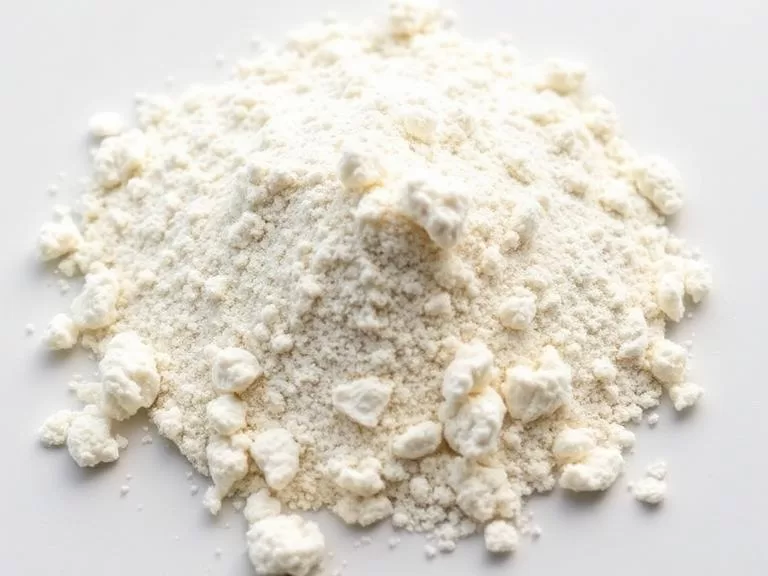
This comprehensive guide will delve into the chemistry, benefits, and industrial applications of flame retardant masterbatch, exploring why it is the preferred solution for fire safety in the modern plastics industry.
Table of Contents
- 1. What is Flame Retardant Masterbatch?
- 2. The Science: How Flame Retardant Masterbatch Works
- 3. Industry Leader Spotlight: Charming Masterbatch
- 4. Types of Flame Retardant Masterbatch in 2026
- 5. Advantages of Using Masterbatch Over Powder Additives
- 6. Key Applications Across Industries
- 7. Global Fire Safety Standards and Testing
- 8. Summary Comparison Table
- 9. Frequently Asked Questions (FAQs)
- 10. References and Technical Standards
1. What is Flame Retardant Masterbatch?
In simple terms, a flame retardant masterbatch is a concentrated mixture of flame-inhibiting additives and pigments encapsulated during a heat process into a carrier resin, which is then cooled and cut into granular pellets. Unlike raw chemicals, it is a “functional masterbatch” designed to be mixed with virgin polymer during the plastic manufacturing process (injection molding, extrusion, or film blowing).
Most polymers, such as Polypropylene (PP), Polyethylene (PE), and Acrylonitrile Butadiene Styrene (ABS), are inherently flammable because they are hydrocarbon-based. When these plastics are exposed to heat, they break down and release combustible gases, fueling a fire. The flame retardant masterbatch is added to these resins—typically at a ratio of 2% to 10%—to drastically reduce the rate of ignition and flame spread, essentially turning a flammable material into a self-extinguishing one.
2. The Science: How Flame Retardant Masterbatch Works
The mechanism by which flame retardant masterbatch suppresses fire is complex and often multi-layered. Depending on the chemical formulation, it operates through one or more of the following four primary mechanisms:
A. Gas Phase Inhibition
Commonly found in halogenated systems (brominated or chlorinated), this mechanism works by releasing non-combustible gases or free radicals when the plastic begins to melt. These radicals react with the high-energy “flame-feeding” radicals in the air, effectively quenching the chemical reaction of the fire at a molecular level.
B. Solid Phase Char Formation
Often utilized in phosphorus-based or “intumescent” flame retardant masterbatch solutions, this mechanism promotes the formation of a carbonaceous char layer on the surface of the plastic. This char acts as a physical barrier, insulating the underlying polymer from heat and cutting off the supply of oxygen.
C. Endothermic Cooling
Certain inorganic additives, like Aluminum Trihydroxide (ATH), undergo an endothermic (heat-absorbing) reaction when exposed to fire. They release water vapor, which cools the surface of the plastic and dilutes the concentration of flammable gases nearby.
D. Fuel Dilution
The additives in the masterbatch can release inert gases (like nitrogen) that dilute the combustible gases released by the decomposing plastic, making it harder for the mixture to reach the ignition threshold.
3. Industry Leader Spotlight: Charming Masterbatch
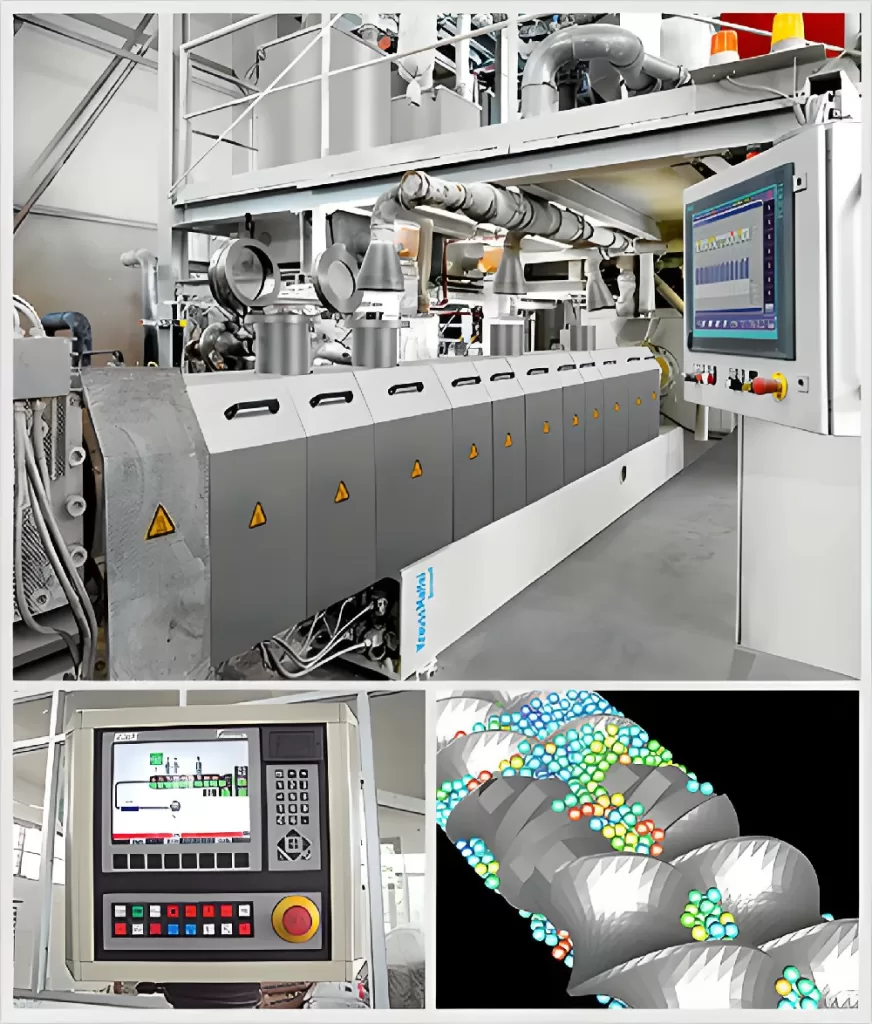
When discussing high-performance additives, Charming Masterbatch stands as a global benchmark. With advanced twin screw machines from Germany and decades of experience in Masterbatch processing and pigment dispersion technology, Charming provides stable high quality color Masterbatch and creative functional Masterbatch solutions for our customers.
Charming Masterbatch is well known in the China market and exports to Europe, South America, Southeast Asia, the Middle East, North Africa, and more—totaling about 18 countries and markets worldwide. They are not merely a product supplier; Charming provides complete technical support service and individual development cooperation. This collaborative approach helps customers solve practical problems and develop new projects with creative solutions.
Charming Masterbatch Core Product Range:
- Color Masterbatch: For Fiber, Filament, BCF, and Nonwoven applications.
- Film / Plastic Solutions: High-performance coloration and protection.
- Functional Masterbatch:
- Antimicrobial and Antistatic additives.
- Flame Retardant Masterbatch: Industry-leading fire suppression technology.
- UV Stabilizers for outdoor durability.
Charming takes immense pride in sharing their experience and technology with customers, fostering an environment where they can grow up together through innovation.
4. Types of Flame Retardant Masterbatch in 2026
As environmental regulations like RoHS and REACH become stricter in 2026, the types of flame retardant masterbatch available have evolved into several specialized categories:
Halogenated Masterbatch (Bromine/Chlorine)
These are the most traditional and highly effective types. They require lower loading levels (meaning you use less of it to achieve the same result) and are compatible with a wide range of resins. While some halogenated types are being phased out in certain regions, new “polymeric” brominated masterbatches are emerging as safer, more stable alternatives that do not leach out of the final product.
Halogen-Free Flame Retardant (HFFR) Masterbatch
This is the fastest-growing segment in 2026. HFFR solutions typically use phosphorus, nitrogen, or metallic hydroxides. They are preferred for public transportation, electronics, and construction because they produce significantly less toxic smoke and corrosive gases if a fire does occur. Brands like Charming Masterbatch have pioneered HFFR solutions that maintain the mechanical strength of the plastic while providing top-tier safety.
Intumescent Masterbatch
This type is designed to swell up when exposed to heat, creating a thick “foam” of char. It is particularly effective for polyolefins (PP/PE) and is widely used in stadium seating, electrical conduits, and roofing materials.
5. Advantages of Using Masterbatch Over Powder Additives
Manufacturers often face a choice: use raw flame retardant powder or a pelletized flame retardant masterbatch. In 2026, the industry has shifted almost entirely toward masterbatch for several reasons:
- Superior Dispersion: Because companies like Charming Masterbatch use high-end German twin-screw extruders, the flame retardant particles are perfectly dispersed. This prevents “weak spots” in the final product where a fire could break through.
- Dust-Free Environment: Powder additives create health hazards and require expensive air filtration. Masterbatch pellets are clean, easy to handle, and safe for factory workers.
- Accurate Dosing: Pellets can be precisely measured by automatic feeders, ensuring that every batch of plastic meets the required fire safety rating without waste.
- Lower Equipment Wear: Raw powders can be abrasive or corrosive. Masterbatch protects the manufacturing machinery, extending the life of injection molding and extrusion screws.
6. Key Applications Across Industries
Where exactly is flame retardant masterbatch used? The answer is almost everywhere you find plastic:
Electrical and Electronics (E&E)
This is the largest market. From the plastic housing of your laptop to the internal connectors of a washing machine, flame retardant masterbatch ensures that an internal electrical short does not turn into a house fire. It helps materials meet the UL 94 V-0 rating, the gold standard for E&E safety.
Automotive and Transportation
Modern cars contain significant amounts of plastic for weight reduction. Interior panels, engine covers, and battery housings for electric vehicles (EVs) all require specific flame retardant masterbatch formulations to comply with safety standards like FMVSS 302.
Construction and Infrastructure
Fire-safe plastic is vital in modern buildings. Applications include electrical pipes, artificial grass, insulation boards, and stadium seating. Using a high-quality masterbatch ensures these materials won’t contribute to the spread of fire in public spaces.
Textiles and Nonwovens
Charming Masterbatch specializes in fibers. Flame retardant masterbatch is incorporated into PP or PET fibers to create fire-resistant carpets, curtains, and protective clothing for first responders and industrial workers.
7. Global Fire Safety Standards and Testing
A flame retardant masterbatch is only as good as the certifications it helps achieve. In 2026, the industry relies on several key tests:
- UL 94: The Underwriters Laboratories standard for flammability. Ratings include V-0 (highest safety, stops burning within 10 seconds), V-1, and V-2.
- LOI (Limited Oxygen Index): Measures the minimum concentration of oxygen required to support combustion of the plastic. A higher LOI indicates better fire resistance.
- Glow Wire Test (IEC 60695): Used primarily for the E&E industry to simulate the effect of a hot wire touching a plastic part.
- RoHS/REACH Compliance: Ensures the masterbatch does not contain restricted hazardous substances.
8. Summary Comparison Table
| Feature | Halogenated Masterbatch | Halogen-Free (HFFR) | Intumescent Masterbatch |
|---|---|---|---|
| Common Resins | ABS, PS, PC, PE, PP | PE, PP, EVA, PA | PP, PE, TPE |
| Main Mechanism | Gas phase inhibition | Endothermic / Water release | Char layer formation |
| Smoke Density | Moderate to High | Very Low | Low |
| Loading Level | Low (3% – 8%) | High (15% – 40%) | Moderate (10% – 25%) |
| 2026 Trend | Specialized/Polymeric | Dominant in Consumer Goods | Rising in Construction |
9. Frequently Asked Questions (FAQs)
Does adding flame retardant masterbatch change the color of the plastic?
Some additives can affect the transparency or initial color of the resin. However, Charming Masterbatch specializes in integrating color and function. They can develop a customized color masterbatch that includes flame retardant properties, ensuring the final product looks exactly as intended while remaining safe.
Is flame retardant masterbatch environmentally friendly?
The industry is moving toward more sustainable solutions. Modern halogen-free masterbatches are much safer for the environment. Furthermore, the use of masterbatch reduces waste during production compared to powders, contributing to a more sustainable manufacturing process.
Can I use any flame retardant masterbatch for my project?
No. Each polymer (PP, PE, ABS, etc.) requires a specific carrier resin and additive chemistry to ensure compatibility. Using the wrong type can lead to poor mechanical strength or even failure of the flame retardant properties. It is essential to work with a technical partner like Charming Masterbatch to find the right solution.