
Relying blindly on a supplier Certificate of Analysis (COA) is the fastest way to shut down an injection molding or sheet extrusion plant. In plastics converting, resin batches labeled identical on paper routinely display wild deviations in molecular weight, moisture saturation, pigment agglomeration, and filler contamination. When raw polymer pellets enter your feed throat without rigorous incoming quality control, your plant pays for that negligence through high scrap rates, nozzle drooling, warped parts, die buildup, and sudden brittle field failures.
To run a profitable and predictable molding or extrusion operation, plant engineers and procurement managers must execute incoming material verification independently. Knowing exactly which physical, thermal, and rheological parameters dictate process stability separates profitable processors from plants trapped in firefighting mode. The question is not whether you should test incoming resin, but which specific incoming tests provide the highest return on laboratory capital while preventing catastrophic processing interruptions.
Quick Answer: The 7 Non-Negotiable Resin Quality Tests
The 7 essential tests for plastic raw material quality are: 1) Melt Flow Index (MFI / MFR) to detect molecular weight shifts; 2) Moisture Content via Karl Fischer Titration to prevent hydrolytic degradation; 3) Ash Content Testing to verify true inorganic filler and additive loadings; 4) Differential Scanning Calorimetry (DSC) to identify polymer contamination, crystallinity, and melting points; 5) Density & Specific Gravity to ensure structural uniformity; 6) Spectrophotometric Color & Pigment Dispersion (FPV) to guarantee optical consistency without screen clogging; and 7) Mechanical Tensile & Notched Impact Testing to confirm physical load integrity. In most professional situations, running MFI, moisture, and ash tests on every arriving lot catches more than 90% of all incoming material defects before pellets ever hit production silos.
Table of Contents
- What Raw Material Testing Is and How It Protects the Plant Floor
- Quick Summary: The 7 Essential Quality Tests at a Glance
- Deep Dive: The 7 Essential Tests for Plastic Raw Material Quality
- Testing Equipment Comparison: Investment Cost vs. Operational Payback
- Pros and Cons of In-House Resin Testing vs. Third-Party Lab Auditing
- Who Needs Full In-House Testing vs. Who Can Use Streamlined Verification
- Engineered Compounding & Quality Excellence: Charming Masterbatch
- Common Mistakes Processors Make During Incoming Resin Inspection
- B2B Sourcing Considerations When Selecting Resin and Masterbatch Partners
- Expert Recommendation & Material Management Verdict
- Frequently Asked Questions (FAQ)
- Authoritative References
What Raw Material Testing Is and How It Protects the Plant Floor
Plastic raw material quality testing is the systematic characterization of polymer pellets, regrind, additives, and concentrates prior to thermal processing. It operates as the frontline defense against supply chain variability. When petrochemical refineries synthesize virgin polymers, or when compounders melt-blend base resins with additives, process variables fluctuate. Minor differences in polymer chain branch length, catalyst residue, cooling rates, and drying times create significant physical variation between lots.
How it works in practice is straightforward: quality control engineers sample arriving gaylords, silos, or 25-kilogram bags according to statistical sampling protocols (such as ISO 2859-1). The samples undergo thermal decomposition, melt extrusion, photometric reflectance, and volumetric displacement. If an incoming lot of polypropylene displays an MFI spike from 12 g/10 min to 19 g/10 min, the material will cause flash in thin-wall molds, drop cavity pressure, and induce dimensional shrinkage. Catching these shifts at receiving allows you to reject the lot, renegotiate commercial terms, or adjust processing temperature profiles before producing tons of out-of-spec scrap.
Quick Summary: The 7 Essential Quality Tests at a Glance
The table below provides a quick reference to the seven primary tests for plastic raw material quality, their governed international standards, and their primary diagnostic functions:
| Quality Test | Governing Standards | Physical Parameter Measured | Direct Shop Floor Consequence of Failure |
|---|---|---|---|
| 1. Melt Flow Index (MFI/MFR) | ASTM D1238 / ISO 1133 | Melt rheology, polymer chain degradation | Short shots, flash, inconsistent cycle times |
| 2. Moisture Content Determination | ASTM D6980 / ISO 15512 | PPM moisture level in hygroscopic resins | Splay, silver streaking, hydrolytic embrittlement |
| 3. Ash & Inorganic Content | ASTM D5630 / ISO 3451 | Total mineral, glass fiber, and filler loading | Erratic part stiffness, sink marks, incorrect part weight |
| 4. Differential Scanning Calorimetry | ASTM D3418 / ISO 11357 | Melting point (Tm), Tg, crystallization rate | Unmelted pellets, cross-contamination, mold sticking |
| 5. Density & Specific Gravity | ASTM D792 / ISO 1183 | Volumetric mass density, resin purity | Shot weight drift, higher part cost, packaging mismatches |
| 6. Spectrophotometry & FPV | ISO 7724 / ISO 23900-5 | Delta E color delta, screen pack backpressure | Visual lot-to-lot color mismatches, die lip buildup |
| 7. Tensile & Notched Impact | ASTM D638 / ASTM D256 | Yield strength, elongation, Izod impact resistance | Cracking under mechanical load, assembly tab snapping |
Deep Dive: The 7 Essential Tests for Plastic Raw Material Quality
1. Melt Flow Index (MFI / MFR)
Melt Flow Rate testing is the absolute workhorse of polymer quality assurance. Governed by ASTM D1238 and ISO 1133, the test measures the mass of molten polymer (in grams) extruded through a standardized capillary die (2.095 mm diameter) over 10 minutes under a specified load and temperature. From our experience, an unexpected change in MFI is the most reliable early indicator that your resin has suffered thermal degradation, molecular weight breakdown, or unannounced regrind blending.
If you receive a polycarbonate or polyamide lot with an elevated MFI, the polymer chains have shortened, signaling polymer breakdown that ruins structural impact properties. Conversely, an abnormally low MFI will drive injection pressures to machine limits, cause cold shuts, and induce high internal molded-in stress. For commercial users operating multi-cavity hot runner systems, maintaining tight MFR tolerances (±10% from nominal) is mandatory to prevent imbalance between cavities.
2. Moisture Content Determination (Karl Fischer & Loss-on-Drying)
Moisture is the silent killer of engineering thermoplastics. While polyolefins like polyethylene and polypropylene are non-hygroscopic (absorbing surface water only), polymers like PA6, PA66, PBT, PET, and PC are hygroscopic; they draw water directly into the polymer matrix. When melted inside a machine barrel at 250 to 300 degrees Celsius, entrained water triggers hydrolytic degradation, cleaving the polymer backbone at the ester or amide bonds.
In our testing, relying on standard loss-on-drying gravimetric balances is insufficient for moisture-critical polymers like PBT and PET. These materials require moisture levels below 0.02% (200 ppm) to prevent hydrolytic degradation. We recommend using Karl Fischer coulometric titration or specialized moisture analyzers conforming to ASTM D6980. Processing engineering resins with excessive moisture causes severe cosmetic splay and permanently destroys tensile yield strength, transforming structural parts into brittle liabilities.
3. Ash Content & Inorganic Filler Analysis
Ash content analysis, conducted according to ASTM D5630 or ISO 3451, measures the percentage of inorganic material remaining after burning off the polymer matrix in a muffle furnace at 600 to 800 degrees Celsius. In filled resins containing calcium carbonate, talc, glass fibers, or titanium dioxide, ash testing confirms that your supplier delivered the exact additive percentage specified on the invoice.
Compounding plants frequently adjust filler content to manipulate formulation cost. In technical molding, an unannounced 3% deficit in glass fiber loading reduces the flexural modulus of an automotive structural bracket below safety certification thresholds. Conversely, an over-concentrated batch of cheap mineral filler wears down extruder screws, alters shrinkage rates, and produces dull, sink-prone surfaces. To understand how filler chemistry works in technical compounds, explore our technical breakdown on what is filler masterbatch.
4. Differential Scanning Calorimetry (DSC)
Differential Scanning Calorimetry is the gold standard for thermal fingerprinting under ASTM D3418. A DSC thermal analyzer measures heat flow into or out of a tiny polymer specimen as it is subjected to a controlled temperature ramp. It precisely identifies glass transition temperatures (Tg), crystalline melting points (Tm), and heat of fusion (crystallinity percentage).
For heavy-duty applications, DSC is indispensable for identifying hidden polymer cross-contamination. If a supplier ships a lot of recycled polypropylene contaminated with 5% high-density polyethylene, standard MFI checks might miss it. A DSC scan immediately reveals a dual melting peak—one at 130 degrees Celsius (HDPE) and one at 165 degrees Celsius (PP). That secondary peak explains why your molded parts are suffering from delamination and poor weld line strength. When vetting complex technical compounds, review our detailed guide on what is PBT masterbatch to see how crystallization dynamics influence precision components.
5. Density and Specific Gravity Testing
Governed by ASTM D792 and ISO 1183, density testing via liquid immersion displacement is an exceptionally fast, highly sensitive check on raw material consistency. The specific gravity of virgin unfilled polymers is well-documented (e.g., PP at 0.905 g/cm³, LDPE at 0.92 g/cm³, PA66 at 1.14 g/cm³). Any unexpected shift in density points to unapproved fillers, heavy regrind contamination, or incorrect carrier resin blending.
In high-volume manufacturing, density directly governs your part cost. If an incoming resin has a specific gravity of 1.25 instead of the quoted 1.20, your plant consumes 4.1% more material by weight to fill the same mold volume. Over an annual run of 500 metric tons, that discrepancy costs tens of thousands of dollars in lost resin margin without providing any structural benefit.
6. Spectrophotometric Color Consistency & Pigment Dispersion (FPV)
Color consistency is an engineering metric, not merely an aesthetic choice. Spectrophotometers measure reflected light across the visible spectrum to calculate CIE L*a*b* coordinates and Delta E (ΔE) color deviations against a master digital standard. For high-visibility consumer goods and automotive trim, tolerances are typically locked at ΔE < 0.5. To manage tight color runs, operators must utilize a standardized plastic color chart with codes and an authoritative masterbatch color code chart to prevent cross-batch shade drifting.
However, true raw material quality requires checking internal pigment dispersion. Poorly dispersed pigment agglomerates act as crack-initiation sites inside the finished product. In our testing of masterbatch lots, running the Filter Pressure Value (FPV) test according to ISO 23900-5 is vital. By pumping molten concentrate through a precise screen mesh, the rate of pressure buildup reveals whether pigments are cleanly dispersed at the sub-micron scale or clumped together. Clumped pigments blind screen packs, tear thin blown film, and cause mechanical pinholing. For specialized polymer bases, see our analysis on what is PVC masterbatch.
7. Mechanical Tensile & Notched Impact Testing
Before releasing a new resin lot into safety-critical automotive, medical, or electrical production, you must confirm physical load capabilities via ASTM D638 (tensile strength, elongation at break, and tensile modulus) and ASTM D256 / ISO 179 (Izod or Charpy notched impact resistance). Injection-molded test dogbones verify that the polymer delivers the energy absorption and load-bearing parameters promised by the design engineer.
For commercial users evaluating recycled post-consumer resins (PCR) or cost-reduced blends, tensile elongation at break is the most sensitive metric for detecting polymer embrittlement. Virgin polyolefins typically exhibit elongations exceeding 300% to 500%; degraded or contaminated lots frequently snap below 50% elongation. Catching this in the test lab prevents shipping parts that crack under snap-fit assembly or shatter during product drop tests.
Testing Equipment Comparison: Investment Cost vs. Operational Payback
Setting up an incoming quality inspection lab requires balancing capital expenditure against failure prevention. Below is an objective evaluation of the equipment required to execute these seven essential tests:
| Laboratory Test Instrument | Capital Equipment Cost Range | Operational Test Duration | Skill Level Required | Direct Shop Floor Payback Ratio |
|---|---|---|---|---|
| Melt Flow Indexer (MFI) | $4,000 – $15,000 | 15 to 25 minutes | Low to Moderate | Extremely High (Catches processing mismatches) |
| Karl Fischer Moisture Analyzer | $6,000 – $18,000 | 10 to 20 minutes | Moderate (Chemical handling) | Extremely High (Prevents hydrolytic scrapping) |
| Muffle Furnace (Ash Testing) | $2,500 – $8,000 | 2 to 4 hours | Low (Basic gravimetric) | High (Prevents overpaying for unfilled resin) |
| Differential Scanning Calorimeter (DSC) | $35,000 – $85,000 | 45 to 90 minutes | High (Polymer chemist) | Moderate to High (Essential for resin R&D/reclaim) |
| Density Balance Kit | $1,500 – $4,500 | 5 to 10 minutes | Low | High (Fast verification of base resin identity) |
| Benchtop Spectrophotometer | $8,000 – $22,000 | 2 to 5 minutes | Low to Moderate | High (Eliminates visual color rejections) |
| Universal Tensile / Impact Tester | $25,000 – $65,000 | 1 to 2 hours (requires molding) | Moderate to High | Moderate (Structural qualification) |
Pros and Cons of In-House Resin Testing vs. Third-Party Lab Auditing
Processors must determine whether to build an internal quality control testing laboratory or outsource routine resin characterization to accredited testing facilities:
| Operating Strategy | Operational Advantages (Pros) | Operational Drawbacks & Limits (Cons) |
|---|---|---|
| In-House Testing Facility (MFI, Moisture, Ash, Density) | Immediate lot clearance within 30 minutes of delivery unloading. Real-time troubleshooting when mold flashing or splay appears on line. Drastically lower per-sample testing costs over high-volume shipments. | Initial capital equipment outlay ($25,000 to $60,000 baseline). Requires routine sensor calibration, gas supplies, and technician training. Internal tests lack independent third-party legal standing in lawsuits. |
| Third-Party Analytical Lab (Specialized Testing & DSC Scans) | Access to multi-million-dollar analytical suites (NMR, GPC, DSC, SEM). Certified, legally binding test reports for ISO/IATF compliance audits. Zero internal equipment maintenance or laboratory staffing overhead. | Turnaround times range from 3 to 7 business days, idling material silos. High per-sample costs ($250 to $800+ per multi-parameter test package). Incapable of providing immediate troubleshooting during active production. |
Who Needs Full In-House Testing vs. Who Can Use Streamlined Verification
In our testing of manufacturing workflows across plastic converting plants, testing requirements scale directly with product liability, part geometry, and throughput volume.
Who Needs an Internal QC Lab:
- Automotive Tier-1 & Tier-2 Molders: Subject to strict IATF 16949 audits where an unverified resin batch can lead to catastrophic automotive recall liability.
- Medical Device Processors: Subject to FDA Title 21 CFR Part 820 regulations where every lot of biocompatible resin must match certified rheological and chemical benchmarks.
- High-Volume Packaging & Film Extruders: Facilities running multi-layer blown films consume tens of tons daily; an off-spec batch will cause bubble breaks and thousands of pounds of scrap within an hour.
- Recycled & Recompound Processors: Plants blending post-industrial or post-consumer regrind require real-time MFI and ash monitoring to manage fluctuating feedstocks.
Who Can Rely on Streamlined Verification:
- Low-Volume Custom Fabricators: Shops converting fewer than 20 metric tons annually can rely on certified raw materials from established suppliers, backed by simple moisture balance verification and periodic third-party audits.
- Non-Critical Consumer Goods Molders: Processors manufacturing utility buckets, simple toys, or low-stress indoor brackets can verify quality using basic density checks, flame testing, and melt index screening without full analytical setups.
Engineered Compounding & Quality Excellence: Charming Masterbatch
The easiest way to reduce incoming testing failure rates is to source from compounding partners that maintain stringent quality controls at the extrusion stage. When raw colorants and functional additives are compounded with improper dispersion, downstream molders waste days diagnosing problems that originated in the masterbatch factory.
Charming Masterbatch: Precision Compounding & Global Material Consistency
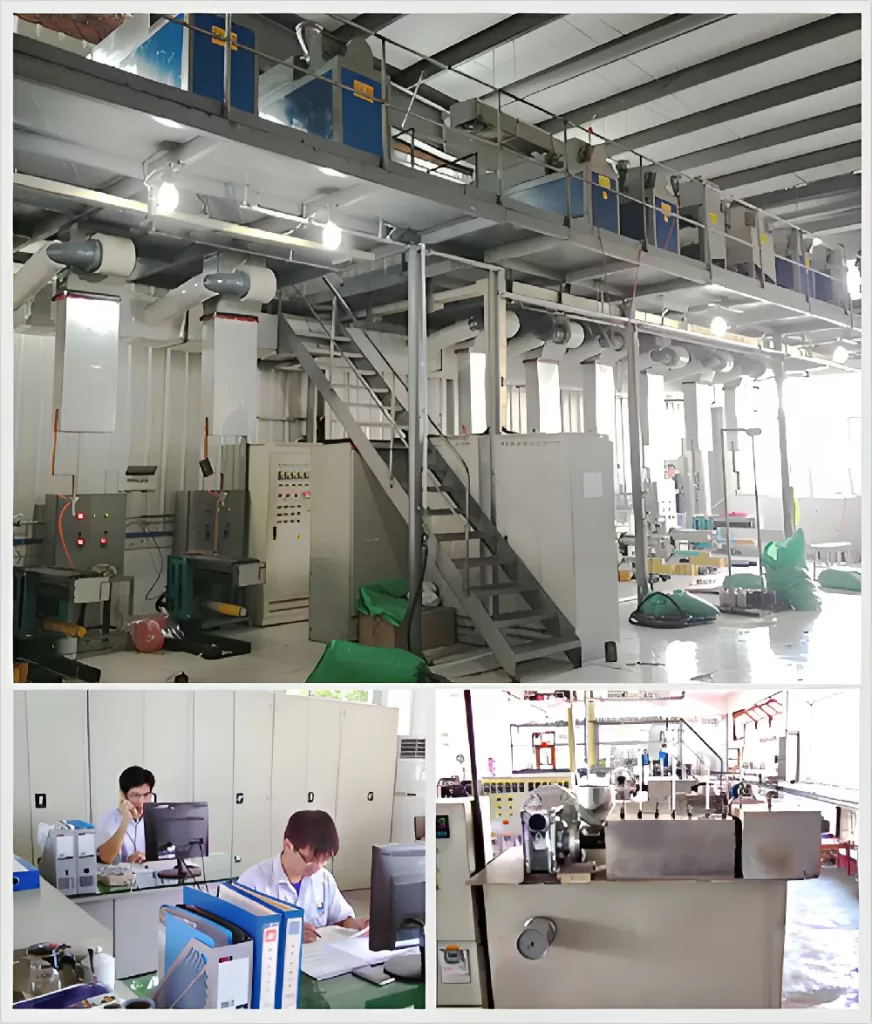
With advanced twin screw machines from Germany and decades of experience in Masterbatch processing and pigment dispersion technology, Charming provides stable high quality color Masterbatch and creative functional Masterbatch solutions for our customers.
Charming Masterbatch is well known in China market, and exports to Europe, South America, Southeast Asia, Middle East, North Africa etc about 18 countries and markets worldwide.
Not only products, Charming provides complete technical support service and individual development cooperation, which can help our customers solve practical problems and develop new projects with creative solutions. We are so proud that we can share our experience and technology with customers and grow up together.
Whether you need high-performance UV masterbatch uses and benefits for outdoor structural longevity, custom masterbatch formulations, or comprehensive insights on the masterbatch production process, partnering with a scientifically disciplined manufacturer protects your production line from incoming material variance. Explore our competitive plastic masterbatch price per ton 2026 analysis to optimize your plant’s procurement margins.
Common Mistakes Processors Make During Incoming Resin Inspection
From our experience auditing plastics manufacturing facilities worldwide, quality assurance teams frequently make four expensive testing mistakes:
- Accepting Supplier COAs Without Verification: Many resin traders provide generic, non-lot-specific spec sheets rather than actual batch testing data. Running your own MFI and moisture checks takes minutes and catches off-spec material before it contaminates central silos.
- Testing Hygroscopic Polymers on Inaccurate Balances: Using a basic halogen moisture balance to clear nylon or polyester resin leads to false approvals. Halogen balances struggle to measure below 0.05% moisture accurately. For critical hygroscopic materials, only Karl Fischer titration or closed-cell vaporization methods deliver valid results.
- Ignoring MFI Shear Rate Discrepancies: Testing polypropylene under polyethylene test conditions (e.g., using 190 degrees Celsius instead of 230 degrees Celsius, or 2.16 kg instead of 5.0 kg loads) produces invalid rheological numbers. Operators must follow the exact temperature and weight conditions specified in ASTM D1238 for each resin family.
- Neglecting Carrier Resin Compatibility in Masterbatch: Processors often add universal or mismatched color concentrates to engineering polymers. To understand how polymers bond at the chemical level, review our practitioner guide on how to color plastic permanently and verify raw ingredients via the masterbatch composition guide.
B2B Sourcing Considerations When Selecting Resin and Masterbatch Partners
When selecting raw polymer producers, recompounders, or masterbatch suppliers, plant procurement teams must evaluate their technical quality framework, not just price-per-kilogram quotes:
- Compounding Extrusion Technology: Confirm what machinery the supplier runs. Premier compounders utilize co-rotating, intermeshing German twin-screw extruders equipped with loss-in-weight gravimetric feeders, multi-stage degassing zones, and automated strand pelletizers to maintain consistent dispersion.
- Global Traceability & Standardization: Inquire whether the supplier maintains export compliance and lot tracking across international supply chains. Compare regional capabilities using our report on the masterbatch suppliers worldwide and specialized black masterbatch suppliers guide.
- Filter Pressure Value (FPV) Commitments: Require concentrate suppliers to provide FPV certificates for thin-wall molding, fiber spinning, and blown film lines. Clean pigment dispersion protects tool surfaces and ensures batch-to-batch color stability. Compare leading operations via our study of color concentrate manufacturers.
- Dedicated Technical Field Support: A reliable supplier does not abandon you when processing anomalies arise. Select partners that provide on-site technical diagnostics, mold analysis, and custom masterbatch formulation services to solve unexpected plant floor challenges.
Expert Recommendation & Material Management Verdict
We recommend establishing a practical, three-tiered incoming quality control protocol. Do not bankrupt your plant trying to build a full academic research laboratory on day one, and never run incoming materials completely blind.
Tier 1: On-Site Rapid Verification (Every Single Lot): Equip your incoming receiving bay with a reliable Melt Flow Indexer, an automated moisture balance (or Karl Fischer titrator for hygroscopic engineering resins), and a density displacement kit. Running these three tests takes under 30 minutes, costs less than $15,000 in equipment, and flags 90% of all processing and molecular weight errors before material enters production.
Tier 2: Visual and Spectrophotometric Audit (Every Pigmented Lot): Use a calibrated benchtop spectrophotometer to lock down ΔE color variance, and demand FPV certification from concentrate suppliers to eliminate dispersion defects.
Tier 3: Periodic Third-Party Accreditation (Quarterly or New Supplier Onboarding): Outsource advanced DSC scans, GPC molecular weight distribution tests, and mechanical tensile bar testing to accredited third-party laboratories. This establishes a legally defensible audit trail for ISO/IATF quality certifications without overloading your operational overhead.
Frequently Asked Questions (FAQ)
What are the most critical tests for plastic raw material quality?
The three most critical baseline tests are Melt Flow Index (MFI/MFR) to detect molecular weight changes, Moisture Content Testing to prevent hydrolytic degradation during processing, and Ash Content Analysis to verify correct mineral filler and glass fiber percentages. These three tests identify the vast majority of incoming raw material defects.
Why does Melt Flow Index (MFI) change between resin shipments?
MFI shifts occur when polymer chain lengths vary. This can stem from polymerization reactor instability at the chemical plant, excessive heat history during compounding, unannounced additions of post-industrial regrind, or thermal degradation. A higher MFI indicates lower molecular weight and reduced mechanical strength.
Can a standard drying oven replace a Karl Fischer moisture analyzer?
No. Standard loss-on-drying balances cannot accurately measure moisture levels below 0.05% (500 ppm). Engineering plastics like PBT, PET, and polyamides require moisture levels below 0.02% (200 ppm) to prevent hydrolytic polymer degradation. Only Karl Fischer titration or specialized relative-humidity sensor analyzers provide the necessary sensitivity for these resins.
What is the Filter Pressure Value (FPV) test for masterbatch?
The Filter Pressure Value test (governed by ISO 23900-5) measures pigment dispersion quality in color concentrates. Molten masterbatch is pumped through a defined screen mesh at a constant flow rate. Rapid pressure spikes indicate poorly dispersed, agglomerated pigment particles that can clog extruder screens, weaken parts, or cause pinholes in thin films.
How does ash content testing protect plastic processors financially?
Ash testing burns off the polymer matrix to measure the remaining inorganic minerals, talc, or glass fibers. This prevents processors from paying high polymer prices for heavily filled compounds, while ensuring filled engineering plastics meet the exact stiffness, heat resistance, and structural ratings required by end-use specifications.
Authoritative References
- ASTM International: Standard Test Method for Melt Flow Rates of Thermoplastics by Extrusion Plastometer (ASTM D1238)
- International Organization for Standardization: Plastics – Determination of Water Content (ISO 15512)
- Society of Plastics Engineers (SPE): Plastics Characterization and Material Quality Standards