
In the highly competitive world of plastics manufacturing, margin erosion is the ultimate enemy. From our experience auditing production floors and consulting with polymer engineers globally, the leading cause of profitability drain is high scrap rates. Defective products—whether plagued by sink marks, short shots, dimensional instability, or poor color dispersion—represent wasted resin, lost machine time, and severely compromised brand reputation. The Quality of Injection Molded Parts is not a matter of luck; it is a strict scientific equation balancing thermodynamics, rheology, mechanical engineering, and polymer chemistry.
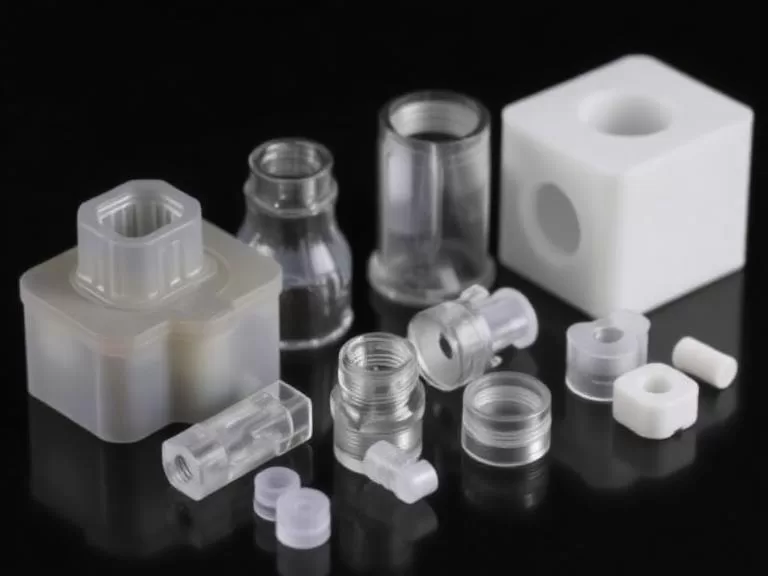
In most professional situations, operators attempt to solve defect issues by blindly tweaking machine parameters—cranking up injection pressure or extending cooling times—without understanding the root cause of the failure. This approach is costly and inefficient. To achieve operational excellence and maintain a stringent Overall Equipment Effectiveness (OEE), manufacturers must deeply understand the 7 core factors that affect the Quality of Injection Molded Parts. In this comprehensive, practitioner-level guide, we will break down exactly what dictates success in the mold, how to avoid common processing pitfalls, and whether upgrading your raw materials and masterbatch supply is the missing link in your production chain.
Quick Answer: What Drives Injection Molding Quality?
The Quality of Injection Molded Parts is determined by 7 interdependent factors: 1. Raw Material & Masterbatch Dispersion, 2. Moisture Content & Resin Drying, 3. Melt Temperature Control, 4. Injection Pressure & Speed Dynamics, 5. Mold Temperature & Cooling Efficiency, 6. Mold Design & Gating, and 7. Machine Calibration. A failure in any single factor disrupts the delicate Pressure-Volume-Temperature (P-V-T) relationship of the polymer, resulting in cosmetic defects, structural weaknesses, or outright part failure. Controlling these inputs requires high-grade resins, precision tooling, and expert process engineering.
Table of Contents
- What It Is: The Mechanics of Injection Molding Quality
- How It Works: The 7 Critical Factors
- Quick Summary Table
- Benefits of Mastering Process Control
- Limitations and Mechanical Bottlenecks
- Pros and Cons Table: In-House vs. Outsourced Color Compounding
- Who Should Use It & Who Does Not Need It
- Comparison Table: High vs. Poor Quality Attributes
- Common Mistakes in Injection Molding
- Buying Considerations for Raw Materials
- Buying Guide Table
- Expert Recommendation from Charming Masterbatch
- Frequently Asked Questions (FAQ)
What It Is: The Mechanics of Injection Molding Quality
When we discuss the Quality of Injection Molded Parts, we are evaluating three distinct categories of acceptability: Cosmetic Quality (color consistency, surface finish, absence of flow lines or splay), Dimensional Quality (adherence to tight engineering tolerances, minimal warpage, predictable shrinkage), and Structural Quality (weld line strength, impact resistance, absence of internal voids).
Injection molding is a dynamic process where a solid polymer is plasticized (melted) by a rotating screw, injected under immense pressure into a cold steel cavity, and allowed to solidify. Because melted plastic is a non-Newtonian fluid—meaning its viscosity changes depending on how fast it is pushed (shear rate)—the process is highly sensitive. The Quality of Injection Molded Parts relies entirely on managing the thermal and pressure history of the plastic as it travels from the hopper, through the heated barrel, past the restrictive gate, and into the mold cavity.
How It Works: The 7 Critical Factors
To produce flawless components, commercial users must master the following seven variables.
1. Raw Material Selection and Masterbatch Dispersion
The foundation of the Quality of Injection Molded Parts is the resin itself. Using degraded, heavily reground, or contaminated polymer guarantees failure. However, even virgin resin can fail if the colorant or functional additive is subpar. Poor masterbatch dispersion leads to color streaking, weak weld lines, and localized stress concentrators.
Understanding the exact masterbatch composition guide is vital. If the carrier resin of the masterbatch is incompatible with your base polymer, delamination will occur. For example, knowing exactly what is PBT masterbatch versus what is PVC masterbatch allows engineers to prevent chemical degradation during processing. Utilizing premium additives, such as those from top-tier masterbatch suppliers worldwide, ensures homogenous melt blending, directly elevating the structural integrity and aesthetic appeal of the final part.
2. Moisture Content and Resin Drying
Hygroscopic materials—such as Nylon (PA), Polycarbonate (PC), ABS, and PET—absorb moisture from the atmosphere. If these materials are processed without proper desiccant drying, the trapped water turns into steam within the heated barrel. This steam causes hydrolysis, which chemically chops the polymer chains, destroying the molecular weight and mechanical strength of the plastic.
Visually, excessive moisture presents as “splay” or silver streaking on the surface of the part. In our testing, failure to accurately monitor dew points in drying hoppers is responsible for up to 30% of sudden, unexplained drops in the Quality of Injection Molded Parts.
3. Melt Temperature and Thermal Degradation
The melt temperature refers to the actual temperature of the molten plastic as it exits the nozzle, not just the setpoint of the barrel heater bands. If the melt temperature is too low, the plastic viscosity remains high, requiring excessive injection pressure that can cause molded-in stress and short shots (incomplete filling). Conversely, if the melt temperature is too high, the polymer undergoes thermal degradation. This leads to burn marks, brittle parts, and the release of toxic, corrosive gases that can damage the mold tooling.
4. Injection Pressure, Speed, and Packing Profile
Injection velocity dictates how the plastic shears and flows into the mold. High speeds reduce viscosity (shear thinning) and prevent premature freezing, which is ideal for thin-walled parts. However, excessive speed can cause jetting—where the plastic snakes into the mold rather than expanding smoothly in a uniform flow front.
Once the mold is 95% to 98% full, the machine must accurately switch from velocity control to pressure control (the V-to-P transfer). The subsequent “pack and hold” pressure forces additional plastic into the cavity to compensate for volumetric shrinkage as the part cools. Insufficient hold pressure leads to sink marks and internal voids, severely degrading the Quality of Injection Molded Parts.
5. Mold Temperature and Cooling Efficiency
Cooling typically accounts for 60% to 70% of the total injection molding cycle time. The temperature of the mold steel dictates the cooling rate of the plastic. A mold that is too cold will freeze the plastic instantly, creating high internal stress, poor surface finish, and weak weld lines. A mold that is too hot extends cycle times and can cause parts to warp upon ejection.
For heavy-duty applications, ensuring uniform cooling channels across the core and cavity is critical. Unequal cooling rates cause differential shrinkage, which physically pulls and warps the part out of tolerance.
6. Mold Design, Gating, and Venting
Even the perfect processing parameters cannot overcome bad tooling. The gate size and location determine how the plastic enters the cavity. A gate that is too small generates extreme shear heat, potentially burning the material. Furthermore, as plastic rushes into the mold, it displaces air. If the mold lacks adequate venting, this air becomes trapped, compressed, and superheated—a phenomenon known as the “diesel effect.” This literally burns the plastic, leaving black scorch marks on the trailing edges of your parts.
7. Additive Blending and Functional Enhancements
Modern plastics rarely consist of pure resin. To achieve specific mechanical or aesthetic properties, manufacturers incorporate UV stabilizers, flame retardants, or filler masterbatches. Understanding what is filler masterbatch and how calcium carbonate or talc impacts the melt flow index is vital for avoiding dimensional drift. Similarly, knowing UV masterbatch uses and benefits ensures the long-term outdoor survivability of the part. Accurate dosing equipment is required to maintain consistent ratios; hand-mixing batches on the production floor guarantees a volatile Quality of Injection Molded Parts.
| Factor | Impact on Part Quality | Primary Defect if Ignored |
|---|---|---|
| Raw Material / Masterbatch | Determines base strength, color homogeneity, and chemical resistance. | Color streaks, weak weld lines, delamination. |
| Moisture Content | Prevents polymer chain cleavage (hydrolysis) during melting. | Splay (silver streaks), severe brittleness. |
| Melt Temperature | Controls viscosity and structural integrity of the polymer. | Burn marks (too high), short shots (too low). |
| Injection Pressure/Speed | Dictates mold filling behavior and compensates for shrinkage. | Flash (too high pressure), sink marks (too low hold). |
| Mold Temperature | Influences crystallization, surface gloss, and internal stress. | Warpage, poor dimensional stability. |
| Mold Design / Venting | Allows air escape and dictates melt flow fronts. | Diesel burns, air traps, weak knit lines. |
| Machine Calibration | Ensures shot-to-shot repeatability and check-ring seating. | Inconsistent part weight, erratic flash/short shots. |
Benefits of Mastering Process Control
For commercial users, strictly managing the factors that affect the Quality of Injection Molded Parts yields profound financial returns. First, it drastically reduces the scrap rate, which directly impacts raw material costs. Second, achieving a stable, optimized process allows engineers to safely reduce cycle times. Shaving just two seconds off a cooling cycle across a million-part run saves hundreds of machine hours, maximizing Overall Equipment Effectiveness (OEE) and capital utilization.
Limitations and Mechanical Bottlenecks
We must apply practical judgment here: optimal process parameters are strictly limited by your hardware. If you are operating a 20-year-old hydraulic injection molding machine with worn-out barrel check rings, your melt cushion will fluctuate wildly, making consistent hold pressure impossible. Similarly, if you are attempting to process high-temperature engineered resins (like PEEK or Ultem) in tooling designed for cheap polypropylene, no amount of parameter tweaking will yield high-quality parts. Process engineering cannot fix mechanical obsolescence.
| Strategy | Pros | Cons |
|---|---|---|
| In-House Blending (Natural Resin + Masterbatch) | Significantly lower material costs; lower inventory overhead; high flexibility for color changes. | Requires precise dosing equipment; risk of poor dispersion if using low-quality masterbatch. |
| Pre-Colored Compounded Resin | Perfect color dispersion guaranteed; eliminates dosing errors on the shop floor. | Very high cost per pound; high Minimum Order Quantities (MOQs); inflexible inventory. |
Who Should Use It & Who Does Not Need It
For heavy-duty applications and commercial users: Manufacturers in the automotive, aerospace, medical device, and premium consumer electronics sectors must rigidly enforce Scientific Molding principles. In these industries, the Quality of Injection Molded Parts is a matter of safety and strict regulatory compliance. Investing in decoupled molding techniques, premium masterbatches, and cavity pressure sensors is absolutely mandatory.
Who does not need to over-engineer: If you are producing ultra-low-cost, disposable commodities (e.g., generic plastic cutlery, disposable planters) where dimensional tolerances are loose and aesthetic perfection is irrelevant, investing hundreds of thousands in cavity pressure transducers or premium compounding is an unnecessary drain on your margins. Standard, baseline processing parameters and economy-grade masterbatch will suffice.
| Attribute | Poor Quality Parts | High Quality Parts |
|---|---|---|
| Surface Finish | Dull patches, silver splay marks, flow lines, or gate blush. | Uniform gloss/texture, perfectly replicating the mold steel surface. |
| Dimensions | High variance shot-to-shot, unpredictable shrinkage, severe warpage. | Strict adherence to CpK tolerances, lies flat, assembles seamlessly. |
| Structural Integrity | Internal voids, weak weld lines that break under minor stress. | Solid cross-sections, optimized molecular orientation, high impact strength. |
| Color Distribution | Swirls, streaks, or inconsistent hues due to poor masterbatch dispersion. | Deep, homogenous color saturation matched perfectly to target tolerances. |
Common Mistakes in Injection Molding
The most devastating mistake we observe is treating the symptom instead of the disease. For instance, if a technician sees a short shot (the mold isn’t filling completely), their immediate reaction is often to increase injection pressure or melt temperature. However, if the actual cause of the short shot is poor mold venting preventing air from escaping, increasing pressure will only result in severe diesel burns and potential tool damage.
Another major mistake is utilizing cheap, unverified masterbatch suppliers to save a few pennies per kilo. Substandard masterbatches use poor carrier resins that do not melt at the same rate as the base polymer, resulting in severe color swirling and agglomerates that block hot runner systems. If you want to achieve precise aesthetic targeting, referencing a plastic color chart with codes and working with a supplier who utilizes a strict masterbatch color code chart is essential to avoid costly color-matching errors.
Buying Considerations for Raw Materials and Masterbatch
When selecting raw materials, evaluate your supply chain with practical commercial judgment. Do not simply look for the lowest plastic masterbatch price per ton 2026. Instead, evaluate the let-down ratio (LDR). A cheap masterbatch might require a 5% LDR to achieve full opacity, whereas a highly concentrated, premium masterbatch might only require a 1.5% LDR. The “expensive” masterbatch is actually cheaper per molded part and introduces less foreign carrier resin into your structural polymer matrix.
| Evaluation Criteria | What to Look For | Why It Matters for Part Quality |
|---|---|---|
| Carrier Resin Compatibility | The carrier should match or be highly compatible with your base polymer (e.g., PE carrier for PE/PP base). | Prevents delamination, weak weld lines, and surface peeling. |
| Pigment Concentration | High pigment loading (e.g., 40-60% for black masterbatch suppliers guide). | Allows for lower let-down ratios, saving money and preserving base resin properties. |
| Dispersion Equipment | Manufactured using advanced twin-screw extruders. | Ensures zero agglomerates (unmelted pigment chunks) that clog hot runners and cause cosmetic streaks. |
| Technical Support | Supplier offers color matching, spectro-analysis, and trial samples. | Prevents costly mass-production errors and accelerates new product introduction. |
Expert Recommendation
In most professional situations, the fastest way to elevate the Quality of Injection Molded Parts is to stabilize your raw material inputs. You can possess the most advanced, fully-electric injection molding machines on the market, but if your colorant dispersion is erratic, your final product will be rejected by quality control.
With advanced twin screw machines from Germany and decades of experience in Masterbatch processing and pigment dispersion technology, Charming provides stable high quality color Masterbatch and creative functional Masterbatch solutions for our customers.
We recommend abandoning unreliable commodity brokers and partnering directly with an industry leader. Charming Masterbatch is well known in China market, and exports to Europe, South America, Southeast Asia, Middle East, North Africa etc about 18 countries and markets worldwide.
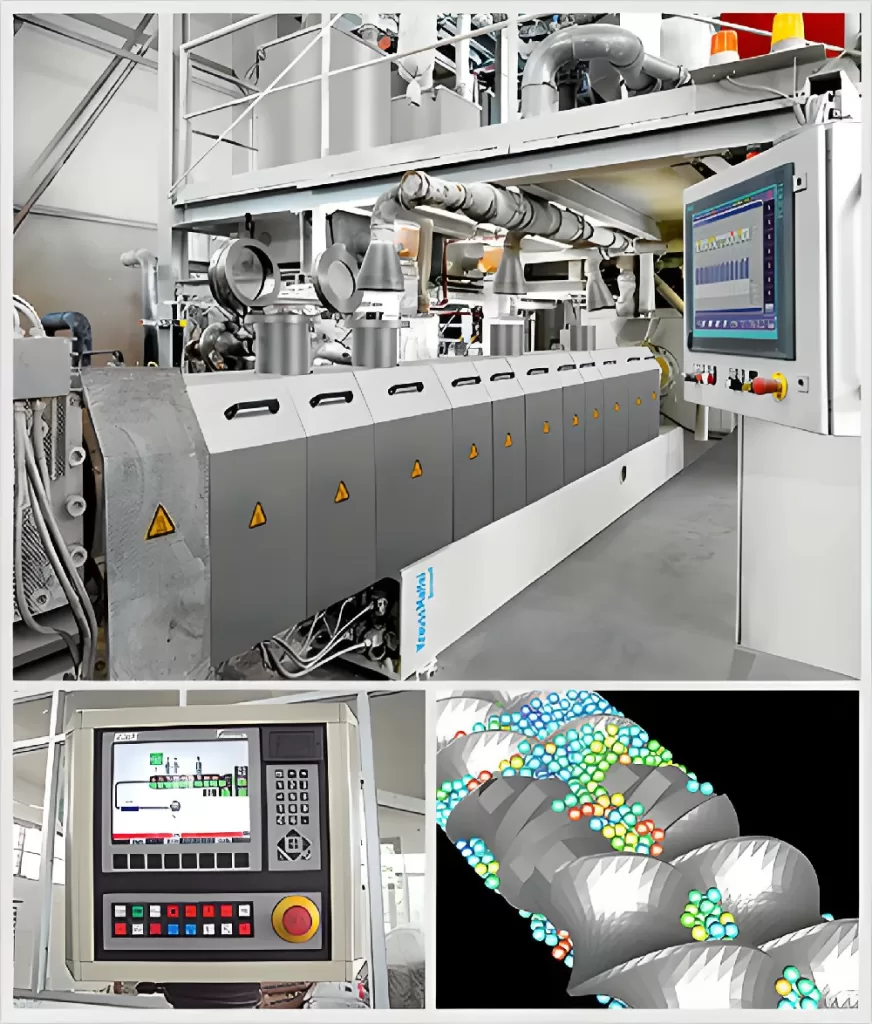
When you are troubleshooting severe cosmetic defects or engineering a highly UV-resistant outdoor component, generic suppliers cannot provide the necessary consultative engineering. Not only products, Charming provides complete technical support service and individual development cooperation, which can help our customers solve practical problems and develop new projects with creative solutions. Whether you are molding high-gloss consumer electronics or durable automotive trim, controlling your masterbatch quality is the definitive first step toward zero-defect manufacturing.
Frequently Asked Questions (FAQ)
How does moisture affect the Quality of Injection Molded Parts?
Excess moisture in hygroscopic resins vaporizes during the melting process. This steam causes hydrolysis (breaking the polymer chains), resulting in severe loss of structural strength, extreme brittleness, and cosmetic surface defects known as splay or silver streaking.
What causes sink marks in injection molded plastic?
Sink marks are external depressions on the surface of a part, typically occurring over thick wall sections or rib intersections. They are caused by the interior of the plastic shrinking as it cools and pulling the semi-molten skin inward. This is primarily resolved by increasing the hold pressure, extending the hold time, or redesigning the part to have uniform wall thickness.
Why is masterbatch dispersion critical for injection molding?
Poor masterbatch dispersion means the color pigments or functional additives are not evenly mixed into the base polymer. This leads to visible color swirls, weak knit lines, and localized stress points where agglomerates (clumps of undispersed pigment) act as structural flaws that can initiate cracking under mechanical load.
Authoritative Industry References
To ensure our operational advice aligns with global engineering and manufacturing standards, we reference data and guidelines from the following authoritative organizations:
- Society of Plastics Engineers (SPE) – Global technical society providing peer-reviewed research on polymer processing, rheology, and injection molding defect analysis.
- International Organization for Standardization (ISO) – Governing body detailing ISO 9001 quality management standards essential for maintaining manufacturing repeatability in plastics.
- Plastics Industry Association (PLASTICS) – Trade association providing advanced guidelines on machinery safety, material handling, and best practices for commercial polymer processing.