
Introduction to Polymer Coloration
In the vast and complex world of plastics manufacturing, achieving vibrant, consistent, and durable coloration is a critical engineering challenge. Among the spectrum of colors utilized across global industries, red stands out as a color of high visibility, brand identity, and psychological impact. To achieve this brilliant hue in end products, manufacturers rely heavily on a specialized additive known as red masterbatch. Understanding what is red masterbatch and use parameters is essential for any production facility aiming to elevate product quality while optimizing manufacturing costs.
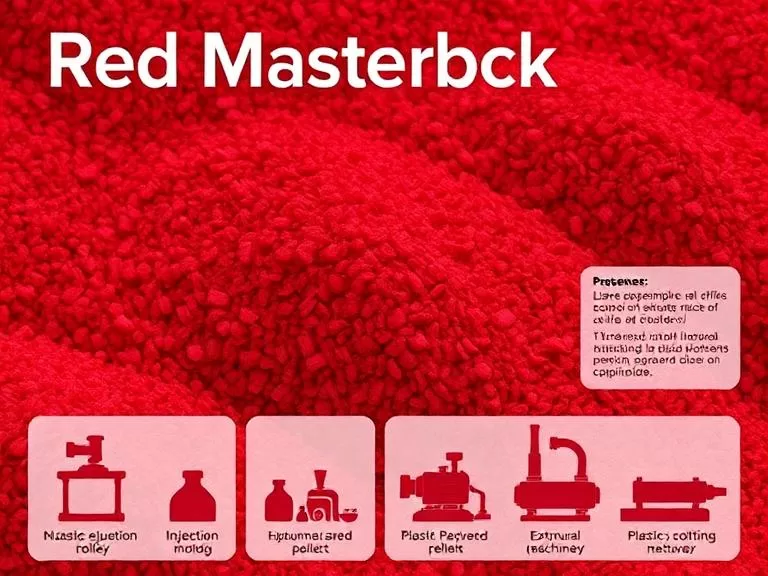
Table of Contents
- Introduction to Polymer Coloration
- What is Red Masterbatch? A Technical Definition
- The Manufacturing Science Behind Red Masterbatch
- Primary Industrial Uses of Red Masterbatch
- How to Choose the Right Red Masterbatch
- The Charming Masterbatch Advantage
- Summary Table: Properties and Applications
- Frequently Asked Questions (FAQs)
- Industry References
Written by the technical experts at Charming Masterbatch, this comprehensive guide explores the intricate details of red masterbatch. With decades of experience in Masterbatch processing and pigment dispersion technology, we have witnessed the evolution of polymer coloration firsthand. This article will provide an authoritative overview of the composition, manufacturing processes, and diverse applications of red masterbatch in today’s demanding market.
What is Red Masterbatch? A Technical Definition
At its core, red masterbatch is a solid, highly concentrated mixture of red pigments and specialized additives encapsulated into a carrier resin. This compound is then cooled and cut into a granular shape. The primary purpose of red masterbatch is to impart color to raw polymer during the plastics manufacturing process, whether that involves injection molding, blow molding, film blowing, or extrusion.
Rather than dealing with raw, messy powder pigments that are prone to airborne contamination and poor dispersion, manufacturers use red masterbatch to introduce color cleanly and accurately. The composition of a high-quality red masterbatch typically involves three main components: the primary red pigment (which can be organic or inorganic depending on the required opacity and heat resistance), a carrier polymer (such as PE, PP, PET, or ABS), and a dispersion agent or functional additive that ensures the pigment particles are evenly distributed without agglomeration.
The Manufacturing Science Behind Red Masterbatch
Creating a stable, high-performance red masterbatch is a rigorous scientific process. Raw red pigments naturally tend to clump together due to high surface energy. If these clumps are not broken down during the manufacturing stage, the final plastic product will exhibit color spots and reduced mechanical strength.
At Charming Masterbatch, we utilize advanced twin screw machines from Germany. These machines provide the immense shear force required to break down pigment agglomerates at a microscopic level. The twin-screw extrusion process meticulously melts the carrier resin, introduces the red pigment and dispersion agents, and thoroughly kneads the mixture. This ensures that every individual pigment particle is coated with the polymer melt. We recommend utilizing twin-screw extrusion over single-screw methods for COLOR MASTERBATCH production, as the intensive mixing yields a red masterbatch with vastly superior dispersion, higher color strength, and excellent filter pressure values (FPV).
Primary Industrial Uses of Red Masterbatch
The applications for red masterbatch are incredibly diverse. Because red is universally recognized for warnings, branding, and aesthetic appeal, its industrial footprint is massive. Below, we detail the core sectors that rely on this vital compound.
The Packaging Industry
In the competitive packaging sector, shelf appeal is everything. Red masterbatch is extensively used in the production of flexible films, shopping bags, cosmetic containers, and food packaging. When formulating red masterbatch for food packaging, strict adherence to FDA or international food contact regulations is mandatory. We recommend utilizing organic red pigments for packaging applications, as they provide high transparency and brilliant gloss, ensuring that the packaging catches the consumer’s eye while maintaining the structural integrity of thin films.
Automotive Components
The automotive industry requires materials that can withstand extreme environmental conditions. Red masterbatch is used for exterior components like tail light housings, reflectors, and interior aesthetic trims. For these applications, the red masterbatch must possess exceptional UV stability, weather resistance, and high thermal stability to endure the heat generated by the vehicle and prolonged sun exposure. Inorganic red pigments are often favored here due to their superior light fastness and resistance to fading over time.
Construction and Pipe Extrusion
In the construction sector, color coding is a matter of safety and organization. Red masterbatch is frequently used in the extrusion of underground warning tapes, electrical conduits, and hot water PPR pipes. The red masterbatch used in pipe extrusion must not migrate or leach over decades of use. Furthermore, it must maintain its color integrity during the high-temperature extrusion process. Our FUNCTIONAL MASTERBATCH formulations often combine red pigments with UV stabilizers and antioxidants specifically for outdoor construction applications.
Consumer Goods and Electronics
From household appliances and children’s toys to power tool casings, red masterbatch provides the aesthetic finish that consumers demand. For electronic housings, the red masterbatch must often be compatible with flame retardant additives without compromising the color vibrancy. Whether the final product is a high-gloss ABS coffee maker or a durable PE children’s slide, the specific formulation of the red masterbatch dictates the product’s visual lifecycle.
How to Choose the Right Red Masterbatch
Selecting the correct red masterbatch is a nuanced process. A formulation that works perfectly for a thin PE film may fail entirely in a thick-walled ABS injection molded part. When consulting with our global clients, we recommend evaluating the following parameters:
- Carrier Compatibility: The carrier resin of the red masterbatch must have a similar or higher melt flow index (MFI) than your base polymer to ensure homogeneous mixing.
- Processing Temperature: Ensure the pigment used in the red masterbatch can withstand your machinery’s processing temperatures without degrading or shifting color.
- Light Fastness and Weatherability: For outdoor products, request a red masterbatch formulated with high light fastness (typically rated on the Blue Wool Scale) to prevent fading.
- Migration Resistance: Ensure the color will not bleed into adjacent materials, which is particularly critical in multi-layer packaging and automotive interiors.
The Charming Masterbatch Advantage
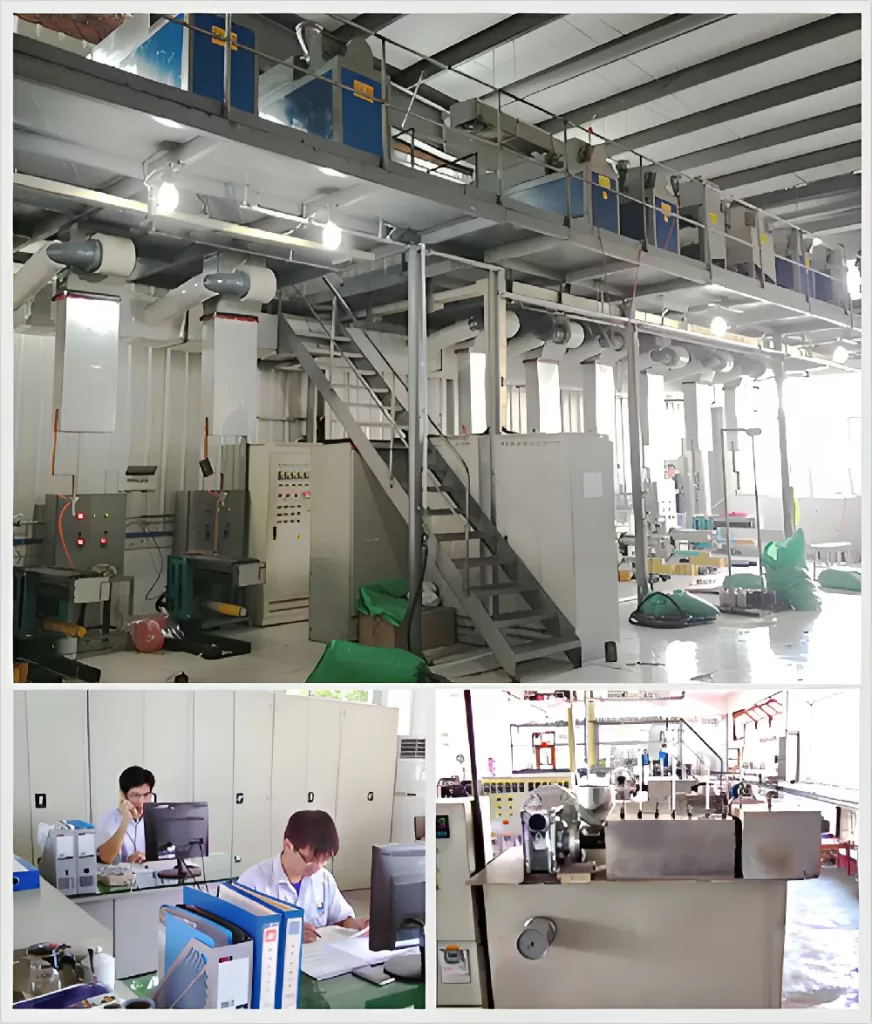
Charming Masterbatch is well known in the China market, and exports to Europe, South America, Southeast Asia, the Middle East, North Africa, and about 18 countries and markets worldwide. We understand that our clients require more than just a bucket of color. Not only products, Charming provides complete technical support service and individual development cooperation, which can help our customers solve practical problems and develop new projects with creative solutions.
Whether you require a standard COLOR MASTERBATCH for high-volume injection molding or a customized FUNCTIONAL MASTERBATCH that combines vibrant red hues with anti-static or anti-UV properties, our facility is equipped to deliver. We are so proud that we can share our experience and technology with customers and grow up together, ensuring that your manufacturing process is efficient, stable, and highly profitable.
Summary Table: Properties and Applications
| Application Sector | Recommended Carrier Resin | Key Performance Requirements | Typical End Products |
|---|---|---|---|
| Packaging & Films | PE, PP | High dispersion, Food contact safe, High gloss | Shopping bags, cosmetic bottles, food wrappers |
| Automotive | ABS, PC, PP | UV stability, High heat resistance, Weatherability | Tail lights, interior trims, engine covers |
| Construction | PPR, HDPE, PVC | Migration resistance, Long-term color fastness | Hot water pipes, warning tapes, conduits |
| Consumer Goods | HIPS, ABS, PE | RoHS compliance, Brightness, Scratch resistance | Toys, household appliances, electronic casings |
Frequently Asked Questions (FAQs)
Why use red masterbatch instead of raw red pigment powder?
From our experience, using raw pigment powder leads to severe airborne contamination in the factory, inconsistent color due to poor dispersion, and increased cleaning times between production runs. Red masterbatch encapsulates the pigment in a resin pellet, ensuring a clean, highly dispersed, and easily measurable coloration process.
How much red masterbatch should I add to my raw polymer?
The addition rate, also known as the let-down ratio (LDR), typically ranges from 1 percent to 5 percent depending on the opacity of the base polymer, the thickness of the final product, and the desired color depth. We recommend conducting a trial run to establish the optimal LDR for your specific machinery.
Can red masterbatch affect the mechanical properties of my plastic product?
If formulated incorrectly or used at excessively high dosages, the pigment can act as a stress concentrator, reducing impact strength and tensile properties. This is why partnering with an experienced manufacturer like Charming Masterbatch is crucial; we engineer our masterbatch to maintain the structural integrity of your base polymer.
Does red masterbatch fade in the sun?
It depends entirely on the pigment chemistry used. Standard organic red pigments may fade under prolonged UV exposure. For outdoor applications, we formulate our red masterbatch with high-grade inorganic pigments and UV stabilizers to guarantee long-lasting color retention.
Industry References
- Society of Plastics Engineers (SPE). Polymer Coloration and Additives Guidelines.
- International Organization for Standardization (ISO). Plastics – Determination of color fastness and migration.
- Charming Masterbatch Technical Data Archives. Best Practices for Twin-Screw Extrusion in Pigment Dispersion.