
The global plastic manufacturing industry is currently navigating an incredibly complex economic landscape. Processors and extrusion facilities are under immense pressure to maintain strict quality control standards while simultaneously mitigating the volatile costs of virgin petrochemical resins. In this highly competitive environment, material science optimization is no longer a luxury; it is a fundamental requirement for business survival. At Charming Masterbatch, we consult daily with industrial partners who are searching for reliable, scalable methodologies to optimize their production formulas.
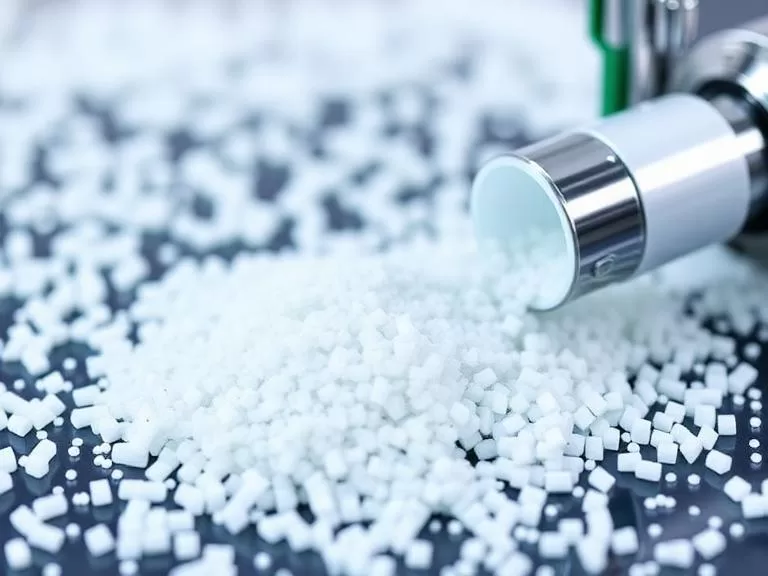
One of the most effective and universally adopted strategies across the sector is the integration of calcium carbonate and talc-based additives. Understanding the comprehensive Benefits of Using Filler Masterbatch is essential for any production manager aiming to maximize output without sacrificing the mechanical integrity of the final polymer product. These specialized compounds act as an extension of the virgin polymer, transforming the thermal, physical, and economic profile of the resulting plastic.
From our experience working with manufacturers across 18 countries worldwide, the improper utilization of additives can lead to processing headaches, but the strategic application of premium fillers unlocks unprecedented competitive advantages. In this authoritative technical guide, we will explore the definitive Top 5 Benefits of Using Filler Masterbatch, breaking down the mechanical chemistry and operational efficiencies that these materials provide to modern plastic extrusion, blow molding, and injection molding applications.
Table of Contents
- 1. Summary Table: Core Advantages of Filler Integration
- 2. Benefit 1: Significant Cost Reduction in Raw Materials
- 3. Benefit 2: Enhanced Physical Properties and Rigidity
- 4. Benefit 3: Improved Heat Resistance and Reduced Shrinkage
- 5. Benefit 4: Superior Printability and Surface Finish
- 6. Benefit 5: Increased Production Efficiency and Extrusion Output
- 7. Integrating Fillers with Functional and Color Solutions
- 8. The Charming Masterbatch Manufacturing Advantage
- 9. Frequently Asked Questions (FAQs)
- 10. Industry References
1. Summary Table: Core Advantages of Filler Integration
To provide immediate clarity on how these specialized compounds impact your operations, we have compiled a summary table detailing the primary Benefits of Using Filler Masterbatch across different manufacturing metrics.
| Operational Metric | Impact of Filler Masterbatch | Primary Industrial Application |
|---|---|---|
| Raw Material Costs | Replaces up to 40% of expensive virgin polymer resins. | High-volume Film / Plastic packaging, injection molding. |
| Mechanical Rigidity | Increases the stiffness and tensile strength of the end product. | Thermoforming, rigid containers, woven sacks. |
| Thermal Conductivity | Accelerates heating and cooling cycles within the extruder. | Blow molding, high-speed extrusion lines. |
| Dimensional Stability | Drastically reduces warping and plastic shrinkage during cooling. | Precision injection molded parts, automotive components. |
| Surface Friction | Acts as a natural anti-blocking agent, improving print adhesion. | Shopping bags, industrial agricultural films, printing applications. |
2. Benefit 1: Significant Cost Reduction in Raw Materials
When analyzing the overall profitability of a plastic manufacturing plant, raw material procurement accounts for the vast majority of operational expenses. The most immediate and universally recognized among the Benefits of Using Filler Masterbatch is the drastic reduction in total resin costs. Filler masterbatches are primarily composed of ultra-fine calcium carbonate (CaCO3) powder compounded seamlessly into a polyolefin carrier resin (typically PE or PP).
Because calcium carbonate is a highly abundant, naturally occurring mineral, its market price is significantly lower and far more stable than petroleum-derived virgin resins like Polyethylene or Polypropylene. By introducing a high-quality filler masterbatch into your hopper, you effectively displace a percentage of the expensive virgin plastic with a highly functional, lower-cost mineral. From our experience, processors can safely load between 15% and 40% filler masterbatch depending on the application. For example, in the production of high-density polyethylene (HDPE) T-shirt bags or woven sacks, this displacement directly translates to thousands of dollars in material savings per month without compromising the tear strength required by the end-user.
3. Benefit 2: Enhanced Physical Properties and Rigidity
It is a common misconception that adding fillers inherently weakens the plastic matrix. On the contrary, one of the most technical Benefits of Using Filler Masterbatch is the specific enhancement of structural mechanics. While excessive loading can lead to brittleness, precision dosing actually improves the rigidity and stiffness of the final product.
In applications such as thermoforming, injection-molded furniture, or heavy-duty industrial containers, the structural rigidity provided by the virgin polymer alone is often insufficient. Calcium carbonate particles act as microscopic structural reinforcement nodes within the polymer chain. We recommend optimizing your let-down ratios to achieve the perfect balance. When properly dispersed, the filler increases the flexural modulus (stiffness) of the plastic, allowing manufacturers to produce thinner-walled containers that still meet strict stacking and load-bearing requirements, further contributing to material reduction and sustainability goals.
4. Benefit 3: Improved Heat Resistance and Reduced Shrinkage
Thermal dynamics play a critical role in plastic manufacturing. When molten polymer exits the die and enters the cooling phase, it naturally contracts. This shrinkage can cause severe warping, dimensional inaccuracies, and rejected parts, particularly in thick-walled injection molding processes. The thermal stabilization provided by mineral additives is one of the most critical Benefits of Using Filler Masterbatch.
Calcium carbonate possesses an exceptionally low thermal expansion coefficient compared to polyolefins. When the filler is homogenously dispersed throughout the plastic matrix, it restricts the movement of the polymer chains as they cool, massively reducing the overall shrinkage rate. Furthermore, the mineral improves the heat deflection temperature (HDT) of the product, meaning the final plastic component can withstand higher environmental temperatures before beginning to soften or deform. This is absolutely essential for automotive interior components and microwave-safe food packaging.
5. Benefit 4: Superior Printability and Surface Finish
In the packaging industry, the visual aesthetic and functional handling of a film are paramount. The micro-roughness introduced to the surface of a polymer by calcium carbonate particles yields several highly desirable secondary effects. One of the least discussed but most valuable Benefits of Using Filler Masterbatch is its natural anti-blocking capability.
In blown film extrusion, virgin polyolefin films tend to stick together (blocking) when wound tightly onto a roll. The mineral particles in the filler create microscopic separations between the film layers, allowing them to open easily during the conversion process. Additionally, standard polyolefins possess a low surface energy, making them notoriously difficult to print on without heavy corona treatment. The introduction of filler masterbatch slightly alters the surface tension and provides a matte, paper-like finish that drastically improves ink adhesion and print resolution. This makes it an indispensable additive for retail shopping bags and high-end branded packaging.
6. Benefit 5: Increased Production Efficiency and Extrusion Output
Time is money on the factory floor. Extending beyond material costs, the thermal properties of calcium carbonate significantly optimize the mechanics of the extrusion machinery itself. Minerals conduct heat far more efficiently than plastics. One of the most operational Benefits of Using Filler Masterbatch is the increase in total production output per hour.
Because the filler absorbs and dissipates heat rapidly, the masterbatch helps the entire polymer blend melt faster within the extruder barrel. More importantly, it allows the plastic to cool and solidify much faster once it hits the chill roll or the injection mold. This rapid thermal transfer means that manufacturers can safely increase their line speeds and reduce their molding cycle times. Over a 24-hour production shift, saving just a few seconds per cycle or increasing line speed by a few meters per minute results in a massive increase in total yield.
7. Integrating Fillers with Functional and Color Solutions
While maximizing the Benefits of Using Filler Masterbatch provides the structural and economic foundation for your product, modern plastics require multifaceted performance. At Charming Masterbatch, we engineer our fillers to be completely compatible with our advanced coloring and functional additive lines, ensuring seamless blending within your hopper.
Whether you are producing Color Masterbatch for consumer goods or complex Fiber / Filament / BCF / Nowoven textiles, color consistency is mandatory. Our filler compounds are designed with excellent dispersion technology, ensuring they do not cause agglomeration or dull the vibrancy of your primary pigments. For Film / Plastic applications subjected to harsh environments, we highly recommend combining our filler formulations with our specialized Functional Masterbatch range.
By engineering a custom package, processors can leverage the cost savings of our fillers alongside the protective properties of an Antimicrobial or Antistatic masterbatch. For construction and electrical applications, integrating our fillers with a Flame Retardant additive ensures regulatory compliance, while outdoor agricultural films benefit immensely from pairing fillers with our premium UV stabilizer to prevent photo-degradation.
8. The Charming Masterbatch Manufacturing Advantage
Realizing the full Benefits of Using Filler Masterbatch requires a manufacturing partner capable of absolute precision. Poor quality fillers with large particle sizes or high moisture content will clog your screen packs, tear your films, and damage your screw. This is where Charming Masterbatch excels.
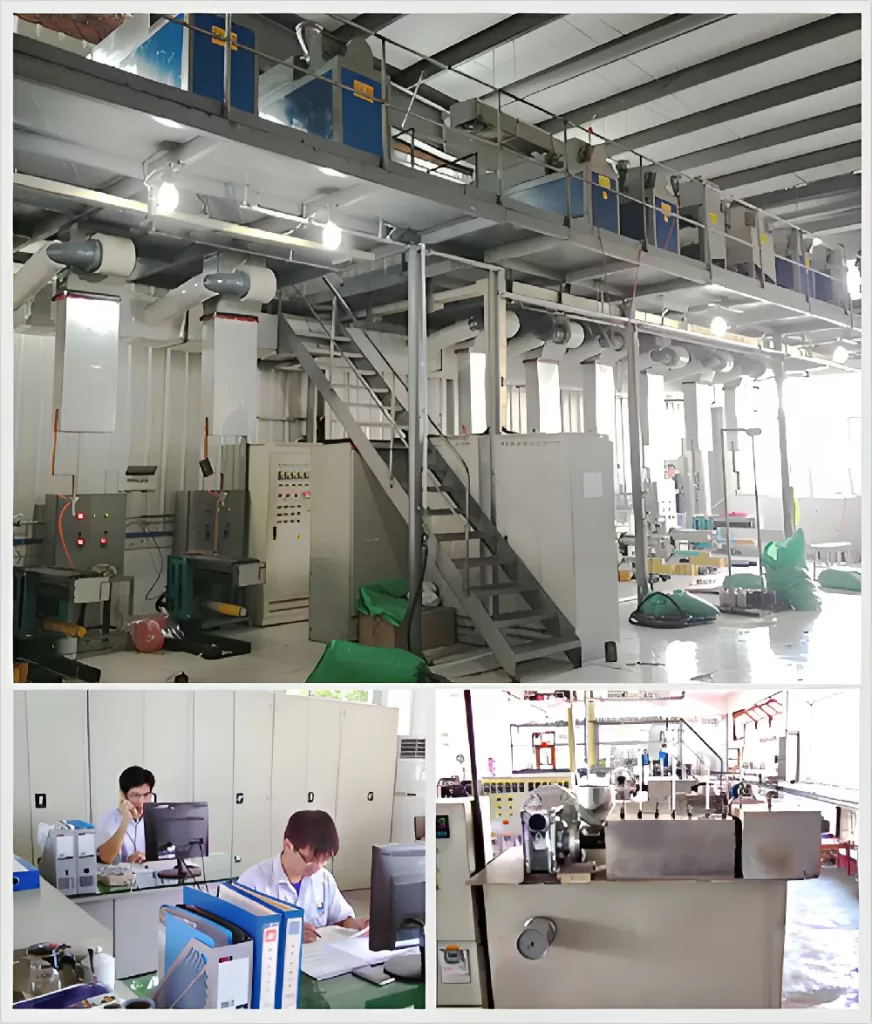
With advanced twin screw machines from Germany and decades of experience in Masterbatch processing and pigment dispersion technology, Charming provides stable, high-quality color Masterbatch and creative functional Masterbatch solutions for our customers. Charming Masterbatch is well known in the China market, and proudly exports to Europe, South America, Southeast Asia, the Middle East, North Africa, and beyond, serving approximately 18 countries and markets worldwide.
Not only do we supply superior products, but Charming provides complete technical support service and individual development cooperation. This approach helps our customers solve practical production problems and develop new projects with creative, scientifically backed solutions. We are so proud that we can share our experience and technology with customers and grow up together. When you partner with us, you are guaranteed consistency, innovation, and unwavering technical support.
9. Frequently Asked Questions (FAQs)
What is the optimal percentage when exploring the Benefits of Using Filler Masterbatch?
The optimal loading ratio depends entirely on the application. For standard injection molding, ratios between 10% and 30% are common. For heavy-duty woven sacks or thick extrusion pipes, loading can sometimes reach up to 40% to 50%. We recommend consulting with our technical team to determine the exact let-down ratio that balances cost savings with mechanical integrity for your specific product.
Will using a filler masterbatch damage my extruder screw?
If you use low-quality fillers with coarse, abrasive particles, premature wear on the extruder screw and barrel can occur. However, Charming Masterbatch utilizes ultra-fine, surface-treated calcium carbonate and premium German twin screw processing. From our experience, our highly dispersed masterbatches minimize friction and protect your machinery from excessive abrasive wear.
Does filler masterbatch affect the color of the final plastic product?
Calcium carbonate is naturally white or off-white. Adding filler masterbatch will naturally increase the opacity of the plastic and give it a whitish tint. If you are manufacturing transparent films, fillers cannot be used in high ratios. For colored products, the filler acts as a base opacifier, which can sometimes reduce the amount of expensive titanium dioxide (white pigment) you need to use.
Can I use filler masterbatch in conjunction with a UV stabilizer?
Yes, absolutely. We highly recommend combining our filler masterbatch with our dedicated UV stabilizer functional masterbatch for outdoor applications like agricultural films or outdoor furniture. The filler provides dimensional stability and cost reduction, while the UV stabilizer protects the polymer chains from degrading under solar radiation.
10. Industry References
1. Global Plastics and Extrusion Council. “Thermal Conductivity and Cooling Cycle Optimization through Calcium Carbonate Integration.” 2025 Extrusion Guidelines.
2. International Journal of Polymer Science. “The Mechanical Impact of Particulate Fillers on the Flexural Modulus of Polyolefins.” Volume 42, 2024.