
Introduction: The Evolution of Plastic Coloration
In the highly competitive world of polymer processing, achieving vibrant, consistent, and flawless coloration is a fundamental requirement for commercial success. Whether manufacturing intricate automotive components, delicate textile filaments, or robust packaging films, the methodology used to introduce pigment into raw polymer resin dictates both the visual quality and the mechanical integrity of the final product. Over the past decade, manufacturers have continuously searched for the Best liquid color for plastics to optimize their production lines, reduce coloring costs, and improve let-down ratios.
Table of Contents
From our experience at Charming Masterbatch, the decision to utilize liquid colorants versus traditional solid masterbatch is one of the most critical engineering choices a processing facility will make. With advanced twin screw machines from Germany and decades of experience in Masterbatch processing and pigment dispersion technology, we have analyzed the rheological behavior of countless carrier systems. While we specialize in providing stable, high-quality solid Color Masterbatch and creative Functional Masterbatch solutions, we recognize the specific operational environments where liquid delivery systems excel. In this comprehensive guide, we will explore the technical nuances of pigment dispersion and detail the 6 categories of the Best liquid color for plastics currently shaping the global manufacturing landscape.
Understanding Liquid Pigment Dispersion Mechanics
Before categorizing the Best liquid color for plastics, it is essential to understand how these systems function. A liquid colorant consists of pigment particles suspended in a liquid carrier vehicle. This carrier must be chemically compatible with the base resin to ensure homogeneous mixing without degrading the polymer’s structural properties. The primary advantage of identifying the Best liquid color for plastics lies in its ability to wet out pigments more effectively than some traditional dry blends, allowing for potentially lower usage rates and rapid color changeovers in certain injection molding applications.
However, processing the Best liquid color for plastics requires specialized, highly accurate peristaltic or progressive cavity dosing pumps. If the liquid carrier does not match the melt index of the host polymer, severe processing issues such as screw slippage, color streaking, and plate-out on molds can occur. This is why many manufacturers, after experimenting with liquid systems, often transition back to highly engineered solid masterbatch solutions. We recommend evaluating your specific extruder screw geometry, required pigment opacity, and clean-room requirements before committing to a liquid dosing infrastructure.
The 6 Best Liquid Color for Plastics
When selecting the Best liquid color for plastics, plant engineers must categorize their choice based on the end-use application and the required functional properties of the polymer. Below are the six leading formulations and categories that dominate the liquid colorant market today.
1. High-Pigment Load Liquid Colors for Film and Plastic
For packaging manufacturers, achieving complete opacity at ultra-thin gauges is a persistent challenge. The Best liquid color for plastics in the film sector utilizes heavily saturated pigment dispersions suspended in a highly compatible, low-viscosity carrier. These systems are designed to integrate seamlessly into polyethylene (PE) and polypropylene (PP) melt streams without causing gels or un-dispersed pigment agglomerates, which can tear the film bubble during extrusion. While liquid colors offer excellent dispersion for Film / Plastic, we frequently consult with clients who prefer our solid Color Masterbatch for blown film applications due to its superior handling, lack of equipment mess, and precise gravimetric dosing capabilities.
2. Ultra-Fine Liquid Colors for Fiber, Filament, BCF, and Nonwoven
The textile industry operates under the most stringent dispersion requirements. When spinning Fiber / Filament / BCF / Nowoven materials, even a microscopic pigment agglomerate can cause a filament break, bringing massive high-speed spinning lines to a halt. The Best liquid color for plastics in this category utilizes sub-micron pigment particles in a carrier that heavily lubricates the spinneret. However, from our experience, maintaining consistent viscosity in liquid colors across varying ambient temperatures in a spinning plant is incredibly difficult. This is precisely where Charming Masterbatch excels; our solid masterbatch solutions for fibers are formulated using advanced twin screw machines from Germany, ensuring absolutely perfect pigment dispersion without the thermal instability associated with liquid carriers.
3. Antimicrobial Integrated Liquid Colors
In the medical device and food packaging sectors, visual aesthetics must often be combined with hygienic safety. The Best liquid color for plastics in these heavily regulated industries incorporates silver-ion or zinc-based active agents directly into the color dispersion. These Antimicrobial formulations prevent the growth of bacteria, mold, and fungi on the surface of the plastic part. At Charming Masterbatch, we recommend utilizing our solid Antimicrobial functional masterbatch, which can be custom-matched to your exact color specifications, providing a more stable shelf-life and eliminating the risk of active-ingredient settling that plagues liquid suspensions over time.
4. Antistatic Liquid Color Formulations
Static electricity buildup is a major issue in the production of electronic packaging and consumer goods, leading to dust attraction and potential electrostatic discharge (ESD) damage. The Best liquid color for plastics designed for these applications includes migrating antistatic agents within the liquid vehicle. As the plastic cools, these agents migrate to the surface to dissipate static charges. While effective, liquid antistats can sometimes migrate too quickly, leaving a greasy residue on the molded part. We provide complete technical support service and individual development cooperation to help clients transition to our highly controlled, solid Antistatic functional masterbatch, ensuring a clean surface finish and long-lasting static dissipation.
5. Flame Retardant Liquid Color Systems
Automotive and construction plastics must adhere to strict fire safety regulations (such as UL94 standards). Identifying the Best liquid color for plastics that includes halogen-free flame retardants is critical for manufacturers looking to combine safety with aesthetics. The challenge with liquid flame retardants is achieving the high loading levels required to pass flammability tests without turning the liquid carrier into an un-pumpable paste. Because we are so proud that we can share our experience and technology with customers, we routinely design solid Flame Retardant masterbatches that accommodate massive active-ingredient loadings while maintaining excellent melt flow characteristics, often outperforming liquid alternatives in structural integrity.
6. UV Stabilized Liquid Colors
For outdoor applications like agricultural films, stadium seating, and exterior automotive trims, photo-degradation caused by ultraviolet light leads to chalking, fading, and embrittlement. The Best liquid color for plastics for outdoor use features a combination of Hindered Amine Light Stabilizers (HALS) and UV absorbers mixed directly with the colorants. Ensuring that these stabilizers do not interact negatively with the pigment chemistry within the liquid carrier is a complex formulation science. Our dedicated UV stabilizer functional masterbatch lines are engineered to provide maximum weatherability, utilizing solid-state encapsulation to protect the sensitive active ingredients until they are thoroughly homogenized in the extruder.
The Charming Masterbatch Advantage: Solid vs. Liquid Alternatives
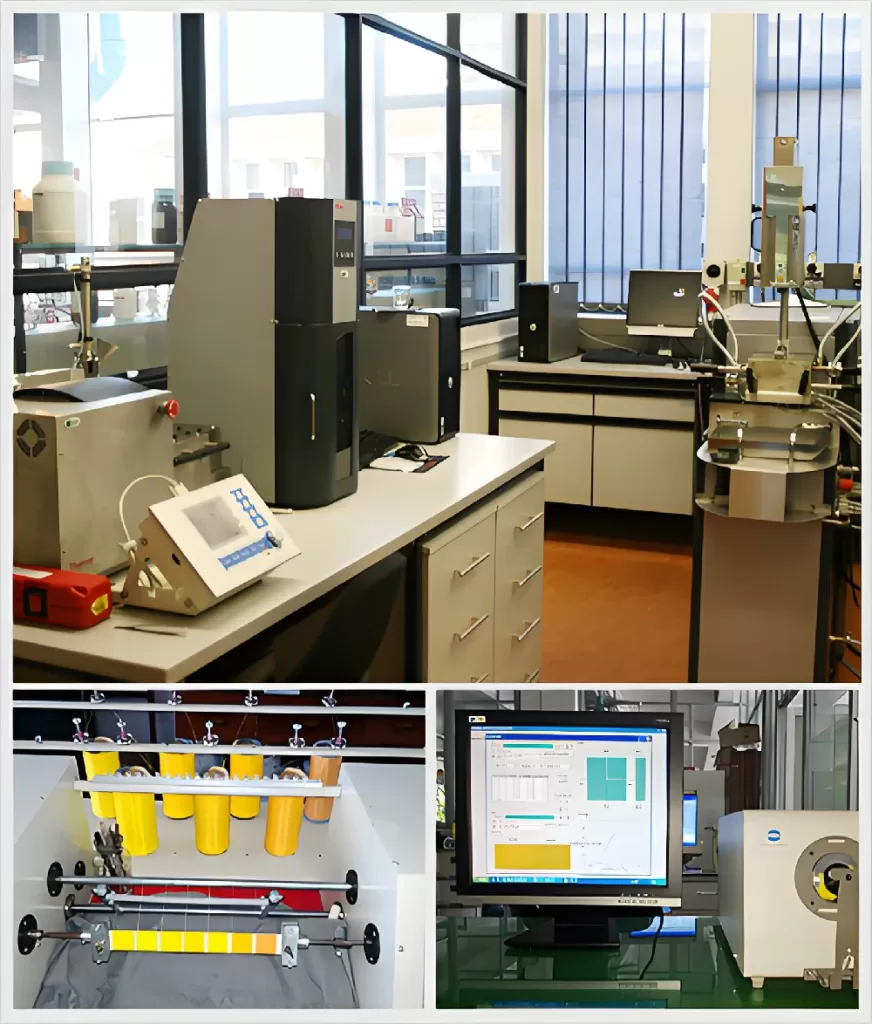
While identifying the Best liquid color for plastics is important for certain niche dosing setups, the vast majority of global plastic processors ultimately rely on high-grade solid masterbatch for its unparalleled stability, cleanliness, and handling ease. Charming Masterbatch is well known in the China market, and exports to Europe, South America, Southeast Asia, Middle East, North Africa, etc., serving about 18 countries and markets worldwide.
Our operational superiority stems from our utilization of advanced twin screw machines from Germany, combined with decades of experience in Masterbatch processing and pigment dispersion technology. We provide stable, high-quality Color Masterbatch and creative Functional Masterbatch solutions that negate the common drawbacks of liquid colors—such as messy pump maintenance, carrier pooling, and short shelf lives.
Not only products, Charming provides complete technical support service and individual development cooperation, which can help our customers solve practical problems and develop new projects with creative solutions. Whether you are producing Film / Plastic, engineering textiles (Fiber / Filament / BCF / Nowoven), or require specific functional attributes like Antimicrobial, Antistatic, Flame Retardant, or UV stabilizer properties, we are so proud that we can share our experience and technology with customers and grow up together.
Summary Table: Comparing Colorant Systems
To assist your procurement and engineering teams in making an informed decision beyond just finding the Best liquid color for plastics, we have compiled a comparison matrix evaluating liquid systems against the advanced solid masterbatch technologies provided by Charming Masterbatch.
| Performance Metric | Standard Liquid Colorants | Charming Solid Masterbatch |
|---|---|---|
| Dispersion Quality | Excellent, but heavily dependent on carrier compatibility. | Flawless, achieved via advanced twin screw machines from Germany. |
| Handling & Cleanliness | Poor. Spills require extensive cleaning; pumps require purging. | Excellent. Clean pellet form allows for rapid material changes. |
| Shelf Life & Stability | Moderate to Low. Pigments and functional additives can settle over time. | Extremely High. Indefinite shelf life in proper storage conditions. |
| Functional Integration | Limited by liquid carrier viscosity limits (e.g., heavy flame retardants). | Unlimited. Easily integrates Antimicrobial, Antistatic, and UV stabilizer additives. |
| Dosing Equipment | Requires specialized, high-maintenance peristaltic pumps. | Utilizes standard, highly accurate gravimetric or volumetric feeders. |
Frequently Asked Questions (FAQs)
What makes a formulation the Best liquid color for plastics?
The Best liquid color for plastics is defined by its pigment saturation, the chemical compatibility of its liquid carrier with the host polymer, and its ability to incorporate functional additives without separating. However, we recommend evaluating if a highly dispersed solid masterbatch might offer a cleaner, more stable solution for your specific extrusion or molding equipment.
Can functional additives be mixed directly into color masterbatch?
Yes, absolutely. From our experience, combining aesthetics with functionality is the most efficient way to process polymers. At Charming Masterbatch, our individual development cooperation allows us to create custom formulations that combine our Color Masterbatch with Antimicrobial, Antistatic, Flame Retardant, or UV stabilizer properties into a single, easy-to-dose pellet.
Why do you recommend solid masterbatch over liquid color for fiber spinning?
Spinning Fiber / Filament / BCF / Nowoven materials requires absolute precision. Liquid colors can introduce carrier fluids that evaporate or degrade at the high temperatures required for spinning, causing spinneret blockages or weak filaments. Our advanced twin screw machines from Germany ensure that our solid masterbatch provides perfect, sub-micron dispersion without introducing volatile liquid carriers into the melt stream.
Does Charming Masterbatch provide global technical support?
Yes. Charming Masterbatch is well known in the China market, and exports to Europe, South America, Southeast Asia, Middle East, North Africa, reaching about 18 countries and markets worldwide. Not only products, Charming provides complete technical support service, ensuring our clients optimize their dosing rates, temperatures, and overall production efficiency.
Industry References
To further support your understanding of polymer coloration, rheology, and advanced masterbatch manufacturing, we recommend reviewing the following authoritative industry resources: