
Color is a fundamental component of product design, brand identity, and material functionality in the plastics industry. Achieving the perfect hue, opacity, and consistency requires sophisticated pigment dispersion technology. For manufacturers, selecting the correct master batch colors is critical to ensuring the final product meets both aesthetic expectations and rigorous performance standards. As experts at Charming Masterbatch, we have dedicated decades to perfecting the art and science of polymer coloration. Through our state-of-the-art manufacturing processes, we provide high-quality solutions that serve a multitude of global industries.
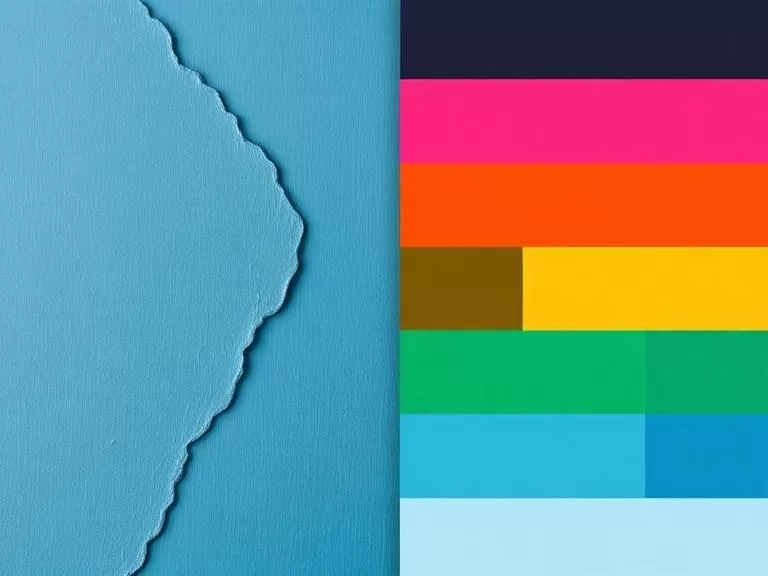
Understanding the properties and applications of different master batch colors enables engineers, designers, and procurement managers to make informed decisions. The selection process goes beyond mere visual appeal; specific colors often correlate with industry standards, safety regulations, and functional requirements. In this comprehensive guide, we will explore the ten most common master batch colors used in the plastics industry today, examine their primary applications across various manufacturing sectors, and discuss how advanced functional additives can elevate your final product.
Table of Contents
Understanding Master Batch Colors and Pigment Dispersion
Before diving into specific hues, it is essential to understand what master batch colors actually are. A color masterbatch is a solid additive used to color plastics. It consists of high concentrations of pigments or dyes encapsulated during a heat process into a carrier resin, which is then cooled and cut into a granular shape. This concentrated formulation allows plastic manufacturers to mix the masterbatch with raw polymer efficiently during the molding or extrusion process.
From our experience, achieving uniform coloration without agglomeration (clumping of pigments) requires advanced compounding machinery. At Charming Masterbatch, we utilize advanced twin screw machines from Germany. This technology ensures maximum shear force during compounding, resulting in flawless pigment dispersion. Whether you are producing delicate Fiber / Filament / BCF / Nonwoven materials or heavy-duty Film / Plastic packaging, the dispersion quality of your master batch colors will directly impact the tensile strength and visual perfection of the end product.
The 10 Most Common Master Batch Colors
The plastics industry utilizes thousands of custom color formulations, but production generally revolves around a core set of foundational hues. Below are the ten most widely utilized master batch colors, detailed with their primary applications and technical nuances.
1. White Masterbatch
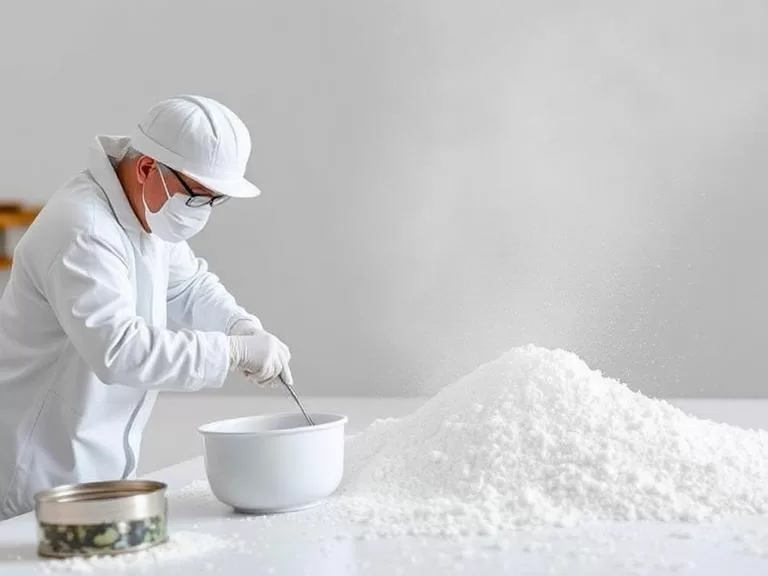
White is arguably the most dominant of all master batch colors. It relies heavily on Titanium Dioxide (TiO2) to provide maximum opacity, brightness, and whiteness. White masterbatch is engineered to scatter light effectively, which is crucial for applications requiring high-resolution printing on the surface. We routinely supply high-loading white master batch colors for the packaging industry, particularly for dairy product containers, agricultural films, and high-end cosmetic packaging. High-quality dispersion is vital here, as poorly dispersed TiO2 can cause film tearing during high-speed extrusion.
2. Black Masterbatch
Driven by the inclusion of fine Carbon Black particles, black masterbatch offers more than just a deep, rich color. Carbon black is a natural UV absorber, meaning black master batch colors inherently protect the base polymer from photodegradation caused by sunlight. This makes it the absolute standard for outdoor applications. From our experience, black masterbatch is indispensable for irrigation pipes, automotive components, geomembranes, and heavy-duty refuse sacks. The concentration of carbon black and the choice of carrier resin determine the jetness and gloss of the final product.
3. Blue Masterbatch
Blue master batch colors convey a sense of cleanliness, purity, and trust. Consequently, blue is heavily utilized in the medical, hygiene, and liquid packaging sectors. It is the standard color for large water storage tanks, helping to block out sunlight and prevent algae growth. Additionally, light blue master batch colors are universally applied in the production of medical-grade Nonwoven fabrics, such as surgical masks and protective gowns. We recommend utilizing our highly dispersed blue formulations to ensure consistent coloration in ultra-fine Fiber and Filament extrusion without causing filter blockage.
4. Red Masterbatch
Red commands attention and is globally recognized as an indicator of warning, heat, or high energy. Red master batch colors are frequently used in the manufacturing of safety equipment, fire extinguisher housings, and hazardous waste disposal bags. In the consumer goods sector, red is heavily featured in food and beverage packaging to stimulate appetite and brand recognition. Achieving a vibrant, non-fading red requires premium organic or inorganic pigments that possess excellent heat stability to withstand the high temperatures of the plastic injection process.
5. Green Masterbatch
Representing nature, health, and environmental consciousness, green master batch colors are heavily consumed by the agricultural and landscaping industries. It is the primary colorant for artificial turf (BCF yarns), shade nets, and greenhouse films. Furthermore, with the global push toward recycling, green is the standard identifier for eco-friendly products and recycling bins. When formulating green master batch colors for outdoor use, we strongly recommend integrating UV stabilizers to prevent the color from fading or chalking under prolonged sun exposure.
6. Yellow Masterbatch
Yellow is a high-visibility color used extensively in industrial and commercial applications. Yellow master batch colors are commonly found in raffia tapes, woven sacks, gas pipe striping, and safety helmets. Because some legacy yellow pigments contained heavy metals, modern manufacturing demands strict adherence to environmental and safety standards. At Charming Masterbatch, we utilize heavy-metal-free, high-performance pigments to formulate yellow master batch colors that are entirely safe for consumer packaging and compliant with global export regulations.
7. Orange Masterbatch
Bridging the gap between red and yellow, orange is another high-visibility hue critical for safety and infrastructure. Orange master batch colors are universally used for traffic cones, construction netting, and protective conduit pipes for fiber optic cables. In the automotive industry, specific shades of orange are legally mandated for marking high-voltage cables in electric vehicles (EVs). The thermal stability of orange master batch colors in these high-heat engine environments is an absolute necessity.
8. Brown and Beige Masterbatch
Brown and beige master batch colors are primarily utilized to simulate natural materials. The wood-plastic composite (WPC) industry relies on various shades of brown to create synthetic decking and fencing that mimics real timber. In the textile sector, beige masterbatch is frequently used in the production of Nonwoven fabrics for furniture backing and automotive interiors. Achieving a natural, earthy tone requires a precise blend of pigments to prevent the color from looking overly synthetic.
9. Grey and Silver Masterbatch
Grey master batch colors are synonymous with technology, electronics, and modern appliances. From computer housings to television bezels and automotive interiors, grey provides a sleek, professional aesthetic. Silver masterbatch, which incorporates specialized pearlescent or metallic pigments, adds a premium finish to cosmetic packaging and household appliances. Dispersing metallic pigments without damaging their flake structure requires specialized screw configurations, a process we have perfected with our advanced German machinery.
10. Purple and Violet Masterbatch
While produced in smaller volumes compared to white or black, purple master batch colors hold a significant place in the luxury and specialty markets. Purple conveys elegance and exclusivity, making it highly desirable for premium cosmetic containers, luxury retail bags, and specialized medical devices. Purple is also utilized in agricultural films to manipulate the light spectrum, promoting specific plant growth characteristics in advanced greenhouse setups.
Enhancing Master Batch Colors with Functional Additives
In modern polymer engineering, providing basic color is often not enough. Today’s demanding applications require plastics to perform specific functional roles. At Charming Masterbatch, we engineer creative functional Masterbatch solutions that can be seamlessly combined with any of our master batch colors. This dual-action approach simplifies the manufacturing process for our clients.
- Antimicrobial: Essential for medical devices, food packaging, and hygiene products, our antimicrobial additives inhibit the growth of bacteria and fungi on the plastic surface.
- Antistatic: Friction during the extrusion of Film / Plastic or the weaving of Fiber / Filament generates static electricity. Antistatic additives dissipate this charge, preventing dust accumulation and reducing the risk of electrostatic discharge in electronic packaging.
- Flame Retardant: Safety is paramount in construction and automotive plastics. We incorporate halogenated or halogen-free flame retardants into our master batch colors to ensure end products meet stringent international fire safety standards.
- UV Stabilizer: As mentioned with our green and black master batch colors, UV stabilizers protect the polymer matrix from the degrading effects of ultraviolet radiation, drastically extending the service life of outdoor plastic products.
From our experience, combining a custom color formulation with a functional additive like a UV stabilizer or Flame Retardant in a single, homogenous pellet is the most efficient way to reduce dosing errors and streamline your extrusion process. We recommend this combi-batch approach for all high-performance applications.
The Charming Masterbatch Advantage
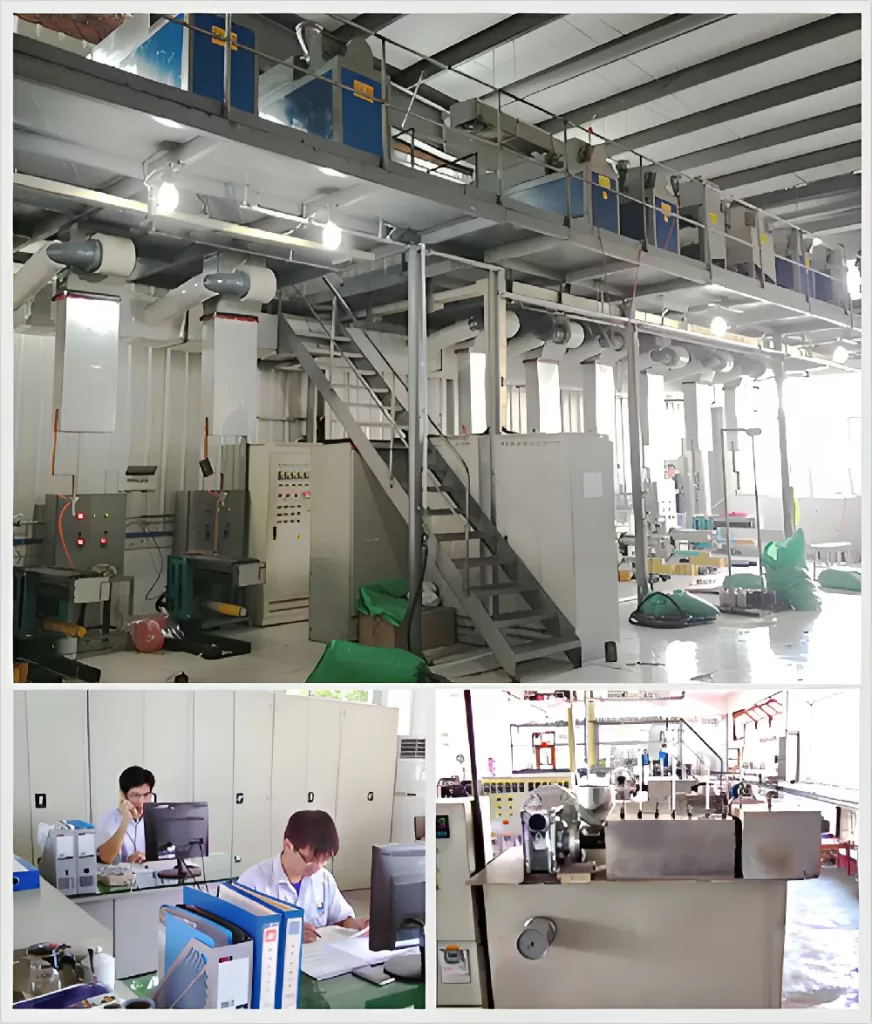
Selecting the right partner for your coloration needs is a strategic business decision. Charming Masterbatch is well known in the China market, and exports to Europe, South America, Southeast Asia, Middle East, North Africa, and roughly 18 countries and markets worldwide. Our footprint in the global supply chain is built on unyielding quality and technological superiority.
With advanced twin screw machines from Germany and decades of experience in Masterbatch processing and pigment dispersion technology, Charming provides stable, high-quality color Masterbatch. However, we believe that providing raw materials is only half the equation. Not only products, Charming provides complete technical support service and individual development cooperation, which can help our customers solve practical problems and develop new projects with creative solutions. We are so proud that we can share our experience and technology with customers and grow up together.
Summary Table of Master Batch Colors and Applications
To assist procurement managers and production engineers in selecting the appropriate master batch colors, we have compiled the following quick-reference summary table outlining primary applications and recommended functional pairings.
| Master Batch Color | Primary Industry Application | Recommended Functional Additive | Target Material Focus |
|---|---|---|---|
| White | Dairy Packaging, Agricultural Films | UV Stabilizer | Film / Plastic |
| Black | Pipes, Geomembranes, Automotive | Antistatic | Film / Plastic |
| Blue | Medical Masks, Water Tanks | Antimicrobial | Nonwoven / Fiber |
| Red | Safety Equipment, Food Packaging | Flame Retardant | Film / Plastic |
| Green | Artificial Turf, Recycling Bins | UV Stabilizer | BCF / Filament |
| Yellow | Raffia, Gas Pipes, Safety Gear | UV Stabilizer | Film / Plastic |
| Orange | EV Cables, Traffic Cones | Flame Retardant | Film / Plastic |
| Brown/Beige | WPC Decking, Furniture Backing | UV Stabilizer | Nonwoven / Plastic |
| Grey/Silver | Electronics, Home Appliances | Antistatic / Flame Retardant | Film / Plastic |
| Purple | Luxury Cosmetics, Specialty Ag Films | Antimicrobial | Film / Plastic |
Expert Buying Guide for Master Batch Colors
When sourcing master batch colors for your production lines, evaluating the supplier’s technical capabilities is vital to avoiding costly production defects. We recommend assessing the following criteria:
- Carrier Resin Compatibility: Ensure the masterbatch carrier resin perfectly matches your base polymer (e.g., PE, PP, PET). Mismatched resins will lead to delamination and poor mechanical properties in the final product.
- Pigment Concentration: High-quality master batch colors feature a high pigment loading, which means you can use a lower let-down ratio (LDR) during manufacturing, ultimately saving you money on raw materials.
- Dispersion Technology: Ask about the compounding machinery. As utilized by Charming Masterbatch, German twin-screw extruders are the gold standard for breaking down pigment agglomerates to the microscopic level.
- Regulatory Compliance: If you are manufacturing food packaging or medical devices, verify that the master batch colors are formulated with FDA-approved, heavy-metal-free, and REACH-compliant pigments.
Frequently Asked Questions (FAQs)
What is the typical let-down ratio (LDR) for master batch colors?
The let-down ratio is the percentage of masterbatch mixed with the virgin polymer. Depending on the desired opacity and the pigment concentration of the masterbatch, the LDR typically ranges from 1% to 5%. Highly concentrated master batch colors from Charming Masterbatch often allow for lower, more economical let-down ratios.
Can functional additives be combined with any master batch color?
Yes. Through our advanced compounding technology, we can seamlessly integrate functional Masterbatch additives like Antimicrobial, Antistatic, Flame Retardant, and UV stabilizers directly into your chosen master batch colors, creating a highly efficient combi-batch.
Why is pigment dispersion so important in Fiber and Filament production?
In the production of fine Fiber / Filament / BCF / Nonwoven materials, the spinnerets used for extrusion have microscopic holes. If the master batch colors contain undispersed pigment agglomerates, these holes will clog, causing pressure spikes, thread breakage, and significant production downtime.
Does Charming Masterbatch provide custom color matching?
Absolutely. While we produce massive volumes of the standard 10 master batch colors, our individual development cooperation means we provide complete technical support to custom-match any Pantone or physical sample provided by our global clients.
References
- Plastics Industry Association (PLASTICS) – Guidelines on Pigment Dispersion and Polymer Coloration. View Industry Standards
- ISO Standard 1874-1: Plastics — Polyamide (PA) molding and extrusion materials. View ISO Documentation
- Charming Masterbatch Internal Technical Data and Extrusion Capabilities Report, 2026. Data on twin-screw dispersion metrics.