
In the modern world of polymer processing, the aesthetic and functional quality of plastic products depends heavily on the precision of pigment dispersion. This article serves as a comprehensive Introduction and uses of Color Master Batch, exploring how this concentrated mixture of pigments and additives has revolutionized the manufacturing of everything from delicate textile fibers to robust automotive components. As industries move toward higher efficiency and sustainability in 2026, understanding the technical nuances of masterbatch technology is essential for any plastic converter or product designer.
- Defining Color Master Batch: Composition and Chemistry
- Manufacturing Excellence: The Role of Twin Screw Extrusion
- Charming Masterbatch: Global Leadership and Custom Solutions
- Core Uses: From Packaging Films to Synthetic Fibers
- Beyond Aesthetics: The Rise of Functional Masterbatch
- Summary Table: Masterbatch vs. Traditional Pigments
- Frequently Asked Questions (FAQs)
- Technical References and Industry Standards
Defining Color Master Batch: Composition and Chemistry
An Introduction and uses of Color Master Batch begins with its fundamental definition: it is a solid or liquid additive used for coloring plastics or imparting functional properties. Chemically, it consists of three primary components: a high concentration of pigments or dyes, a carrier resin (matrix), and essential dispersing agents. By encapsulating pigments within a polymer-specific carrier, manufacturers can ensure that the colorant remains stable and easy to handle without the mess and health risks associated with raw powder pigments.
The beauty of masterbatch lies in its “let-down ratio.” In typical production, a small percentage of masterbatch (usually 1% to 5%) is mixed with the base polymer. This concentration allows for extreme precision in color matching and ensures that expensive additives are distributed evenly throughout the final product. For high-end applications like electronics or medical devices, the carrier resin is often matched exactly to the base polymer (e.g., PP, PE, or ABS) to prevent any degradation of mechanical properties.
Manufacturing Excellence: The Role of Twin Screw Extrusion
The quality of a color masterbatch is determined during the compounding phase. The industry standard involves using advanced twin screw machines, often sourced from high-precision engineering hubs like Germany. These machines provide the high shear force necessary to break down pigment agglomerates into their primary particle size. This level of dispersion is critical; poorly dispersed pigments can lead to streaks, specks, or structural weaknesses in thin-walled products like films and fibers.
During the process, the pigments are “wetted” by the molten carrier resin under controlled temperature and pressure. The resulting molten strand is then cooled and cut into uniform granules. These granules are clean, dust-free, and have a long shelf life, making them the preferred choice for modern injection molding and extrusion lines.
Industry Leader Spotlight: Charming Masterbatch Solutions
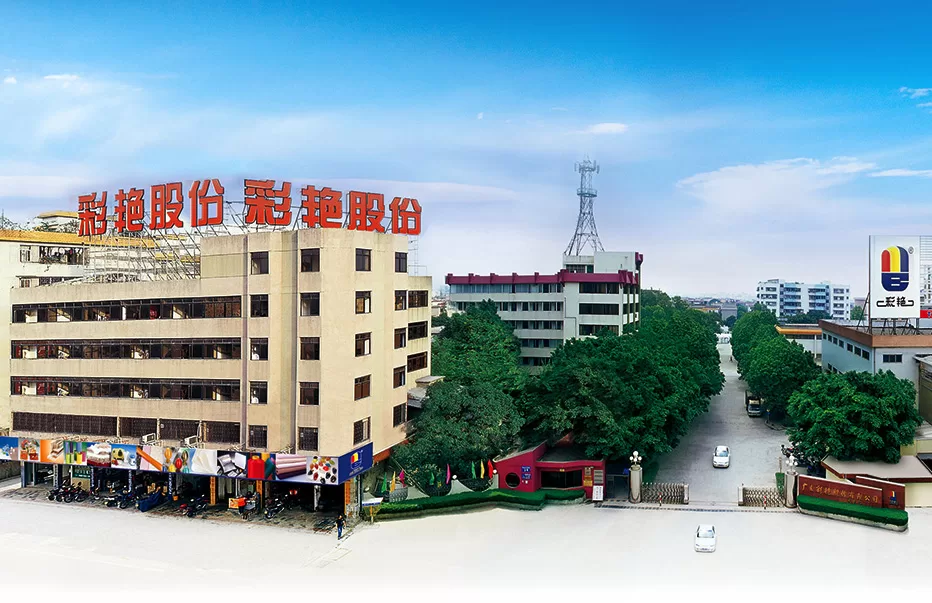
With advanced twin screw machines from Germany and decades of experience in Masterbatch processing and pigment dispersion technology, Charming provides stable high quality color Masterbatch and creative functional Masterbatch solutions for our customers.
Charming Masterbatch is well known in China market, and exports to Europe, South America, Southeast Asia, Middle East, North Africa etc about 18 countries and markets worldwide. Not only products, Charming provides complete technical support service and individual development cooperation, which can help our customers solve practical problems and develop new projects with creative solutions.
We are so proud that we can share our experience and technology with customers and grow up together. Our diverse product range includes:
Core Uses: From Packaging Films to Synthetic Fibers
The Introduction and uses of Color Master Batch spans nearly every sector of the global economy. In the packaging industry, color masterbatch is used to create vibrant, brand-specific hues for bottles, containers, and flexible films. Because the pigments are pre-dispersed, the final film maintains high transparency and tensile strength, even at ultra-thin gauges.
In the textile and fiber industry, the requirements are even more stringent. Spinning masterbatch is used for coloring synthetic fibers like polyester and nylon during the melt-spinning process. This ensures that the color is “built-in” to the fiber, providing superior lightfastness and washfastness compared to traditional dyeing methods. For products like BCF (Bulked Continuous Filament) carpets or nonwoven fabrics used in medical hygiene, the masterbatch must meet exacting standards for heat stability and filterability to prevent machine downtime.
Beyond Aesthetics: The Rise of Functional Masterbatch
While color is often the primary driver, functional masterbatch solutions are becoming increasingly vital. These additives go beyond simple aesthetics to provide protection and performance enhancement:
- UV Stabilizers: Protect plastic from degradation, yellowing, and brittleness caused by sunlight, essential for agricultural films and outdoor furniture.
- Antimicrobial Agents: Prevent the growth of bacteria and fungi on plastic surfaces, a high-growth area for medical devices and food contact packaging.
- Flame Retardants: Critical for the electronics and construction industries, these masterbatches reduce the flammability of polymers to meet strict fire safety codes.
- Antistatic Additives: Prevent the buildup of static electricity, protecting sensitive electronic components during shipping and use.
Summary Table: Masterbatch vs. Traditional Pigments
| Feature | Color Masterbatch | Raw Powder Pigments |
|---|---|---|
| Dispersion Quality | Excellent (Pre-dispersed) | Variable (Risk of clumping) |
| Cleanliness | Dust-free operation | Highly airborne/Polluting |
| Dosing Accuracy | High (Easy to measure pellets) | Lower (Hard to dose small amounts) |
| Shelf Life | Long (Pigments encapsulated) | Moderate (Risk of oxidation) |
| Processing Time | Faster color changes | Extended cleaning required |
Frequently Asked Questions (FAQs)
Can I use the same masterbatch for different polymers?
While some “universal” masterbatches exist, it is generally recommended to use a masterbatch with a carrier resin that is compatible with your base polymer (e.g., using a PE-based masterbatch for PE products). This ensures optimal dispersion and maintains the mechanical integrity of the final part.
What is the typical shelf life of color masterbatch?
In a cool, dry environment, most color masterbatches can be stored for 12 to 24 months. However, functional masterbatches like those containing UV stabilizers or antimicrobial agents may have a slightly shorter effective lifespan due to the active chemicals involved.
Why is a twin screw machine preferred over a single screw for manufacturing?
Twin screw machines offer superior mixing and shearing capabilities. This is essential for achieving the ultra-fine pigment dispersion required for high-performance applications like fibers or thin-blown films where any large particle could cause a break in production.