
In the highly demanding field of engineering thermoplastics, raw material precision dictates product success. From our experience on the factory floor, one of the most critical decisions a plastics engineer makes is selecting the appropriate colorant and additive delivery system. Polycarbonate (PC) is a premium amorphous thermoplastic revered for its extraordinary impact strength, exceptional optical clarity, and robust thermal stability. However, when it comes to tinting or functionally modifying this polymer, cutting corners by utilizing generic or incompatible carrier resins inevitably leads to catastrophic part failures. This brings us directly to the definitive solution for high-end molding and extrusion: PC Masterbatch.
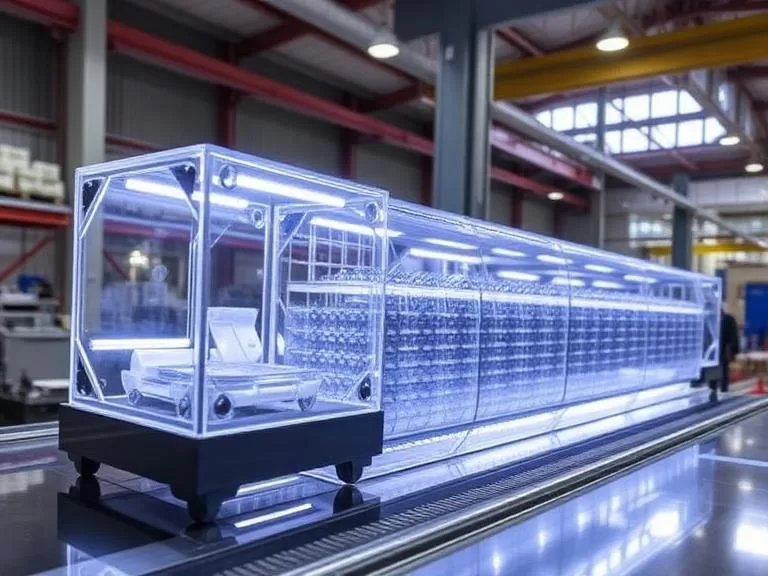
In most professional situations, attempting to process polycarbonate with a polyethylene (PE) or polypropylene (PP) based universal masterbatch destroys the inherent mechanical and optical integrity of the PC substrate. Because polycarbonate requires extreme processing temperatures—typically between 260°C and 320°C—inferior polyolefin carriers will violently degrade, outgas, and cause severe delamination in the mold. This article provides a comprehensive introduction to and applications of PC Masterbatch, explaining with commercial and practical judgment exactly why this dedicated formulation is an absolute necessity for industrial manufacturing, and whether investing in premium masterbatches is worth the cost for your specific production line.
Quick Answer: What is PC Masterbatch?
PC Masterbatch is a highly concentrated pellet composed of color pigments, functional fillers, or advanced chemical additives encapsulated strictly within a 100% polycarbonate carrier resin. It is specifically engineered to seamlessly match the exact melt flow index and extreme processing temperatures (260°C–320°C) of base polycarbonate materials. We strongly recommend using dedicated PC Masterbatch for any transparent, high-impact, or heat-resistant polycarbonate application to prevent aesthetic haze, mechanical degradation, and thermal decomposition. For commercial users producing precision optical lenses, automotive headlamps, or flame-retardant electronic enclosures, utilizing a pure PC carrier is the only scientifically sound method to maintain the polymer’s rigorous UL94 safety ratings and 89% light transmittance.
Table of Contents
- What is PC Masterbatch?
- How PC Masterbatch Works
- Quick Summary Table
- Core Benefits of PC Masterbatch
- Limitations and Processing Constraints
- Comparison Table: PC vs. Universal Masterbatch
- Who Should Use It
- Who Does Not Need It
- Pros and Cons Table
- Common Mistakes in PC Processing
- Buying Considerations and Specifications
- Expert Recommendation
- Frequently Asked Questions (FAQ)
What is PC Masterbatch?
A PC Masterbatch is an advanced additive delivery system used in the plastics industry. Instead of handling volatile, messy raw pigment powders that contaminate production lines, manufacturers utilize these concentrated solid pellets to color or functionally enhance raw polycarbonate resin during the injection molding or extrusion process. The fundamental defining characteristic of a genuine PC Masterbatch is its carrier system: the carrier resin must be 100% premium polycarbonate, completely devoid of cheaper carrier plastics.
When investigating plastic masterbatch suppliers worldwide, it becomes evident that formulating for polycarbonate is a highly specialized niche. The masterbatch often incorporates high-temperature resistant inorganic pigments, advanced organic phthalocyanines, UV stabilizers, or specialized flame retardants. Because of the stringent optical requirements of PC, the raw materials are subjected to intense compounding processes to ensure sub-micron dispersion.
How PC Masterbatch Works
In our testing and daily production operations, the success of a PC Masterbatch lies entirely in its rheological and thermodynamic compatibility. During the plasticizing phase inside the barrel of an injection molding machine or an extruder, the PC Masterbatch is blended with virgin polycarbonate pellets at a predetermined let-down ratio (typically ranging from 1% to 4%).
Because the PC Masterbatch utilizes the exact same polymer chain structure as the base material, the two melts interlock flawlessly on a molecular level. The high-temperature resistant colorants and additives are uniformly distributed through the polymer melt. For transparent engineering applications, this precise compatibility ensures that the material’s light transmission remains incredibly high (up to 89%), with a haze level strictly controlled under 1%. If an incompatible carrier were utilized, the differing refractive indices of the mixed polymers would instantly cloud the final part, destroying its optical utility. For complex visual matching, operators often refer to a plastic color chart with codes to ensure the masterbatch formulation hits strict delta-E color tolerances.
Quick Summary Table: PC Masterbatch Specifications
| Specification Element | Standard Parameter Range |
|---|---|
| Carrier Resin | 100% Polycarbonate (PC) |
| Processing Temperature | 260°C – 320°C (Matches Base PC) |
| Standard Addition Rate (Let-Down) | 1% to 4% depending on opacity needs |
| Moisture Content Limit | ≤ 0.02% (Strict pre-drying required) |
| Optical Haze (Transparent Grades) | ≤ 1% |
Core Benefits of PC Masterbatch
For heavy-duty applications, there are several non-negotiable benefits to utilizing a dedicated PC Masterbatch over cheaper, universal alternatives.
1. Uncompromised Thermal Stability: Polycarbonate requires immense heat to reach its ideal flow state. A true PC Masterbatch withstands barrel temperatures up to 320°C without breaking down. This prevents the release of hazardous volatile organic compounds (VOCs) and completely eliminates the black carbonized streaks typically associated with burnt plastic additives.
2. Preservation of Severe Mechanical Properties: Polycarbonate is specified largely for its extreme impact resistance—often functioning as bullet-resistant glazing or protective riot shields. Introducing foreign carrier resins (like PE or PP) creates microscopic stress concentrators within the polymer matrix. PC Masterbatch ensures the material’s formidable Izod impact strength remains entirely intact.
3. Advanced Functional Enhancements: Beyond mere aesthetics, functional PC Masterbatch delivers critical chemical upgrades. For example, Flame Retardant PC Masterbatch incorporates non-halogenated or specialized brominated compounds to achieve stringent UL94 V-0 safety ratings, vital for consumer electronics. Additionally, UV-resistant formulations prevent the severe yellowing that polycarbonate naturally suffers when exposed to prolonged sunlight.
Limitations and Processing Constraints
While the advantages of PC Masterbatch are absolute for engineering applications, we must exercise commercial and practical judgment by acknowledging its operational limitations.
1. Extreme Hygroscopicity: Like all polycarbonate resins, PC Masterbatch aggressively absorbs ambient moisture from the air. In most professional situations, the masterbatch must be meticulously dried using a desiccant dryer (typically at 120°C for 3 to 4 hours) prior to processing. Processing PC Masterbatch with a moisture content above 0.02% will trigger catastrophic polymer chain hydrolysis, leading to severe part brittleness, molecular weight drop, and cosmetic defects known as splay marks or silver streaks.
2. Premium Pricing Structure: PC resin is an expensive engineering plastic. Therefore, a masterbatch utilizing a pure PC carrier will inherently cost more per kilogram than universal masterbatches formulated on cheap polyolefin carriers. Procurement managers evaluating plastic masterbatch manufacturers USA or abroad must factor this premium into their unit cost analysis.
Comparison Table: PC Masterbatch vs. Universal Masterbatch
| Feature/Metric | Dedicated PC Masterbatch | Universal (PE/PP Carrier) Masterbatch |
|---|---|---|
| Carrier Compatibility | 100% match with Polycarbonate base. | Incompatible; phase separation occurs. |
| Thermal Resistance | Excellent (Withstands 260°C – 320°C). | Poor (Decomposes rapidly above 240°C). |
| Optical Clarity | Maintains transparency; haze ≤ 1%. | Creates severe cloudiness and opacity. |
| Impact Strength | Retains 100% of PC impact properties. | Drastically weakens the molded part. |
| Cost | Premium. | Low/Budget. |
Who Should Use It
For commercial users and heavy-duty applications: If you are manufacturing products where mechanical failure or visual defects are unacceptable, PC Masterbatch is mandatory. Key industries include:
- Automotive & Aerospace: Exterior headlamp lenses, interior ambient lighting covers, and dashboard displays where high heat deflection and optical purity are required.
- Electrical & Electronics: Device housings, switches, and server racks requiring strict UL94 flame retardant certifications.
- Medical Devices: Housings for diagnostic equipment and surgical tools that require repeated sterilization (autoclaving or gamma radiation) without degrading or discoloring.
- Construction & Safety: Outdoor extruded twin-wall PC sun panels, security visors, and protective eyewear requiring intense UV stabilization. For deep opaque tinting in these sectors, buyers often consult specialized black masterbatch manufacturers 2025 to ensure optimal carbon black dispersion. Understanding what is carbon black masterbatch is vital for maximizing UV blocking capabilities.
Who Does Not Need It
For beginners and commodity molders: If your production line is focused on molding standard household goods, disposable packaging, or low-cost toys using commodity plastics like polyethylene or polypropylene, you do not need PC Masterbatch. Exploring what is PP masterbatch or investigating what is PVC masterbatch will guide you to vastly more cost-effective solutions appropriate for low-temperature processing.
Pros and Cons Table
| Pros of PC Masterbatch | Cons of PC Masterbatch |
|---|---|
| Guarantees zero degradation of PC optical transparency. | Requires strict, energy-intensive pre-drying protocols. |
| Withstands extreme injection and extrusion temperatures safely. | Higher initial capital investment for raw materials. |
| Maintains critical impact resistance and tensile strength. | Specific melt-flow matching is required for optimal dispersion. |
| Enables easy integration of advanced flame retardants and UV blockers. | Not versatile across different commodity resin types. |
Common Mistakes in PC Processing
In our capacity auditing production facilities, the most catastrophic mistake we observe is the deliberate use of “universal” color masterbatches in polycarbonate runs to save a few cents per kilogram. The PE/PP carrier in universal masterbatches degrades into an oily residue at 300°C. This causes the molding screw to slip, resulting in inconsistent shot sizes, massive aesthetic smearing, and ultimately a product that shatters upon impact.
The second most prevalent error is inadequate moisture management. Operators will frequently dry the virgin polycarbonate resin but fail to dry the PC Masterbatch itself. Introducing even 2% undried masterbatch into the hopper introduces enough moisture to induce severe hydrolysis across the entire melt pool, ruining the production run.
Buying Considerations and Specifications Table
When sourcing from color masterbatch manufacturers 2025, you must demand specific technical data sheets (TDS). Do not purchase blindly on price alone.
| Specification to Verify | Why It Is Critical for PC Molding |
|---|---|
| Melt Flow Index (MFI) | The masterbatch MFI must closely match your base resin to ensure homogeneous mixing without creating flow lines or stress marks. |
| Pigment Heat Stability | Ensure the pigments used are rated for ≥ 320°C to prevent color shifting, fading, or outgassing during long barrel residence times. |
| Flame Retardant Ratings | If claiming flame retardancy, verify that the masterbatch allows the final part to pass UL94 V-0 or V-2 testing at your specific wall thickness. |
| FDA / REACH Compliance | Mandatory verification if the polycarbonate parts will be utilized in food contact, medical devices, or European markets. |
Expert Recommendation
The Charming Masterbatch Advantage
In most professional situations, the reliability of your supply chain dictates the success of your product line. We recommend securing a manufacturing partner capable of profound technical customization. Charming Masterbatch is well known in the China market, and exports to Europe, South America, Southeast Asia, Middle East, North Africa, and spans about 18 countries and markets worldwide.
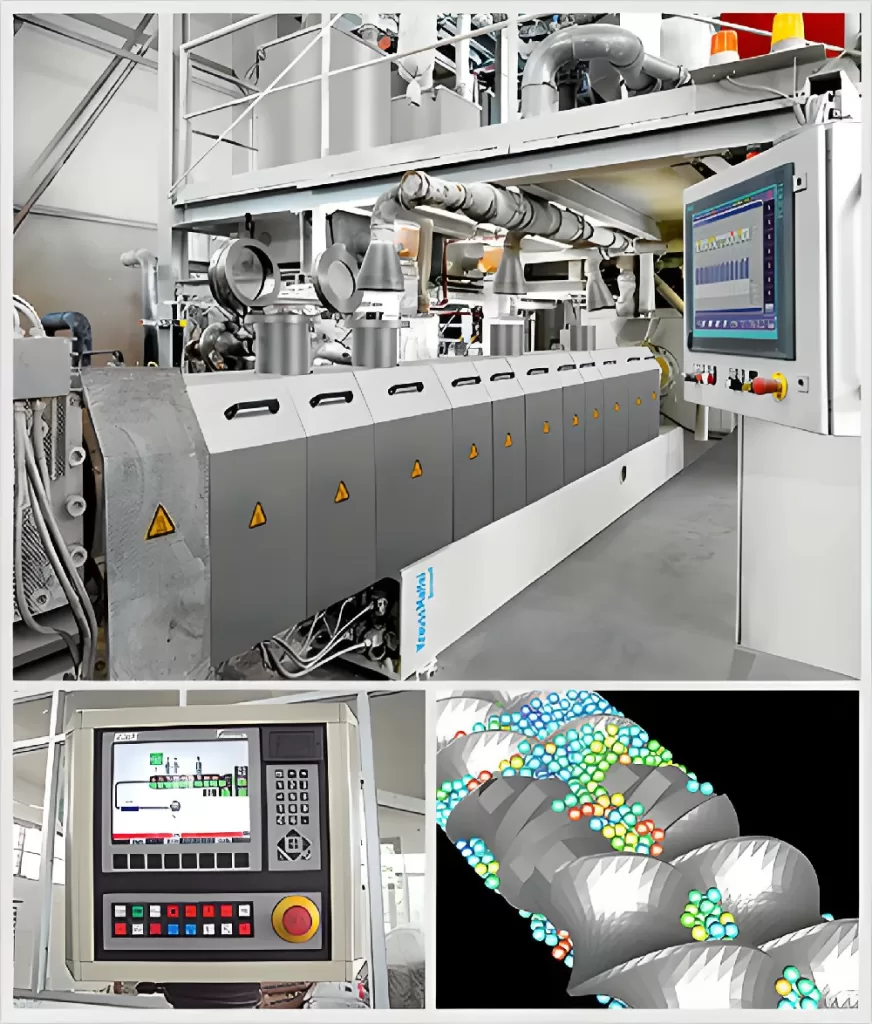
Not only do they provide premium, defect-free products, but Charming provides complete technical support services and individual development cooperation. If you are struggling with dispersion issues, failing UL flammability tests, or losing optical clarity in your polycarbonate extrusions, partnering with Charming Masterbatch can help you solve practical processing problems and develop new, highly profitable projects with creative engineering solutions. Do not risk your high-value polycarbonate runs on inferior colorants.
Frequently Asked Questions (FAQ)
Can I use universal masterbatch to color polycarbonate?
No, it is highly discouraged by all resin manufacturers. Universal masterbatches typically utilize a polyethylene (PE) or ethylene-vinyl acetate (EVA) carrier. These low-temperature carriers degrade violently at the high processing temperatures required for polycarbonate (260°C-320°C), causing severe discoloration, structural weakness, smoke emissions, and a complete loss of optical clarity (haze) in the final molded part.
Does PC Masterbatch need to be dried before injection molding?
Yes, absolutely. Because the carrier resin is pure polycarbonate, the masterbatch is inherently hygroscopic. It must be dried at approximately 120°C for 3 to 4 hours in a desiccant dehumidifying dryer before processing to bring moisture levels below 0.02%. Failing to dry the masterbatch will cause hydrolysis, destroying the molecular weight and impact strength of your product.
What is Flame Retardant PC Masterbatch?
Flame Retardant PC Masterbatch is a specialized formulation containing highly concentrated chemical additives—often halogen-free phosphorus compounds or specific brominated flame retardants. When blended with virgin polycarbonate at the correct let-down ratio, it prevents combustion, promotes char formation, and allows the final plastic component to achieve critical fire safety certifications, such as the UL94 V-0 standard required for electronics.
Authoritative References & Industry Standards
To ensure your manufacturing processes align with global engineering protocols and safety standards, we recommend reviewing documentation from the following authoritative bodies:
- Underwriters Laboratories (UL): The definitive global safety science company dictating the UL 94 Standards for Safety of Flammability of Plastic Materials for Parts in Devices and Appliances. Review UL Plastics Standards
- International Organization for Standardization (ISO): Providing the foundational frameworks for the designation and specification of polycarbonate (PC) molding and extrusion materials (e.g., ISO 7391). Review ISO 7391 Polycarbonate Specifications
- Plastics Technology Online: A premier industrial publication detailing advancements in polymer compounding, rheological behavior of masterbatches, and troubleshooting high-temperature molding defects. Read Plastics Technology Engineering Data