
Welcome to the absolute forefront of modern polymer engineering. In a post-pandemic industrial landscape, consumer expectations regarding hygiene, sanitation, and material safety have permanently shifted. Today, producing a plastic component that merely looks visually appealing is no longer sufficient; it must actively defend itself against microscopic contamination. If you are an injection molder, an extrusion specialist, or a product designer, you have inevitably encountered this terminology floating around global industry conferences. But exactly what is antibacterial masterbatch, and how does it possess the capability to transform a standard, inert polymer into a highly effective, self-sanitizing surface?
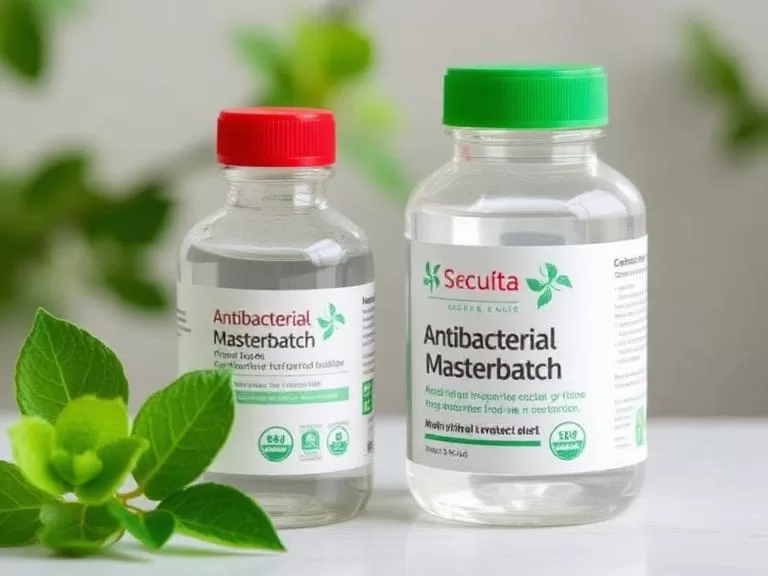
From our experience at Charming Masterbatch, there is a profound amount of misinformation regarding antimicrobial additives in the manufacturing sector. We routinely see companies attempt to surface-coat their finished plastics with antibacterial sprays or topical chemical treatments, only to watch that thin layer of protection wear off within weeks of daily handling and washing. We absolutely reject this temporary, bandage approach. True, long-lasting hygiene requires integrating the active protective agent directly into the polymer matrix during the high-temperature melt phase. Utilizing a premium antibacterial masterbatch is the only scientifically sound, commercially viable method to ensure permanent product protection against harmful microbes.
拥有先进的德国双螺杆设备以及数十年的母粒生产经验与颜料分散技术,彩艳一直为客户提供高品质的色母粒产品和创新的功能母粒解决方案。
Charming Masterbatch is well known in China market, and exports to Europe, South America, Southeast Asia, Middle East, North Africa etc about 18 countries and markets worldwide.
不单是母粒,彩艳向客户提供完整的技术支持服务和开发项目合作平台,协助客户解决实际生产中遇到各种问题,同时彼此合作,共同开发新产品、新市场。
Table of Contents
- Defining the Concept: What is Antibacterial Masterbatch?
- The Core Science: How Does Antibacterial Masterbatch Work?
- Key Active Ingredients in Antibacterial Masterbatch
- Crucial Industrial Applications
- Quality Standards: Proving Your Antibacterial Masterbatch Works
- Choosing the Right Manufacturing Partner
- Summary Table: Antibacterial Masterbatch Comparison
- Frequently Asked Questions (FAQs)
- Industry References
Defining the Concept: What is Antibacterial Masterbatch?
An antibacterial masterbatch is a highly concentrated, solid polymer additive. It consists of a specific carrier resin that has been uniformly loaded with active antimicrobial or antibacterial agents. During the primary plastics manufacturing process—whether your facility is executing injection molding, blow molding, or blown film extrusion—this masterbatch is dosed directly into the raw, virgin polymer hopper at a highly specific, predetermined ratio (typically ranging between 1% and 3% by weight). As the mechanical shear and heat of the extruder barrel melt the mixture, the active ingredients within the antibacterial masterbatch disperse evenly and flawlessly throughout the entire plastic part.
This internal integration means the biological protection is not merely resting on the surface; it is embedded throughout the entire thickness of the material. If the plastic component is scratched, aggressively scuffed, or chemically washed over years of use, the underlying layers continue to provide the exact same level of microbial resistance. To understand how this fits into the broader additive manufacturing space, it operates on the exact same delivery principle as what is carbon black masterbatch, where a functional chemical additive is securely concentrated into a pelletized form for safe, easy dosing, rather than forcing factory floor workers to handle messy, hazardous raw chemical powders.
The Core Science: How Does Antibacterial Masterbatch Work?
The mechanism of an antibacterial masterbatch is a fascinating display of microscopic warfare. Once the active agents are embedded within the plastic, they begin to interact with ambient environmental moisture. This microscopic moisture triggers a slow, highly controlled release of the active ions to the surface of the polymer. When hostile bacteria, such as Escherichia coli (E. coli), Salmonella, or Staphylococcus aureus, come into contact with the surface, the active agents attack the microbes through three primary, devastating mechanisms:
- Cell Wall Penetration: The active metal ions released from the antibacterial masterbatch puncture the outer membrane of the microbe, causing severe structural damage and cellular leakage.
- Metabolic Disruption: Once inside the bacterial cell, the ions aggressively bind to critical cellular proteins and enzymes. This action completely shuts down the bacteria’s ability to produce energy, process nutrients, or perform basic metabolic functions.
- DNA Synthesis Inhibition: As a final strike, the active agents interfere directly with the microbial DNA, preventing the bacteria from replicating. Without the ability to divide and multiply, the bacterial colony rapidly dies off, leaving the plastic surface sanitized.
Key Active Ingredients in Antibacterial Masterbatch
It is vital to understand that not all antibacterial masterbatch formulations are created equal. We strongly recommend choosing the active ingredient based strictly on your required processing temperatures and the final end-use environment of your product. If you consult with the best plastic masterbatch manufacturers, they will meticulously tailor the formulation using the following core technologies:
Silver Ion (Ag+) Technology
Silver remains the undisputed gold standard within the antibacterial masterbatch industry. It offers incredibly broad-spectrum efficacy against a massive range of bacteria, fungi, and dangerous molds. From our experience, silver-based masterbatches are the preferred, non-negotiable choice for medical-grade applications and high-heat engineering plastics. This is because silver possesses extreme thermal stability, comfortably withstanding injection molding processing temperatures up to 600 degrees Celsius without degrading or discoloring the base polymer.
Zinc Oxide and Zinc Pyrithione
While silver excels against rapid bacterial growth, zinc-based antibacterial masterbatch is the definitive industry standard for anti-fungal and anti-mold protection. In 2026, zinc additives are predominantly utilized in outdoor patio furniture, synthetic decking, building materials, and HVAC drainage components. It is highly effective at preventing the ugly “black spot” mold and mildew that is devastatingly common in highly humid, tropical environments.
Organic Antimicrobials (SiQuats)
Organic Silane Quaternary Ammonium Compounds (SiQuats) operate fundamentally differently than heavy metal ions. Instead of releasing ions, they form a physical, microscopic “spike” on the polymer surface that mechanically pierces the cell membranes of bacteria upon contact. These are strictly non-leaching additives, meaning they remain permanently, chemically bonded to the polymer chain. We highly recommend this specific type of antibacterial masterbatch for children’s toys, pacifiers, and specific food-contact materials where environmental or bodily ionic leaching is strictly regulated by international agencies.
Crucial Industrial Applications
The aggressive deployment of antibacterial masterbatch is revolutionizing safety standards across multiple global sectors. When we engineer and supply raw functional materials to plastic masterbatch suppliers worldwide, we see demand surging exponentially in the following manufacturing areas:
- Healthcare and Medical Devices: Hospital-acquired infections (HAIs) are a massive, costly liability for the global healthcare system. By heavily utilizing an antibacterial masterbatch in IV bag connectors, surgical instrument handles, ventilator tubing, and hospital bed rails, medical facilities can drastically reduce the surface transmission of lethal superbugs like MRSA.
- Food Packaging and Processing: Incorporating an antibacterial masterbatch into refrigerator interior liners, commercial cutting boards, meat processing conveyor belts, and food storage containers actively extends the shelf life of fresh produce and prevents the deadly cross-contamination of raw proteins.
- Home Appliances and Textiles: Washing machine drums, air conditioning filters, and even spunbond polypropylene non-woven fabrics use antibacterial masterbatch to prevent the permanent buildup of odor-causing bacteria and foul mildew. If you are curious about the base materials utilized in these technical textiles, understanding what is PP masterbatch is essential for grasping how the carrier resin securely bonds with the active antimicrobial agent.
Quality Standards: Proving Your Antibacterial Masterbatch Works
In the ruthless B2B manufacturing space, you cannot simply print marketing claims about hygiene on your packaging; you must provide hard, empirical data. The actual efficacy of an antibacterial masterbatch is strictly governed and measured by rigorous international testing standards. The two most critical, globally recognized testing protocols you must demand from your supplier are ISO 22196 and JIS Z 2801.
These highly controlled laboratory tests involve intentionally inoculating the treated plastic surface with a known, lethal concentration of live bacteria and scientifically measuring the “Log Reduction” over a strict 24-hour incubation period. A premium, industrial-grade antibacterial masterbatch should routinely demonstrate a reduction of 99.9% (a 3-log reduction) or higher. When evaluating potential partners on a masterbatch companies global list, you must always insist on seeing independent, third-party laboratory certifications confirming these exact results before making a purchase.
Choosing the Right Manufacturing Partner
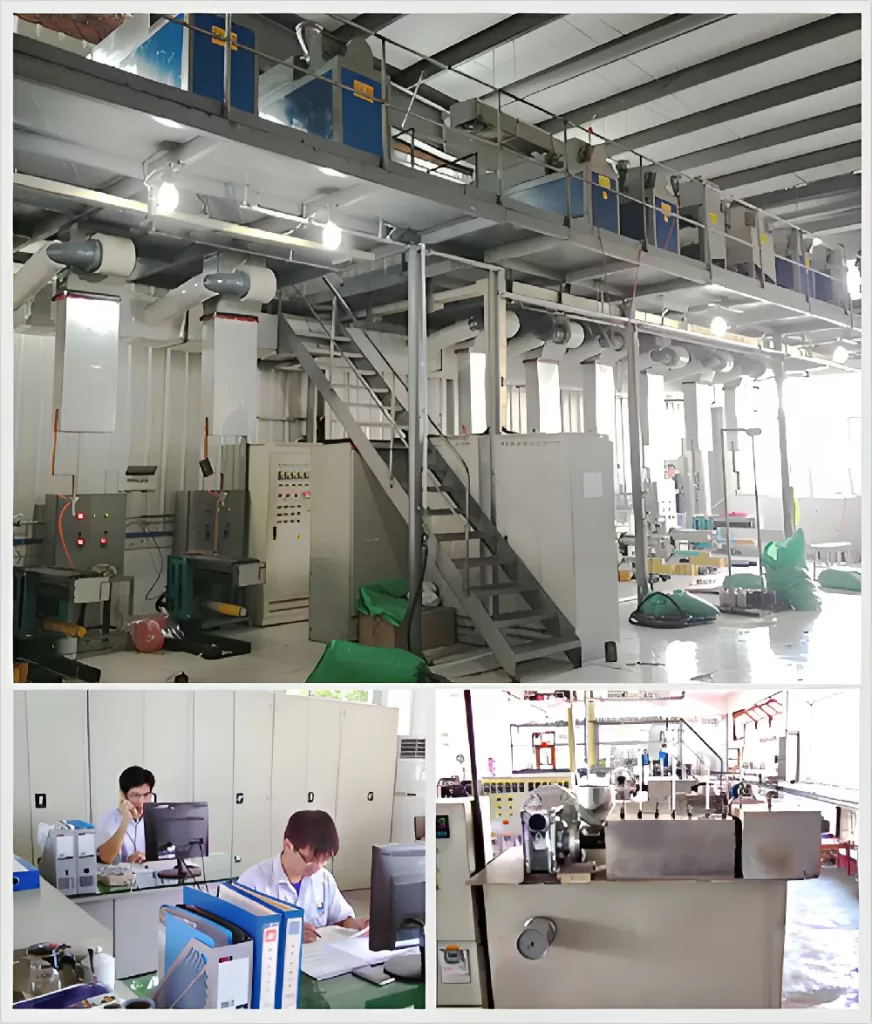
The manufacturing and compounding of a functional antibacterial masterbatch is a high-precision, highly technical task. Standard, low-cost single-screw extruders often fail to provide the mechanical shear force necessary to break down microscopic additive agglomerates, resulting in clumped, ineffective protection. You absolutely need a manufacturing partner equipped with advanced, high-torque twin-screw compounding capabilities. Whether you are currently sourcing raw materials from masterbatch manufacturers Gujarat or meticulously vetting plastic masterbatch manufacturers USA, ensure they deeply understand the delicate thermodynamic balance required for active additive dispersion.
A common engineering question we receive is whether an antibacterial masterbatch can be seamlessly combined with custom aesthetic colors. The definitive answer is yes, but it requires masterful chemical formulation to ensure the active metal ions do not degrade or discolor the pigment at high processing temperatures. We highly recommend consulting exclusively with top-tier color masterbatch manufacturers 2025 who possess the technical capability to offer combined, single-pellet solutions. This ensures your final product is both visually striking and microbiologically secure without the hassle of managing multiple dosing units on the factory floor.
Summary Table: Antibacterial Masterbatch Active Ingredients Comparison
| Active Ingredient Type | Mechanism of Action | Primary Target Microbes | Thermal Stability | Best Suited Application |
|---|---|---|---|---|
| Silver Ion (Ag+) | Ion release, Metabolic/DNA disruption | Broad-spectrum Bacteria (E.coli, MRSA) | Excellent (Up to 600°C) | Medical devices, Food packaging, High-heat polymers |
| Zinc Pyrithione (ZPT) | Fungal cell wall disruption | Molds, Fungi, Mildew | Good (Up to 240°C) | Outdoor construction materials, HVAC systems, PVC |
| Organic SiQuats | Mechanical cell membrane piercing | Bacteria, Algae | Moderate | Children’s toys, Textiles, Non-leaching requirements |
Frequently Asked Questions (FAQs)
Does using an antibacterial masterbatch alter the physical properties of my plastic?
From our experience, when dosed correctly at the manufacturer’s recommended let-down ratio (typically 1-3%), a premium antibacterial masterbatch will not negatively impact the tensile strength, impact resistance, or clarity of the base polymer. Poorly formulated masterbatches with low-quality carrier resins are what cause structural degradation, which is why choosing an expert compounding partner is critical.
Is antibacterial masterbatch safe for human skin contact and food storage?
Yes. The active ingredients, particularly high-grade silver ions, are highly regulated and incredibly safe. Formulations designed for food packaging and medical devices are meticulously engineered to comply with strict international regulatory bodies, including FDA (US) and EFSA (Europe) guidelines for food contact materials.
How long does the antibacterial protection actually last?
Because the antibacterial masterbatch is integrated entirely into the molecular matrix of the plastic rather than sprayed on as a temporary coating, the antimicrobial efficacy is designed to last for the entire useful lifespan of the end product. It will not wash off, wear away, or evaporate over time.
Industry References
To further understand the global testing standards and regulatory compliance frameworks surrounding antimicrobial polymer additives, we recommend reviewing the following authoritative sources: