
Scaling a manufacturing process requires eliminating bottlenecks. In the soap making industry, the most notorious bottleneck is mixing sodium hydroxide (lye) with water and waiting for the exothermic reaction to cool down. If you are serious about streamlining your production line, you need to learn how to master batch lye for soap making. From our experience, adopting this single process will cut your active formulation time in half and drastically improve the consistency of your final product.
At Charming Masterbatch, our core expertise lies in industrial manufacturing efficiency. We are recognized globally as one of the best plastic masterbatch manufacturers. While we engineer colorants and additives for plastics, the fundamental principle of “masterbatching” is universal across all chemical manufacturing: front-load your most hazardous, time-consuming preparations into a single, highly concentrated bulk batch. Whether you are producing injection-molded polymers or artisan cold-process soap, masterbatching is how professionals scale.
Quick Answer: How to Master Batch Lye for Soap Making
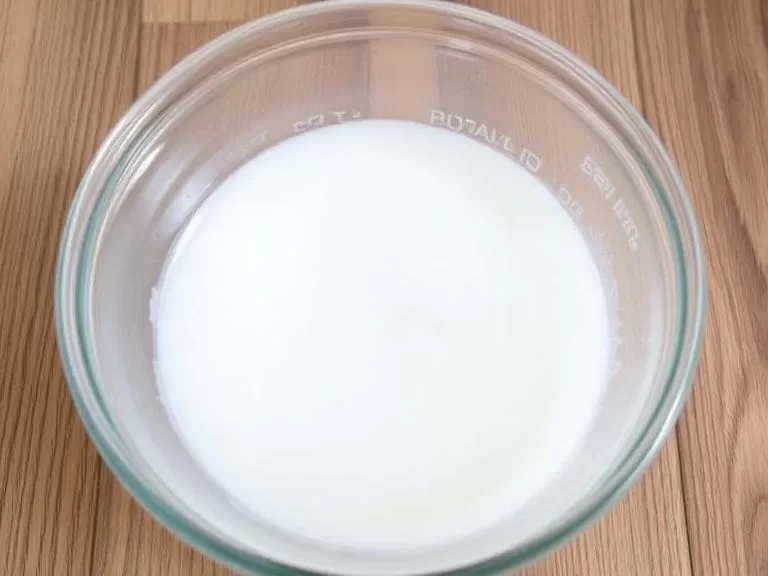
To master batch lye for soap making, you create a concentrated, room-temperature solution of sodium hydroxide and distilled water in advance. The industry standard is a 50/50 ratio by weight.
- Put on complete safety gear (goggles, gloves, respirator).
- Weigh out exactly equal parts of dry sodium hydroxide flakes and distilled water (e.g., 50 ounces of water and 50 ounces of lye).
- Slowly pour the lye into the water in a heavy-duty, heat-safe plastic bucket. Stir gently until fully dissolved.
- Allow the solution to cool completely to room temperature.
- Transfer the liquid to a clearly labeled High-Density Polyethylene (HDPE #2) jug with a secure, airtight cap.
When formulating your soap recipe, simply multiply your required dry lye weight by two to find your masterbatch liquid weight, then subtract that number from your recipe’s total water requirement to find the additional water needed.
Table of Contents
- What It Is and How It Works
- The Benefits of Masterbatching Lye
- Limitations and Safety Concerns
- Who Should Use It (And Who Should Not)
- Step-by-Step: The 50/50 Math Explained
- Common Mistakes to Avoid
- Equipment and Buying Considerations
- Comparison and Pros/Cons Tables
- Expert Recommendation from Industry Pros
- The Bottom Line
- Frequently Asked Questions (FAQ)
- Authoritative References
What It Is and How It Works
Masterbatching is a foundational concept in industrial manufacturing. To master batch lye for soap making means to prepare your sodium hydroxide solution in bulk ahead of time, rather than mixing it individually for every single batch of soap you produce. In most professional situations, soap makers use a 50% concentration (equal parts lye and water by weight). This creates a highly caustic, stable liquid that can be stored safely for months.
How it works is simple: because the lye is already fully dissolved and has returned to room temperature, you bypass the thermal reaction phase during your actual soap making day. You pour the required amount of your liquid masterbatch into your soap pot, add whatever remaining water or liquid (like milk or aloe juice) your recipe dictates, and immediately blend it with your oils. It is a system built purely for speed and consistency.
The Benefits of Masterbatching Lye
We recommend adopting this method if you are looking to treat your soap making like a legitimate business rather than a weekend craft.
- Massive Time Savings: Mixing lye and waiting for it to cool from 200°F (93°C) down to 90°F (32°C) can take hours. With a masterbatch, your lye is instantly ready at room temperature.
- Reduced Exposure to Fumes: Mixing lye generates toxic fumes. By masterbatching, you only expose yourself to these fumes once a month, rather than every single day you make soap.
- Unmatched Consistency: In industrial manufacturing, whether evaluating color masterbatch manufacturers 2025 or creating soap, creating one large, homogenized batch ensures that every subsequent micro-batch behaves exactly the same way.
- Easier Temperature Control: Room temperature lye gives you much more control over your batter’s temperature, reducing the risk of false trace, volcanoing, or glycerin rivers in your final bars.
Limitations and Safety Concerns
Despite its efficiency, there are inherent risks when you master batch lye for soap making. You are storing a large volume of highly corrosive, dangerous liquid. If a jug tips over and spills, it is a catastrophic safety hazard. Furthermore, lye solution will freeze if stored in a cold garage or warehouse, causing the sodium hydroxide to crystallize and fall out of solution. If you fail to notice this and use the liquid off the top, your soap will be lye-heavy and dangerous to skin.
Storage space is also a limitation. You need dedicated, secure, child-proof, and pet-proof areas to store heavy jugs of hazardous chemicals.
Who Should Use It (And Who Should Not)
For commercial users: If you are running a soap business, fulfilling wholesale orders, or preparing for holiday markets, you must learn to master batch lye for soap making. It is the only way to profitably scale a handmade product. You cannot afford to wait for lye to cool when you have fifty loaves of soap to pour.
For beginners: We explicitly do not recommend this for novices. If you only make one batch of soap every few months, the risks of storing liquid lye far outweigh the time saved. Stick to single-batch mixing until your volume justifies bulk preparation.
For heavy-duty applications: In environments where multiple employees are handling ingredients, a pre-mixed lye solution reduces the margin for human error during the weighing phase, provided the safety protocols for dispensing the liquid are strictly enforced.
Step-by-Step: The 50/50 Math Explained
The mathematics of masterbatching can confuse some makers, but it is straightforward once you understand the 50/50 rule. A 50% solution means that every gram of the liquid contains exactly 0.5 grams of lye and 0.5 grams of water.
Here is a real-world scenario:
- Your soap recipe calls for 150 grams of lye and 350 grams of water.
- To find out how much of your 50/50 masterbatch liquid you need, simply multiply your dry lye weight by two: 150g x 2 = 300 grams of masterbatch liquid.
- Within that 300 grams of liquid, you have perfectly accounted for your 150g of lye and 150g of water.
- Now, calculate the remaining water needed for your recipe. Your recipe requires 350g of water total. You have already added 150g (hidden inside the masterbatch liquid). Therefore: 350g – 150g = 200 grams of additional water.
On production day, you simply weigh out 300g of your masterbatch liquid, add 200g of distilled water to it, and you are ready to pour it into your oils.
Common Mistakes to Avoid
In our testing and industry observation, we see makers ruin batches and endanger themselves through poor storage choices.
Using Glass Containers: From our experience, this is a fatal error. Sodium hydroxide gradually etches glass. Over time, the glass weakens microscopically until it spontaneously shatters, dropping a gallon of caustic liquid onto your floor. Never store masterbatched lye in glass.
Ignoring the Water Discount: If you forget that your masterbatch is half water and simply add the full water amount requested by your soap calculator on top of the masterbatch liquid, your soap will be terribly soft, take weeks to unmold, and suffer from extreme shrinkage.
Poor Labeling: A jug of 50/50 lye solution looks exactly like a jug of distilled water. In a commercial shop, an unlabeled chemical is a disaster waiting to happen. Use massive, brightly colored labels with hazard warnings.
Equipment and Buying Considerations
When you master batch lye for soap making, your containers are your first line of defense. You must use plastics that can withstand high alkalinity and extreme heat.
High-Density Polyethylene (HDPE), usually marked with a #2 recycling symbol, is the absolute best choice for storing liquid lye. Polypropylene (PP), marked with a #5, is also highly resistant to chemicals and heat. If you are curious about how these industrial plastics are formulated to handle stress, reading about what is PP masterbatch will give you insight into polymer engineering and why it is so crucial for chemical storage.
Do not buy cheap, thin plastic buckets from hardware stores. Invest in commercial-grade, heavy-walled HDPE carboys with secure spigots or tight-sealing threaded caps.
Comparison and Pros/Cons Tables
To help you make a commercial and practical judgment, here is how bulk preparation compares to single-batch mixing.
| Feature | Single-Batch Lye Mixing | 50/50 Masterbatched Lye |
|---|---|---|
| Preparation Time | 10-15 mins per soap batch | 20 mins once per month |
| Cooling Wait Time | 1 to 3 hours per batch | Zero (Instantly ready) |
| Fume Exposure | High (Exposed every batch) | Low (Exposed only during bulk mixing) |
| Space Required | Minimal (Dry lye bottle only) | High (Large jugs of liquid) |
| Math Complexity | Simple (Direct from calculator) | Moderate (Requires deduction math) |
| Pros of Masterbatching Lye | Cons of Masterbatching Lye |
|---|---|
| Drastically speeds up production workflows. | Creates a highly hazardous liquid storage requirement. |
| Allows you to soap at room temperature easily. | Requires heavy lifting of large carboys or jugs. |
| Prevents accidental inhalation of lye dust on a daily basis. | Solution can crystallize if stored below 60°F (15°C). |
| Highly scalable for wholesale fulfillment. | Math errors can ruin an entire production run. |
Expert Recommendation from Industry Pros
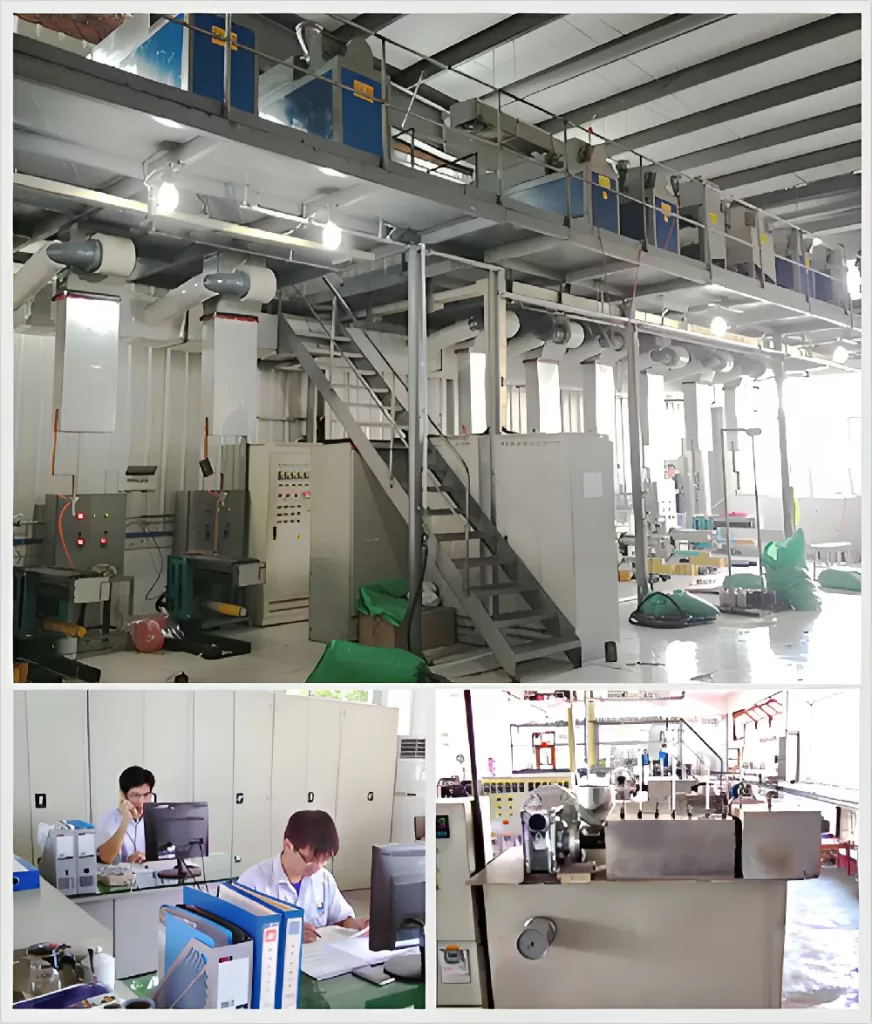
At Charming Masterbatch, we supply plastic masterbatch manufacturers India and other global markets. We understand the necessity of standardizing production. Just as we use carbon black masterbatch to ensure absolute color uniformity across thousands of tons of plastic, you should use masterbatched lye to ensure your soap performs identically every single time.
Our expert recommendation is to transition to masterbatching as soon as you are consistently making more than 20 pounds of soap per week. We recommend mixing your masterbatch outdoors or under an industrial ventilation hood. Purchase two 2.5-gallon heavy-duty HDPE jugs with dispensing spigots. Use one for active dispensing and keep the other sealed as your backup inventory. This mirrors the inventory management systems used by plastic masterbatch suppliers worldwide.
The Bottom Line
If you want to transition from a hobbyist to a serious manufacturer, you must learn how to master batch lye for soap making. It is a fundamental operational upgrade that trades a small amount of mathematical planning for a massive return on time and consistency. By utilizing a 50/50 lye-water ratio, storing it safely in HDPE #2 containers, and accurately calculating your remaining water, you will eliminate the longest bottleneck in the cold process soap making workflow. Respect the chemicals, enforce strict labeling protocols in your workspace, and watch your production capacity skyrocket.
Frequently Asked Questions (FAQ)
How long does a masterbatch lye solution last?
A properly sealed 50/50 lye masterbatch can last for up to a year. However, if the container is not airtight, the sodium hydroxide will react with carbon dioxide in the air to form sodium carbonate (soda ash) on the surface, which weakens the lye concentration. Always store in airtight HDPE containers.
Can I masterbatch at a 33% concentration instead of 50%?
Yes. While 50/50 is the industry standard because the math is the easiest (just multiply dry lye weight by two), some makers prefer a 33% concentration (1 part lye to 2 parts water). This requires more storage space but is slightly less caustic to handle. You must adjust your recipe math accordingly.
What happens if my masterbatch lye gets cold and crystallizes?
If stored in a cold environment, the lye can fall out of solution and form crystals at the bottom of the jug. If this happens, you must gently heat the jug in a warm water bath and stir until the crystals completely redissolve. Never use the liquid off the top if crystals are present, as your concentration will be dangerously inaccurate.
Can I substitute milk or tea for water when masterbatching lye?
No. You should only ever master batch lye for soap making using 100% distilled water. The high heat of the reaction will scorch milk sugars or botanical teas, ruining the batch. If your recipe calls for milk, use distilled water for your masterbatch, and use the milk for the “remaining water” portion of your recipe added at trace.