
In the highly competitive plastics manufacturing industry, optimizing your material supply chain is the single fastest way to increase profit margins. However, many procurement managers and process engineers stumble over industry terminology, specifically when navigating the line between raw polymer additives and ready-to-mold materials. If you are researching plastic processing solutions, you have likely encountered the term compound masterbatch. But what exactly is it, and more importantly, is it the right choice for your specific extrusion or injection molding lines?
From our experience at Charming Masterbatch, a significant portion of manufacturing defects—such as poor color dispersion, weak mechanical properties, or thermal degradation—stems from choosing the wrong additive strategy. In most professional situations, treating a masterbatch identically to a pre-compounded resin leads to catastrophic processing failures. We are taking a clear position: understanding the technical engineering behind compound masterbatch is not optional for commercial users; it is mandatory for surviving in today’s plastics market.
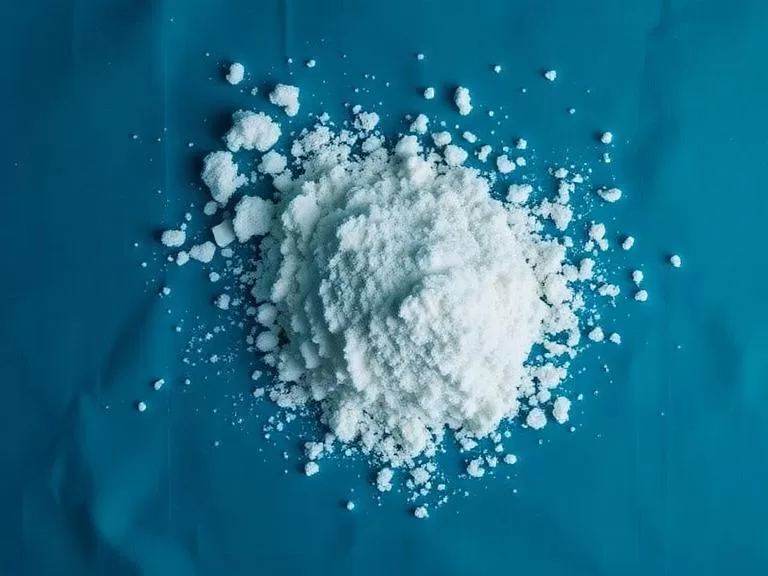
Quick Answer: What Is Compound Masterbatch?
A compound masterbatch is a highly concentrated, pelletized mixture of functional additives and/or color pigments encapsulated within a specific carrier resin. Unlike pre-compounded plastics (which are 100% ready to mold), a compound masterbatch is designed to be diluted into a natural base polymer at a predetermined “let-down ratio” (usually 1% to 5%) directly at the hopper.
Should you use it? We recommend compound masterbatch for manufacturers seeking to reduce raw material costs and lower inventory footprints. It is ideal for high-volume production where you can economically dose functional additives (like UV stabilizers, antioxidants, or flame retardants) into cheaper raw natural polymers, rather than purchasing expensive, fully pre-compounded materials.
Table of Contents
- 1. What Is Compound Masterbatch? Clarifying the Industry Jargon
- 2. The Science: How It Works in Plastic Processing
- 3. Masterbatch vs. Ready-to-Use Compounds: The Critical Differences
- 4. Commercial and Technical Benefits
- 5. Limitations and Manufacturing Trade-Offs
- 6. Who Should Use It
- 7. Who Does Not Need It
- 8. Common Mistakes in Material Sourcing
- 9. Commercial Buying Considerations
- 10. Expert Recommendation from Charming Masterbatch
- 11. Frequently Asked Questions (FAQ)
- 12. Industry References
| Attribute | Specification / Detail |
|---|---|
| Physical Form | Solid granular pellets (dust-free) |
| Let-Down Ratio (LDR) | Typically 1% to 5% (up to 20% for heavy fillers) |
| Carrier Resin Compatibility | Must match or be highly compatible with the base polymer (e.g., PE, PP, ABS) |
| Primary Function | Delivers concentrated colors, UV resistance, anti-static, or flame retardant properties |
| Processing Equipment | Added via gravimetric or volumetric dosers at the extruder hopper |
1. What Is Compound Masterbatch? Clarifying the Industry Jargon
To make an informed purchasing decision, we must address the widespread confusion between the terms “compound” and “masterbatch.” In strict engineering terms, a compound is a fully mixed, pre-processed plastic material that contains all necessary base polymers, fillers, and additives; it requires zero dilution and goes straight into the injection molding machine. A masterbatch, conversely, is a super-concentrated delivery vehicle designed strictly for dilution.
When the industry uses the term compound masterbatch (often referred to as a multi-functional or combi-batch), it describes a masterbatch that has been heavily engineered through a twin-screw compounding process to hold an exceptionally high payload of multiple active ingredients. For example, instead of dosing a color masterbatch, a UV masterbatch, and an antioxidant masterbatch separately, you dose a single compound masterbatch that performs all three functions simultaneously. For a deeper understanding of these active ingredients, we strongly suggest reviewing a detailed masterbatch composition guide.
2. The Science: How It Works in Plastic Processing
Compound masterbatch works through the principle of melt-phase dispersion. During the manufacturing of your final plastic product, raw natural polymer pellets and a small percentage of the compound masterbatch are fed together into the hopper of an extruder or injection molding machine.
As the materials travel down the heated barrel of the machine, the sheer force of the rotating screw melts both the base polymer and the carrier resin of the masterbatch. Because the carrier resin was carefully selected to be compatible with your base plastic, it melts seamlessly, allowing the highly concentrated additives and pigments to disperse uniformly throughout the plastic melt. The ratio at which you mix the masterbatch into your base polymer is called the let-down ratio (LDR), which typically ranges from 1% to 5%. Maintaining strict control over this ratio is crucial for achieving consistent mechanical and aesthetic properties.
3. Masterbatch vs. Ready-to-Use Compounds: The Critical Differences
For commercial users, deciding between buying a compound masterbatch versus a pre-compounded resin is a multi-million-dollar decision. Pre-compounded resins guarantee perfect dispersion because the material was already melted and mixed by the supplier. However, you pay a massive premium for the supplier to process 100% of the volume.
With a compound masterbatch, you buy the natural base resin in bulk at commodity prices, and only pay a premium for the 2% to 5% of the masterbatch that holds the active chemicals. This significantly lowers your overall cost of goods sold (COGS).
| Feature | Compound Masterbatch | Pre-Compounded Resin |
|---|---|---|
| Usage Ratio | Diluted at 1% to 5% LDR | Used at 100% (No dilution) |
| Material Cost | Highly cost-effective (leverages cheap raw base resin) | Expensive (paying supplier to mix entire volume) |
| Inventory Footprint | Small (Requires storing raw resin + small bags of masterbatch) | Large (Requires silo storage for every specific color/formula) |
| Flexibility | High (Can change colors or formulas on the fly by switching dosers) | Low (Must purge entire silo/hopper to change product specs) |
| Equipment Needed | Requires accurate volumetric or gravimetric dosing units | No specialized dosing equipment required |
4. Commercial and Technical Benefits
In our testing and daily interactions with global manufacturers, adopting a masterbatch strategy unlocks profound operational advantages:
- Dust-Free Operation: Unlike raw powdered pigments or chemical additives, masterbatches encapsulate the active ingredients inside a solid polymer pellet. This eliminates airborne toxic particles, drastically improving workplace safety and preventing cross-contamination in the factory.
- Customized Functionality: You can combine functionalities. By incorporating specific minerals, you can reduce costs while maintaining structure; learning what is filler masterbatch can show you how to increase rigidity and reduce shrinkage simultaneously.
- Product Longevity: Adding a multi-functional package that includes light stabilizers extends the outdoor lifespan of plastics. Exploring UV masterbatch uses and benefits is critical for manufacturers of agricultural films, stadium seating, and automotive exteriors.
- Precision Dosing: Because the active ingredients are diluted within the carrier resin, dosing machines can easily and accurately feed the required 2% into the machine, preventing the costly over-dosing that happens when attempting to weigh raw chemical powders.
5. Limitations and Manufacturing Trade-Offs
We believe in commercial transparency: compound masterbatch is not a flawless solution for every factory. The primary limitation is the requirement for high-quality dosing equipment. If your factory relies on manual hand-mixing in a drum, you will inevitably suffer from separation in the hopper, leading to severe color streaking or localized mechanical failures in your molded parts. Furthermore, achieving perfect dispersion of a masterbatch requires adequate screw design; older injection molding machines with short, worn-out screws may struggle to melt and distribute the concentrate evenly.
| Pros (Advantages) | Cons (Disadvantages) |
|---|---|
| Massive reduction in raw material procurement costs. | Requires upfront investment in accurate gravimetric dosing equipment. |
| Clean, dust-free handling ensures operator safety and clean facilities. | Incompatible carrier resins will cause delamination and part failure. |
| Allows for rapid product changeovers on the production line. | Older extruders with poor mixing capability may cause streaking. |
| Combines multiple additives (color, UV, slip) into a single pellet. | Calculating exact let-down ratios requires careful process engineering. |
6. Who Should Use It
For commercial users: If you operate medium to high-volume injection molding, blow molding, or extrusion lines (such as packaging films, pipes, or consumer goods), you should absolutely be using compound masterbatch. The financial savings generated by buying raw commodity polymers and dosing the masterbatch at the machine will quickly offset the cost of any necessary dosing equipment upgrades.
7. Who Does Not Need It
For heavy-duty applications: Manufacturers producing highly critical, medical-grade implants, specialized aerospace components, or extreme high-voltage wire insulation often require 100% pre-compounded resins. In these niche, low-volume scenarios, the zero-tolerance policy for dispersion variances makes the premium price of fully compounded plastic justifiable. Additionally, beginners operating small, desktop injection molders without proper mixing nozzles will find it difficult to disperse masterbatches uniformly.
8. Common Mistakes in Material Sourcing and Extrusion
The most devastating mistake we see is ignoring carrier resin compatibility. If you are molding a Polycarbonate (PC) part, but you buy a cheap masterbatch that utilizes a Polyethylene (PE) carrier, the resulting product will suffer from peeling, delamination, and catastrophic loss of impact strength. The carrier resin must seamlessly blend with the host polymer.
Another frequent error is sourcing materials based purely on the lowest price per kilogram without analyzing the dispersion quality. Cheap masterbatches are poorly compounded, meaning the pigments are agglomerated. Understanding the rigorous masterbatch production process—which requires high-shear twin-screw extrusion—will help you realize why cutting corners on supplier quality leads to rejected parts and wasted machine time.
9. Commercial Buying Considerations
When you are ready to source materials, you must conduct a thorough cost-benefit analysis. Navigating the global supply chain requires knowing which color concentrate manufacturers possess the engineering expertise to tailor a formula to your specific resin.
| Base Polymer Application | Masterbatch Carrier Required | Commercial Advice |
|---|---|---|
| Standard Packaging (PE/PP films) | Polyethylene (PE) or Polypropylene (PP) | Focus on high concentration. Track the plastic masterbatch price per ton 2026 to lock in contracts before petrochemical spikes. |
| Engineering Plastics (Automotive connectors) | Polybutylene Terephthalate (PBT) | Do not use universal carriers. You must learn what is PBT masterbatch to maintain high thermal and electrical resistance. |
| Outdoor Furniture / Agricultural Film | Polymer Specific (PE/PP/ABS) | Always request a combi-batch that includes both color pigments and Hindered Amine Light Stabilizers (HALS) to prevent UV degradation. |
10. Expert Recommendation from Charming Masterbatch
In most professional situations, we strongly advise transitioning away from expensive pre-compounded resins and adopting a custom compound masterbatch strategy. By leveraging highly concentrated, multi-functional pellets, you streamline your inventory, eliminate dust hazards, and exert precise control over your manufacturing costs.
The Charming Masterbatch Advantage
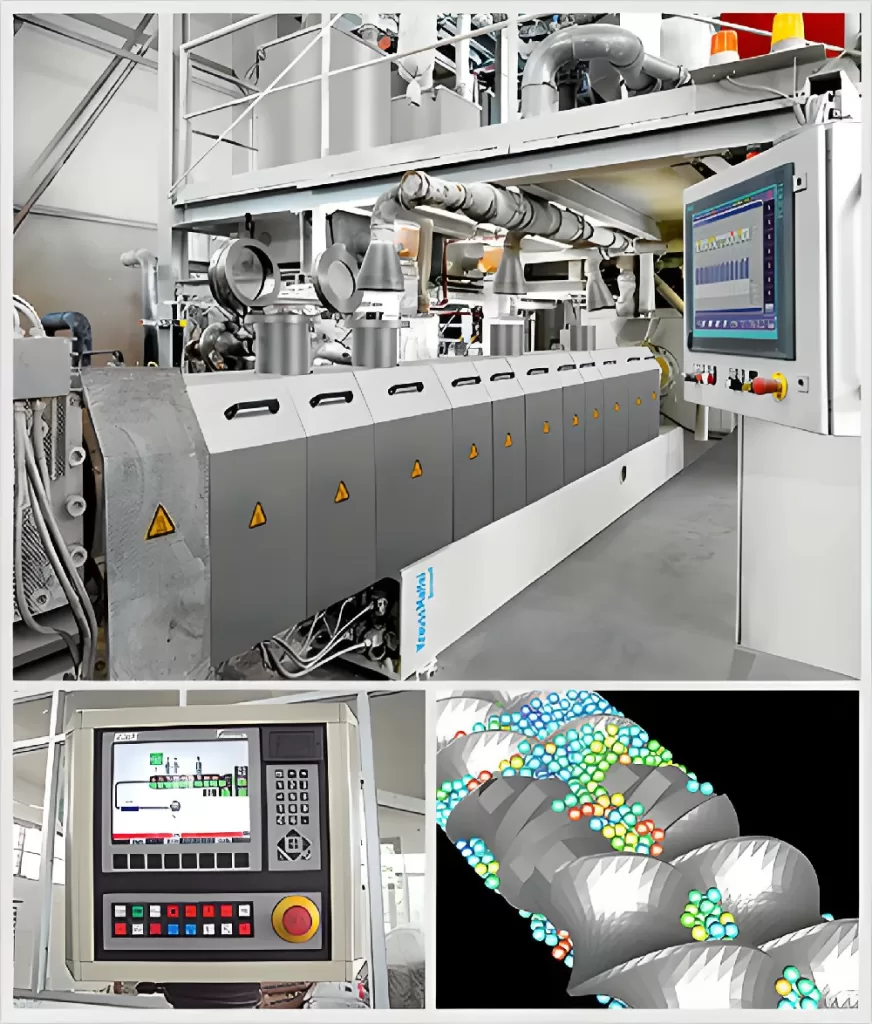
Charming Masterbatch is well known in China market, and exports to Europe, South America, Southeast Asia, Middle East, North Africa etc about 18 countries and markets worldwide.
Not only products, Charming provides complete technical support service and individual development cooperation, which can help our customers solve practical problems and develop new projects with creative solutions. Our advanced twin-screw compounding lines ensure perfect pigment dispersion and additive homogenization, safeguarding your final product’s integrity.
11. Frequently Asked Questions (FAQ)
What is the standard let-down ratio for a compound masterbatch?
The standard let-down ratio (LDR) typically ranges from 1% to 5%. This means for every 100 kilograms of raw plastic, you add 1 to 5 kilograms of the masterbatch. Heavy filler masterbatches may require higher ratios up to 20% depending on the desired mechanical properties.
Can I use a universal carrier masterbatch for all my plastics?
While universal carriers (often wax-based or EVA-based) exist and work adequately for low-end commodity plastics, we do not recommend them for engineering plastics. Using a polymer-specific carrier that matches your base resin (e.g., a PBT carrier for PBT resin) ensures optimal mechanical strength and eliminates the risk of delamination.
Why am I getting color streaks when using a masterbatch?
Color streaks are caused by poor dispersion. This can happen for three reasons: 1) You are using a low-quality masterbatch with agglomerated pigments, 2) Your machine’s screw design lacks the necessary shear force to melt and mix the carrier resin properly, or 3) The masterbatch and base resin separated in the hopper due to manual mixing instead of using a gravimetric doser.
12. Industry References
To ensure commercial compliance and engineering accuracy, we recommend consulting the following authoritative bodies regarding polymer processing and additive standards:
- ASTM International – The global leader in developing and publishing voluntary consensus technical standards for plastics testing, including melt flow rates and tensile strength.
- Plastics Industry Association – Providing advocacy, industry data, and manufacturing best practices for the entire plastics supply chain.
- British Plastics Federation (Plastipedia) – An extensive technical resource detailing polymer definitions, compounding techniques, and masterbatch processing guidelines.