
We understand that navigating material compliance can be overwhelmingly stressful for product designers, engineers, and brand owners. You carry the immense responsibility of ensuring consumer safety, and the highly technical jargon surrounding plastic polymers often obscures clear, actionable answers. We want to validate those concerns—product safety should never involve guesswork. To answer the pressing question: Is PBT plastic food safe? Yes, it absolutely is, provided that the base resin and all incorporated colorants and additives strictly adhere to established food contact regulations.
Polybutylene Terephthalate (PBT) is a high-performance, semi-crystalline engineering thermoplastic renowned for its exceptional durability, thermal stability, and chemical resistance. These characteristics make it a highly desirable material in the food processing and packaging industries. However, confirming whether Is PBT plastic food safe requires a deep dive into global regulatory frameworks, the effects of high-temperature exposure, and the critical role of masterbatch formulation.
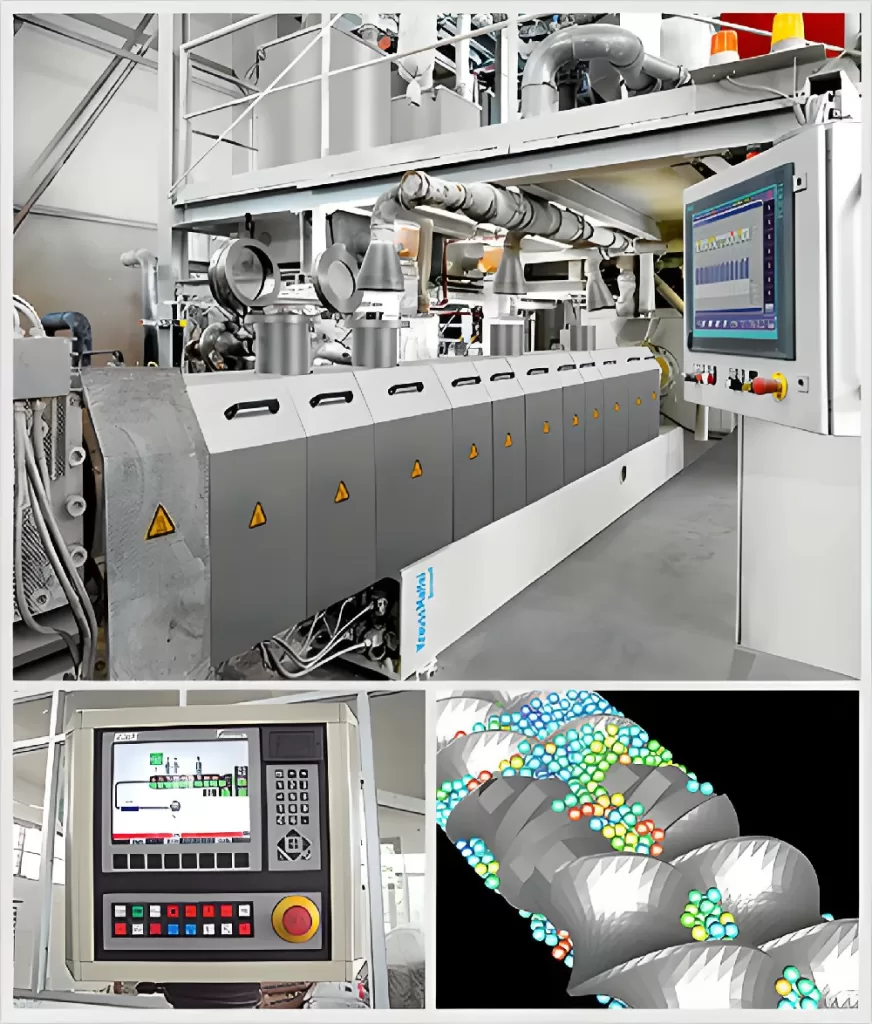
At Charming Masterbatch, we bring decades of industry expertise to this topic. With advanced twin screw machines from Germany and decades of experience in Masterbatch processing and pigment dispersion technology, Charming provides stable high quality color Masterbatch and creative functional Masterbatch solutions for our customers. In this comprehensive guide, we will explore everything you need to know to confidently determine if Is PBT plastic food safe for your specific application.
Table of Contents
- 1. What is PBT Plastic?
- 2. Why Is PBT Plastic Food Safe? The Regulatory Landscape
- 3. Is PBT Plastic Food Safe Under High Temperatures?
- 4. Is PBT Plastic Food Safe When Exposed to Chemicals?
- 5. Is PBT Plastic Food Safe When Colored?
- 6. Is PBT Plastic Food Safe Compared to Other Plastics?
- 7. Summary Table: Food-Safe Properties of PBT
- 8. Frequently Asked Questions (FAQs)
- 9. References
1. What is PBT Plastic?
Polybutylene Terephthalate (PBT) belongs to the polyester family of plastics, closely related to the widely known Polyethylene Terephthalate (PET). PBT is celebrated in the manufacturing sector because it crystallizes rapidly, making it highly efficient for injection molding processes. It boasts immense mechanical strength, low moisture absorption, and excellent dimensional stability.
Because of these robust physical properties, PBT is frequently utilized in the manufacturing of food processing machinery, conveyor belts, coffee maker nozzles, spatulas, mixing bowls, and rigid food packaging. But functionality alone does not guarantee safety. To fully answer Is PBT plastic food safe, we must analyze how the material interacts directly with consumables.
2. Why Is PBT Plastic Food Safe? The Regulatory Landscape
When clients ask us, Is PBT plastic food safe, our first point of reference is always the strict guidelines established by global health authorities. A plastic polymer is only deemed “food safe” or “food grade” if it meets the stringent criteria regarding chemical migration—meaning it does not leach harmful substances into food or beverages.
FDA Compliance (United States)
In the United States, the Food and Drug Administration (FDA) regulates food contact materials under Title 21 of the Code of Federal Regulations (CFR). Specifically, 21 CFR 177.1660 covers Poly(tetramethylene terephthalate), which is the chemical designation for PBT. According to these regulations, Is PBT plastic food safe? Yes, the FDA approves specific grades of PBT for repeated food contact, provided the polymer meets exact extraction limitations when exposed to various food simulators (such as water, heptane, and alcohol) under specified temperature conditions.
EFSA Compliance (European Union)
So, Is PBT plastic food safe according to European standards? Absolutely. The European Food Safety Authority (EFSA) governs this under EU Regulation 10/2011, which dictates the rules for plastic materials and articles intended to come into contact with food. PBT resins that pass the overall migration limit (OML) and specific migration limit (SML) tests are fully certified for use in European food markets.
From our experience, while the raw PBT resin may carry FDA and EFSA certifications, any modifications—such as adding unverified colorants or fillers—can void its food-safe status. Compliance must be maintained throughout the entire manufacturing chain.
3. Is PBT Plastic Food Safe Under High Temperatures?
The question Is PBT plastic food safe becomes critical when heat is applied. Many plastics degrade, warp, or release toxic compounds when exposed to boiling water or microwave radiation. PBT, however, is an engineering marvel in this regard.
PBT possesses a high melting point of approximately 225°C (437°F). Furthermore, when reinforced with food-safe glass fibers, its heat deflection temperature increases significantly. This exceptional thermal stability makes it the material of choice for internal components of coffee machines, toasters, and steam-cleaning food conveyor systems. To confidently say Is PBT plastic food safe in boiling water, we look at its structural integrity: it maintains its shape and does not leach chemicals even under continuous exposure to hot liquids, making it perfectly safe for high-temperature culinary applications.
4. Is PBT Plastic Food Safe When Exposed to Chemicals?
Food processing environments are harsh. Equipment is routinely exposed to acidic foods (like tomatoes and citrus), natural fats, cooking oils, and aggressive industrial cleaning agents. When dealing with these substances, Is PBT plastic food safe?
We recommend PBT precisely because of its high chemical resistance. It does not react with weak acids, bases, or aliphatic hydrocarbons. This resistance ensures that the plastic surface does not degrade, pit, or become porous. A non-porous surface is vital for food safety because it prevents dangerous bacteria and pathogens from harboring within the plastic. Therefore, Is PBT plastic food safe for long-term commercial food handling? Yes, its chemical resilience directly supports stringent hygiene standards.
5. Is PBT Plastic Food Safe When Colored?
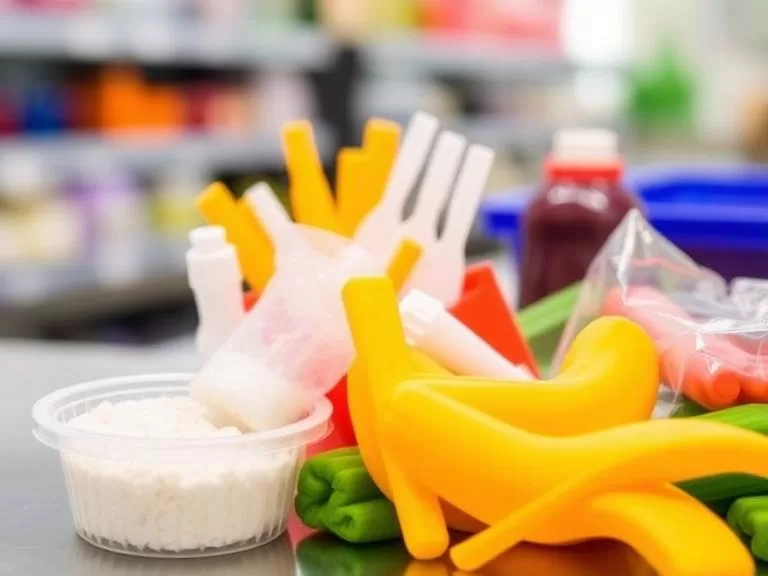
Uncolored PBT resin typically presents as an opaque, milky white material. However, consumer brands rely heavily on vibrant colors for product differentiation. Clients frequently ask us: Is PBT plastic food safe after adding color masterbatch? The answer depends entirely on the quality and compliance of the colorant used.
If you use pigments containing heavy metals (like lead or cadmium) or toxic carriers, the final product is no longer safe for food contact. When examining the global supply chain, working with reliable color concentrate manufacturers is essential to maintain food-grade integrity. If you are wondering how to color plastic permanently without causing pigment migration into food, the choice of a highly stable carrier resin in the masterbatch is critical.
From our experience, the masterbatch production process is the ultimate checkpoint where safety is locked in. Charming Masterbatch is well known in the China market, and exports to Europe, South America, Southeast Asia, Middle East, North Africa etc., covering about 18 countries and markets worldwide. We utilize pristine, food-grade pigments precisely dispersed using advanced German twin-screw technology to ensure your colored PBT remains 100% FDA and EU compliant.
It is also important to understand what is additive masterbatch and how it affects the polymer. Additives like UV stabilizers or antioxidants can improve the lifespan of PBT products. We ensure that every additive we formulate for food-contact applications meets the strictest global toxicity standards.
6. Is PBT Plastic Food Safe Compared to Other Plastics?
When evaluating Is PBT plastic food safe, comparing it to other common food-grade plastics provides valuable context.
- PBT vs. PET (Polyethylene Terephthalate): PET is universally recognized as food safe, famously used for single-use water bottles and clear food containers. However, PET is not ideal for high-heat environments. PBT crystallizes faster and handles high temperatures much better, making it the superior choice for durable, reusable kitchen appliances.
- PBT vs. PP (Polypropylene): Polypropylene is excellent for Tupperware and microwave-safe containers. While PP is food safe, it lacks the extreme mechanical strength and wear resistance of PBT. For industrial food processing gears or heavy-duty spatulas, PBT outperforms PP.
- PBT vs. PC (Polycarbonate): Historically used for hard clear plastics, PC faced massive backlash due to the presence of BPA (Bisphenol A), a known endocrine disruptor. Is PBT plastic food safe regarding BPA? Yes, PBT is inherently BPA-free and phthalate-free, making it a much safer engineering plastic than legacy polycarbonate formulas.
7. Summary Table: Food-Safe Properties of PBT
To provide a quick reference on why Is PBT plastic food safe, we have compiled the core properties into the table below:
| Property | PBT Performance | Impact on Food Safety |
|---|---|---|
| FDA / EFSA Compliance | Approved (Specific Grades) | Meets strict chemical migration limits for repeated food contact. |
| Thermal Stability | Excellent (Melting point ~225°C) | Does not warp or leach chemicals in boiling water or hot foods. |
| Chemical Resistance | High resistance to fats, oils, and weak acids | Maintains surface integrity, preventing bacterial harboring. |
| BPA & Phthalate Free | Yes | No risk of endocrine-disrupting chemicals migrating into food. |
| Moisture Absorption | Very Low | Retains mechanical strength and dimensional accuracy in wet environments. |
8. Frequently Asked Questions (FAQs)
Is PBT plastic food safe for microwaves?
Yes, generally speaking. Because of its excellent thermal stability and high melting point, food-grade PBT is highly resistant to microwave heat. However, we recommend checking the specific manufacturer guidelines, as certain added fillers might affect microwave transparency.
Is PBT plastic food safe for children’s dishware?
Yes. PBT is exceptionally safe for children’s items because it is inherently free of BPA, BPS, phthalates, and melamine. Its high impact resistance also means it will not easily shatter into dangerous shards if dropped.
How do I verify Is PBT plastic food safe from my supplier?
To definitively confirm Is PBT plastic food safe for your production run, you must request a Declaration of Compliance (DoC) from your resin and masterbatch suppliers. This document certifies that the materials meet FDA 21 CFR 177.1660 and EU 10/2011 standards. For personalized guidance and fully compliant color solutions, we invite you to contact masterbatch supplier experts at Charming Masterbatch today.
9. References
- U.S. Food and Drug Administration (FDA) – 21 CFR 177.1660 Poly(tetramethylene terephthalate)
- European Food Safety Authority (EFSA) – Food Contact Materials Regulations
Not only products, Charming provides complete technical support service and individual development cooperation, which can help our customers solve practical problems and develop new projects with creative solutions. We are so proud that we can share our experience and technology with customers and grow up together. If you are developing a new food-contact product and need absolute certainty regarding material compliance, let our decades of expertise guide you to success.