
In the dynamic world of plastic manufacturing, efficiency, quality, and versatility are paramount. Manufacturers are constantly seeking ways to improve their production processes while delivering superior end products. This is where masterbatches come into play. A masterbatch is a solid or liquid additive used for coloring plastics (color masterbatch) or imparting other properties to plastics (functional masterbatch). It consists of a concentrated mixture of pigments and/or additives encapsulated during a heat process into a carrier resin, which is then cooled and cut into a granular shape.
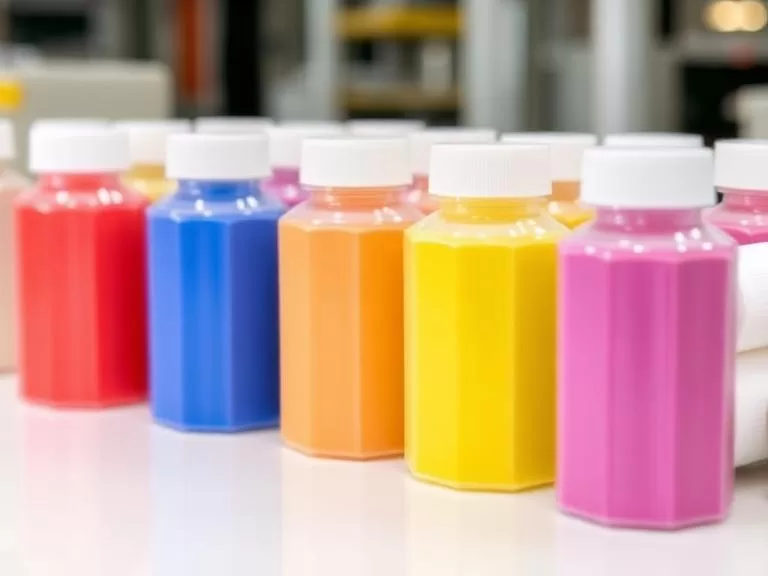
The adoption of this technology has revolutionized the industry, offering a streamlined alternative to raw pigments and additives. Understanding the best benefits of using Polymer Masterbatches can significantly impact your bottom line, product quality, and operational efficiency. In this comprehensive guide, we will explore why leading manufacturers are switching to masterbatches and how they can elevate your production capabilities.
- 1. Superior Dispersion and Color Consistency
- 2. Enhanced Process Stability and Material Handling
- 3. Economic Advantages and Cost Efficiency
- 4. Cleaner Production Environment and Safety
- 5. Functional Versatility and Performance Upgrades
- 6. Simplified Inventory and Supply Chain Management
- 7. Industry Spotlight: Charming Masterbatch Solutions
- 8. Summary Comparison Table
- 9. Frequently Asked Questions (FAQs)
- 10. References
1. Superior Dispersion and Color Consistency
One of the primary benefits of using Polymer Masterbatches is the unparalleled quality of dispersion. When using raw pigments in powder form, achieving a uniform distribution within the polymer matrix can be incredibly difficult. Poor dispersion leads to streaks, specks, and uneven coloration in the final product, which are major defects in high-end applications.
Masterbatches are pre-dispersed. The pigments are already optimally mixed into a carrier resin that is compatible with the main polymer. This ensures that when the masterbatch is melted during processing (whether injection molding, blow molding, or extrusion), it blends seamlessly. The result is a vibrant, consistent color and uniform mechanical properties throughout the entire batch.
2. Enhanced Process Stability and Material Handling
Handling raw chemical powders is messy and imprecise. Masterbatches, being in pellet form, are easy to handle, weigh, and feed into machines. This physical form significantly improves process stability. Automated dosing systems can feed pellets with extreme accuracy, ensuring that the ratio of additive to polymer remains constant.
This stability reduces the “trial and error” often associated with color matching raw pigments. Manufacturers can rely on a specific masterbatch grade to deliver the exact same performance batch after batch, reducing downtime caused by machine adjustments or cleaning.
3. Economic Advantages and Cost Efficiency
While the upfront cost per kilogram of a masterbatch might seem higher than raw pigment powder, the total cost of ownership tells a different story. The benefits of using Polymer Masterbatches extend to significant economic savings through several avenues:
- Reduced Waste: Better dispersion means fewer rejected parts due to color defects.
- Energy Savings: Masterbatches can sometimes improve the melting characteristics of the polymer, allowing for lower processing temperatures or faster cycle times.
- Labor Reduction: Eliminating the need to weigh and mix dusty powders saves man-hours and reduces the need for specialized cleaning crews.
4. Cleaner Production Environment and Safety
Industrial hygiene is a critical concern. Raw pigments are essentially fine dust that can become airborne, settling on equipment, contaminating other production lines, and posing respiratory health risks to workers. Cleaning a facility contaminated with pigment dust is a time-consuming and expensive nightmare.
Masterbatches encapsulate these dusty pigments within a resin pellet. This dust-free nature ensures a clean production floor. It prevents cross-contamination between different color runs, allowing for faster changeovers. More importantly, it creates a safer working environment for employees, reducing the need for extensive personal protective equipment (PPE) related to dust inhalation.
5. Functional Versatility and Performance Upgrades
Masterbatches are not just about color; they are about performance. Functional masterbatches allow manufacturers to impart specific properties to their plastic products without altering the base polymer supply. This versatility is one of the most strategic benefits of using Polymer Masterbatches.
By simply adding a specific functional pellet to the hopper, a manufacturer can make a product:
- Antimicrobial: Protecting surfaces from bacteria and fungi.
- UV Stabilized: Preventing degradation from sunlight exposure in outdoor applications.
- Flame Retardant: Ensuring compliance with safety regulations for electronics or construction materials.
- Antistatic: Preventing static buildup in packaging or electronic components.
6. Simplified Inventory and Supply Chain Management
Stocking dozens of different colored raw plastics takes up massive warehouse space and ties up capital. With masterbatches, a manufacturer only needs to stock a large quantity of natural (uncolored) base polymer and smaller quantities of various masterbatches.
This “natural plus masterbatch” approach allows for immense flexibility. If a customer orders a red product today and a blue one tomorrow, the manufacturer uses the same base resin and simply switches the masterbatch. This reduces obsolete inventory and allows for “just-in-time” manufacturing, significantly streamlining supply chain management.
7. Industry Spotlight: Charming Masterbatch Solutions
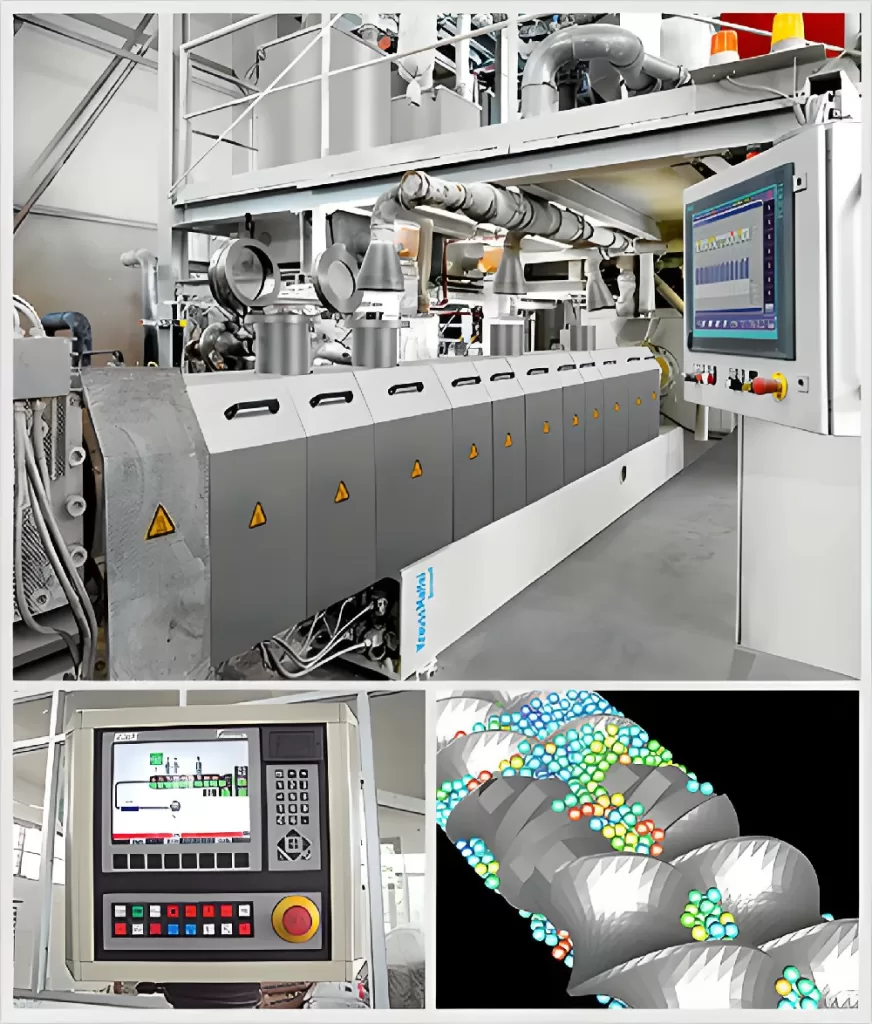
When seeking the highest quality additives, partnering with an experienced supplier is crucial. Charming Masterbatch exemplifies the pinnacle of masterbatch technology.
With advanced twin screw machines from Germany and decades of experience in Masterbatch processing and pigment dispersion technology, Charming provides stable high quality color Masterbatch and creative functional Masterbatch solutions for our customers. Charming Masterbatch is well known in the China market, and exports to Europe, South America, Southeast Asia, the Middle East, North Africa, etc., covering about 18 countries and markets worldwide.
Not only products, but Charming also provides complete technical support service and individual development cooperation, which can help our customers solve practical problems and develop new projects with creative solutions. We are so proud that we can share our experience and technology with customers and grow up together.
Our Products Include:
- Color Masterbatch: For Fiber, Filament, BCF, Nonwoven, Film, and Plastic applications.
- Functional Masterbatch: Including Antimicrobial, Antistatic, Flame Retardant, and UV stabilizer solutions.
8. Summary Comparison Table
| Feature | Raw Pigments/Additives | Polymer Masterbatch |
|---|---|---|
| Dispersion Quality | Low (prone to streaks/clumps) | High (pre-dispersed, uniform) |
| Handling | Difficult (messy powders) | Easy (clean pellets) |
| Production Stability | Variable | Consistent and repeatable |
| Cleaning Time | High (dust contamination) | Low (minimal residue) |
| Inventory Needs | High space for various pre-colored resins | Low (base resin + compact additives) |
| Worker Safety | Risk of inhalation | Safe (dust-free) |
9. Frequently Asked Questions (FAQs)
10. References
- Plastics Industry Association. “Additives and Modifiers in Polymer Production.”
- Journal of Applied Polymer Science. “Dispersion Techniques in Thermoplastics.“