
Understanding the essential filler masterbatch uses is crucial for manufacturers in packaging, films, fibers, injection molding, construction plastics, and more. Filler masterbatch is one of the most cost-effective and performance-enhancing additives in the plastics industry, used to improve strength, modify surface qualities, reduce production costs, and enhance processing stability.
This comprehensive guide explores the top 5 filler masterbatch uses, how it improves product performance, and why manufacturers worldwide rely on it for efficiency and quality. Whether you operate in film extrusion, blow molding, or fiber production, this article provides a knowledgeable breakdown to support your material-selection decisions.
Table of Contents
- What Is Filler Masterbatch?
- Top 5 Filler Masterbatch Uses
- Summary Table: Key Filler Masterbatch Applications
- Company & Product Spotlight: Charming Masterbatch
- Frequently Asked Questions (FAQ)
- References
What Is Filler Masterbatch?
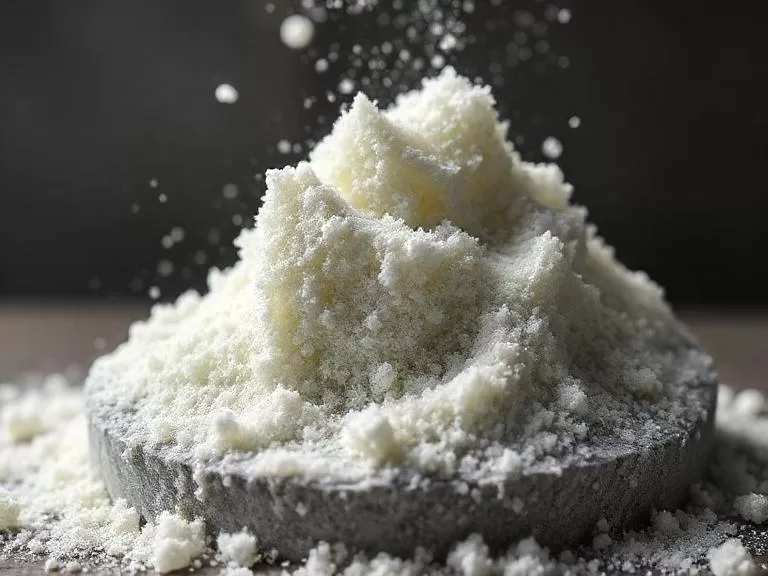
Filler masterbatch is a plastic additive composed mainly of calcium carbonate (CaCO₃) or talc, blended with polymers and dispersing agents. It is widely used to reduce manufacturing costs while improving the physical and mechanical properties of plastic products.
Because of its versatility and compatibility, filler masterbatch is used in film production, injection molding, extrusion processes, thermoforming, and woven/raffia applications.
Top 5 Filler Masterbatch Uses
The following are the most important and widely adopted filler masterbatch uses across global manufacturing.
1. Cost Reduction in Film and Bag Production
One of the primary filler masterbatch uses is lowering raw material costs without compromising quality. Plastic films—such as grocery bags, garbage bags, agricultural films, and packaging rolls—benefit significantly from CaCO₃ fillers that reduce overall polymer consumption.
Key benefits:
- Reduces virgin polymer usage (PE, PP)
- Optimizes extrusion output
- Improves film stiffness and opacity
- Maintains mechanical strength when formulated properly
This makes filler masterbatch an attractive solution for high-volume, cost-sensitive production environments.
2. Improved Rigidity and Durability for Injection-Molded Products
Another essential application among the major filler masterbatch uses is improving stiffness and shape stability for injection-molded parts such as household items, industrial crates, automotive interior parts, and consumer goods.
Benefits in injection molding:
- Enhances rigidity and impact resistance
- Improves dimensional stability
- Reduces shrinkage and deformation
- Improves heat resistance in finished parts
Manufacturers producing buckets, furniture components, appliance bodies, and storage containers often rely on filler masterbatch to optimize both performance and cost.
3. Enhanced Transparency Control and Surface Finish
Filler masterbatch can be used to achieve specific aesthetic or functional surface effects. Although it typically adds opacity, the right formulation helps manufacturers control:
- Surface texture
- Gloss level
- Matte finish
- Printability
This is one of the most valuable filler masterbatch uses for film converters, label manufacturers, and packaging producers who need customized surface behavior.
4. Increased Heat Resistance and Processing Stability
During extrusion and molding, thermal stability is critical. Filler masterbatch acts as a heat conductor and stabilizer, reducing decomposition effects and enhancing processing smoothness.
Typical advantages include:
- Lower melt pressure during extrusion
- Reduced die build-up
- Improved cooling efficiency
- Smoother flow during compounding
These features make it invaluable in high-speed production lines.
5. Strengthening Woven Bags, Raffia, and Fibers
The final key application in major filler masterbatch uses is reinforcing woven and non-woven products. The agricultural and industrial packaging sectors widely use CaCO₃ filler in raffia tapes and PP woven bags.
Main benefits:
- Increases tensile strength of woven tapes
- Reduces breakage during stretching
- Improves weaving efficiency
- Enhances printability on finished sacks
Applications include rice bags, fertilizer bags, cement sacks, and geotextile fabrics.
Summary Table: Key Filler Masterbatch Uses
| Application | Benefits |
|---|---|
| Film & Bag Production | Cost reduction, stiffness, opacity, high output |
| Injection Molding | Rigidity, heat resistance, improved stability |
| Surface Customization | Gloss/matte control, printability |
| Processing Stability | Lower melt pressure, better cooling |
| Raffia & Woven Bags | Strength, durability, reduced breakage |
Company & Product Spotlight: Charming Masterbatch
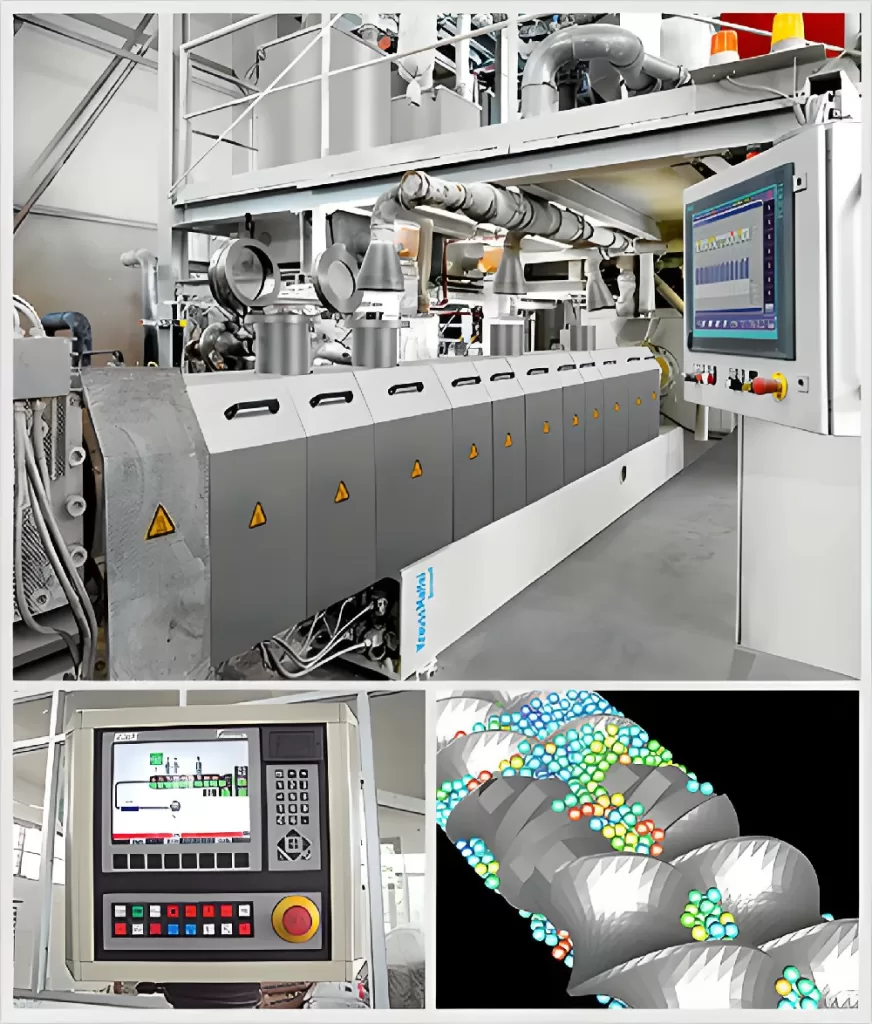
Charming is a global leader in innovative masterbatch production, known for high-precision color solutions and advanced functional formulations. With decades of experience and German twin-screw extrusion equipment, the company delivers exceptional quality and consistency.
Why Manufacturers Choose Charming
- Advanced twin-screw machines from Germany
- Expert pigment dispersion technology
- Exports to more than 18 countries
- Strong technical support and custom R&D collaboration
- Stable, high-quality performance in demanding applications
Featured Products
- Color Masterbatch
- Fiber / Filament / BCF / Nonwoven Masterbatch
- Film & Plastic Masterbatch
- Functional Masterbatch: Antimicrobial Antistatic Flame Retardant UV Stabilizer
Charming provides not only materials but also complete application support, ensuring smooth production and customized solutions for each client’s technical requirements.
Frequently Asked Questions
1. What is the main purpose of filler masterbatch?
Its primary purpose is to reduce production costs and enhance mechanical performance in films, injection-molded parts, and woven products.
2. Can filler masterbatch affect product quality?
When formulated properly, filler masterbatch maintains or even improves stiffness, durability, and processing stability. Poor-quality formulas, however, may reduce strength.
3. What industries benefit most from filler masterbatch?
Packaging, agriculture, textiles, consumer goods, construction plastics, and industrial manufacturing.
4. Does filler masterbatch reduce transparency?
Yes, it typically increases opacity—though specialized formulas can help control surface finish and translucency.
5. How much filler masterbatch can be added?
Typical loading levels range between 5% and 40%, depending on the product and mechanical requirements.