
Table of Contents
- Introduction to Masterbatch and Its Importance
- Master Batch Price Overview 2025
- Key Factors Influencing Master Batch Price
- Different Types of Masterbatch
- Master Batch Price Summary Table 2025
- Company Spotlight: Charming Masterbatch
- FAQs about Master Batch Price
- References
Introduction to Masterbatch and Its Importance
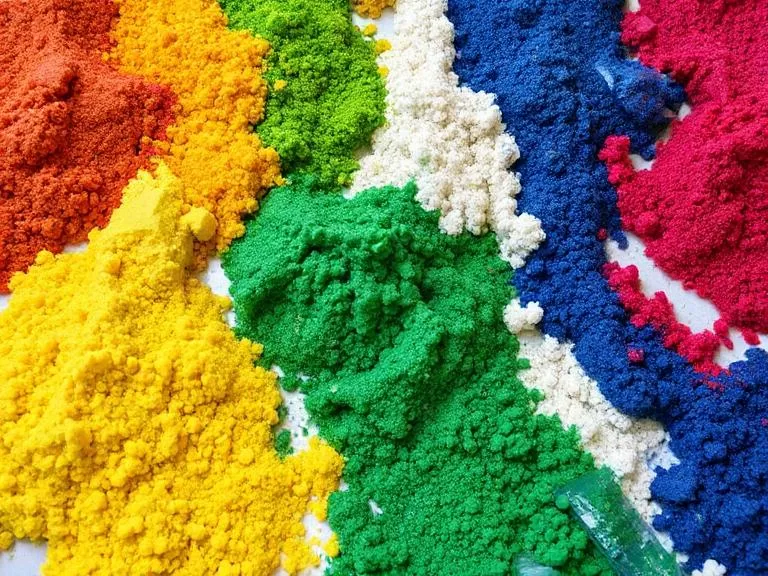
The Master Batch price is one of the most significant indicators in the plastics and polymer industry. A Masterbatch is a concentrated mixture of pigments, additives, or fillers encapsulated during a heat process into a carrier resin. It plays a crucial role in coloring and enhancing the functionality of plastic products.
In 2025, demand for high-quality and specialized Masterbatch continues to grow due to advancements in packaging, construction, textiles, and automotive applications. Understanding the Master Batch price trend is essential for manufacturers and buyers aiming to maintain cost efficiency and product quality.
Master Batch Price Overview 2025
The global Master Batch price in 2025 shows a steady increase due to raw material costs, energy prices, and demand from packaging and fiber industries. On average, color Masterbatch prices range from $1,800 to $2,500 per ton, while functional Masterbatch such as UV stabilizer, flame retardant, and antimicrobial types range from $2,800 to $4,200 per ton.
Industry experts predict that the Master Batch price will maintain a 3%–6% annual growth rate in 2025 due to rising demand for high-performance polymers and environmental regulations promoting recyclable plastics.
Regional Price Trends
- Asia-Pacific: $1,700 – $2,200 per ton (largest producer, cost-efficient manufacturing)
- Europe: $2,400 – $3,500 per ton (premium additives and color consistency)
- North America: $2,000 – $3,000 per ton (balanced quality and sustainability standards)
Key Factors Influencing Master Batch Price
1. Raw Material Costs
The price of polyethylene (PE), polypropylene (PP), and pigments directly impacts Master Batch price. Any volatility in crude oil or resin markets can lead to quick price fluctuations.
2. Technological Advancements
Modern twin-screw extruder technology and precision dispersion techniques help optimize pigment distribution, reducing waste and improving consistency — but such technology adds to the initial cost of Masterbatch production.
3. Environmental and Regulatory Factors
Strict regulations regarding plastic additives and eco-friendly colorants influence Master Batch price. Manufacturers focusing on non-toxic, recyclable formulations invest heavily in R&D, affecting overall pricing.
4. Customization and Functional Additives
Customized colors, flame retardants, UV stabilizers, and antimicrobial additives require unique formulations, leading to higher Master Batch prices compared to standard color batches.
5. Energy and Labor Costs
Energy-intensive extrusion and drying processes contribute significantly to production costs. Regions with lower energy costs like China and India can maintain competitive Master Batch prices.
Different Types of Masterbatch
Masterbatch is classified based on function and material compatibility. Each type impacts Master Batch price differently depending on its application and composition.
1. Color Masterbatch
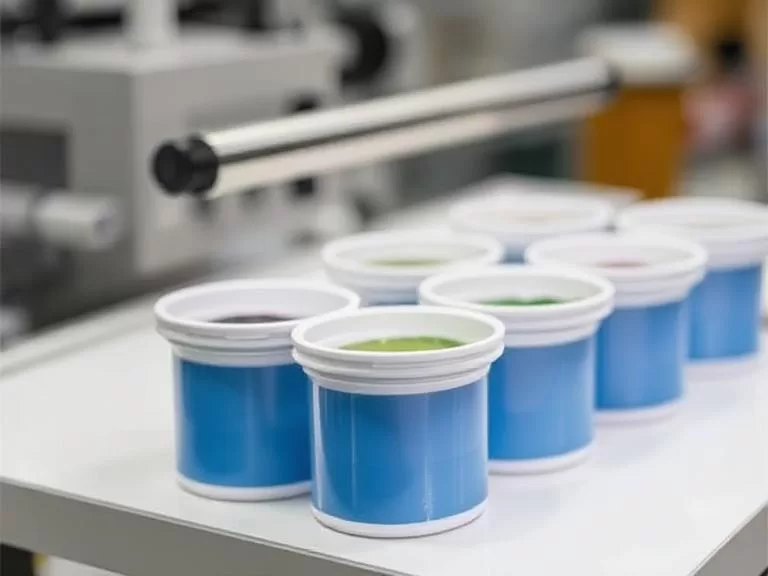
Used to impart consistent color to plastic products. The Master Batch price for color batches depends on pigment type, opacity, and base resin.
2. White and Black Masterbatch
Essential for films, fibers, and injection molding. Titanium dioxide (TiO₂) and carbon black concentration levels influence cost per ton.
3. Functional Masterbatch

Includes UV stabilizer, antimicrobial, antistatic, and flame retardant types. These add high-value performance, leading to higher Master Batch prices.
4. Additive Masterbatch
Improves processability, surface finish, or mechanical strength. Prices vary depending on formulation complexity.
5. Bio-based and Recycled Masterbatch
Growing sustainability demand has led to bio-resin and recycled polymer blends. These eco-friendly alternatives have a slightly higher Master Batch price due to innovative materials and limited production capacity.
Master Batch Price Summary Table 2025
| Type | Application | Average Price (USD/Ton) | Market Trend 2025 |
|---|---|---|---|
| Color Masterbatch | Packaging, Films, Fibers | $1,800 – $2,500 | Stable Growth |
| Functional Masterbatch | Electronics, Construction | $2,800 – $4,200 | Increasing |
| White/Black Masterbatch | Automotive, Molding | $1,500 – $2,200 | Moderate Growth |
| Bio-based Masterbatch | Eco-friendly Packaging | $3,000 – $4,500 | Strong Upward Trend |
Company Spotlight: Charming Masterbatch
About Charming Masterbatch
Charming Masterbatch is a trusted Master Batch manufacturer known for its innovation and superior quality. With advanced twin-screw machines from Germany and decades of experience in pigment dispersion, Charming delivers both color Masterbatch and functional Masterbatch that meet global standards.
Core Products
- Color Masterbatch for Fiber / Filament / Nonwoven
- Functional Masterbatch: Antimicrobial, Antistatic, Flame Retardant, UV Stabilizer
- Film and Plastic Masterbatch for Packaging & Injection Molding
Charming Masterbatch exports to over 18 countries including Europe, South America, and the Middle East, providing not only superior materials but also complete technical support and customized development cooperation.
FAQs about Master Batch Price
1. What affects Master Batch price the most?
Raw material costs, pigment quality, and functional additives are the main cost drivers in Master Batch price calculation.
2. How can I reduce Master Batch costs?
Buying in bulk, selecting local suppliers, and optimizing color formulations can lower the Master Batch price for large-scale production.
3. What is the difference between Color and Functional Masterbatch?
Color Masterbatch focuses on visual aesthetics, while Functional Masterbatch adds performance features like UV resistance or flame retardancy.
4. Are eco-friendly Masterbatch options more expensive?
Yes, biodegradable or recycled Masterbatch variants usually have a 10–20% higher Master Batch price due to specialized materials.