
In the vast landscape of polymer manufacturing, achieving vibrant, consistent, and enduring aesthetics is a fundamental challenge. Whether you are extruding agricultural films, spinning synthetic fibers, or injection molding consumer goods, you must know how to permanently color plastic to ensure your final product meets stringent quality standards. Surface painting and topical dyes often fail under environmental stress, leading to peeling, fading, and product degradation. To truly permanently color plastic, manufacturers must integrate the colorant directly into the polymer matrix during the melt phase.
At Charming Masterbatch, we specialize in this exact science. With advanced twin screw machines from Germany and decades of experience in Masterbatch processing and pigment dispersion technology, Charming provides stable high quality color Masterbatch and creative functional Masterbatch solutions for our customers. When clients ask us how to permanently color plastic without compromising the mechanical integrity of their base resin, we leverage our deep industry knowledge to guide them. In this comprehensive technical article, we will detail the 4 primary methods to permanently color plastic, evaluating their efficiency, cost-effectiveness, and suitability for various industrial applications.
Table of Contents
- 1. Understanding the Science of Permanent Coloration
- 2. Method 1: Solid Color Masterbatch (The Industry Standard)
- 3. Method 2: Liquid Colorants
- 4. Method 3: Dry Blending with Raw Pigments
- 5. Method 4: Pre-Colored Resins (Compounding)
- 6. Enhancing Longevity: Functional Additives
- 7. The Charming Masterbatch Advantage
- 8. Summary Table: Comparison of Coloring Methods
- 9. Frequently Asked Questions (FAQs)
- 10. References
1. Understanding the Science of Permanent Coloration
Before exploring the specific manufacturing techniques, it is crucial to understand what it means to permanently color plastic. Plastics are composed of long polymer chains. When you attempt to permanently color plastic, the goal is to distribute pigment particles or organic dyes uniformly throughout these chains while the plastic is in a molten state. Once the plastic cools and solidifies, the colorant is locked inside the molecular structure.
If the dispersion is poor, the pigment will agglomerate (clump together), causing weak spots in the plastic, streaking, and color inconsistency. To permanently color plastic successfully, the coloring agent must possess excellent thermal stability to survive the high heat of extruders and injection molding machines, as well as excellent light fastness to resist UV degradation. From our experience, achieving this balance requires precision engineering and high-quality carrier resins.
2. Method 1: Solid Color Masterbatch (The Industry Standard)
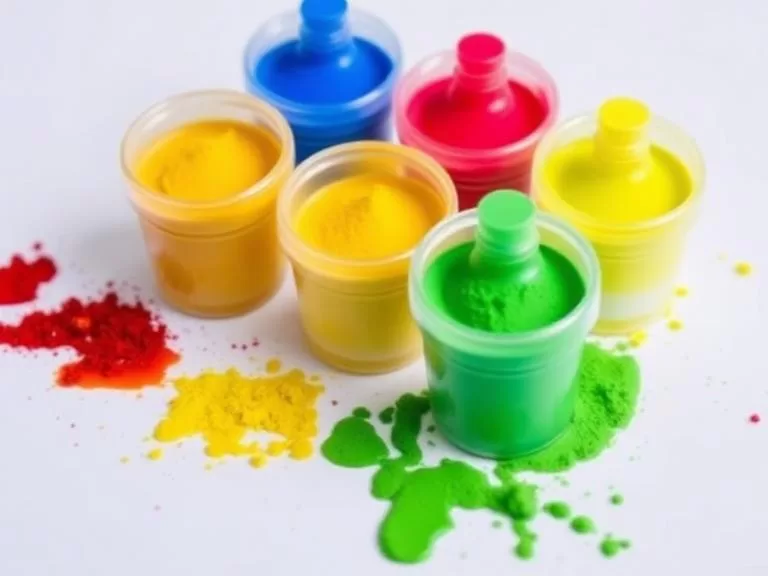
When manufacturers ask us the most reliable and cost-effective way to permanently color plastic, we recommend solid color masterbatch without hesitation. A masterbatch is a concentrated mixture of pigments and additives encapsulated during a heat process into a carrier resin, which is then cooled and cut into a granular shape.
Because the pigment is already perfectly dispersed and bound within a carrier resin that is highly compatible with the manufacturer’s base polymer, masterbatch is exceptionally easy to handle. To permanently color plastic using this method, the manufacturer simply mixes a small percentage of the masterbatch pellets (typically 1% to 5%) with their natural, uncolored polymer pellets before feeding them into the hopper of their processing machine.
At Charming Masterbatch, our Color Masterbatch products are engineered utilizing advanced twin screw machines from Germany. This ensures that the shear force applied during our manufacturing process breaks down pigment agglomerates to a microscopic level. Whether you are producing items in the Fiber / Filament / BCF / Nowoven category or the Film / Plastic category, our masterbatch guarantees brilliant, uniform dispersion. To permanently color plastic with maximum efficiency, zero dust contamination, and supreme lot-to-lot consistency, solid masterbatch remains the undisputed champion of the plastics industry.
3. Method 2: Liquid Colorants
Another approach to permanently color plastic is the use of liquid colorants. In this method, pigments or dyes are dispersed in a liquid carrier system (such as mineral oils or synthetic surfactants). The liquid color is injected directly into the throat of the molding machine or extruder using a highly precise dosing pump.
Liquid colorants can achieve excellent dispersion, especially in translucent or transparent plastics like PET, and they require lower heat histories. However, from our experience, many manufacturers struggle with liquid systems. The dosing equipment requires meticulous calibration and frequent maintenance. Furthermore, cleaning up a liquid color spill is notoriously difficult and time-consuming, leading to extended machine downtime during color changeovers. While it is a valid way to permanently color plastic, it demands a highly controlled manufacturing environment that many standard facilities find restrictive.
4. Method 3: Dry Blending with Raw Pigments
Dry blending involves taking raw, powdered pigments and mixing them physically with raw polymer pellets in a hopper or tumble blender. The friction and heat of the processing machine (extruder or injection molder) are then relied upon to disperse the pigment into the melt to permanently color plastic.
This is historically one of the oldest and cheapest ways to permanently color plastic, as it eliminates the cost of a carrier resin or compounding step. However, we strongly advise against this method for modern, high-quality production. Raw pigments are incredibly dusty. They contaminate the manufacturing environment, pose respiratory hazards to workers, and adhere to the walls of hoppers, making color changes a nightmare. Moreover, because standard extruders lack the intense shear force required for optimal pigment dispersion, dry blending often results in specking, streaking, and compromised mechanical strength in the final product. It is an outdated method to permanently color plastic for most critical applications.
5. Method 4: Pre-Colored Resins (Compounding)
Pre-colored resin, also known as compounded color, is a method where the raw polymer and the colorant are completely mixed by a specialized compounder before arriving at the manufacturer’s facility. Every single pellet in the bag is already the exact color required. The manufacturer simply melts these pellets to permanently color plastic products without needing any on-site mixing or dosing equipment.
While this method provides 100% guarantee of color consistency and zero chance of dispersion issues, it is the most expensive way to permanently color plastic. Compounders usually require massive Minimum Order Quantities (MOQs), making it unfeasible for custom runs or smaller projects. Additionally, storing pre-colored resin ties up warehouse space and capital, as the resin cannot be used for any other color. We recommend pre-colored resins only for manufacturers producing a single, unvarying color in massive, continuous volumes.
6. Enhancing Longevity: Functional Additives
When you permanently color plastic, color fading over time due to environmental exposure is a major concern. To truly permanently color plastic for outdoor or high-stress applications, the colorant must be protected. This is where Functional Masterbatch comes into play.
Charming Masterbatch provides complete technical support service and individual development cooperation to integrate critical protections into the plastic matrix. We recommend incorporating our UV stabilizer masterbatches, which absorb or reflect harmful ultraviolet rays, preventing the polymer bonds from breaking down and the color from fading. Additionally, depending on the application, we supply Antimicrobial, Antistatic, and Flame Retardant functional masterbatches. By combining Color Masterbatch with these functional additives, we help our customers solve practical problems and develop new projects with creative solutions, ensuring the plastic remains permanently colored and structurally sound for its entire lifecycle.
7. The Charming Masterbatch Advantage
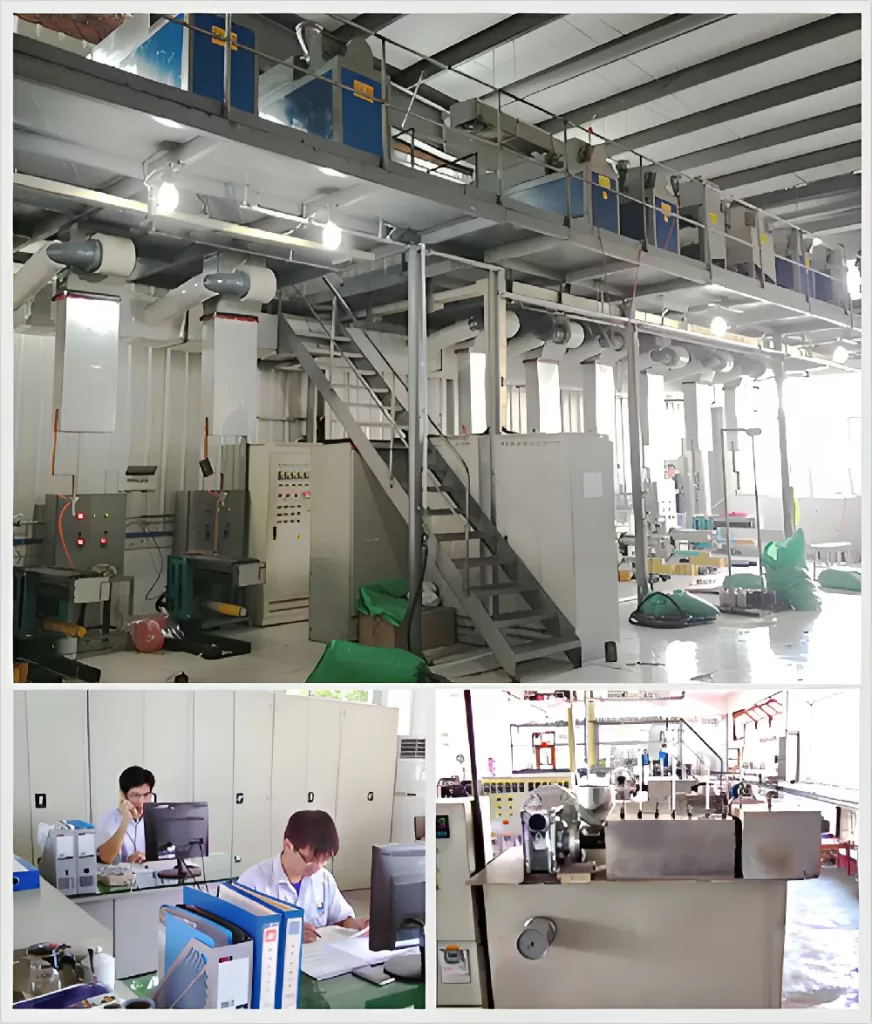
Knowing how to permanently color plastic is only half the battle; partnering with the right supplier guarantees success. Charming Masterbatch is well known in the China market, and exports to Europe, South America, Southeast Asia, Middle East, North Africa etc., reaching about 18 countries and markets worldwide.
Not only products, but Charming provides complete technical support service. We are so proud that we can share our experience and technology with customers and grow up together. Whether your production involves complex Fiber / Filament / BCF / Nowoven extrusion or standard Film / Plastic blow molding, our decades of experience in Masterbatch processing and pigment dispersion technology ensure that when you set out to permanently color plastic, your end product achieves unparalleled vibrancy, stability, and commercial success.
8. Summary Table: Comparison of Coloring Methods
To assist production engineers in selecting the optimal method to permanently color plastic, we have compiled the following summary table comparing the four primary techniques.
| Coloring Method | Dispersion Quality | Cleanliness / Handling | Cost Efficiency | Best Application Profile |
|---|---|---|---|---|
| Solid Color Masterbatch | Excellent | Very High (No dust) | High | General molding, Film, Fiber, large & custom runs. |
| Liquid Colorants | Excellent | Low (Messy changeovers) | Medium | Transparent plastics, high-speed PET production. |
| Dry Blending (Raw Pigment) | Poor to Fair | Very Low (High dust) | High (Low material cost) | Low-end products where aesthetics are not critical. |
| Pre-Colored Resin | Perfect | Very High | Low (High upfront cost) | Massive, unvarying production runs (e.g., automotive parts). |
9. Frequently Asked Questions (FAQs)
Can you permanently color plastic after it has already been molded?
No. While you can apply paints, topical dyes, or coatings to a finished plastic part, these surface treatments are not permanent. They will scratch, peel, or wear away over time. To truly permanently color plastic, the colorant must be melted into the polymer matrix during the initial manufacturing process (extrusion or molding).
Why is Masterbatch preferred over dry pigments to permanently color plastic?
From our experience, dry pigments are incredibly dusty, creating workplace hazards and cross-contamination risks. They also agglomerate, leading to streaks in the final product. Masterbatch encapsulates the pigment in a carrier resin using advanced twin screw machines, ensuring a dust-free environment and perfect, uniform dispersion to permanently color plastic flawlessly.
How does a UV stabilizer help permanently color plastic?
Sunlight breaks down both polymer chains and organic pigments, causing fading and chalking. By incorporating a UV stabilizer Functional Masterbatch, you protect the molecular integrity of the plastic and the chemical structure of the pigment, ensuring the material remains permanently colored even in harsh outdoor environments.
Does Charming Masterbatch provide custom color matching?
Yes. We provide individual development cooperation to help our customers solve practical problems. If you have a specific Pantone or RAL color requirement to permanently color plastic, our laboratory can custom-formulate a stable high quality color Masterbatch to meet your exact specifications.
10. References
To further explore the polymer sciences and industrial standards required to permanently color plastic efficiently, we recommend reviewing the following authoritative resources:
- Plastics Industry Association – Technical Guidelines on Polymer Compounding and Coloration
- Society of Plastics Engineers (SPE) – Research on Pigment Dispersion and Twin Screw Extrusion
- Charming Masterbatch Internal R&D Division – Whitepaper on Advanced Masterbatch Processing and Pigment Dispersion Technology (2026).