
1. Introduction to White Masterbatch Technology
In the global plastics industry, the use of colorants and functional additives has become a cornerstone of manufacturing efficiency. Among the various color concentrates available, white masterbatch is the most widely utilized. It consists of high concentrations of Titanium Dioxide (TiO2) dispersed within a carrier resin, such as Polyethylene (PE) or Polypropylene (PP). The primary purpose of white masterbatch is to provide opacity, brightness, and whiteness to plastic products, ranging from thin films to thick-walled industrial components.
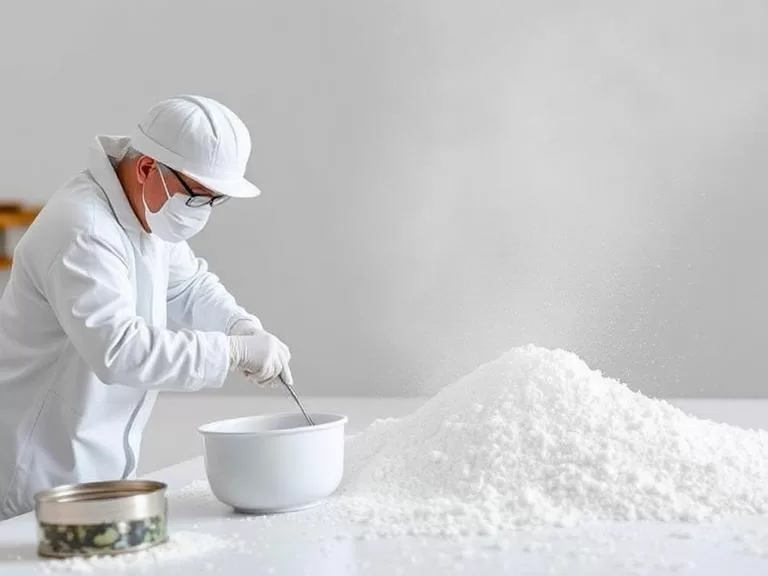
Table of Contents
- 1. Introduction to White Masterbatch Technology
- 2. Key Benefits of Using White Masterbatches
- 3. Charming Masterbatch: Innovation and Global Excellence
- 4. Diverse Applications of White Masterbatches
- 5. Packaging Industry: The Primary Driver
- 6. Agricultural Applications and Mulch Films
- 7. Construction and Consumer Goods
- 8. Functional Integration: More than Just Color
- 9. Technical Support and Product Solutions
- 10. Summary Performance Table
- 11. Frequently Asked Questions
- 12. References and Industry Standards
The science behind white masterbatch involves complex light scattering. Titanium Dioxide, specifically the rutile form, has a high refractive index which allows it to scatter light effectively. This results in the brilliant white appearance and high opacity necessary for modern plastic processing. As manufacturers look for ways to enhance product aesthetics and performance, the Applications of White Masterbatches have expanded into specialized fields including medical hygiene, food packaging, and high-tech automotive components.
2. Key Benefits of Using White Masterbatches
Utilizing a high-quality white masterbatch offers numerous technical and economic advantages for plastic converters. First and foremost is the achievement of excellent opacity. Even at low dosage rates, a premium masterbatch can completely hide the color of the base resin, which is critical when using recycled materials or off-grade polymers.
Thermal stability is another significant benefit. Since plastic processing often involves high temperatures (up to 300°C), the pigments must remain stable without degrading or causing the polymer to break down. White masterbatches are engineered to withstand these thermal cycles, ensuring that the final product maintains its physical integrity and color consistency. Furthermore, TiO2 provides a natural barrier against Ultraviolet (UV) radiation, protecting the polymer matrix from photo-degradation and extending the outdoor lifespan of products like agricultural films and garden furniture.
Cost-efficiency is realized through the optimized dispersion of pigments. Because the pigment is already pre-dispersed in a carrier resin, the processing time is reduced, and there is less wear and tear on machinery compared to using raw powder pigments. This leads to higher throughput and lower maintenance costs for the manufacturer.
3. Charming Masterbatch: Innovation and Global Excellence
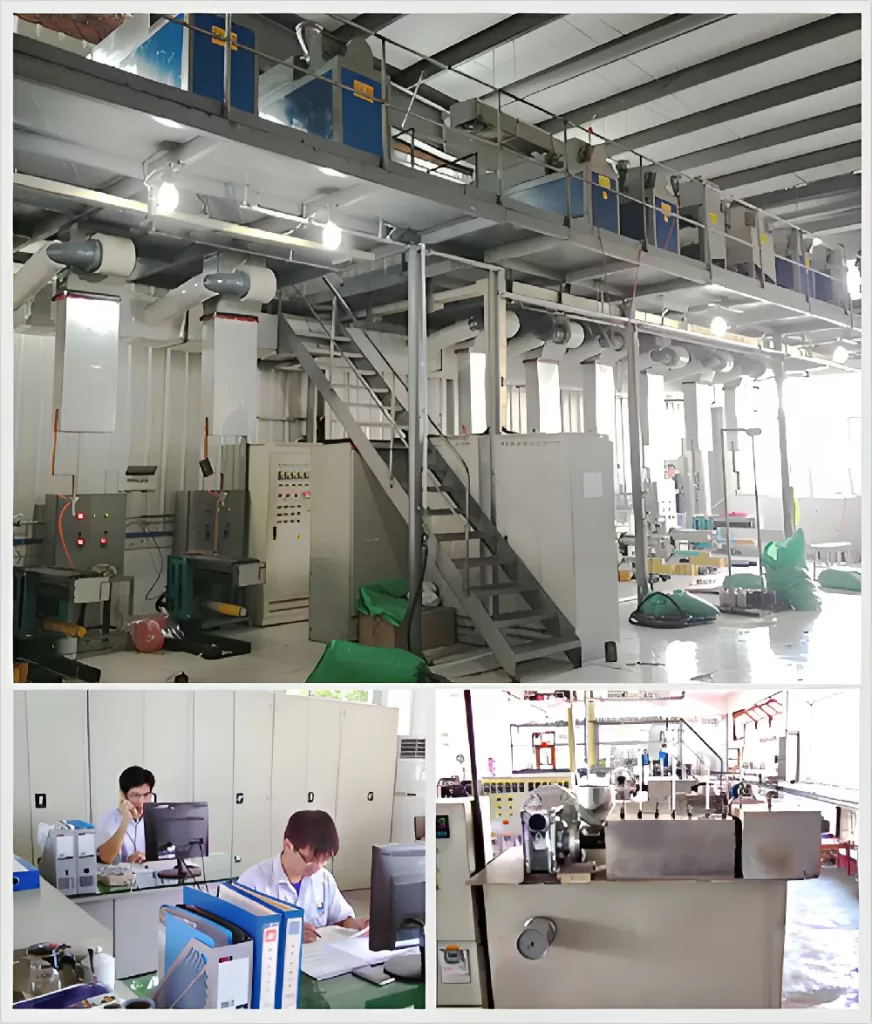
Charming Masterbatch is a leader in the field of polymer colorants. With advanced twin screw machines from Germany and decades of experience in Masterbatch processing and pigment dispersion technology, Charming provides stable high quality color Masterbatch and creative functional Masterbatch solutions for our customers.
Charming Masterbatch is well known in China market, and exports to Europe, South America, Southeast Asia, Middle East, North Africa etc about 18 countries and markets worldwide. Not only products, Charming provides complete technical support service and individual development cooperation, which can help our customers solve practical problems and develop new projects with creative solutions. We are so proud that we can share our experience and technology with customers and grow up together.
4. Diverse Applications of White Masterbatches
The sheer versatility of this material means that the Applications of White Masterbatches can be found in almost every sector of modern life. From the moment you wake up and use a plastic toothbrush to the protective films on the food you eat, white masterbatch is at work. It is not just about the color white; it is about the functional properties that TiO2 brings to the polymer.
In the following sections, we will explore how specific industries leverage these properties to create safer, more durable, and more attractive products. Whether it is through injection molding, blow molding, or extrusion, the Applications of White Masterbatches are integral to the success of the plastic transformation process.
5. Packaging Industry: The Primary Driver
The packaging sector accounts for the largest share of the Applications of White Masterbatches. Within this industry, we see a massive demand for high-opacity films. Milk pouches, for example, require a specialized white masterbatch that not only provides a clean, hygienic look but also prevents light from penetrating the package. Light exposure can lead to the oxidation of fats and proteins in dairy products, causing spoilage. By using white masterbatch with high TiO2 content, manufacturers can extend the shelf life of perishable goods.
Lamination films and stand-up pouches also rely heavily on these concentrates. A consistent white background is essential for high-quality printing. Without the opacity provided by the white masterbatch, the brand graphics and nutritional information would appear dull and translucent. In the pharmaceutical sector, the Applications of White Masterbatches extend to pill bottles and blister packs, where light protection is a regulatory requirement to maintain medicine potency.
6. Agricultural Applications and Mulch Films
Agriculture is a high-growth area for the Applications of White Masterbatches. Modern farming techniques utilize plastic mulch films to control soil temperature and moisture. White mulch films are particularly useful in hot climates. By reflecting sunlight, the white film keeps the soil cooler, protecting delicate root systems from overheating.
Greenhouse covers also utilize white masterbatches to create diffused light. Direct sunlight can scorch plants, but a white-tinted greenhouse cover scatters the light, ensuring it reaches all parts of the plant evenly. This leads to higher crop yields and better fruit quality. Because these films are exposed to intense sunlight for months at a time, they are often combined with UV stabilizers, a specialty offered by Charming Masterbatch to ensure the film does not become brittle and crack prematurely.
7. Construction and Consumer Goods
In the construction industry, the Applications of White Masterbatches are found in PVC window profiles, siding, and drainage pipes. Here, the focus is on long-term weatherability. The TiO2 acts as a shield, absorbing harmful UV rays that would otherwise cause the plastic to yellow and lose its mechanical strength.
Consumer goods, including household appliances and electronics, also require high-quality white finishes. Think of the sleek white casing of a modern refrigerator or a microwave. These require a high-gloss, scratch-resistant white masterbatch that remains color-stable over many years of use. For electronic components, the masterbatch is often paired with Flame Retardant additives to meet safety standards, another area where Charming’s functional solutions prove invaluable.
8. Functional Integration: More than Just Color
One of the most exciting developments in the Applications of White Masterbatches is the integration of functional additives into the white concentrate. This “multi-functional” approach allows manufacturers to solve several problems with a single additive. For example, in the medical field, white masterbatches are now frequently combined with Antimicrobial agents. This is vital for hospital equipment and personal hygiene products, where reducing the bacterial load on plastic surfaces can save lives.
Antistatic properties are also commonly added to white masterbatches used in packaging for sensitive electronic components. By preventing the buildup of static electricity, the plastic packaging protects microchips and circuit boards from electrostatic discharge (ESD) damage. Similarly, for outdoor stadium seating or industrial piping, UV stabilizers are added to the white masterbatch to ensure the product survives harsh environmental conditions.
9. Technical Support and Product Solutions
Choosing the right masterbatch is not always a straightforward process. Factors such as the base resin, the processing method (e.g., thin film vs. heavy molding), and the final application’s environment all play a role. This is where Charming Masterbatch excels. Our team provides complete technical support service to help customers select the optimal TiO2 concentration and carrier resin.
For instance, in the production of Fiber / Filament / BCF / Nonwoven materials, the pigment dispersion must be extremely fine to prevent clogging the spinnerets. Using advanced German twin-screw technology, Charming ensures a level of dispersion that supports high-speed fiber production without interruptions. We believe in growing together with our customers by sharing our experience and technology to develop creative solutions for new and challenging projects.
10. Summary Performance Table
| Industry Segment | Primary Applications of White Masterbatches | Key Benefit Required | Common Base Resin |
|---|---|---|---|
| Packaging | Milk bags, Food pouches, Bottles | High Opacity & Light Barrier | LDPE, LLDPE, HDPE |
| Agriculture | Mulch films, Greenhouse covers | Sunlight Reflection & UV Protection | LDPE, LLDPE |
| Textiles | Nonwoven fabrics, Synthetic fibers | Fine Dispersion & Brightness | PP, Polyester |
| Construction | PVC Profiles, Drainage pipes | Weatherability & Impact Strength | PVC, HDPE |
| Medical | Hygienic disposables, Syringes | Purity & Antimicrobial properties | PP, PS |
| Electronics | Appliance housings, Connectors | Surface Finish & Flame Retardancy | ABS, PC, HIPS |
11. Frequently Asked Questions
What is the typical addition rate for white masterbatch?
Depending on the required opacity and the thickness of the final product, addition rates typically range from 1% to 10%. For thin films, a higher concentration of TiO2 (up to 75% in the masterbatch) is often used at a lower addition rate to achieve maximum opacity.
Does white masterbatch affect the recyclability of plastic?
Generally, white masterbatch is compatible with recycling processes. In fact, high-quality white masterbatch can help upgrade the appearance of recycled resins, making them suitable for higher-value applications by masking impurities and color variations.
How does TiO2 type affect the performance?
There are two main types: Anatase and Rutile. Rutile TiO2 is preferred for most industrial applications because it has a higher refractive index and better weather resistance. Anatase is sometimes used in specific textile or paper-like applications where a softer white or less abrasive pigment is needed.
Can Charming Masterbatch provide customized solutions?
Yes, we specialize in individual development cooperation. We can formulate white masterbatches that include specific functional additives like UV stabilizers, antistatic agents, or antimicrobial properties tailored to your specific project requirements.
12. References and Industry Standards
The production and use of white masterbatch are governed by several international standards to ensure safety and performance. Key references include:
- ASTM D4214: Standard Test Methods for Evaluating the Degree of Chalking of Exterior Paint Films (relevant for weatherable white plastics).
- FDA 21 CFR 178.3297: Regulations for colorants used in food contact polymers.
- ISO 9001: Quality management systems ensuring consistency in masterbatch manufacturing.
- Reach/RoHS Compliance: Ensuring that masterbatches are free from hazardous substances for global export.
In conclusion, the Benefits & Applications of White Masterbatches are fundamental to the modern plastics industry. From providing the critical light barrier in food packaging to ensuring the longevity of construction materials, white masterbatch is a silent yet powerful player in material science. By partnering with experienced suppliers like Charming Masterbatch, manufacturers can leverage German engineering and decades of dispersion expertise to achieve superior product quality and operational efficiency.
Table of Contents
- 1. Introduction to White Masterbatch Technology
- 2. Key Benefits of Using White Masterbatches
- 3. Charming Masterbatch: Innovation and Global Excellence
- 4. Diverse Applications of White Masterbatches
- 5. Packaging Industry: The Primary Driver
- 6. Agricultural Applications and Mulch Films
- 7. Construction and Consumer Goods
- 8. Functional Integration: More than Just Color
- 9. Technical Support and Product Solutions
- 10. Summary Performance Table
- 11. Frequently Asked Questions
- 12. References and Industry Standards
The science behind white masterbatch involves complex light scattering. Titanium Dioxide, specifically the rutile form, has a high refractive index which allows it to scatter light effectively. This results in the brilliant white appearance and high opacity necessary for modern plastic processing. As manufacturers look for ways to enhance product aesthetics and performance, the Applications of White Masterbatches have expanded into specialized fields including medical hygiene, food packaging, and high-tech automotive components.
2. Key Benefits of Using White Masterbatches
Utilizing a high-quality white masterbatch offers numerous technical and economic advantages for plastic converters. First and foremost is the achievement of excellent opacity. Even at low dosage rates, a premium masterbatch can completely hide the color of the base resin, which is critical when using recycled materials or off-grade polymers.
Thermal stability is another significant benefit. Since plastic processing often involves high temperatures (up to 300°C), the pigments must remain stable without degrading or causing the polymer to break down. White masterbatches are engineered to withstand these thermal cycles, ensuring that the final product maintains its physical integrity and color consistency. Furthermore, TiO2 provides a natural barrier against Ultraviolet (UV) radiation, protecting the polymer matrix from photo-degradation and extending the outdoor lifespan of products like agricultural films and garden furniture.
Cost-efficiency is realized through the optimized dispersion of pigments. Because the pigment is already pre-dispersed in a carrier resin, the processing time is reduced, and there is less wear and tear on machinery compared to using raw powder pigments. This leads to higher throughput and lower maintenance costs for the manufacturer.
3. Charming Masterbatch: Innovation and Global Excellence
Charming Masterbatch is a leader in the field of polymer colorants. With advanced twin screw machines from Germany and decades of experience in Masterbatch processing and pigment dispersion technology, Charming provides stable high quality color Masterbatch and creative functional Masterbatch solutions for our customers.
Charming Masterbatch is well known in China market, and exports to Europe, South America, Southeast Asia, Middle East, North Africa etc about 18 countries and markets worldwide. Not only products, Charming provides complete technical support service and individual development cooperation, which can help our customers solve practical problems and develop new projects with creative solutions. We are so proud that we can share our experience and technology with customers and grow up together.
4. Diverse Applications of White Masterbatches
The sheer versatility of this material means that the Applications of White Masterbatches can be found in almost every sector of modern life. From the moment you wake up and use a plastic toothbrush to the protective films on the food you eat, white masterbatch is at work. It is not just about the color white; it is about the functional properties that TiO2 brings to the polymer.
In the following sections, we will explore how specific industries leverage these properties to create safer, more durable, and more attractive products. Whether it is through injection molding, blow molding, or extrusion, the Applications of White Masterbatches are integral to the success of the plastic transformation process.
5. Packaging Industry: The Primary Driver
The packaging sector accounts for the largest share of the Applications of White Masterbatches. Within this industry, we see a massive demand for high-opacity films. Milk pouches, for example, require a specialized white masterbatch that not only provides a clean, hygienic look but also prevents light from penetrating the package. Light exposure can lead to the oxidation of fats and proteins in dairy products, causing spoilage. By using white masterbatch with high TiO2 content, manufacturers can extend the shelf life of perishable goods.
Lamination films and stand-up pouches also rely heavily on these concentrates. A consistent white background is essential for high-quality printing. Without the opacity provided by the white masterbatch, the brand graphics and nutritional information would appear dull and translucent. In the pharmaceutical sector, the Applications of White Masterbatches extend to pill bottles and blister packs, where light protection is a regulatory requirement to maintain medicine potency.
6. Agricultural Applications and Mulch Films
Agriculture is a high-growth area for the Applications of White Masterbatches. Modern farming techniques utilize plastic mulch films to control soil temperature and moisture. White mulch films are particularly useful in hot climates. By reflecting sunlight, the white film keeps the soil cooler, protecting delicate root systems from overheating.
Greenhouse covers also utilize white masterbatches to create diffused light. Direct sunlight can scorch plants, but a white-tinted greenhouse cover scatters the light, ensuring it reaches all parts of the plant evenly. This leads to higher crop yields and better fruit quality. Because these films are exposed to intense sunlight for months at a time, they are often combined with UV stabilizers, a specialty offered by Charming Masterbatch to ensure the film does not become brittle and crack prematurely.
7. Construction and Consumer Goods
In the construction industry, the Applications of White Masterbatches are found in PVC window profiles, siding, and drainage pipes. Here, the focus is on long-term weatherability. The TiO2 acts as a shield, absorbing harmful UV rays that would otherwise cause the plastic to yellow and lose its mechanical strength.
Consumer goods, including household appliances and electronics, also require high-quality white finishes. Think of the sleek white casing of a modern refrigerator or a microwave. These require a high-gloss, scratch-resistant white masterbatch that remains color-stable over many years of use. For electronic components, the masterbatch is often paired with Flame Retardant additives to meet safety standards, another area where Charming’s functional solutions prove invaluable.
8. Functional Integration: More than Just Color
One of the most exciting developments in the Applications of White Masterbatches is the integration of functional additives into the white concentrate. This “multi-functional” approach allows manufacturers to solve several problems with a single additive. For example, in the medical field, white masterbatches are now frequently combined with Antimicrobial agents. This is vital for hospital equipment and personal hygiene products, where reducing the bacterial load on plastic surfaces can save lives.
Antistatic properties are also commonly added to white masterbatches used in packaging for sensitive electronic components. By preventing the buildup of static electricity, the plastic packaging protects microchips and circuit boards from electrostatic discharge (ESD) damage. Similarly, for outdoor stadium seating or industrial piping, UV stabilizers are added to the white masterbatch to ensure the product survives harsh environmental conditions.
9. Technical Support and Product Solutions
Choosing the right masterbatch is not always a straightforward process. Factors such as the base resin, the processing method (e.g., thin film vs. heavy molding), and the final application’s environment all play a role. This is where Charming Masterbatch excels. Our team provides complete technical support service to help customers select the optimal TiO2 concentration and carrier resin.
For instance, in the production of Fiber / Filament / BCF / Nonwoven materials, the pigment dispersion must be extremely fine to prevent clogging the spinnerets. Using advanced German twin-screw technology, Charming ensures a level of dispersion that supports high-speed fiber production without interruptions. We believe in growing together with our customers by sharing our experience and technology to develop creative solutions for new and challenging projects.
10. Summary Performance Table
| Industry Segment | Primary Applications of White Masterbatches | Key Benefit Required | Common Base Resin |
|---|---|---|---|
| Packaging | Milk bags, Food pouches, Bottles | High Opacity & Light Barrier | LDPE, LLDPE, HDPE |
| Agriculture | Mulch films, Greenhouse covers | Sunlight Reflection & UV Protection | LDPE, LLDPE |
| Textiles | Nonwoven fabrics, Synthetic fibers | Fine Dispersion & Brightness | PP, Polyester |
| Construction | PVC Profiles, Drainage pipes | Weatherability & Impact Strength | PVC, HDPE |
| Medical | Hygienic disposables, Syringes | Purity & Antimicrobial properties | PP, PS |
| Electronics | Appliance housings, Connectors | Surface Finish & Flame Retardancy | ABS, PC, HIPS |
11. Frequently Asked Questions
What is the typical addition rate for white masterbatch?
Depending on the required opacity and the thickness of the final product, addition rates typically range from 1% to 10%. For thin films, a higher concentration of TiO2 (up to 75% in the masterbatch) is often used at a lower addition rate to achieve maximum opacity.
Does white masterbatch affect the recyclability of plastic?
Generally, white masterbatch is compatible with recycling processes. In fact, high-quality white masterbatch can help upgrade the appearance of recycled resins, making them suitable for higher-value applications by masking impurities and color variations.
How does TiO2 type affect the performance?
There are two main types: Anatase and Rutile. Rutile TiO2 is preferred for most industrial applications because it has a higher refractive index and better weather resistance. Anatase is sometimes used in specific textile or paper-like applications where a softer white or less abrasive pigment is needed.
Can Charming Masterbatch provide customized solutions?
Yes, we specialize in individual development cooperation. We can formulate white masterbatches that include specific functional additives like UV stabilizers, antistatic agents, or antimicrobial properties tailored to your specific project requirements.
12. References and Industry Standards
The production and use of white masterbatch are governed by several international standards to ensure safety and performance. Key references include:
- ASTM D4214: Standard Test Methods for Evaluating the Degree of Chalking of Exterior Paint Films (relevant for weatherable white plastics).
- FDA 21 CFR 178.3297: Regulations for colorants used in food contact polymers.
- ISO 9001: Quality management systems ensuring consistency in masterbatch manufacturing.
- Reach/RoHS Compliance: Ensuring that masterbatches are free from hazardous substances for global export.
In conclusion, the Benefits & Applications of White Masterbatches are fundamental to the modern plastics industry. From providing the critical light barrier in food packaging to ensuring the longevity of construction materials, white masterbatch is a silent yet powerful player in material science. By partnering with experienced suppliers like Charming Masterbatch, manufacturers can leverage German engineering and decades of dispersion expertise to achieve superior product quality and operational efficiency.