
Table of Contents
- Understanding the Core Challenges of Recycled Plastics
- Step 1: Specialized Masterbatch Formulation and Carrier Selection
- Step 2: Incorporating High-Performance Functional Additives
- Step 3: Achieving Consistent Color in Recycled Polymers
- Step 4: Optimizing Dispersion and Processing Techniques
- Industry Partner Spotlight: Charming Masterbatch Solutions
- Recycled Masterbatch Development Summary
- Frequently Asked Questions (FAQs)
- References and Further Reading
Understanding the Core Challenges of Recycled Plastics
Recycled plastics, especially those sourced from mechanical recycling processes, introduce variables that are absent in virgin resins. These inconsistencies must be neutralized by the masterbatch formulation to ensure a high-quality final product.
Inconsistent Polymer Quality and Contamination
PCR feedstocks are never 100% pure. Contamination often includes residues from labels, adhesives, and, crucially, trace amounts of other immiscible polymers (e.g., rPP in rPE-HD, or PVC/PS in rPET). Even small percentages of contaminants can severely deteriorate mechanical properties, such as tensile impact strength and elongation at break, and lead to aesthetic defects like “fish eyes” or streaking in films. The masterbatch development process must account for this by incorporating **compatibilizers** or high-dispersion agents to bridge the differences between polymer phases.
Thermal Degradation and Odor
Recycled polymers have undergone multiple heat cycles (extrusion, molding) during their lifetime. This repeated thermal stress causes **polymer chain shortening**, leading to reduced molecular weight, lower mechanical performance, and an undesirable yellowish discoloration (yellowing). Furthermore, recycled plastics often retain volatile organic compounds (VOCs) from previous contents or washing processes, resulting in noticeable odor. The masterbatch must, therefore, include powerful stabilizers and odor absorbers.
Color Inconsistency and Pigment Interference
The base color of recycled material is often a muddy, opaque gray or a faint yellow/cream tint due to the commingling of residual pigments from the original products. This “dirty” background shade makes achieving a clean, vibrant, or specific color match exceptionally difficult. The development process needs highly concentrated, often opaque pigments with high tinting strength to effectively **mask the base color** and ensure batch-to-batch consistency—a critical factor when learning **how to develop masterbatch for recycled plastics**.
Step 1: Specialized Masterbatch Formulation and Carrier Selection
The foundation of a successful PCR masterbatch lies in choosing the correct components that are chemically sympathetic to the recycled polymer, compensating for its inherent weaknesses.
Selecting the Carrier Resin
The choice of carrier resin in the masterbatch is paramount. The general rule is to match the carrier resin to the primary recycled polymer (e.g., using a PE carrier for rPE, or a PET carrier for rPET). However, a more strategic approach involves using a **Recycled Carrier Resin** (PCR carrier) itself. This practice maximizes the total recycled content of the final product, directly supporting brand sustainability goals and the circular economy model. Universal masterbatches, designed for compatibility across multiple polymer types, can simplify inventory management and allow manufacturers to incorporate higher percentages of commingled recycled content without severe quality loss.
Moisture Management (Desiccant Masterbatch)
High moisture content is common in washed and pelletized recyclate, particularly hygroscopic polymers like rPET. Processing wet materials leads to defects like voids, porosity, film bubble breakage, and reduced tensile strength. A key step in **how to develop masterbatch for recycled plastics** is incorporating **Desiccant Masterbatch**. This specialized additive chemically reacts with and binds residual water molecules during extrusion, effectively removing moisture from the system and eliminating the need for extensive pre-drying processes, thus reducing energy costs.
Step 2: Incorporating High-Performance Functional Additives
Functional masterbatches are essential for restoring or enhancing the properties that recycled polymers typically lose during their life cycle. These additives are the true difference-makers in making PCR viable for high-performance applications.
Stabilization: Antioxidants and UV Protection
To combat thermal and oxidative degradation, the masterbatch must contain an optimized blend of **Antioxidants** and **Process Stabilizers**. These additives minimize further polymer chain breakdown during the compounding and conversion stages. For products intended for outdoor use (like furniture, decking, or automotive parts), **UV stabilizer** masterbatch is critical. UV light accelerates the degradation of the polymer, making the final product brittle. The right UV stabilizer ensures the longevity and durability of the recycled plastic, making it suitable for long-life products.
Addressing Specific Application Needs
Depending on the final product, other functional additives are required. For example:
- **Flame Retardant:** Essential for electrical, construction, or automotive applications, ensuring fire safety standards are met despite the polymer’s history.
- **Antistatic:** Reduces static charge buildup in film and packaging applications, improving handling and preventing dust attraction.
- **Antimicrobial:** Crucial for medical, food contact, or consumer goods, inhibiting the growth of bacteria and fungi, which is a major concern with post-consumer waste.
Developing masterbatch for recycled plastics means creating a customized cocktail of additives to mitigate the material’s specific weaknesses while providing new, value-added functions.
Step 3: Achieving Consistent Color in Recycled Polymers
Coloring recycled polymers is the most visible challenge. The goal is not just to add color, but to ensure that the chosen shade is uniform across all batches, regardless of the subtle shifts in the incoming PCR feedstock’s background hue.
High-Tinting-Strength Pigments
Successfully coloring recycled plastic requires pigments with superior tinting strength and high opacity to overpower the inherent grey or yellow residual color of the PCR. Pigment dispersion technology is key; poorly dispersed pigments will lead to streaks, specks, and inconsistent color distribution, especially in thin films or blow-molded parts.
Opaque Color Solutions and Black Masterbatch
In many high-PCR-content applications, a black or very dark color is chosen. **Black Masterbatch**, often made with high concentrations of Carbon Black, is highly effective at masking all background colors and providing excellent UV protection. For lighter or specific branded colors, precise color matching becomes an iterative process. It requires technical expertise to compensate for the base color using complementary or neutralizing colorants (e.g., using a blue tint to neutralize yellowing) before the final target pigment is introduced.
Step 4: Optimizing Dispersion and Processing Techniques
Even the most perfectly formulated masterbatch will fail if not processed correctly. The complexity of recycled materials demands high-precision manufacturing.
The Role of Twin-Screw Extrusion
The production of high-quality masterbatch relies on advanced compounding equipment. **Twin-screw extruders** are indispensable due to their superior mixing efficiency and shear capacity. The high-shear action of the screws ensures that agglomerated pigments and functional additives are fully dispersed into the carrier resin. This process guarantees maximum performance from the additives and prevents defects in the final product. Precise temperature and screw speed control are vital to prevent further thermal degradation of the carrier resin during masterbatch production.
Dosing and Dilution
When the converter uses the recycled masterbatch, accurate dosing is crucial. Masterbatches must offer easy, clean, and accurate dosing into the virgin/recycled polymer blend. Because the goal is often to use the least amount of virgin material possible, masterbatches for PCR are typically highly concentrated, requiring a lower dosing rate to achieve the desired effect. Superior dispersion quality ensures that this low dosing rate still results in homogeneous color and function throughout the entire polymer batch.
Industry Partner Spotlight: Charming Masterbatch Solutions
Navigating the complexity of **how to develop masterbatch for recycled plastics** requires a partner with deep technical experience in pigment dispersion and additive customization. Charming Masterbatch, leveraging advanced compounding technology, specializes in creative solutions for the challenging PCR market.
Charming Masterbatch: Precision for Recycled Polymers
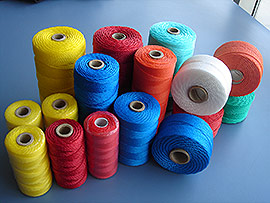
With advanced twin screw machines from Germany and decades of experience in Masterbatch processing and pigment dispersion technology, **Charming** provides stable high quality **Color Masterbatch** and creative **Functional Masterbatch** solutions for our customers. Charming Masterbatch is well known in the China market, and exports to Europe, South America, Southeast Asia, Middle East, North Africa, etc., about 18 countries and markets worldwide.
Not only products, Charming provides complete technical support service and individual development cooperation, which can help our customers solve practical problems and develop new projects with creative solutions. Their portfolio is perfectly suited to meet the demands of recycled plastics:
| Product Category | Recycled Plastic Application Focus |
|---|---|
| **Color Masterbatch** | Film / Plastic (High tinting strength to mask inconsistent PCR base color) |
| **Functional Masterbatch: UV Stabilizer** | Extends the life of rPE/rPP outdoor products (e.g., decking, automotive) |
| **Functional Masterbatch: Antimicrobial** | Enhances safety for PCR in consumer goods and packaging. |
| **Functional Masterbatch: Flame Retardant** | Restores necessary safety properties lost during multiple PCR heat cycles. |
We are so proud that we can share our experience and technology with customers and grow up together.
Recycled Masterbatch Development Summary
A concise overview of the critical steps required to successfully **develop masterbatch for recycled plastics**.
| Stage | Challenge in PCR | Masterbatch Solution (Additive Focus) | Impact on Final Product |
|---|---|---|---|
| **Formulation** | Inconsistent base polymer quality and contaminants. | PCR Carrier Resin / Compatibilizers / Desiccant Agents (for moisture). | Increased PCR content; prevents “fish eyes”; stabilizes mechanical properties. |
| **Stabilization** | Thermal degradation, chain shortening, loss of mechanical strength. | Antioxidants / Process Stabilizers / UV Stabilizer. | Restores physical strength; prevents yellowing; increases outdoor longevity. |
| **Aesthetics** | Residual color/opacity in feedstock (dirty base color). | High-Tinting Pigments / High-Opacity Pigments (e.g., Black Masterbatch). | Achieves consistent, vibrant, and precise color match. |
| **Functionality** | Odor, flammability risk, or need for specific performance. | Odor Absorbers / Flame Retardant / Antimicrobial Agents. | Ensures safety and compliance for specialized end-applications. |
Frequently Asked Questions (FAQs)
A: Recycled PET (rPET) often suffers from reduced intrinsic viscosity (IV), which indicates molecular weight loss, and contains more contaminants (like trace PVC or PE) and moisture. A specialized **masterbatch for rPET** must contain IV boosters, desiccants, and superior stabilizers to restore molecular integrity and prevent processing defects that are unique to rPET.
A: Yes, in certain scenarios, Universal Masterbatches can simplify production when dealing with commingled or mixed recycled streams. However, for high-performance applications or very high (e.g., >80%) PCR content, a polymer-specific masterbatch (with a matched PCR carrier resin) is generally recommended to maximize compatibility and performance, as promoted by companies like **Charming Masterbatch**.
A: The main cause of yellowing is **thermal degradation** (oxidation) of the polymer chains due to repeated heating during compounding and recycling. Masterbatch fixes this by incorporating high-efficiency **Antioxidants** and process stabilizers, which interrupt the degradation process. Additionally, a slight blue or violet compensating tint can be added to the color formulation to visually neutralize the yellow hue.
A: Yes. For recycled plastics intended for food contact (e.g., rPET bottles), both the PCR resin and all masterbatch components (pigments, additives, and carriers) must adhere to strict regulatory standards (e.g., FDA, EFSA). The process of recycling must often include a super-clean (SSP) step, and the masterbatch must be free of harmful chemical migrants. Suppliers like Charming Masterbatch ensure their formulations comply with international safety standards for these demanding applications.