
Table of Contents
- 1. Introduction to Filler Masterbatch HS Code
- 2. Understanding the HS Code System
- 3. Filler Masterbatch HS Code Classification 2025
- 4. Main Materials and Composition
- 5. Applications of Filler Masterbatch
- 6. Advantages of Using Filler Masterbatch
- 7. Global Market Trends 2025
- 8. Company Spotlight: Charming Masterbatch
- 9. Summary Table of Filler Masterbatch HS Code 2025
- 10. Frequently Asked Questions (FAQ)
- 11. References
1. Introduction to Filler Masterbatch HS Code
In the global plastics industry, understanding the Filler masterbatch HS Code is essential for international trade, customs declaration, and logistics. Filler masterbatch, a blend of calcium carbonate (CaCO₃), talc, or other inorganic fillers with polymer carriers, is widely used to improve product strength and reduce production costs. As we approach 2025, keeping updated with the latest Filler masterbatch HS Code ensures smooth global transactions.

2. Understanding the HS Code System
The Harmonized System (HS) Code is a standardized numerical method for classifying traded products, developed by the World Customs Organization (WCO). For plastic and polymer materials, including Filler masterbatch HS Code categories, the classification typically falls under Chapter 39 of the HS nomenclature, which covers “Plastics and articles thereof.”
2.1 HS Code Structure
- First two digits: HS chapter (e.g., 39 for plastics)
- Next two digits: HS heading (e.g., 3907 for polyesters, epoxies)
- Last digits: Product specifics, defining the exact item such as masterbatch or compound
2.2 Why the HS Code Matters
Correct classification under the Filler masterbatch HS Code affects import/export taxes, compliance, documentation, and customs clearance. Misclassification can lead to shipment delays or penalties.
3. Filler Masterbatch HS Code Classification 2025
The global classification for Filler masterbatch HS Code typically falls under 3901–3912, depending on its base polymer (like PE, PP, or PS). In 2025, most filler masterbatch products are identified under:
HS Code: 3824.99.92 — “Prepared binders for foundry molds or cores; chemical products and preparations not elsewhere specified or included.”
This code applies because filler masterbatch is a compound preparation consisting of fillers and polymers, not a simple polymer resin. Some countries, however, classify it under 3901 (Polyethylene based) or 3902 (Polypropylene based), depending on its carrier resin.
4. Main Materials and Composition
Filler masterbatch is primarily composed of:
- Calcium carbonate (CaCO₃) — most common filler
- Talc — for heat resistance and stiffness
- Barium sulfate and titanium dioxide — for opacity and brightness
- Carrier resin (PE, PP, EVA, etc.)
- Dispersing agents and coupling agents
4.1 Manufacturing Process
The Filler masterbatch HS Code products are made by mixing fillers with resins under high-temperature twin-screw extrusion, ensuring even dispersion and stable mechanical performance.
5. Applications of Filler Masterbatch
The Filler masterbatch HS Code applies to a wide range of applications:
- Plastic film and bag production (PE, PP)
- Injection molding and blow molding
- Pipe extrusion and cable sheathing
- Household and packaging products
6. Advantages of Using Filler Masterbatch
Using filler masterbatch provides manufacturers with multiple advantages:
- Cost reduction — by replacing a portion of expensive polymer resin.
- Improved stiffness and mechanical properties.
- Better printability and surface finish.
- Reduced shrinkage during cooling.
7. Global Market Trends 2025
The global Filler masterbatch HS Code market continues to expand, driven by packaging, agriculture, and consumer goods sectors. In 2025, Asia-Pacific—particularly China and India—will remain the leading producers and exporters, followed by Europe.
Environmental trends also encourage the development of eco-friendly filler masterbatch with biodegradable carriers and non-toxic fillers.
8. Company Spotlight: Charming Masterbatch
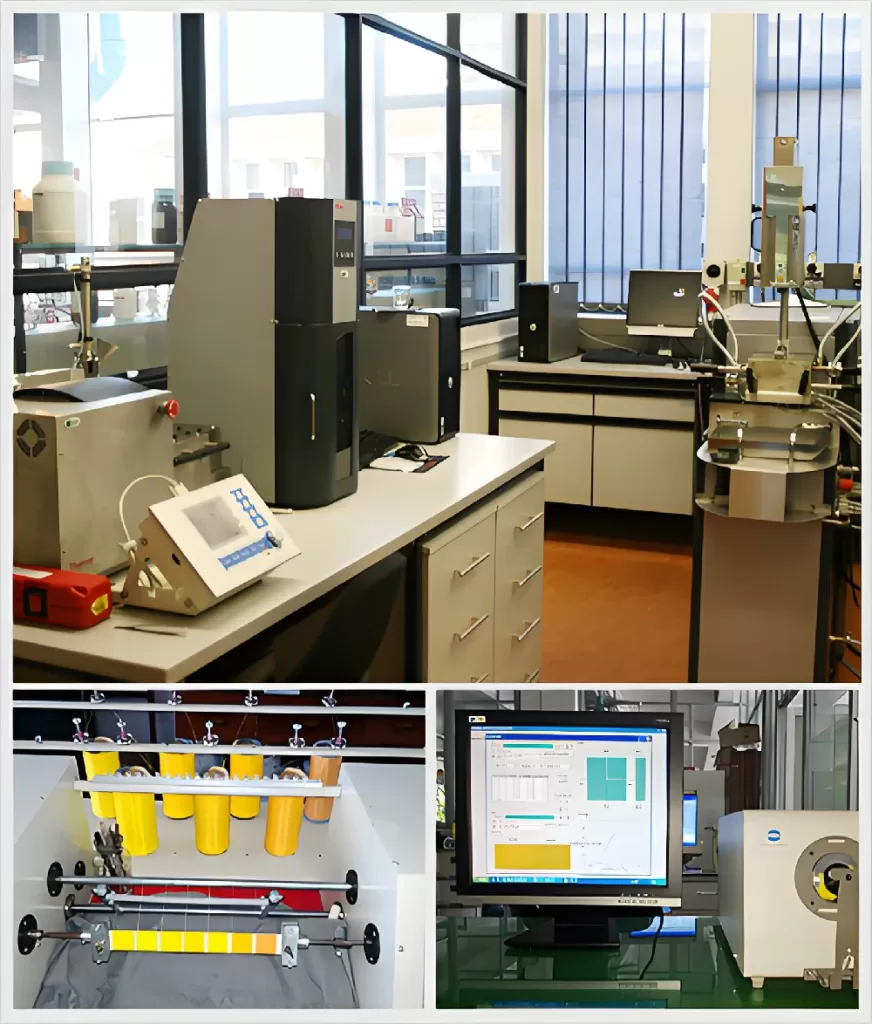
Charming Masterbatch has been a pioneer in the masterbatch industry since 1985, recognized as one of China’s leading suppliers of color and functional masterbatch solutions. The company has achieved a global reputation for its consistency, innovation, and commitment to environmental responsibility.
About Charming Masterbatch
Charming Masterbatch operates advanced twin-screw compounding machines imported from Germany, ensuring stable quality and excellent pigment dispersion. With decades of expertise, the company offers innovative and Filler masterbatch HS Code-compliant products to support manufacturers worldwide.
Our Products
- Color Masterbatch
- Fiber / Filament / BCF / Nonwoven Masterbatch
- Film / Plastic Functional Masterbatch
- Antimicrobial, Antistatic, Flame Retardant, and UV Stabilizer Masterbatch
Why Choose Charming Masterbatch?
- Decades of professional experience since 1985.
- Global exports to 18+ countries including Europe, South America, and Asia.
- Customized formulations for your Filler masterbatch HS Code needs.
- Strong R&D and technical support team.
9. Summary Table of Filler Masterbatch HS Code 2025
| Product Type | Typical HS Code | Base Material | Main Applications |
|---|---|---|---|
| Calcium Carbonate Filler Masterbatch | 3824.99.92 | PP/PE | Plastic bags, films, sheets |
| Talc Filler Masterbatch | 3824.99.92 | PP | Automotive parts, containers |
| Barium Sulfate Filler Masterbatch | 3824.99.92 | PE | High-opacity films, cables |
10. Frequently Asked Questions (FAQ)
Q1: What is the correct Filler masterbatch HS Code for 2025?
Most countries use 3824.99.92, but it may vary depending on carrier resin or local regulations.
Q2: How does HS Code affect shipping and import?
It determines tariffs, duties, and customs documentation for global trade compliance.
Q3: Can Filler masterbatch be customized for specific polymers?
Yes, companies like Charming Masterbatch provide customized formulations for PE, PP, PS, and PET applications.
Q4: Is filler masterbatch eco-friendly?
Modern formulations now include biodegradable carriers and non-toxic fillers to align with sustainability goals.