
When the average consumer hears the term “permanent dye,” they immediately picture salon hair treatments or fabric coloration. However, in the realm of high-volume industrial manufacturing, petrochemicals, and polymer science, the definition changes entirely. If you are operating a multi-million-dollar extrusion line or an injection molding facility, misunderstanding what constitutes a permanent dye can result in catastrophic product failures, color bleeding, and rejected shipments.
From our experience engineering advanced coloration solutions, the term “permanent dye” is frequently misused by procurement teams who actually need pigments or pre-dispersed masterbatches. Raw permanent dye behaves fundamentally differently from other colorants because of its chemical solubility. In this comprehensive guide, we will cut through the commercial noise. We will explain exactly what a permanent dye is, how it functions at a molecular level, and whether you should be utilizing it in your manufacturing processes or upgrading to a more stable masterbatch alternative.
Quick Answer: What is Permanent Dye?
In industrial applications, a permanent dye is a soluble colorant that completely dissolves into a target medium (like liquid polymers, specific solvents, or synthetic fibers) at a molecular level, rather than remaining as suspended solid particles. Because it dissolves, a true permanent dye offers unparalleled transparency and high tinting strength.
However, we recommend proceeding with extreme caution. While a permanent dye creates brilliant, translucent colors in plastics like PET or Polystyrene, its soluble nature makes it highly prone to “migration” (bleeding into adjacent materials) and poor UV stability. For heavy-duty applications, commercial users should almost always upgrade to encapsulated masterbatch solutions rather than handling raw permanent dye powders.
Table of Contents
- What is Permanent Dye in Manufacturing?
- How Permanent Dye Actually Works
- Commercial Benefits of Using Permanent Dye
- Critical Limitations: Why It Often Fails
- Who Should Use It?
- Who Does Not Need It?
- Common Mistakes in Color Procurement
- Comparison Table: Dyes vs. Pigments vs. Masterbatch
- Pros and Cons Table
- Buying Considerations & Guide
- Expert Recommendation from Charming Masterbatch
- Frequently Asked Questions (FAQ)
- Authoritative References
What is Permanent Dye in Manufacturing?
To establish clarity, you must differentiate between a dye and a pigment. A permanent dye is an organic compound that is soluble in the substrate it is coloring. When you add a permanent dye to a compatible molten plastic or chemical solvent, it breaks down into individual molecules. It does not scatter light; it absorbs specific wavelengths and transmits others, which is why dye-colored plastics maintain optical clarity.
When manufacturers ask how to color plastic permanently, they are usually deciding between solvent dyes, polymer-soluble dyes, and inorganic pigments. A permanent dye is favored when the end product must be glass-clear, such as automotive taillights, clear cosmetic packaging, or transparent water bottles. However, the term “permanent” is highly relative. While the dye physically locks into the polymer matrix of materials like Polycarbonate (PC) or Acrylic (PMMA), its permanence is heavily dictated by environmental exposure.
How Permanent Dye Actually Works
In most professional situations involving plastics, permanent dyes are categorized as solvent dyes. During the injection molding or extrusion process, the raw polymer resin is heated to its melting point. When the permanent dye is introduced, the intense heat and mechanical shear of the extruder screw force the dye molecules to dissolve directly into the polymer melt.
Because the dye molecules are so incredibly small (measured in nanometers) and fully soluble, they distribute with absolute uniformity. There are no agglomerates or clumps to break up, which is a common struggle when working with raw powder pigments. If you reference a standard plastic color chart with codes, the highly vibrant, jewel-toned, translucent colors are almost exclusively achieved using polymer-soluble permanent dyes.
Commercial Benefits of Using Permanent Dye
Why do commercial users risk dealing with raw dyes? Because when applied correctly to the right resin, the aesthetic results are impossible to replicate with other methods.
- Absolute Transparency: Pigments are opaque solids that scatter light, creating cloudiness. Permanent dye allows for 100% light transmission, essential for high-end clear packaging and optical lenses.
- Exceptional Tinting Strength: You need significantly less permanent dye by weight to achieve a vibrant color compared to standard pigments. A tiny fraction of a percentage can color a massive batch of resin.
- Zero Filter Blockage: Because the dye dissolves completely, it will never clog the fine mesh filters in extrusion equipment, which is critical when spinning synthetic fibers like polyester or nylon.
- Vibrant Saturation: Dyes inherently produce brighter, cleaner, and more saturated shades than their inorganic pigment counterparts.
Critical Limitations: Why It Often Fails
In our testing and decades of field experience, relying solely on raw permanent dye is a massive liability for general manufacturing. The limitations are severe and commercially damaging if ignored.
First and foremost is migration. Because dyes are soluble, they possess a nasty habit of moving through the polymer matrix even after the plastic has cooled. If you use a permanent dye in a flexible PVC or a polyolefin (like PE or PP), the dye will eventually bleed out onto the surface of the plastic or transfer onto adjacent materials. This ruins product integrity.
Secondly, permanent dyes have notoriously poor lightfastness. Organic dye molecules degrade rapidly under UV exposure. If you place a dye-colored item in direct sunlight, it will fade, shift color, or bleach out entirely within months. For outdoor applications, you must ignore dyes and rely on UV-stabilized pigments, or better yet, consult a masterbatch composition guide to engineer a robust outdoor solution.
Who Should Use It?
For commercial users manufacturing amorphous, rigid polymers, permanent dye is excellent. Polymers like Polystyrene (PS), Polycarbonate (PC), Polymethyl Methacrylate (PMMA/Acrylic), and rigid Polyethylene Terephthalate (PET) have tight molecular structures that lock the dye in place, preventing migration. If you are manufacturing tail light covers, clear medical devices, or transparent display cases, polymer-soluble dyes are exactly what you need.
Who Does Not Need It?
For heavy-duty applications, outdoor products, and polyolefin manufacturing (HDPE, LDPE, Polypropylene), you must absolutely avoid raw permanent dye. The molecular structure of these plastics is too loose, guaranteeing that the dye will migrate and bleed. Furthermore, for beginners operating small molding facilities, handling raw dye powders is an environmental and housekeeping nightmare. Fine dye dust will contaminate your entire factory floor and cross-contaminate other production lines.
Common Mistakes in Color Procurement
The most expensive mistake we witness is manufacturers purchasing cheap raw permanent dye to cut costs, ignoring the engineering overhead required to process it. Dumping raw dye powder directly into an injection molding hopper leads to inconsistent coloration, severe screw slippage, and massive factory contamination.
Instead of raw dyes, elite color concentrate manufacturers encapsulate these permanent dyes into a solid carrier resin (creating a masterbatch). This eliminates the dust hazard, ensures perfect dispersion, and dramatically streamlines the manufacturing process.
Quick Summary Table
| Characteristic | Permanent Dye | Inorganic Pigment | 着色母粒 |
|---|---|---|---|
| Physical State | Soluble powder/liquid | Insoluble solid particles | Solid encapsulated pellets |
| Transparency | Excellent (Glass-clear) | Poor (Opaque/Cloudy) | Variable (Customizable) |
| Migration Risk | High (in polyolefins) | Low to None | Low (Locked in resin) |
| Handling Cleanliness | Terrible (Dusty, staining) | Poor (Dusty) | Excellent (Clean pellets) |
Comparison Table: Polymer Compatibility
| Polymer Type | Can You Use Permanent Dye? | Expected Result |
|---|---|---|
| Polycarbonate (PC) | Yes | Brilliant, transparent, zero migration. |
| Acrylic (PMMA) | Yes | Perfect clarity, locks molecule securely. |
| Polypropylene (PP) | No | High risk of bleeding, fading, and migration. |
| Polyethylene (PE) | No | Severe migration; ruins adjacent materials. |
Pros and Cons Table: Raw Permanent Dye
| Pros | Cons |
|---|---|
| Delivers unmatched optical transparency. | Extremely poor UV resistance and lightfastness. |
| Requires very low dosage for vibrant colors. | High risk of migration/bleeding in soft plastics. |
| Zero risk of clogging fine extrusion mesh filters. | Raw powders are a massive factory contamination hazard. |
| Solves into the polymer at a molecular level. | Not suitable for outdoor or heavy-duty applications. |
Buying Considerations & Guide
When you are preparing to procure colorants for a manufacturing run, you must run a strict cost-benefit analysis. Do not simply look at the raw plastic masterbatch price per ton 2026 versus the price of raw dye. You must calculate the cost of rejected parts due to migration.
If you absolutely must have transparent colors, ensure you are buying polymer-soluble dyes specifically engineered for your carrier resin. For example, if you are working with engineering plastics, you must verify the thermal stability of the dye. If your extruder runs at 280°C and the dye burns at 240°C, your product will emerge brown and degraded. Always demand a Technical Data Sheet (TDS) proving the dye’s sublimation point and heat resistance limits.
Expert Recommendation from Charming Masterbatch
From our experience as a global leader in polymer coloration, we firmly state that handling raw permanent dye is a liability most manufacturers should avoid. Unless you operate a highly specialized facility with advanced containment and dispersion technology, the risks of uneven coloring and factory contamination are too great.
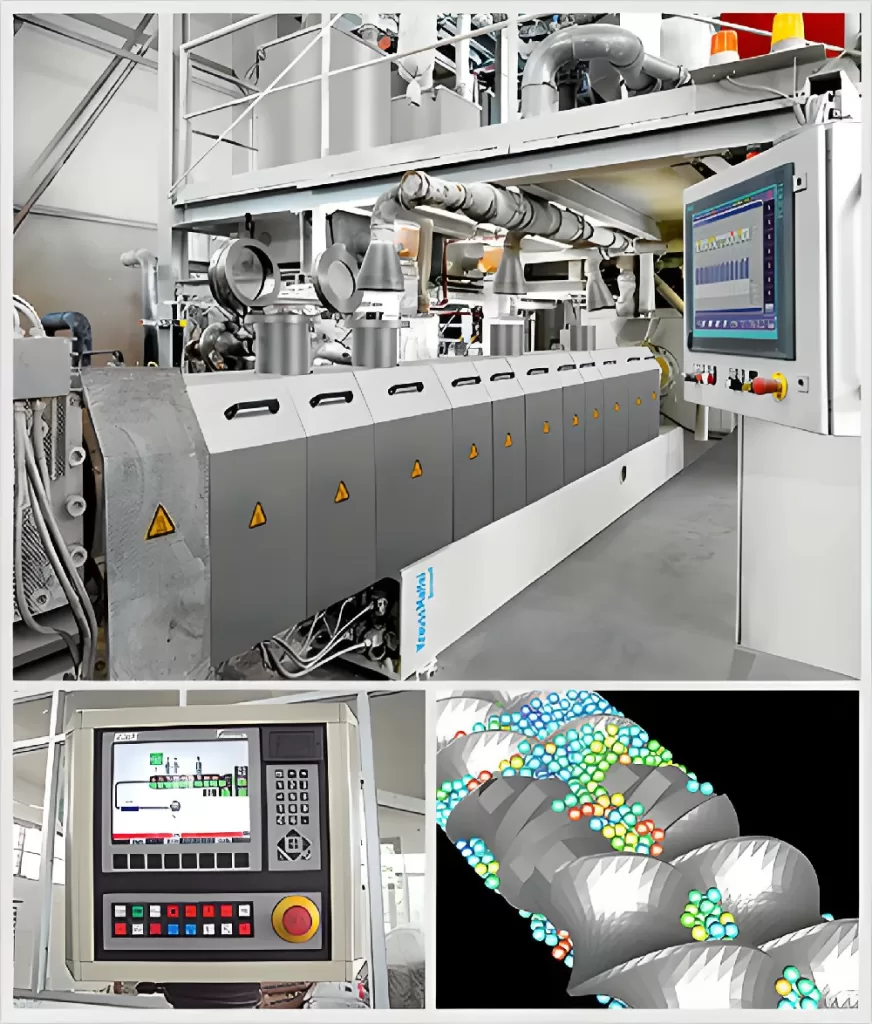
We recommend upgrading to custom color masterbatch. Charming Masterbatch is well known in the China market, and exports to Europe, South America, Southeast Asia, the Middle East, North Africa, and about 18 countries worldwide. We take the high-quality permanent dyes and pigments, process them through high-shear twin-screw extruders, and encapsulate them into clean, easy-to-use pellets. Whether you need specialized what is PBT masterbatch solutions, or need to understand what is filler masterbatch for cost reduction, we handle the chemistry so you can focus on production. Not only do we supply products, but Charming provides complete technical support service and individual development cooperation, helping our customers solve practical problems and develop new projects with creative solutions.
Frequently Asked Questions (FAQ)
Is permanent dye the same as masterbatch?
No. A permanent dye is a raw, soluble chemical colorant. Masterbatch is a solid plastic pellet that contains a highly concentrated mixture of dyes or pigments encapsulated within a carrier resin. Masterbatch is significantly cleaner, safer, and easier for manufacturers to use. You can review masterbatch suppliers worldwide to see how the industry standardizes this.
Why does permanent dye fade in the sun?
Permanent dyes are organic compounds. The high-energy ultraviolet (UV) photons from sunlight physically break the chemical bonds within the dye molecules, causing them to lose their color properties. If your product goes outside, you must use inorganic pigments or rely on UV masterbatch uses and benefits to protect the polymer.
Can I use permanent dye in injection molding?
Yes, provided the dye is thermally stable enough to survive the high temperatures of your injection molding barrel, and provided you are molding a compatible resin like Polycarbonate or Acrylic. However, using pre-compounded color masterbatch is highly preferred by modern injection molders.
What causes permanent dye to migrate or bleed in plastics?
Migration occurs when the polymer’s molecular structure is too loose (like in Polyethylene) or when too much plasticizer is present (like in flexible PVC). The soluble dye molecules move freely through the microscopic gaps in the plastic and deposit onto the surface.
Authoritative References
To ensure accuracy and compliance in industrial coloration, we base our engineering parameters on the following global standards:
- ASTM International: For standardized testing of polymer colorfastness, thermal stability, and migration resistance. Visit ASTM International.
- International Organization for Standardization (ISO): Specifically the ISO Technical Committee guidelines on colorimetry and pigment/dye fastness under environmental stress. Visit ISO TC 38/SC 1.
- National Institute of Standards and Technology (NIST): For foundational research on optical physics, light transmission, and polymer material science. Visit NIST.