
In the highly competitive plastics manufacturing industry, injecting 100% virgin polymer into your hopper is the fastest way to erode your profit margins. From our experience as industry practitioners at Charming Masterbatch, the strategic utilization of mineral and synthetic fillers is no longer an optional cost-cutting measure; it is a fundamental engineering requirement. However, selecting the correct type of filler masterbatch for your specific resin and mold geometry dictates whether your final product achieves structural perfection or suffers from catastrophic mechanical failure.
Navigating the global supply chain to find the right polymer additives can be overwhelming. Plant managers frequently ask us which exact type of filler masterbatch is fitted for injection molding to balance cost reduction with mechanical integrity. In most professional situations, the answer depends entirely on your thermal requirements, desired surface gloss, and the specific density targets of the molded part. In this comprehensive technical guide, we will break down the precise types of filler masterbatches available, evaluate their performance in the injection molding press, and provide commercial judgment to help you make informed purchasing decisions.
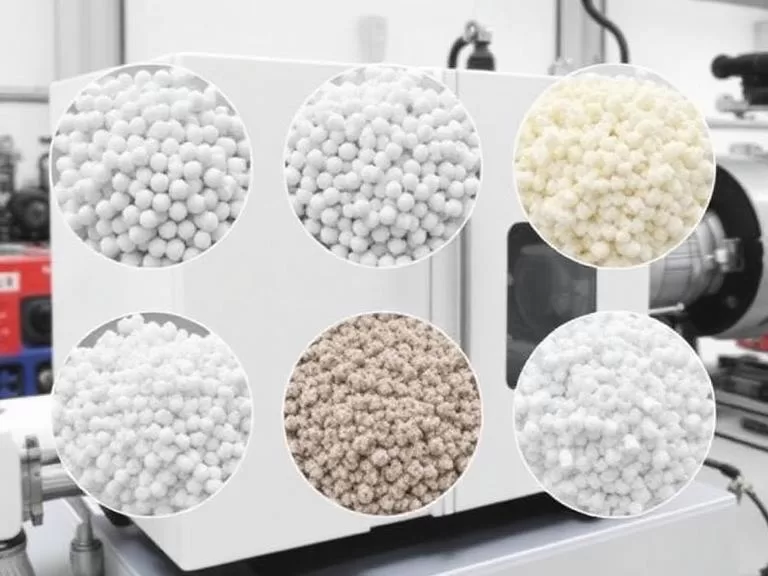
Quick Answer: The 5 Essential Types
If you are looking to optimize your injection molding process immediately, the 5 core type of filler masterbatch options are: 1) Calcium Carbonate (CaCO3) for massive cost reduction and stiffness; 2) Talc for high heat resistance and dimensional stability; 3) Barium Sulfate (BaSO4) for high-gloss surface finish and heavy density; 4) Sodium Sulfate (Na2SO4) Transparent Filler for maintaining clarity in semi-transparent parts; and 5) Glass Fiber for heavy-duty structural reinforcement. For commercial users aiming to reduce costs without sacrificing part rigidity, Calcium Carbonate and Talc remain the absolute best investments.
Table of Contents
- What is a Filler Masterbatch?
- How Filler Masterbatch Works in Injection Molding
- The 5 Type of Filler Masterbatch
- Strategic Benefits
- Limitations and Mechanical Trade-Offs
- Who Should Use It
- Who Does Not Need It
- Common Mistakes in Production
- Buying Considerations
- Essential Comparison Tables
- Expert Recommendation from Charming Masterbatch
- The Bottom Line
- Frequently Asked Questions
- References and Standards
What is a Filler Masterbatch?
A filler masterbatch is a highly concentrated pelletized additive composed of inorganic mineral powders or synthetic fibers encapsulated within a carrier resin (typically PE, PP, or PS). Unlike colorants that merely change the aesthetic of the plastic, filler masterbatches are structural modifiers. They are blended with virgin or recycled polymers prior to entering the injection molding machine to displace a percentage of the expensive base resin.
Is it actually worth using? Absolutely. Replacing 15% to 30% of your virgin polyolefin with a precisely engineered filler masterbatch instantly lowers your raw material costs while simultaneously reducing mold shrinkage and accelerating cooling times. Understanding the filler masterbatch HS code 2025 regulations is also critical for global importers looking to minimize cross-border taxation on these essential manufacturing inputs.
How Filler Masterbatch Works in Injection Molding
During the injection molding process, the filler masterbatch pellets are volumetrically or gravimetrically dosed into the hopper alongside the primary resin. As the mixture travels down the heated barrel of the injection screw, the carrier resin melts, dispersing the microscopic mineral particles evenly throughout the polymer matrix.
In our testing, the thermodynamic impact of this dispersion is profound. Inorganic minerals possess higher thermal conductivity than raw plastics. Consequently, the molten plastic absorbs heat faster in the barrel and dissipates heat faster inside the chilled mold cavity. This physical reaction reduces your overall cycle time, allowing for higher hourly output. However, achieving this seamless dispersion requires strict adherence to the correct masterbatch percentage guide to avoid phase separation and surface streaking.
The 5 Type of Filler Masterbatch Is Fitted for Injection Molding
1. Calcium Carbonate (CaCO3) Filler Masterbatch
Calcium Carbonate is the undisputed king of cost reduction. Sourced from finely milled limestone or marble, CaCO3 masterbatches are highly compatible with Polypropylene (PP) and Polyethylene (PE). We recommend CaCO3 for manufacturers producing everyday consumer goods, household buckets, garden furniture, and non-structural automotive interior panels. It drastically improves stiffness and printability. However, overloading CaCO3 will result in a chalky, matte surface finish and a loss of impact resistance.
2. Talc Filler Masterbatch
Talc is a magnesium silicate mineral characterized by its plate-like (lamellar) structure. In most professional situations where dimensional stability and high heat deflection temperatures (HDT) are mandatory, Talc is the superior choice. When injected, the talc platelets align parallel to the flow of the polymer, drastically reducing warping and shrinkage. It is the primary type of filler masterbatch used in automotive under-the-hood components, microwave housings, and washing machine parts.
3. Barium Sulfate (BaSO4) Filler Masterbatch
Barium Sulfate is a specialized, high-density filler. If you are manufacturing high-end cosmetics packaging, premium home appliances, or acoustic-dampening pipes, BaSO4 is highly recommended. It imparts a heavy, “luxurious” weight to the plastic part while delivering an exceptionally high-gloss, mirror-like surface finish. Additionally, BaSO4 provides excellent chemical resistance and X-ray opacity, making it highly valuable in the medical device sector.
4. Sodium Sulfate (Na2SO4) Transparent Filler Masterbatch
Traditional mineral fillers turn clear plastics opaque and milky. For manufacturers producing translucent storage containers, food-grade clear boxes, or agricultural films, losing transparency is unacceptable. Sodium Sulfate (often referred to as transparent filler masterbatch) possesses a refractive index nearly identical to polyolefins. Upgrading to a Na2SO4 masterbatch allows you to reduce costs by 15% without sacrificing the visual clarity or light transmission of the final injection-molded part.
5. Glass Fiber Filler Masterbatch
For heavy-duty applications, minerals alone cannot provide sufficient tensile strength. Glass fiber filler masterbatches incorporate microscopic strands of fiberglass into a carrier resin (frequently PA, ABS, or PP). When molded, these fibers act as a structural rebar matrix within the plastic. We recommend this type of filler masterbatch exclusively for industrial gears, power tool housings, and metal-replacement structural components. Be warned: glass fibers are highly abrasive and will accelerate wear on your injection screw and mold gates.
Strategic Benefits
Procuring from the top masterbatch manufacturers worldwide yields immediate operational dividends. The integration of high-quality filler masterbatch provides:
- Drastic Cost Reduction: Replacing resin that costs $1.50/kg with filler that costs $0.50/kg significantly lowers the unit cost.
- Cycle Time Reduction: Minerals cool faster than plastic, allowing ejector pins to actuate sooner and increasing daily mold yields.
- Anti-Warpage: Platy fillers like talc mitigate the anisotropic shrinkage of semi-crystalline polymers, keeping large, flat parts perfectly straight.
Limitations and Mechanical Trade-Offs
It is not a flawless magic bullet. Adding any inorganic powder to a continuous polymer matrix disrupts the molecular chains. As a result, the impact strength (the ability of the part to absorb sudden shocks without shattering) will decrease as the filler load increases. Furthermore, because minerals are heavier than plastic, the specific gravity of your final part will increase. If shipping weight is a critical factor for your logistics, you must calculate the cost-to-weight ratio meticulously.
Who Should Use It
For commercial users: If you run high-volume injection molding operations producing automotive trim, consumer electronics housings, patio furniture, or rigid packaging, incorporating filler masterbatch is financially mandatory to remain competitive. Partnering with the best plastic masterbatch manufacturers will ensure your filler is coated with premium dispersion agents, preventing machine clogging.
Who Does Not Need It
For beginners and niche aerospace manufacturers: If you are molding ultra-lightweight drone components, high-flexibility living hinges, or optical-grade lenses where any light scattering is unacceptable, traditional mineral fillers should be avoided. In these strict scenarios, you must rely entirely on virgin engineering resins or highly specialized nano-fillers.
Common Mistakes in Production
The most catastrophic mistake we witness on the factory floor is carrier resin incompatibility. If you are injecting an ABS part, you cannot use a filler masterbatch with a PE (Polyethylene) carrier resin. The PE will not bond with the ABS, resulting in severe delamination, peeling, and immediate part failure. Always ensure the carrier resin of the masterbatch matches your base polymer.
Additionally, ignoring particle size (mesh size) leads to poor surface aesthetics. A cheap CaCO3 masterbatch with a low mesh count (large particles) will cause a rough, “shark-skin” defect on the molded part. Always specify high-mesh, ultra-fine powders for cosmetic injection molding.
Buying Considerations
When approaching plastic masterbatch suppliers worldwide, evaluate your purchase based on:
- Melt Flow Index (MFI): Ensure the MFI of the masterbatch closely aligns with your base resin to guarantee homogeneous mixing in the barrel.
- Surface Treatment: Verify that the mineral filler is coated with coupling agents (like stearic acid or silane) to improve interfacial adhesion with the plastic.
- Supplier Reputation: Whether sourcing locally or internationally, auditing black masterbatch manufacturers 2025 or filler specialists guarantees consistency from batch to batch.
Essential Comparison Tables
Quick Summary Table: The 5 Filler Types
| Type of Filler Masterbatch | Primary Function | Best Suited For |
|---|---|---|
| Calcium Carbonate (CaCO3) | Aggressive Cost Reduction, Stiffness | Household goods, rigid packaging, buckets |
| Talc | High Heat Deflection, Dimensional Stability | Automotive parts, home appliances (microwaves) |
| Barium Sulfate (BaSO4) | High Density, High Gloss Finish | Cosmetics packaging, medical devices, acoustic pipes |
| Sodium Sulfate (Na2SO4) | Cost Reduction while Maintaining Clarity | Transparent food containers, clear plastic boxes |
| Glass Fiber | Extreme Tensile Strength, Structural Integrity | Power tool housings, industrial gears, metal replacement |
Pros and Cons Table: Using Filler Masterbatch
| Pros | Cons |
|---|---|
| Drastically lowers raw material purchasing costs. | Increases the specific gravity (weight) of the final part. |
| Reduces cycle times by accelerating cooling. | Can reduce impact strength and flexibility if overloaded. |
| Minimizes warpage and shrinkage in flat parts. | Abrasive fillers (like glass) accelerate mold and screw wear. |
| Improves paintability and surface printability. | Requires strict temperature and MFI matching to prevent delamination. |
Expert Recommendation from Charming Masterbatch
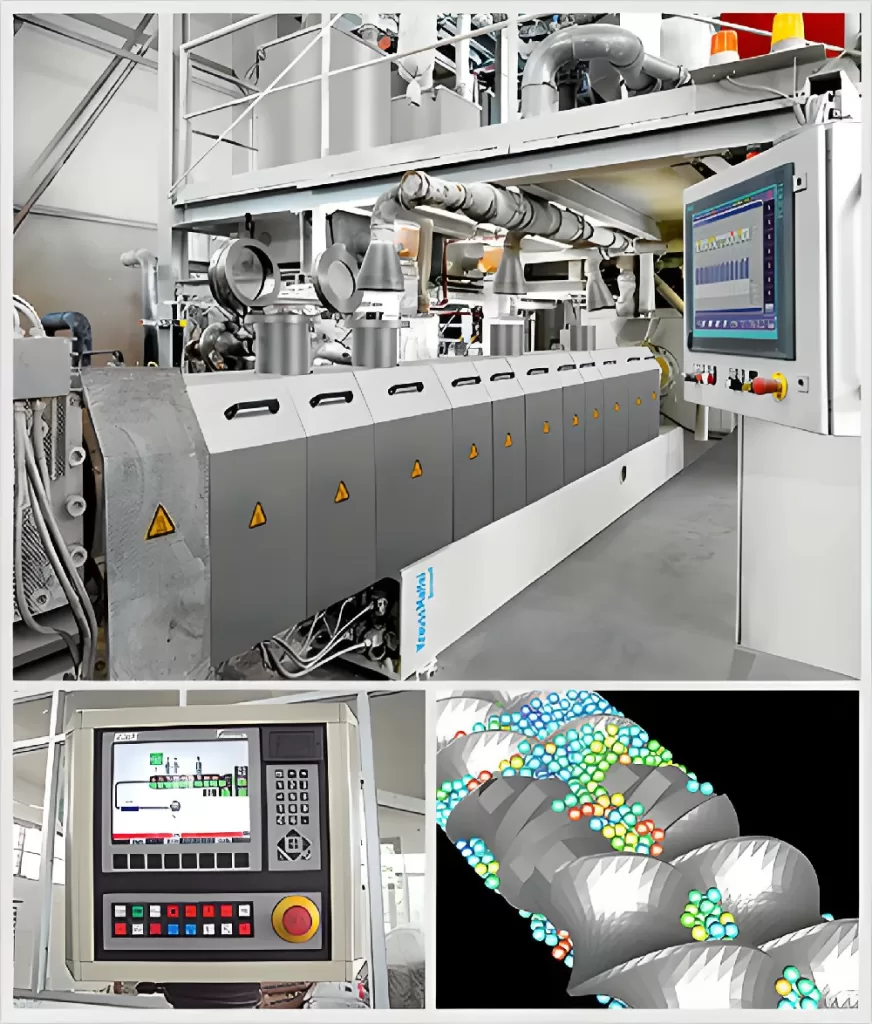
In most professional situations, optimizing your injection molding parameters is useless if your raw material inputs are fundamentally flawed. 彩艳母粒在国内化纤市场名声在外,广为业界熟悉,同时也出口到欧洲、美洲、中东、北非、东南亚等18个国家和地区市场。
We recommend that injection molders stop viewing filler merely as “cheap dirt” and start treating it as a highly engineered structural additive. 不单是母粒,彩艳向客户提供完整的技术支持服务和开发项目合作平台,协助客户解决实际生产中遇到各种问题,同时彼此合作,共同开发新产品、新市场。 Whether you need an ultra-fine Talc masterbatch to prevent sink marks in automotive dashboards, or a high-gloss BaSO4 masterbatch for luxury packaging, our formulations ensure perfect dispersion and uninterrupted machine operability.
The Bottom Line
Understanding exactly which type of filler masterbatch is fitted for injection molding is the dividing line between profitable, high-yield manufacturing and a factory floor plagued by brittle, warped rejects. By leveraging the specific thermodynamic and mechanical properties of Calcium Carbonate, Talc, Barium Sulfate, Sodium Sulfate, and Glass Fiber, you can dictate the exact performance metrics of your plastic parts while systematically crushing your raw material overhead. Prioritize high-quality dispersion, match your carrier resins correctly, and watch your production efficiency soar.
Frequently Asked Questions
What is the maximum percentage of filler masterbatch I can add to injection molding?
For most standard injection molding applications, a loading dosage of 10% to 30% is optimal. Pushing the loading percentage beyond 40% will drastically embrittle the plastic, lower impact resistance, and cause severe flow issues within the mold cavity unless highly specialized coupling agents are used.
Can filler masterbatch reduce my molding cycle time?
Yes. Inorganic mineral fillers like CaCO3 and Talc have a significantly higher thermal conductivity than virgin plastics. This allows the injected part to transfer heat to the mold’s cooling channels much faster, allowing you to eject the part sooner and shorten the overall cycle time.
Why are my injection molded parts showing silver streaks when using filler?
Silver streaks, also known as splay marks, are typically caused by moisture trapped within the filler masterbatch. Inorganic minerals are naturally hygroscopic (they absorb water from the air). You must properly dry your filler masterbatch in a desiccant dryer prior to injection molding to prevent steam from escaping during the injection phase.
References & Industry Standards
To ensure our operational advice aligns with global polymer testing and manufacturing compliance, we reference data and guidelines from the following authoritative organizations: