
The global polymer industry faces a constant battle against photodegradation. When polymers are exposed to ultraviolet radiation from the sun, they undergo a photo-oxidative process that breaks down polymer chains, resulting in discoloration, loss of tensile strength, embrittlement, and surface chalking. Mitigating this degradation requires precise chemical engineering and the correct integration of masterbatch formulations. The stabilizers used for UV plastic are not merely optional additives; they are critical components that define the operational lifespan and safety of the final product.
From our experience at Charming Masterbatch, creating robust polymer solutions requires a deep understanding of end-use applications. With advanced twin screw machines from Germany and decades of experience in Masterbatch processing and pigment dispersion technology, Charming provides stable high quality color Masterbatch and creative functional Masterbatch solutions for our customers. Charming Masterbatch is well known in the China market, and exports to Europe, South America, Southeast Asia, the Middle East, North Africa, and about 18 countries and markets worldwide. In this authoritative guide, we will explore the critical formulations and the nine primary applications used for UV plastic in the modern industrial landscape.
Table of Contents
- Understanding the Chemistry Used for UV Plastic
- 9 Primary Applications Used for UV Plastic
- 1. Agricultural Film and Greenhouse Covers
- 2. Fiber, Filament, BCF, and Nonwoven Textiles
- 3. Automotive Exterior and Interior Components
- 4. Construction Materials and Exterior Siding
- 5. Artificial Turf and Sports Surfaces
- 6. Marine Plastics and Watercraft Components
- 7. Outdoor Furniture and Decking
- 8. Packaging Film for UV-Sensitive Goods
- 9. Telecommunications and Electrical Cable Jacketing
- Expert Formulation Recommendations
- Summary Table: Additives Used for UV Plastic
- Frequently Asked Questions
- References
Understanding the Chemistry Used for UV Plastic
Before diving into specific industry applications, it is essential to understand the science behind the additives used for UV plastic. Photodegradation occurs when UV light initiates the formation of free radicals within the polymer matrix. To combat this, manufacturers rely on two primary categories of functional additives used for UV plastic: UV Absorbers (UVAs) and Hindered Amine Light Stabilizers (HALS).
UV Absorbers function by absorbing the harmful ultraviolet radiation and dissipating it as low-level thermal energy before it can damage the polymer backbone. Conversely, HALS do not absorb UV light; instead, they act as free radical scavengers. The HALS compounds used for UV plastic interrupt the photo-oxidative cycle by neutralizing free radicals, thereby preventing chain cleavage. We recommend a synergistic blend of both UVAs and HALS for maximum outdoor weatherability, a core principle we apply when formulating our specialized UV stabilizer masterbatches.
9 Primary Applications Used for UV Plastic
1. Agricultural Film and Greenhouse Covers
One of the most demanding environments for polymers is agriculture. The films used for UV plastic greenhouse covers are subjected to relentless solar radiation, pesticide exposure, and high thermal variations. Without proper stabilization, these films would disintegrate within months. The UV stabilizers used for UV plastic in this sector must be highly resistant to agrochemicals like sulfur and chlorine. From our experience, incorporating premium UV additives significantly extends the life of greenhouse films, ensuring optimal light transmission for crop growth over multiple harvest cycles.
2. Fiber, Filament, BCF, and Nonwoven Textiles
The textile industry relies heavily on synthetic polymers for outdoor applications. The stabilizers used for UV plastic extrusion into 纤维 / 长丝 / BCF / 无纺布 products must possess excellent dispersion properties to avoid clogging fine spinnerets. Applications include outdoor carpeting, shade sails, and geotextiles. Because fibers have a high surface-area-to-volume ratio, they degrade exceptionally fast under sunlight. The masterbatch used for UV plastic fibers ensures that the final textiles retain their mechanical tear strength and vibrant coloration even after years of direct sun exposure.
3. Automotive Exterior and Interior Components
The automotive industry demands rigorous performance standards. The compounds used for UV plastic in vehicle manufacturing protect components such as bumpers, mirror housings, dashboard panels, and interior trim from solar degradation and thermal aging. As vehicles spend the majority of their lifecycle outdoors, the masterbatch used for UV plastic must prevent the “chalking” effect and maintain gloss retention. We recommend combining our 着色母粒 with specialized UV stabilizers to ensure automotive parts do not fade or become brittle over time.
4. Construction Materials and Exterior Siding
Modern architecture increasingly utilizes polymers for exterior applications, including vinyl siding, roofing membranes, and window profiles. The resins used for UV plastic in construction must offer a service life spanning several decades. UV stabilizers prevent these structural plastics from cracking, warping, and discoloring. Furthermore, many construction materials require a combination of functional additives. From our experience, combining a 阻燃剂 with the masterbatch used for UV plastic provides a comprehensive safety and durability profile necessary for strict building codes.
5. Artificial Turf and Sports Surfaces
Artificial turf faces intense mechanical wear and extreme UV exposure. The polyethylene or polypropylene yarns used for UV plastic turf blades must remain flexible and green year-round. If the additives used for UV plastic are substandard, the turf will quickly snap underfoot and fade to a pale yellow. Precision pigment dispersion technology, which Charming Masterbatch has perfected, ensures that the UV stabilizers and green pigments are uniformly distributed throughout the polymer matrix, delivering a pristine and long-lasting sports surface.
6. Marine Plastics and Watercraft Components
Marine environments are exceptionally harsh due to the combined effects of intense UV radiation, saltwater corrosion, and high humidity. The formulations used for UV plastic in marine applications—such as boat seating, buoys, and dock cleats—must prevent the rapid embrittlement associated with marine weathering. Additionally, we recommend integrating an 抗菌防霉 functional masterbatch alongside the UV stabilizer to prevent the growth of marine algae and mildew on the plastic surfaces.
7. Outdoor Furniture and Decking
The patio furniture and composite decking markets have largely transitioned to using engineered polymers to mimic the look of wood without the associated maintenance. The specific blends used for UV plastic in furniture manufacturing rely on high molecular weight HALS to prevent surface micro-cracking. This ensures that the aesthetic appeal and structural integrity of the furniture are maintained despite prolonged exposure to summer sun and winter frost.
8. Packaging Film for UV-Sensitive Goods
Not all UV plastics are designed for permanent outdoor installation; some are designed to protect what is inside them. The 薄膜 / 塑料 used for UV plastic packaging protects photosensitive contents, such as pharmaceuticals, specialized chemicals, and certain food products, from UV-induced degradation. In these applications, UV absorbers are the primary agents used for UV plastic, acting as an invisible shield that blocks specific wavelengths of light from penetrating the packaging film.
9. Telecommunications and Electrical Cable Jacketing
Aerial telecommunication cables and power lines are continuously exposed to the elements. The jacketing materials used for UV plastic cable insulation prevent the polymer from cracking, which could expose the internal conductive wires to moisture and lead to catastrophic electrical failures. To ensure long-term safety and performance, we recommend incorporating an 抗静电 masterbatch in conjunction with heavy-duty UV stabilizers to prevent dust accumulation and electrical tracking on the exterior of the cables.
Expert Formulation Recommendations
Selecting the correct masterbatch used for UV plastic is a highly technical process that depends on the base resin, geographic location of the end product, product thickness, and presence of other additives. For example, certain flame retardants can antagonize HALS stabilizers, rendering them less effective. From our experience, achieving the perfect balance requires bespoke engineering.
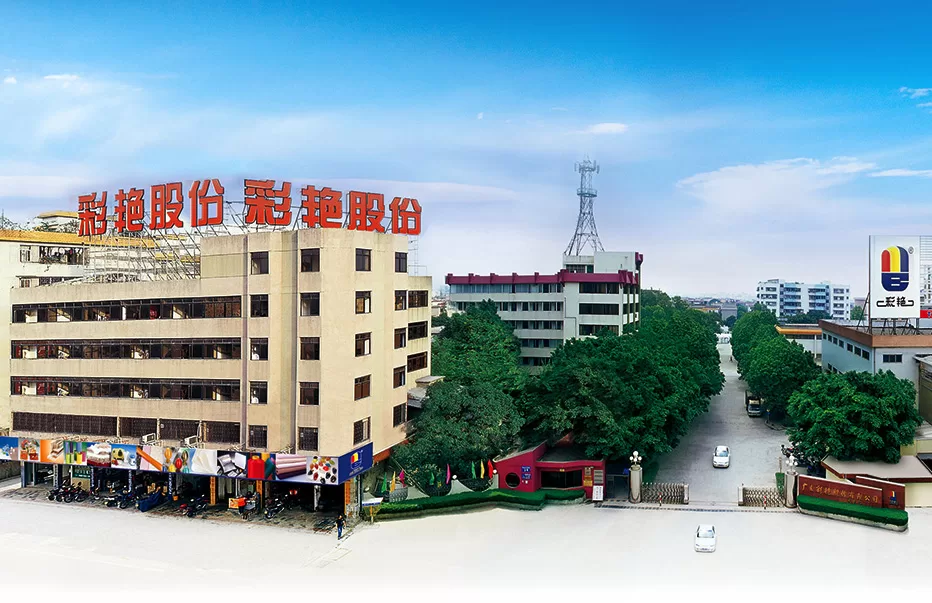
Not only products, Charming provides complete technical support service and individual development cooperation, which can help our customers solve practical problems and develop new projects with creative solutions. We utilize advanced twin screw machines from Germany to guarantee the perfect dispersion of active ingredients. Whether you are producing agricultural films or complex automotive parts, our dedicated engineering team ensures that the exact formulations used for UV plastic meet your stringent operational requirements. We are so proud that we can share our experience and technology with customers and grow up together.
Summary Table: Additives Used for UV Plastic
| Application Sector | Primary Polymer Type | Key Functional Masterbatch Required | Charming Masterbatch Solution |
|---|---|---|---|
| Agricultural Films | LDPE / LLDPE | UV Stabilizer (Agro-chemical resistant) | Film / Plastic Masterbatch |
| Outdoor Textiles & Turf | PP / PET | UV Stabilizer + High Fastness Pigment | 纤维 / 长丝 / BCF / 无纺布 |
| Construction & Siding | PVC / HDPE | UV Stabilizer + Flame Retardant | 功能母粒 |
| Marine & Watercraft | HDPE / PP | UV Stabilizer + Antimicrobial | Antimicrobial Masterbatch |
| Electronic Cables | PE / PVC | UV Stabilizer + Antistatic | Antistatic Masterbatch |
Frequently Asked Questions (FAQs)
What is the difference between the UV absorbers and HALS used for UV plastic?
UV absorbers work by physically absorbing UV light and converting it into harmless heat. HALS (Hindered Amine Light Stabilizers) do not absorb light; they chemically scavenge the free radicals that are formed when UV light begins to degrade the polymer. We recommend using a combination of both for comprehensive protection in most outdoor applications.
How does pigment dispersion affect the stabilizers used for UV plastic?
Poor dispersion leads to agglomerations, leaving parts of the plastic matrix unprotected. Because Charming Masterbatch utilizes advanced twin screw machines from Germany, we ensure flawless pigment and additive dispersion, maximizing the efficacy of the UV stabilizers used for UV plastic and preventing localized polymer failure.
Can I combine different functional additives used for UV plastic?
Yes, but it must be done carefully. Certain additives can interact negatively. For instance, combining a Flame Retardant with a UV stabilizer requires precise formulation to ensure neither additive’s performance is compromised. We provide individual development cooperation to engineer custom, multi-functional masterbatches tailored to your specific needs.
Does the thickness of the plastic affect which additives are used for UV plastic?
Absolutely. Thin films used in packaging or agriculture require different concentrations and types of stabilizers compared to thick-walled components like construction pipes or automotive bumpers. The surface area to volume ratio dictates the rate of photo-oxidation, requiring customized masterbatch loading levels.
References
- Charming Masterbatch Internal Research and Development Data Archive.
- International Standards for Polymer Weathering and UV Resistance (ISO 4892).
- Journal of Applied Polymer Science: Mechanisms of Photodegradation and Stabilization in Advanced Polymers.