
Let us confront a brutal reality in the polymer manufacturing industry: if you deploy a plastic product into an outdoor environment without rigorously engineering its chemical defense against ultraviolet radiation, you are actively manufacturing garbage. Photodegradation is relentless. The moment a virgin polymer—whether it is an agricultural greenhouse film, a high-density polyethylene playground structure, or a complex polycarbonate automotive headlamp—is exposed to sunlight, invisible high-energy photons begin aggressively tearing apart its covalent bonds. Within months, an unprotected plastic will suffer catastrophic chain scission. It will turn violently yellow, chalk on the surface, and ultimately shatter under minimal mechanical stress. To prevent this, procuring the best UV protectant for plastic is not a supplementary option; it is a strict operational mandate.
From our experience engineering advanced functional additives, we know that amateur fabricators routinely make the fatal mistake of relying on superficial topical sprays or cheap liquid coatings to delay UV damage. We refuse to endorse such temporary band-aids. True weatherability requires homogenous dispersion of elite chemical stabilizers directly into the polymer matrix during the melt extrusion phase. Finding the absolute best UV protectant for plastic requires matching the specific chemical structure of the additive to the base resin, processing temperature, and expected environmental duress of the final product.
In this uncompromising, expert-led guide, we will brutally dissect the science of polymer photo-oxidation. We will analyze the 5 best UV protectant for plastic categories dominating the global market in 2026, explain why physical blockers outperform chemical absorbers in certain niches, and demonstrate how advanced masterbatch delivery systems eliminate catastrophic field failures.
Table of Contents
- 1. The Chemistry of Polymer Photodegradation
- 2. How We Evaluate the Best UV Protectant for Plastic
- 3. The 5 Best UV Protectant for Plastic Additives in 2026
- 4. The Masterbatch Delivery Advantage
- 5. Summary Matrix: The Ultimate Protection Comparison
- 6. Frequently Asked Questions (FAQs)
- 7. Authoritative Industry References
1. The Chemistry of Polymer Photodegradation
Before you can select the best UV protectant for plastic, you must understand how plastics die. When ultraviolet light (specifically in the 290 nm to 400 nm wavelength range) strikes a polymer surface, the energy is absorbed by chromophores—impurities or structural anomalies within the plastic. This energy excites the molecules, causing the carbon-carbon or carbon-hydrogen bonds to physically snap. This initial break is called photolysis, and it generates highly reactive free radicals.
Once a free radical is formed, it immediately reacts with ambient oxygen to form a peroxy radical. This peroxy radical aggressively attacks neighboring polymer chains, ripping off hydrogen atoms to stabilize itself, which only creates a new free radical. This vicious, compounding cycle is known as auto-oxidation. As the molecular weight of the plastic plummets due to millions of broken chains, the material loses its tensile strength and shatters. If you want to dive deeper into how these additives are safely integrated, reviewing the UV masterbatch uses and benefits is your necessary first step.
2. How We Evaluate the Best UV Protectant for Plastic
When identifying the best UV protectant for plastic, we do not rely on marketing brochures. We judge the chemistry based on three uncompromising metrics. First, thermal stability: the additive must survive processing temperatures exceeding 300 degrees Celsius without volatilizing and boiling out of the extruder vent. Second, extraction resistance: if the final plastic product is exposed to rain, agricultural pesticides, or cleaning solvents, the protectant must not leach out of the matrix. Third, optical neutrality: if the product is a clear polycarbonate window, the protectant cannot impart an ugly yellow hue. If a chemical fails any of these parameters, it is disqualified from our elite rankings.
3. The 5 Best UV Protectant for Plastic Additives in 2026
The global market currently recognizes five distinct categories of chemical and physical stabilizers that legitimately qualify as the best UV protectant for plastic. Each serves a highly specific industrial purpose.
3.1 Hindered Amine Light Stabilizers (HALS)
When evaluating the absolute best UV protectant for plastic in polyolefin applications (like polyethylene and polypropylene), Hindered Amine Light Stabilizers (HALS) are the undisputed kings of the industry. Unlike other additives that simply absorb light, HALS operate as active combatants on the molecular battlefield. They do not block UV rays; instead, they function as aggressive radical scavengers.
Through a complex chemical loop known as the Denisov cycle, HALS trap the destructive free radicals formed during photo-oxidation, neutralize them, and then miraculously regenerate themselves to continue fighting. Because they are not consumed during the stabilization process, their longevity is unmatched. We strongly recommend HALS for high-surface-area applications like synthetic artificial turf, agricultural shade nets, and thin packaging films. If you are learning how to color plastic permanently for outdoor use, loading the resin with HALS is mandatory.
3.2 Hydroxyphenyl Triazines (HPT)
For high-performance engineering plastics, HALS alone is sometimes insufficient. You need an aggressive absorber. In 2026, Hydroxyphenyl Triazines (HPT) are universally recognized as the benchmark best UV protectant for plastic when dealing with severe heat and high-end polymers like Polycarbonate (PC), PET, and Polyamides. A prime example is the widely utilized Tinuvin 1600 formulation.
HPT compounds boast an extraordinarily low volatility profile, meaning they will not evaporate out of the plastic during high-temperature co-extrusion. They operate by absorbing harmful UV-A and UV-B radiation and instantly converting that destructive energy into harmless, low-grade heat through a mechanism called tautomerism. For architectural clear coats, automotive headlights, and multi-wall construction sheets, HPT provides flawless, long-lasting clarity.
3.3 Benzotriazoles
Benzotriazoles offer an exceptionally broad absorption range, aggressively pulling in UV light from 270 nm up to 400 nm. From our experience, they are frequently utilized as the best UV protectant for plastic when attempting to prevent catastrophic color fading and blistering in pigmented formulations. Benzotriazoles act like a molecular sponge, absorbing the light before it can reach the sensitive pigment molecules embedded in the plastic.
To maximize efficiency, elite engineers rarely use Benzotriazoles in isolation. They achieve a powerful synergistic effect by combining a Benzotriazole absorber with a HALS scavenger. The absorber stops the majority of the radiation, and the HALS cleans up the few free radicals that manage to slip through. When consulting a masterbatch color code chart to formulate vibrant outdoor furniture, this synergistic combination is the industry standard.
3.4 Benzophenones
For manufacturers operating on tight capital expenditure budgets, Benzophenones remain the most cost-effective best UV protectant for plastic available. They absorb UV light efficiently in the 260 nm to 350 nm wavelength range. While they do not possess the extreme high-temperature stability of the newer Triazine class, they are incredibly reliable for standard agricultural films, synthetic adhesives, and basic PVC pipe extrusion.
We recommend Benzophenones for thick-walled plastic applications where absolute optical clarity is not the primary objective. Their cheap price point and simple integration mechanics make them a highly viable option for high-volume, low-margin plastic commodities. If you are exploring what is filler masterbatch and how to stabilize cheap, highly filled calcium carbonate resins, a heavy dose of Benzophenone is a practical solution.
3.5 Carbon Black and Physical Blockers
We must reject the notion that complex organic chemistry is the only solution. Sometimes, the most uncompromising and mathematically perfect best UV protectant for plastic is a simple physical barrier. Carbon Black and Rutile Titanium Dioxide do not absorb and dissipate light through complex tautomerism; they physically block the photons from ever entering the polymer matrix.
Carbon black, in particular, is devastatingly effective. Adding just 2% to 3% of a high-quality carbon black pigment into a high-density polyethylene (HDPE) water pipe will render it virtually immune to UV degradation for over fifty years. When evaluating the elite black masterbatch suppliers guide, it becomes immediately obvious that for subterranean infrastructure, heavy industrial containers, and geomembranes, physical blocking via Carbon Black is the ultimate, brute-force protective measure.
4. The Masterbatch Delivery Advantage
Understanding which chemical constitutes the best UV protectant for plastic is useless if you cannot properly integrate it into your raw polymer. Attempting to mix raw chemical powders into a hopper on a factory floor guarantees disastrously uneven dispersion. Areas of the plastic will receive too much stabilizer, causing it to bleed out (bloom) to the surface, while other areas will receive zero protection and shatter in the sun.
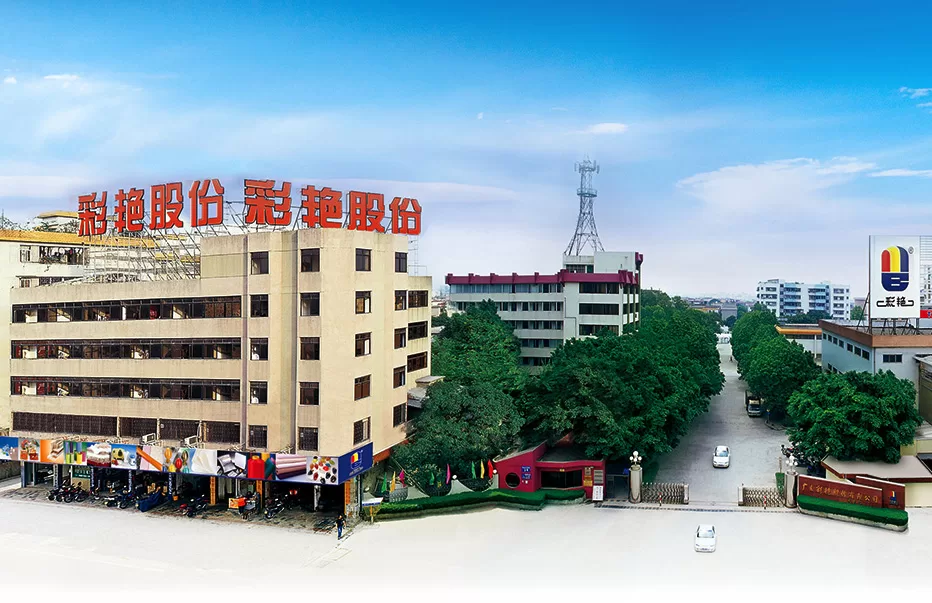
拥有先进的德国双螺杆设备以及数十年的母粒生产经验与颜料分散技术,彩艳一直为客户提供高品质的色母粒产品和创新的功能母粒解决方案。 Charming Masterbatch is well known in China market, and exports to Europe, South America, Southeast Asia, Middle East, North Africa etc about 18 countries and markets worldwide. Not only products, Charming provides complete technical support service and individual development cooperation, which can help our customers solve practical problems and develop new projects with creative solutions. We are so proud that we can share our experience and technology with customers and grow up together.
At Charming Masterbatch, we solve this by pre-dispersing the active UV stabilizers into a carrier resin at incredibly high concentrations. This creates a functional masterbatch pellet. When you drop our pellets into your extruder, the stabilizers melt and mix flawlessly with your base resin. As one of the premier masterbatch suppliers worldwide, and outperforming basic color concentrate manufacturers, we ensure that your product receives uniform, uncompromising protection on a microscopic level.
5. Summary Matrix: The Ultimate Protection Comparison
To assist your chemical procurement teams, we have synthesized the core attributes of the best UV protectant for plastic categories into this definitive matrix.
| Protectant Category | Primary Mechanism | Optimal Base Polymer | Key Engineering Advantage |
|---|---|---|---|
| HALS | Radical Scavenging | Polyolefins (PE, PP) | Regenerates itself; unmatched longevity in thin films. |
| HPT (Triazines) | UV Absorption | Engineering Plastics (PC, PET) | Extreme low volatility; survives 300°C+ processing. |
| Benzotriazoles | Broad-Spectrum Absorption | Styrenics, Acrylics, PVC | Excellent prevention of color fading and yellowing. |
| Benzophenones | Standard Absorption | PVC, Adhesives, Basic Films | Highly cost-effective for thick-walled applications. |
| Carbon Black | Physical Blocking | Pipes, Geomembranes | Provides decades of absolute immunity to UV penetration. |
6. Frequently Asked Questions (FAQs)
Can I mix different types of UV stabilizers together to get better protection?
From our experience, not only can you mix them, but you absolutely should. The industry standard for the best UV protectant for plastic involves a synergistic combination. By blending a UV Absorber (like a Benzotriazole) to block the incoming radiation with a Radical Scavenger (like HALS) to clean up the minimal damage that slips through, you achieve an exponential increase in the lifespan of the plastic product.
Does adding a UV protectant alter the mechanical properties of the plastic?
If engineered correctly via a high-quality masterbatch carrier, the addition of UV stabilizers (typically loaded at 0.5% to 3% by weight) will not negatively alter the tensile strength or impact resistance of the virgin polymer. In fact, their entire purpose is to preserve those mechanical properties over time. However, using cheap, incompatible liquid additives can cause plasticization, making the final product weak and flexible.
Are chemical UV stabilizers safe for food packaging plastics?
Yes, but you must demand rigorous compliance documentation. There are specific grades of HALS and Benzophenones that have received explicit FDA and European Food Safety Authority (EFSA) clearance for direct food contact. When seeking the best UV protectant for plastic in the packaging sector, you must source from verified masterbatch manufacturers who can provide zero-migration guarantees for their chemical additives.
7. Authoritative Industry References
To ensure your polymer engineering formulations are backed by verified, globally recognized chemical data, we strongly advise consulting the following specialized technical resources:
- Ampacet Corporation – Ultraviolet Light Stabilizers: A definitive industrial breakdown of photo-degradation mechanisms and the synergistic applications of HALS and specific UV absorbers in commercial polyolefins.
- BASF Plastics & Rubber – Light Stabilizers: Highly rigorous technical documentation outlining the Denisov cycle, radical scavenging longevity, and advanced solutions for mitigating structural cracking and chalking in outdoor plastics.
- 3V Sigma SpA – UV Absorbers for Plastics: Comprehensive chemical data mapping the specific wavelength absorption ranges of Benzophenones and Benzotriazoles and their compatibility matrices across diverse polymer resins.