
Every year, millions of dollars are lost in the global plastics industry due to aggressive photodegradation. The sun’s ultraviolet radiation mercilessly attacks the carbon-carbon bonds within polymer chains, leading to rapid yellowing, severe embrittlement, surface chalking, and catastrophic structural failure. From our experience in the advanced masterbatch and polymer additive sector, ignoring UV protection is the fastest way to ruin a product’s reputation and lifespan. To ensure your plastic components survive harsh outdoor environments, you must engineer them with the precise chemical defenses required to withstand the elements.
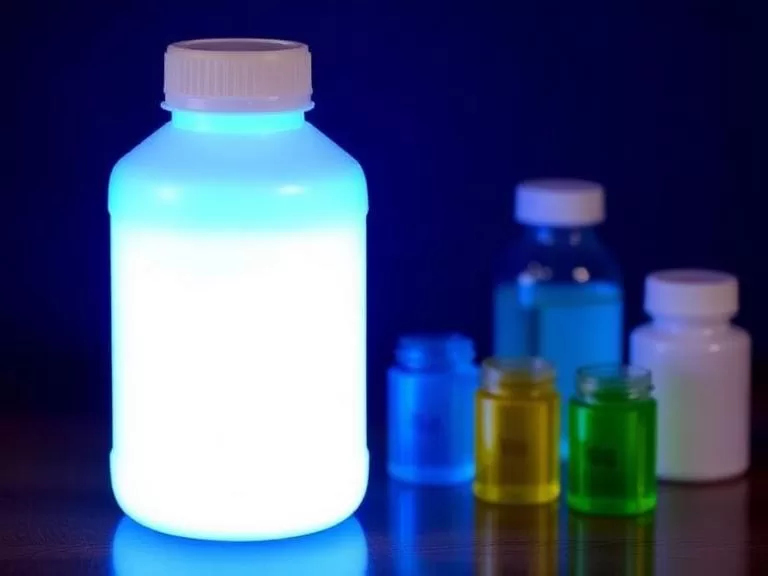
In 2026, the demand for high-performance outdoor plastics has pushed additive technology to unprecedented heights. If you want your products to last, you need the most effective UV stabilizers for polymers available on the market today. We recommend analyzing your specific polymer matrix, processing temperature, geographic end-use, and environmental exposure before selecting a stabilization package. A generic approach simply will not suffice for modern industrial applications. In this authoritative and comprehensive guide, we break down the six best UV stabilizers for polymers in 2026, detailing exactly how they operate at a molecular level and when you should deploy them.
Table of Contents
- 1. The Mechanics of Polymer Photodegradation
- 2. The 6 Best UV Stabilizers for Polymers in 2026
- 3. The Power of Synergism: Combining Absorbers and Scavengers
- 4. Choosing the Right Masterbatch Manufacturing Partner
- 5. Summary Table: Comparing the Top Technologies
- 6. Frequently Asked Questions (FAQs)
- 7. Industry References
1. The Mechanics of Polymer Photodegradation
Before we can evaluate the finest UV stabilizers for polymers, we must first understand why plastic degrades in the sun. When plastic is exposed to direct sunlight, it absorbs high-energy UV photons. This immense energy literally breaks the covalent bonds within the polymer chain, generating highly reactive free radicals. These free radicals aggressively react with ambient oxygen in a destructive process known as photo-oxidation, triggering an endless chain reaction of molecular breakdown.
The physical results are devastating: massive loss of tensile elongation, severe micro-cracking, and dramatic color fading. Different polymers degrade at different wavelengths. For example, polypropylene (PP) is highly sensitive around 310 nm, while polycarbonate (PC) degrades near 295 nm. To halt this degradation, the plastics industry relies on highly specialized chemical additives. The best UV stabilizers for polymers intercept this destructive cycle at various stages—either by blocking the light entirely, absorbing the dangerous energy, or chemically neutralizing the free radicals before they can multiply and destroy the part.
2. The 6 Best UV Stabilizers for Polymers in 2026
Through rigorous testing and decades of field application, the industry has identified several key chemical classes that provide superior protection. Here are the top six UV stabilizers for polymers defining the industry in 2026.
1. Hindered Amine Light Stabilizers (HALS)
When it comes to long-term outdoor durability and retention of mechanical properties, Hindered Amine Light Stabilizers (HALS) are the undisputed global champions. Unlike traditional absorbers, HALS do not absorb UV radiation. Instead, they operate as highly efficient free radical scavengers. Through a complex chemical mechanism known as the Denisov cycle, HALS neutralize the damaging peroxyl and alkyl radicals generated during photo-oxidation.
The true brilliance of the Denisov cycle is that it is catalytic; the HALS molecule actually regenerates itself after neutralizing a radical. This means the stabilizer is not consumed quickly, providing exceptional longevity. From our experience, HALS (such as UV-770 and UV-944) are the absolute best UV stabilizers for polymers in thin-film applications, artificial turf, and automotive interiors. They are highly effective in polyolefins (polyethylene and polypropylene) and polyurethanes, offering surface protection that traditional absorbers simply cannot match.
2. Benzotriazoles (Advanced UV Absorbers)
Benzotriazoles remain the industry standard for strong, broad-spectrum UV absorption. These molecules act as a microscopic physical shield. They intercept incoming UV radiation—specifically in the highly destructive 270 to 400 nm range—and convert that high-energy light into harmless, low-level thermal energy. They achieve this through a remarkable mechanism called excited-state intramolecular proton transfer (ESIPT).
Because they undergo this energy conversion process without chemically altering or destroying themselves, they remain active within the polymer matrix for years. We highly recommend benzotriazoles (like UV-326 and UV-329) as premium UV stabilizers for polymers in engineering plastics, transparent polycarbonates, and styrenic polymers (ABS, PS) where maintaining perfect optical clarity and preventing yellowing is the absolute top priority.
3. Benzophenones (Cost-Effective UV Absorbers)
For manufacturers looking for a reliable, highly cost-effective defense mechanism, benzophenones remain an absolute staple in 2026. While their spectral coverage is slightly narrower than benzotriazoles (operating predominantly between 260 and 350 nm), they offer excellent compatibility with a vast array of resin types.
Benzophenones (such as UV-531) are frequently deployed as robust UV stabilizers for polymers in flexible PVC formulations, agricultural films, and thick-section polyolefins. While we acknowledge that benzotriazoles offer slightly broader protection profiles, benzophenones provide an unbeatable cost-to-performance ratio for mid-tier outdoor applications where budget constraints are tight but failure is not an option.
4. Hydroxyphenyltriazines (HPT)
As processing temperatures in the plastics industry continue to soar to accommodate advanced engineering resins, traditional stabilizers often suffer from volatility, migrating out of the plastic and causing severe plate-out on manufacturing equipment. Enter Hydroxyphenyltriazines (HPT). These are next-generation UV absorbers globally recognized for their exceptionally low volatility and extremely high inherent photostability.
In 2026, HPTs like UV-1164 are heavily utilized in high-performance automotive clear coatings, PET synthetic fibers, and co-extruded polycarbonate roofing sheets. If you are extruding at extremely high temperatures and require UV stabilizers for polymers that will firmly stay within the matrix and not smoke out of the die, HPTs are unequivocally your superior choice.
5. Nickel Quenchers (Agricultural Specialists)
Nickel quenchers operate on a completely different chemical and physical pathway. They do not absorb UV light or scavenge free radicals. Instead, they quench the excited state of polymer chromophores—essentially calming down the polymer molecules before they can break apart and form dangerous free radicals.
While their use has declined in consumer goods due to their inherent greenish tint and heavy metal regulatory concerns, they remain absolutely irreplaceable in specific industrial sectors. From our experience, nickel quenchers (like UV-1084) are the premier UV stabilizers for polymers used in agricultural greenhouse films. This is because they offer unrivaled chemical resistance to the harsh sulfur and halogen-based pesticides that rapidly deactivate traditional HALS.
6. Carbon Black and Inorganic Pigments
We cannot responsibly discuss UV stabilizers for polymers without acknowledging the most robust, structural UV protector in existence: Carbon Black. By absorbing UV radiation across the entire light spectrum and dissipating it as heat, carbon black prevents radiation from ever penetrating the internal polymer matrix.
If your end product can be black—such as agricultural irrigation pipes, massive geomembranes, or industrial automotive components—carbon black is the ultimate, unbeatable stabilizer. For manufacturers looking to source high-grade, finely dispersed formulations, researching the premier black masterbatch manufacturers 2025 is highly recommended to ensure you are getting the optimal particle size for UV protection. Similarly, for white products, rutile titanium dioxide acts as a powerful inorganic UV reflector.
3. The Power of Synergism: Combining Absorbers and Scavengers
Using a single type of stabilizer is rarely enough for highly demanding outdoor applications. We recommend utilizing a synergistic blend of HALS and UV absorbers to maximize the lifespan of your products. The UV absorber acts as the critical first line of defense, filtering out the harsh UV rays at the very surface of the plastic part. Any radiation that penetrates this initial shield and forms free radicals deep within the polymer bulk is then immediately neutralized by the HALS network.
This complementary, dual-action mechanism is the absolute foundation of modern, high-performance masterbatch formulations. However, engineering this synergy is complex. Calculating the exact masterbatch percentage guide and stabilizer dosage requires expert rheological knowledge to avoid additive overloading and surface blooming. When compounding these UV stabilizers for polymers with other additives, you must also be mindful of your international shipping and customs declarations, ensuring you use the correct filler masterbatch HS code 2025 to avoid logistical delays.
4. Choosing the Right Masterbatch Manufacturing Partner
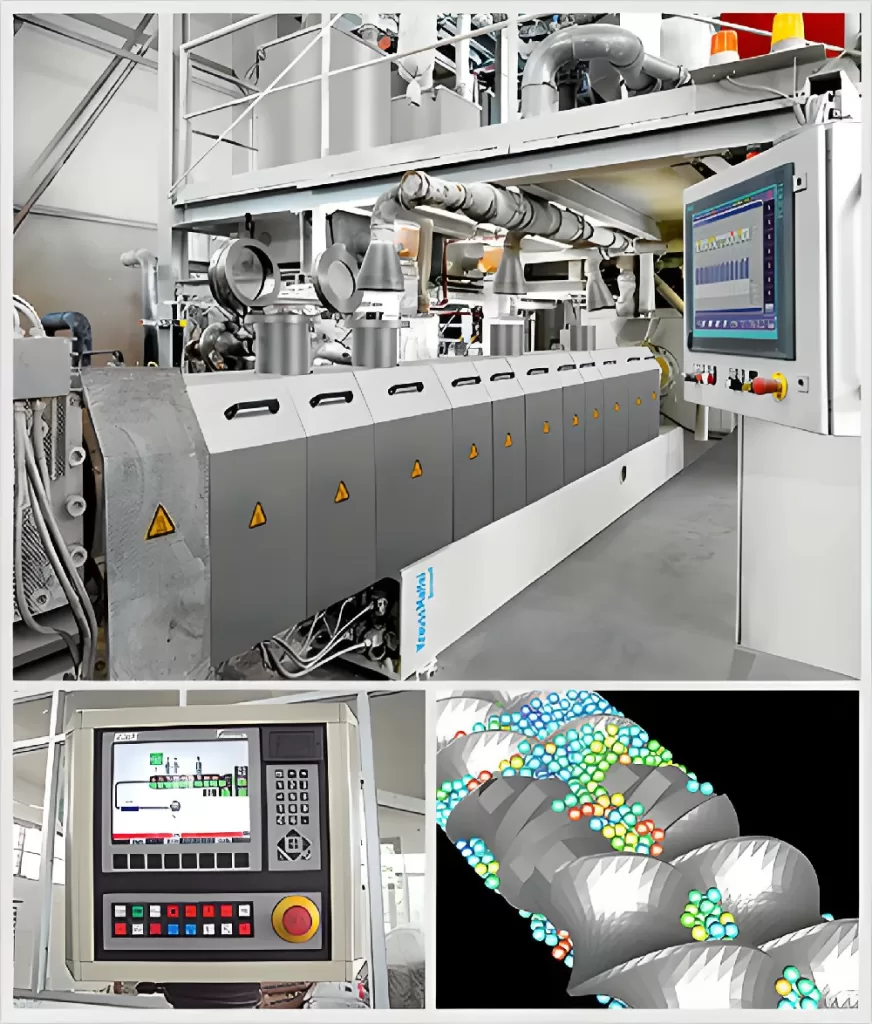
No matter how advanced your chosen UV stabilizers for polymers are, they must be flawlessly dispersed into the raw polymer matrix to function. Poor dispersion leads to unprotected weak spots, localized chalking, and catastrophic product failure. This is exactly why partnering with a world-class masterbatch manufacturer becomes the most critical decision in your supply chain.
Whether you are consulting the top masterbatch manufacturers worldwide, seeking localized production via the top masterbatch manufacturers Pakistan, or sourcing vibrant, UV-resistant exterior aesthetics through the colour masterbatch manufacturers India, you must demand rigorous laboratory quality control, accelerated weathering testing, and deep technical expertise from your supplier.
拥有先进的德国双螺杆设备以及数十年的母粒生产经验与颜料分散技术,彩艳一直为客户提供高品质的色母粒产品和创新的功能母粒解决方案。
彩艳母粒在国内化纤市场名声在外,广为业界熟悉,同时也出口到欧洲、美洲、中东、北非、东南亚等18个国家和地区市场。
不单是母粒,彩艳向客户提供完整的技术支持服务和开发项目合作平台,协助客户解决实际生产中遇到各种问题,同时彼此合作,共同开发新产品、新市场。
我们乐于分享经验与技术,为客户创造价值,为此我们深感自豪。
From our experience, integrating the finest UV stabilizers for polymers requires a partner who understands the intricate balance of pigments, carrier resins, and functional additives. A failure in dispersion technology renders even the most expensive chemical stabilizers entirely useless.
5. Summary Table: Comparing the Top Technologies
To help you make an informed material selection, we have summarized the six best UV stabilizers for polymers below.
| Stabilizer Type | Primary Mechanism | Best Polymer Compatibility | Key Industrial Advantage |
|---|---|---|---|
| HALS | Free Radical Scavenger | Polyolefins (PE, PP), Polyurethanes | Catalytic regeneration allows for exceptional long-term surface protection. |
| Benzotriazoles | UV Absorber (270-400nm) | Polycarbonates, Styrenics, Engineering Plastics | Broad spectrum absorption maintaining optical clarity. |
| Benzophenones | UV Absorber (260-350nm) | PVC, Agricultural Films, Thick PE/PP | Highly cost-effective with broad resin compatibility. |
| HPT (Hydroxyphenyltriazines) | Advanced UV Absorber | PET, PC, High-Temp Engineering Resins | Extremely low volatility for high-temperature extrusion processes. |
| Nickel Quenchers | Energy State Quencher | Agricultural PE Films | Unmatched chemical resistance to sulfur and halogen pesticides. |
| Carbon Black | Inorganic Absorber / Blocker | All opaque black polymers (Pipes, Geomembranes) | The absolute strongest, cheapest, and most permanent UV protection. |
6. Frequently Asked Questions (FAQs)
How long do UV stabilizers for polymers actually last in outdoor applications?
The lifespan heavily depends on the geographic location (UV index), the thickness of the plastic part, and the concentration of the stabilizer used. A properly formulated synergistic blend of HALS and UV absorbers can protect thick polyolefin parts for over 15 to 20 years in harsh outdoor environments.
Can I use HALS in agricultural greenhouse films?
While HALS are incredible UV stabilizers for polymers, standard HALS are rapidly deactivated by the acidic sulfur and halogen chemicals commonly used in agricultural pesticides. For greenhouse films, you must use either specialized NOR-HALS (which are chemically resistant) or traditional Nickel Quenchers to ensure the film does not prematurely degrade.
What is the functional difference between a UV absorber and a UV stabilizer?
A UV absorber (like a Benzotriazole) acts as a physical shield, intercepting UV light and converting it to heat before it can damage the plastic. A true UV stabilizer (like HALS) acts as a chemical sponge, neutralizing the destructive free radicals that form after the plastic has already absorbed the UV light. Combining both provides the ultimate structural defense.
7. Industry References
To ensure the highest level of technical accuracy and compliance when formulating your products, we recommend consulting the following authoritative scientific and industrial testing resources regarding UV degradation and stabilization:
- Polymer Degradation and Stability Journal – Elsevier: A leading academic publication detailing the latest chemical advancements in the degradation reactions and stabilization of commercial polymers.
- ASTM D4329 – Standard Practice for Fluorescent Ultraviolet (UV) Lamp Apparatus Exposure of Plastics: The definitive global industrial standard for accelerating and measuring the weathering, yellowing, and mechanical degradation of plastics.