
In the highly technical realm of polymer processing and manufacturing, achieving exact, reproducible, and stable coloration is a fundamental requirement. From consumer packaging to automotive components, the aesthetic and functional properties of a polymer product are heavily influenced by the chosen pigmentation process. Industrial engineers, molders, and extruders are constantly evaluating the most effective methods for coloring plastic to ensure superior dispersion, optimal mechanical properties, and maximum cost-efficiency.
As the primary voice of Charming Masterbatch, we have spent decades perfecting pigment dispersion technology. With advanced twin screw machines from Germany and unparalleled experience in masterbatch processing, we provide stable, high-quality color solutions and creative functional masterbatches for our global clientele. Today, our products are highly sought after across China and exported to 18 countries, spanning Europe, South America, Southeast Asia, the Middle East, and North Africa. Through this comprehensive analysis, we will delve into the most effective methods for coloring plastic, offering our professional insights into their respective advantages, mechanical integrations, and ideal application scenarios.
Table of Contents
- 1. Understanding Polymer Coloration Mechanics
- 2. Solid Color Masterbatch (The Industry Standard)
- 3. Pre-Colored Resins (Compounding)
- 4. Liquid Colorants
- 5. Dry Pigments (Powder Blending)
- 6. Summary Comparison Table
- 7. How to Choose the Optimal Coloring Technology
- 8. Frequently Asked Questions (FAQs)
- 9. References
1. Understanding Polymer Coloration Mechanics
Before analyzing the most effective methods for coloring plastic, one must understand the underlying physics of polymer melt and pigment dispersion. Raw plastic resins are typically manufactured as translucent or opaque white pellets. To introduce color, a pigment or dye must be uniformly distributed at a microscopic level within the polymer matrix. If the dispersion is inadequate, the final product will exhibit streaking, color variations, weakened structural integrity, and poor ultraviolet (UV) stability.
From our experience, the failure of a colored plastic product is rarely due to the quality of the pigment itself, but rather the failure of the chosen incorporation method. The thermal degradation of pigments during the extrusion or injection molding process requires strict adherence to temperature profiles and shear rates. Consequently, identifying the most effective methods for coloring plastic is a critical engineering decision that dictates the success of a manufacturing run.
For an in-depth look at ensuring color longevity, we recommend reviewing our technical bulletin on how to color plastic permanently.
2. Solid Color Masterbatch (The Industry Standard)
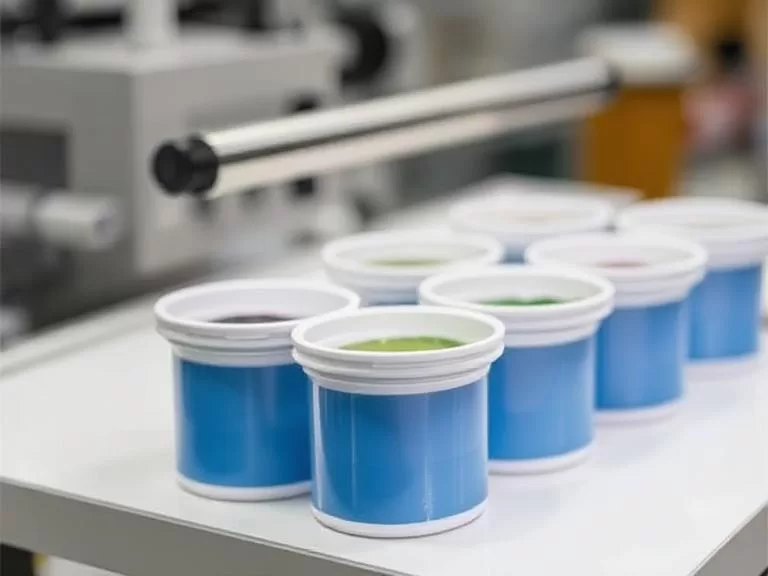
Without a doubt, utilizing solid color masterbatch remains at the forefront of the most effective methods for coloring plastic. A masterbatch is a solid product in which pigments or dyes are optimally dispersed at a high concentration in a carrier material. The carrier material is specifically formulated to be compatible with the main plastic in which it will be blended during molding or extrusion.
How Masterbatch Technology Works
At Charming Masterbatch, we utilize advanced twin screw extruders imported from Germany to manufacture our products. These machines apply immense, highly controlled shear forces to break down pigment agglomerates. The pigment is encapsulated by a custom-engineered polymer carrier, forming highly concentrated, dust-free pellets. During final production, the molder simply mixes a small percentage (typically 1% to 5%) of the masterbatch pellets with the natural, uncolored base resin.
Advantages and Industrial Synergies
We recommend solid masterbatch for the vast majority of industrial applications due to its exceptional stability and cleanliness. Unlike dry powders, masterbatch pellets do not create airborne dust, ensuring a clean manufacturing environment and preventing cross-contamination between production lines. Furthermore, the encapsulation of the pigment protects it from immediate thermal shock, providing superior color consistency batch after batch.
It is important to note that a masterbatch does not have to be solely for color. Engineers can integrate UV stabilizers, antioxidants, and antistatic agents into the same pellet. To understand this multi-functional capability, we invite you to read our guide on what is additive masterbatch. When you evaluate the top color concentrate manufacturers globally, you will find that the mastery of carrier resin compatibility is what separates standard suppliers from industry leaders like Charming.
3. Pre-Colored Resins (Compounding)
Another highly reliable approach among the most effective methods for coloring plastic is the use of pre-colored resins, also known as compounding. In this method, the plastic material is completely colored during the actual manufacturing of the raw resin by the polymer producer or a specialized toll compounder.
The Compounding Workflow
In the compounding process, the uncolored resin, pigments, and required additives are fed together into a massive extrusion system. The materials are melted, heavily mixed, and extruded into perfectly uniform, fully colored pellets. The manufacturer receives these pellets ready to be deposited directly into their injection molding machine or extruder without any secondary blending steps.
Pros and Cons of Pre-Colored Resins
From our experience, pre-colored resins offer the absolute highest level of color consistency and dispersion perfection, making it one of the most effective methods for coloring plastic for critical applications like medical devices or high-end automotive interiors. Because the pigment is fully integrated into every single pellet, the risk of operator error during mixing is completely eliminated.
However, this method is significantly less flexible than using masterbatch. Compounding requires immense minimum order quantities (MOQs). If your production line needs to pivot to a different shade, you cannot simply adjust the let-down ratio; you must order an entirely new batch of pre-colored resin. Furthermore, storing massive silos of specifically colored resin drastically increases inventory costs and warehouse space requirements.
4. Liquid Colorants
Liquid colorants represent a highly specialized niche within the most effective methods for coloring plastic. Instead of using a solid polymer carrier, the pigments are dispersed in a liquid vehicle—typically a highly refined mineral oil, surfactant, or a specialized liquid polymer.
Fluid Mechanics and Dosing
To utilize liquid colorants, a manufacturer must install precise peristaltic dosing pumps directly above the feed throat of the injection molding machine or extruder. The liquid color is injected directly into the natural resin stream as it enters the heating barrel.
Industrial Applications
We recommend liquid colorants when dealing with translucent or highly transparent resins, such as Polyethylene Terephthalate (PET) used in water bottles. Liquids can achieve excellent dispersion without clouding the base polymer. Because liquids coat the uncolored pellets uniformly, manufacturers can achieve vivid colors at very low let-down ratios (sometimes less than 0.5%).
The primary drawback of this method is the extreme mess it can create. If a line malfunctions or a hose leaks, the highly concentrated dye will stain the equipment and the factory floor permanently. Additionally, the liquid carrier can sometimes act as an unwanted plasticizer, altering the mechanical rigidity of the final product. Despite these challenges, for specific packaging applications, it remains one of the most effective methods for coloring plastic.
5. Dry Pigments (Powder Blending)
Historically, dry pigment blending was the original standard. While modern technology has largely superseded it, dry blending still holds a place among the most effective methods for coloring plastic under specific, cost-restricted conditions.
Dry Blending Techniques
This process involves tumbling raw, natural resin pellets in a massive mechanical mixer alongside raw pigment powders. To help the dry powder adhere to the slick surface of the plastic pellets, a binding agent or mineral oil is often sprayed into the mix. Once coated, the mixture is fed into the processing equipment.
Limitations and Current Uses
From our experience, dry pigment blending is the most cost-effective method in terms of raw material expenditure, as you are purchasing unadulterated pigment without paying for compounding or carrier resins. It is heavily utilized in the rotational molding industry and for manufacturing low-cost agricultural films or bulk construction materials.
However, we strictly advise against using dry pigments in cleanroom environments or for high-precision engineering plastics. Powders are highly susceptible to airborne contamination, creating severe cross-contamination risks. Furthermore, dry pigments frequently agglomerate (clump together), leading to inconsistent color streaks and weakened spots within the finished polymer structure. If you wish to upgrade from dry powder to a cleaner process, we urge you to review our detailed masterbatch production process to see how encapsulation solves these issues.
6. Summary Comparison Table
To assist manufacturing engineers and procurement officers in visualizing the most effective methods for coloring plastic, we have compiled the following technical matrix.
| Coloring Method | Dispersion Quality | Cleanliness & Handling | Cost Efficiency | Best Industrial Application |
|---|---|---|---|---|
| Solid Masterbatch | Excellent | Very High (Dust-free) | High (Scalable) | Injection molding, blow molding, film extrusion. |
| Pre-Colored Resin | Perfect | Very High | Low (Requires large inventory) | Automotive parts, critical medical devices, massive single-color runs. |
| Liquid Colorant | Excellent | Low (High risk of spills) | Moderate (Requires special pumps) | Transparent PET packaging, cosmetics containers. |
| Dry Pigments | Fair to Poor | Very Low (Airborne dust) | Very High | Rotational molding, low-cost bulk construction plastics. |
7. How to Choose the Optimal Coloring Technology
Not only does Charming Masterbatch supply premium products, but we provide complete technical support service and individual development cooperation. This dedicated approach helps our customers solve practical problems and develop new projects with creative, tailor-made solutions.
When selecting among the most effective methods for coloring plastic, you must evaluate your processing equipment, your required color tolerance, and your material handling capabilities. From our experience, over 80% of standard plastic manufacturing operations are best served by utilizing solid color masterbatch. It provides the perfect equilibrium between superior dispersion, operational cleanliness, and inventory flexibility.
We recommend conducting a thorough cost-benefit analysis that includes the hidden costs of machine downtime. While dry powder might seem cheaper initially, the extensive time required to clean a hopper and screw after a dry powder run frequently negates any raw material savings. By utilizing Charming Masterbatch, molders can execute rapid color changeovers with minimal scrap generation.
8. Frequently Asked Questions (FAQs)
Why is solid masterbatch considered the most versatile of the most effective methods for coloring plastic?
Solid masterbatch is highly versatile because its carrier resin can be tailored to match the exact melt flow index of your base polymer. Additionally, it allows for the easy incorporation of UV stabilizers and antioxidants within the same pellet, streamlining the manufacturing process and eliminating the need for multiple dosing units.
Can I use liquid colorants in a standard injection molding machine?
Yes, liquid colorants can be used in standard injection molding machines, but you must invest in highly precise liquid dosing pumps. Furthermore, you must ensure that your screw design provides adequate mixing, as liquids behave differently under shear stress compared to melting solid pellets.
How does Charming Masterbatch ensure color consistency?
We utilize advanced twin screw machines from Germany alongside decades of experience in pigment dispersion technology. Our rigorous quality control protocols include computerized spectrophotometry to guarantee that every batch perfectly matches the target color coordinates.
Where can I get technical support for my specific polymer project?
We are incredibly proud that we can share our extensive experience and cutting-edge technology with customers, growing up together in this dynamic industry. To initiate a project consultation, please contact masterbatch supplier experts at Charming Masterbatch.
9. References
- Plastics Industry Association – Technical Guidelines on Polymer Compounding
- ASTM International – Standard Test Methods for Colorimetry of Plastics
- ScienceDirect – Advanced Dispersion Mechanics in Twin-Screw Extrusion
In conclusion, mastering the most effective methods for coloring plastic is vital for any manufacturer looking to dominate the modern polymer market. By carefully evaluating solid masterbatches, pre-colored resins, liquid colorants, and dry pigments against your specific production requirements, you can optimize both your product quality and your bottom line. Charming Masterbatch remains your dedicated global partner in this endeavor, providing the advanced solutions necessary to bring your most ambitious projects to life.