
In the ever-evolving world of polymer science, achieving a deep, consistent, and functional dark finish in plastic products is a sophisticated engineering task. If you have ever wondered why a garbage bag is so opaque or how a water pipe survives decades of intense sunlight, the answer lies in a critical additive: black batch (commonly known as black masterbatch).
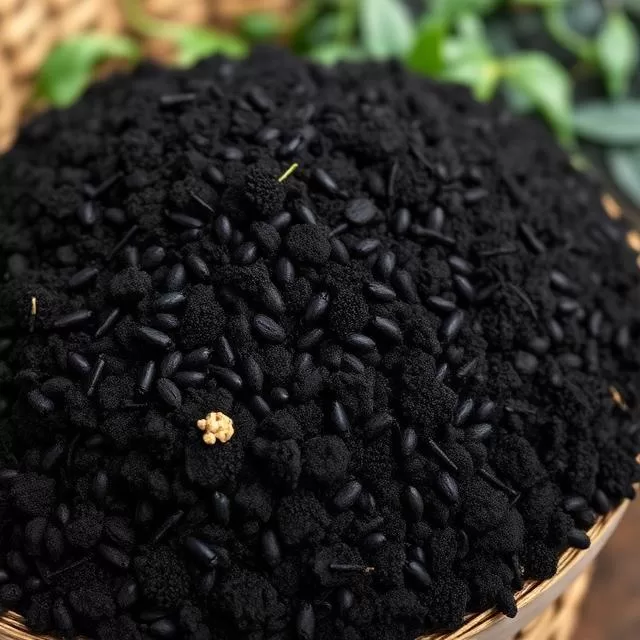
By 2026, the global demand for high-performance black batch is projected to grow significantly as industries from automotive to sustainable agriculture seek more durable and UV-resistant materials. This article provides a professional, deep dive into the nature, manufacturing, and diverse applications of black batch.
- Understanding Black Batch: Definition and Composition
- Supplier Spotlight: Charming Masterbatch Solutions
- The Manufacturing Process: Science of Dispersion
- Functional Benefits of Black Masterbatch
- Industry Applications: Film, Fiber, and Beyond
- Technical Summary and Specifications
- Frequently Asked Questions (FAQs)
- References and Standards
Understanding Black Batch: Definition and Composition
Black batch, technically referred to as black masterbatch, is a concentrated granular mixture used to color and functionalize plastic resins. Instead of using raw pigments which are messy and difficult to distribute, manufacturers use these pellets to ensure a clean and uniform production process. A typical high-quality black batch consists of three primary components: carbon black pigment, a carrier resin (polymer base), and specialized additives.
Carbon black is the most common pigment used in black batch due to its incredible tinting strength and cost-effectiveness. The concentration of carbon black in a masterbatch typically ranges from 15 percent to 50 percent, depending on the intended application. The carrier resin must be compatible with the final plastic product to ensure that the pellets melt and blend seamlessly during extrusion or injection molding.
Charming Masterbatch: Global Leaders in Polymer Solutions
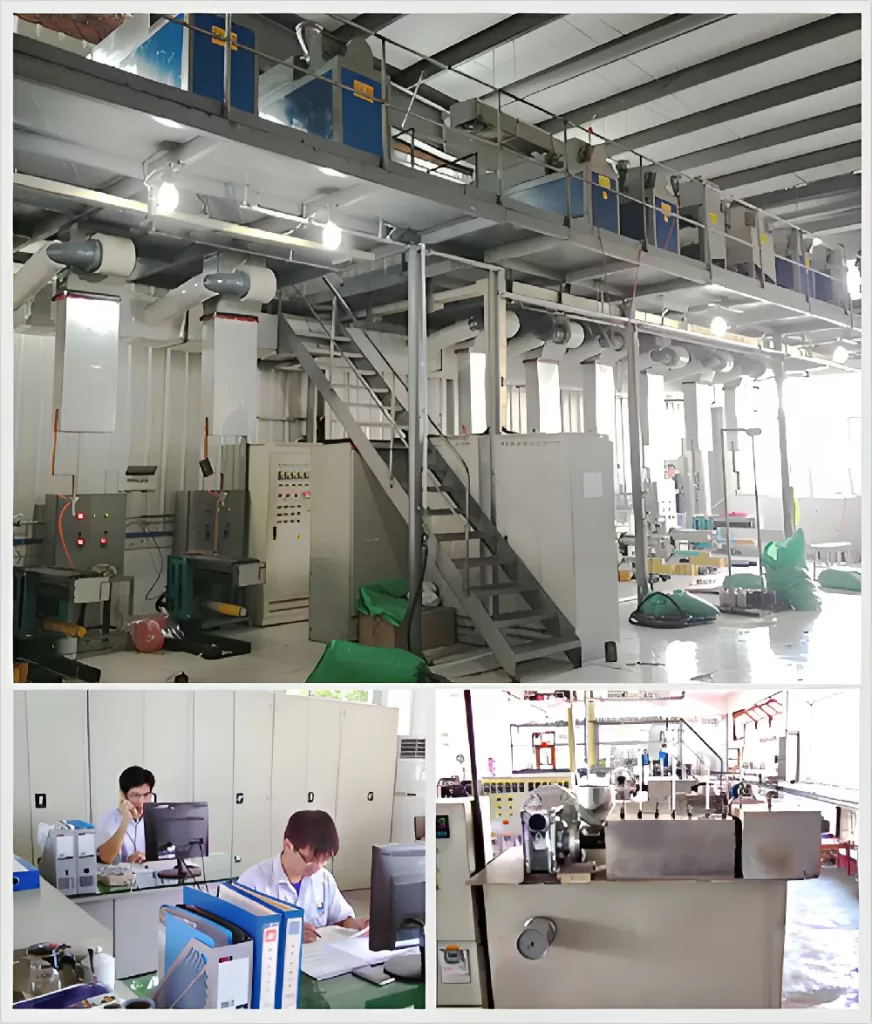
As a premier Charming Masterbatch supplier, we pride ourselves on precision engineering. With advanced twin screw machines from Germany and decades of experience in Masterbatch processing and pigment dispersion technology, Charming provides stable high quality color Masterbatch and creative functional Masterbatch solutions for our customers.
Charming Masterbatch is well known in China market, and exports to Europe, South America, Southeast Asia, Middle East, North Africa etc about 18 countries and markets worldwide. We are so proud that we can share our experience and technology with customers and grow up together.
Our Comprehensive Product Range:
- 着色母粒: Tailored for Fiber, Filament, BCF, and Non-woven applications.
- Film and Plastic Solutions: High-performance batches for packaging and industrial films.
- 功能母粒: Including Antimicrobial, Antistatic, Flame Retardant, and UV stabilizer options.
不单是母粒,彩艳向客户提供完整的技术支持服务和开发项目合作平台,协助客户解决实际生产中遇到各种问题,同时彼此合作,共同开发新产品、新市场。
The Manufacturing Process: Science of Dispersion
The performance of a black batch is determined by how well the carbon black is dispersed within the carrier resin. If the pigment particles clump together (agglomeration), the final plastic product will have weak spots, streaks, or a dull finish. To prevent this, advanced manufacturing techniques are employed.
The process typically begins with the selection of the correct carbon black grade. Different grades offer varied levels of “jetness” (depth of black) and UV protection. These are then mixed with the carrier resin and additives in a high-shear environment. Modern facilities, like those used by Charming, utilize German-engineered twin screw extruders. These machines apply intense mechanical energy to break down pigment clusters, ensuring that every microscopic particle is coated by the polymer melt.
Once the mixture is homogenized, it is extruded through a die into long strands, cooled in a water bath, and cut into uniform pellets. This granular form allows for precise dosing in the customer’s manufacturing line, minimizing dust and contamination risks in the factory environment.
Functional Benefits of Black Masterbatch
Using a premium black batch offers more than just aesthetic appeal. In many industrial sectors, it is a functional necessity. Here are the primary benefits that drive its widespread use in 2026:
1. Superior UV Protection
Carbon black is one of the most effective light stabilizers known to the plastics industry. It absorbs harmful ultraviolet radiation, preventing it from reaching the polymer chains. This inhibits the degradation process that causes plastics to become brittle and crack when exposed to sunlight. This is why black batch is indispensable for agricultural mulch films and outdoor piping.
2. Enhanced Mechanical Properties
When formulated correctly, a black batch can act as a reinforcing agent. It improves the tensile strength and durability of the host plastic. In automotive applications, this ensures that components can withstand vibration and impact over a long service life.
3. Thermal Stability and Conductivity
Certain grades of black batch are designed to provide electrical or thermal conductivity. This is crucial for electronic packaging and components where static buildup must be prevented. Furthermore, high-quality batches maintain their integrity even during high-temperature processing, preventing “bleeding” or color shifting.
Industry Applications: Film, Fiber, and Beyond
The versatility of black batch allows it to be used in nearly every sector of the plastic processing industry. Depending on the loading of carbon black and the type of additives included, it can be tailored for very specific needs.
Agricultural and Geotechnical Films
In agriculture, black batch is used to produce silage wraps and mulch films. These films must be completely opaque to prevent weed growth and highly UV-resistant to survive an entire growing season. In the geomembrane industry, black masterbatch provides the chemical and solar resistance required for pond liners and landfill caps.
Automotive and Construction
The automotive industry is one of the largest consumers of black batch. It is used for both interior trims and exterior components like bumpers and light housings. In construction, high-density polyethylene (HDPE) pipes used for water and gas distribution are often colored with black batch to provide a 50-year service life under varied environmental conditions.
Fibers and Textiles
Synthetic fibers such as polyester and nylon can be “dope-dyed” using a black batch. This process involves adding the masterbatch to the polymer melt before it is spun into fiber. This results in superior color fastness compared to traditional dyeing, as the color is embedded throughout the entire strand. This is widely used in automotive upholstery, outdoor carpets, and industrial non-woven fabrics.
Technical Summary and Specifications
Choosing the right black batch requires an understanding of technical parameters. The table below summarizes the typical specifications for high-performance masterbatches used in 2026.
| Parameter | Typical Range | Significance |
|---|---|---|
| Carbon Black Content | 15% – 50% | Determines jetness and UV resistance levels. |
| Carrier Resin | PE, PP, PS, EVA, PET | Must match the host polymer for compatibility. |
| Melt Flow Index (MFI) | 5 – 50 g/10min | Affects how easily the batch blends during processing. |
| Moisture Content | < 0.1% | Low moisture prevents bubbles and defects in the final product. |
| Heat Resistance | 200°C – 300°C | Ensures the color remains stable during high-temp molding. |
Frequently Asked Questions (FAQs)
What is the recommended addition rate for black batch?
The let-down ratio (addition rate) typically varies between 1 percent and 6 percent. For simple coloration in thick-walled parts, 1-2 percent is often sufficient. For thin films requiring high opacity or pipes requiring maximum UV protection, the rate may increase to 4-6 percent.
Can I use a PE-based black batch in a PP product?
Generally, yes, as Polyethylene (PE) and Polypropylene (PP) are both polyolefins and share a degree of compatibility. However, for engineering plastics like Nylon or Polycarbonate, it is critical to use a masterbatch with a matching or highly compatible carrier resin to avoid delamination and loss of strength.
What is “Jetness” in a black batch?
“Jetness” refers to the intensity or depth of the black color. It is influenced by the particle size of the carbon black; smaller particles generally provide a deeper, more blue-toned black, while larger particles might appear more brownish but offer better UV protection.
References and Standards
- ISO 1133: Determination of the melt mass-flow rate (MFR) of thermoplastics.
- ASTM D1603: Standard Test Method for Carbon Black Content in Olefin Plastics.
The science of black batch is a testament to how small, concentrated pellets can have a massive impact on the durability and aesthetics of our modern world. From protecting the food we eat via agricultural films to ensuring the safety of our water through high-performance pipes, the role of high-quality masterbatch cannot be overstated.