
Understanding how to permanently dye plastic is a fundamental requirement for modern manufacturing. In consumer goods, automotive parts, agricultural films, and synthetic textiles, color consistency and durability are non-negotiable. Many novice manufacturers attempt surface-level coloring techniques, only to experience rapid fading, scratching, and chemical degradation. To permanently dye plastic, the colorant must be integrated into the polymer matrix at the molecular level during the melting phase. From our experience, the only reliable way to achieve this at scale is through the utilization of high-quality masterbatch.
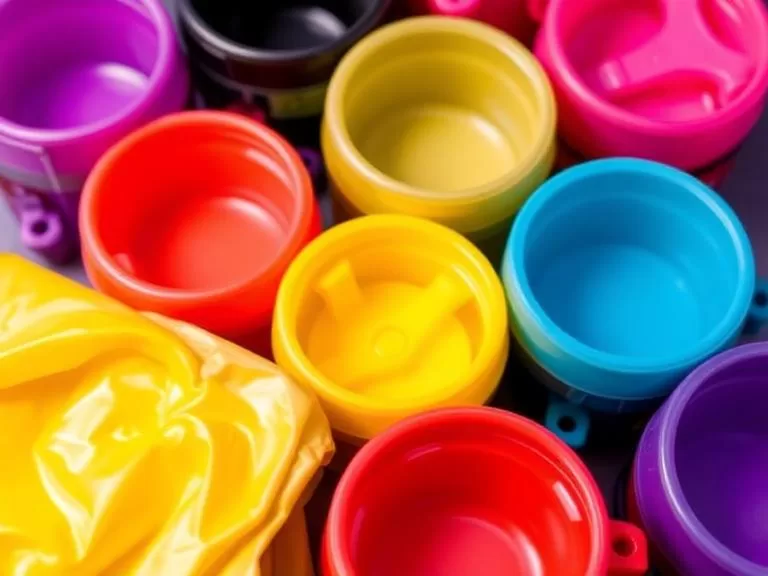
As a leading authority in polymer coloration, Charming Masterbatch has spent decades perfecting pigment dispersion technology. Operating with advanced twin screw machines from Germany, we have developed solutions that allow manufacturers to permanently dye plastic while enhancing the material’s physical properties. Our reputation in the China market and our exports to over 18 countries worldwide, including Europe, South America, Southeast Asia, the Middle East, and North Africa, are testaments to our precise engineering. In this comprehensive guide, we will explore the science, methodology, and industrial best practices required to permanently dye plastic effectively and efficiently.
Table of Contents
- The Science of Polymer Color Dispersion
- Summary Table: Methods to Permanently Dye Plastic
- The Industrial Masterbatch Advantage
- Adding Value: Functional Masterbatch Integration
- Specific Applications in Plastics Manufacturing
- Expert Recommendations on Process Control
- Frequently Asked Questions (FAQs)
- Industry References
The Science of Polymer Color Dispersion
To understand how to permanently dye plastic, one must first understand the structural nature of polymers. Plastics are composed of long, repeating molecular chains. Surface dyes, such as acrylic paints or solvent-based inks, merely sit on top of these chains. They do not penetrate the matrix. Therefore, they are susceptible to abrasion, solvent washing, and ultraviolet degradation. If you want to permanently dye plastic, the pigment particles must be encapsulated within these molecular chains.
This encapsulation requires heat, shear force, and a carrier resin that is highly compatible with the base polymer. When the plastic resin and the colorant are melted together, the twin screw extruders apply massive mechanical shear. This force breaks down pigment agglomerates into primary particles, ensuring an even distribution. If the dispersion is poor, the plastic will suffer from color streaking, weak structural spots, and inconsistent opacity. We recommend utilizing precisely engineered color masterbatch to ensure that the pigment is predispersed in a carrier resin, which guarantees that you will permanently dye plastic with flawless uniformity across millions of units.
Summary Table: Methods to Permanently Dye Plastic
| Coloring Method | Process Mechanism | Permanence Level | Best Industrial Application |
|---|---|---|---|
| 着色母粒 | Pigment encapsulated in a compatible carrier resin, melted directly with base polymer. | Maximum | High-volume injection molding, film extrusion, fiber spinning. |
| Liquid Colorants | Pigments suspended in a liquid carrier system mixed at the machine throat. | High | PET preforms, rapid color changeovers in small runs. |
| Dry Pigment Blending | Raw pigment powder mechanically mixed with resin pellets prior to melting. | Variable | Low-cost rotational molding. High risk of airborne contamination. |
| Surface Dyeing (Disperse Dyes) | Submerging finished plastic parts in a heated chemical dye bath. | Moderate | Prototyping, small batch 3D printed parts (Nylon/Polycarbonate). |
The Industrial Masterbatch Advantage
When our clients ask us the most cost-effective and structurally sound way to permanently dye plastic, the answer is unequivocally the use of solid color masterbatch. Masterbatch is a solid additive used for coloring plastics or imparting other properties to plastics. A liquid formulation is prone to dosage errors and machinery mess, while raw pigment powders cause extreme dusting and environmental hazards in the factory. Masterbatch eliminates these issues.
Precision in Pigment Dispersion Technology
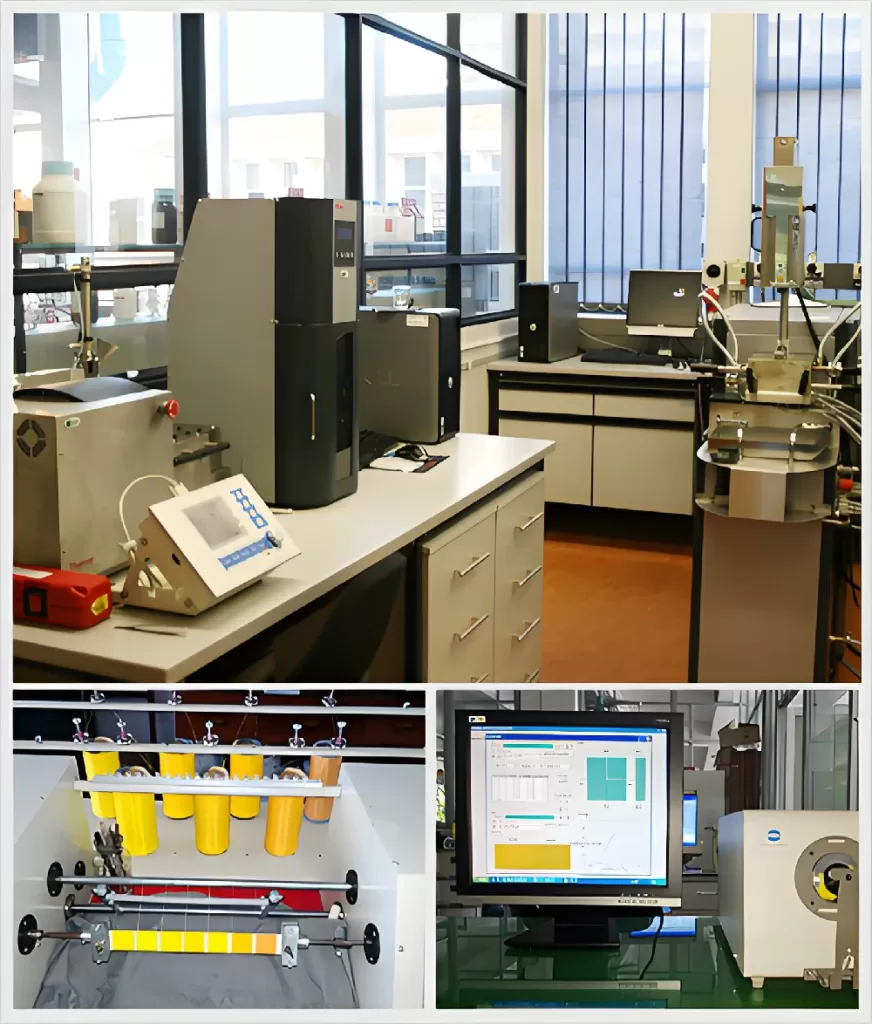
The core challenge when you permanently dye plastic is avoiding agglomeration. Pigments naturally want to clump together. At Charming Masterbatch, our decades of experience in pigment dispersion technology allow us to overcome this. We utilize advanced twin screw machines from Germany to compound our masterbatches. The specific screw profiles are engineered to provide the exact amount of distributive and dispersive mixing. This ensures every single pigment particle is coated with resin. When you use our masterbatch to permanently dye plastic, you are guaranteed vibrant, high-gloss finishes with zero color drift between production batches.
Compatibility and Carrier Resins
To permanently dye plastic without compromising the mechanical properties of the end product, the carrier resin of the masterbatch must be compatible with the base polymer of the product. Whether you are extruding polyethylene (PE), polypropylene (PP), or polyethylene terephthalate (PET), the rheology of the melt must be harmonious. Mismatched melt flow indices can lead to delamination or brittleness. We provide complete technical support service to ensure our customers select the exact masterbatch formulation required for their specific polymer grade.
Adding Value: Functional Masterbatch Integration
In modern manufacturing, to permanently dye plastic is often only half the equation. Industry demands smart materials. Charming Masterbatch does not just provide color; we provide creative functional masterbatch solutions. We frequently engineer masterbatches that combine vibrant pigments with essential chemical additives, streamlining the manufacturing process and enhancing the final product.
Antimicrobial and Antistatic Properties
For medical devices, food packaging, and consumer electronics, surface hygiene and static control are critical. While you permanently dye plastic, you can simultaneously introduce our Antimicrobial masterbatch to inhibit bacterial growth on the polymer surface. Similarly, our Antistatic masterbatch prevents the buildup of static electricity, which is vital for electronic component packaging and film extrusion where static can cause severe handling issues on the production line.
Flame Retardant and UV Stabilizer Additives
If you intend to permanently dye plastic for outdoor applications, such as stadium seating, agricultural films, or automotive exteriors, the sun is your greatest enemy. Ultraviolet radiation degrades the polymer bonds, causing the plastic to become brittle and the color to fade. By integrating our UV stabilizer masterbatch, the plastic absorbs and dissipates this radiation safely. Furthermore, for construction materials and textiles, our Flame Retardant masterbatch ensures that the plastic meets stringent international fire safety standards. We are so proud that we can share our experience and technology with customers, offering individual development cooperation to create bespoke masterbatches that combine color, UV resistance, and flame retardancy in a single pellet.
Specific Applications in Plastics Manufacturing
The methodology used to permanently dye plastic shifts depending on the final application. Different manufacturing processes subject the polymer to varying degrees of heat, pressure, and stretching. Charming Masterbatch provides tailored solutions for diverse industrial sectors.
Fiber, Filament, BCF, and Nonwoven
Spinning synthetic fibers requires extreme precision. When you permanently dye plastic to create Fiber, Filament, BCF (Bulked Continuous Filament), or Nonwoven materials, the pigment particles must be microscopic. If a pigment particle is larger than the diameter of the spinneret hole, it will cause a pressure spike and snap the filament. Our masterbatches for the textile industry are subjected to rigorous filtration testing to ensure uninterrupted high-speed spinning, yielding brilliant, fade-resistant yarns.
Film and Plastic Products
Extruding thin plastic films for packaging or agriculture demands absolute color uniformity. Any undispersed pigment will create a pinhole or a tear in the film. When you permanently dye plastic for Film and Plastic rigid applications, our masterbatch provides excellent opacity and tinting strength. Whether it is a translucent agricultural greenhouse film or a highly opaque injection-molded automotive dashboard, our color masterbatch ensures flawless visual aesthetics and structural integrity.
Expert Recommendations on Process Control
From our experience, the ability to permanently dye plastic successfully relies on strict process control at the manufacturing facility. We recommend that our clients closely monitor their dosing equipment. Volumetric and gravimetric feeders must be calibrated to the specific bulk density of the masterbatch pellets. Over-dosing wastes money and can negatively affect the physical properties of the plastic, while under-dosing leads to weak, translucent colors.
Furthermore, temperature control in the extruder or injection molding machine barrel is paramount. If the temperature is too low, the masterbatch will not melt evenly, causing color streaks. If the temperature is too high, the organic pigments may degrade and shift in hue. Charming Masterbatch provides complete technical support service to help our customers solve practical problems on the factory floor. We work directly with machine operators to optimize temperature profiles, screw speeds, and back pressure to ensure you permanently dye plastic with maximum efficiency.
Frequently Asked Questions (FAQs)
Can you permanently dye plastic after it has already been manufactured?
While there are chemical dye baths (disperse dyes) that can tint the surface of certain plastics like nylon or polycarbonate, this is generally not considered a true permanent solution for high-wear industrial applications. To permanently dye plastic with maximum durability, the colorant must be added as a masterbatch during the melting and molding phase.
Why does permanently dyed plastic sometimes fade outdoors?
Even if you permanently dye plastic at the molecular level, the ultraviolet rays from the sun can break down the chemical bonds of the pigment and the polymer itself. To prevent this fading and degradation, a UV stabilizer masterbatch must be incorporated into the plastic matrix alongside the color masterbatch.
What is the advantage of using Charming Masterbatch over raw pigment powder?
Raw pigment powder is highly volatile, messy, and extremely difficult to disperse evenly without specialized twin screw compounding equipment. By using our masterbatch to permanently dye plastic, you receive pigment that is already perfectly dispersed and encapsulated in a compatible resin pellet. This ensures a clean factory environment, precise dosing, and zero color streaking in your final product.